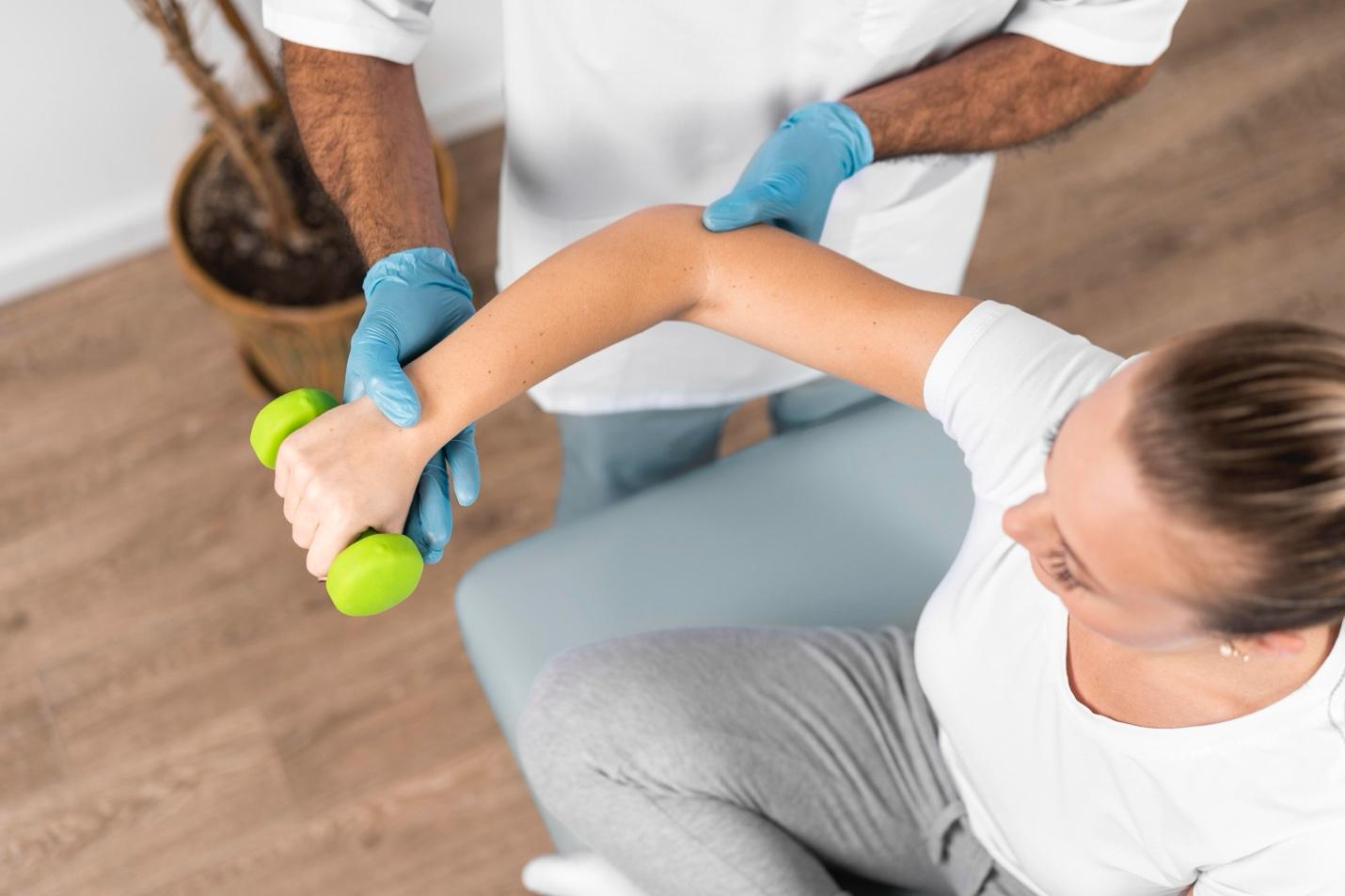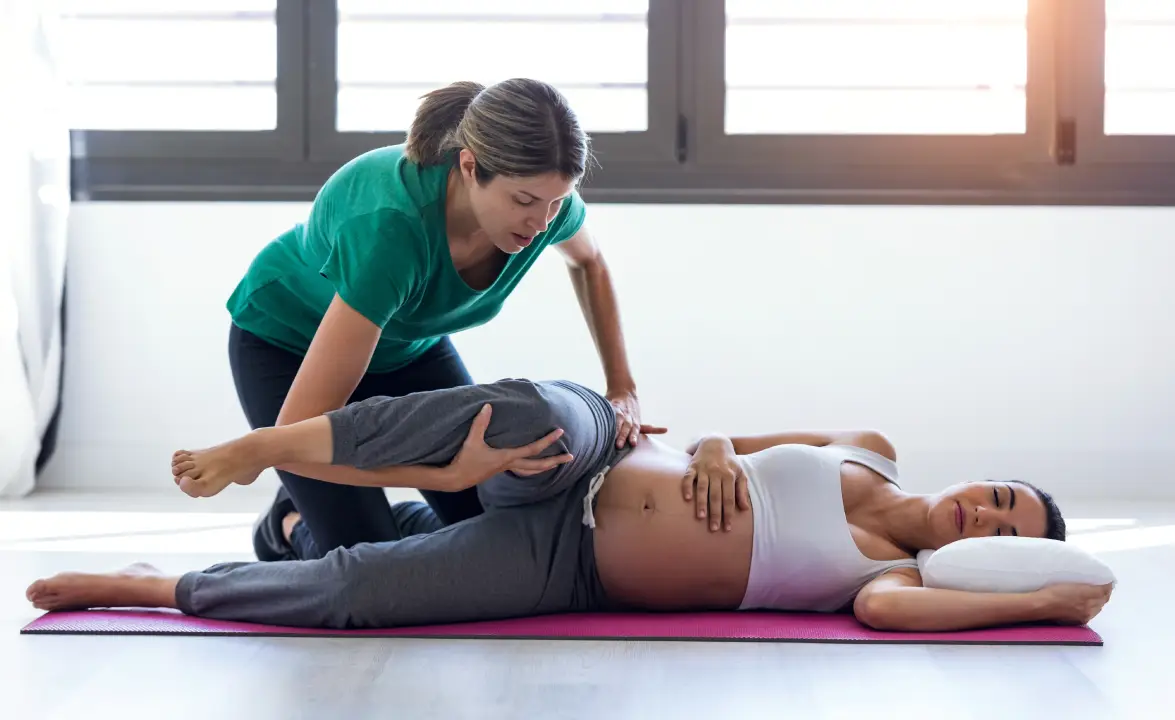


Knee decompression is a clinical approach designed to relieve pressure within the knee joint, improve circulation, and support recovery from joint-related conditions. It uses specialized equipment and controlled traction to gently separate joint surfaces, reduce stress on cartilage, and improve the overall movement of the knee.
Clinicians commonly use this method for individuals experiencing knee discomfort due to arthritis, cartilage wear, injury, or other forms of strain. By easing the mechanical load, knee decompression aims to restore function and provide a pathway toward more comfortable mobility.
Our clinic offers knee decompression sessions that assess, identify, and address knee-related concerns. Whether you are recovering from an injury, adjusting after a medical procedure, or managing ongoing knee issues, this approach supports better joint health and improved function.
Knee decompression therapy helps to:
Every session at our clinic is structured to match the individual’s condition, health history, and recovery goals.
The physiotherapist designs your knee decompression appointment to meet your specific needs. Each session follows a structured process:
The first visit begins with a detailed discussion of your knee concerns, activity level, and medical background. The therapist will ask about your symptoms, daily activities, and any past treatments you have received. A physical assessment follows, focusing on knee movement, stability, strength, and overall alignment. These findings guide the care plan.
Once the evaluation is complete, the therapist explains the results in clear terms and identifies the key factors contributing to your knee issue. Together, you will set practical recovery objectives, such as improving range of motion, easing discomfort during walking, or preparing for return to sports or work.
Treatment begins once the plan is in place. Depending on your condition, the session may include:
Knee decompression typically requires multiple sessions for lasting impact. Follow-up visits help track progress, adjust techniques, and provide consistent support. Over time, the therapist works with you to develop strategies for self-care and independent management of your knee health.
Physiotherapists use knee decompression to support recovery and function in conditions such as:
Knee decompression not only assists in reducing current discomfort but also encourages healthier joint movement patterns. With consistent care, individuals may:
Knee decompression is distinct from other treatments because it focuses on mechanical unloading of the joint while combining therapy and education. For example:
While each method has value, knee decompression specifically targets joint pressure to improve knee function.
Suppose you are managing knee discomfort, recovering after an operation, or aiming to improve mobility. In that case, knee decompression may be a suitable option. Through structured sessions, guided therapy, and education, it provides a pathway toward more efficient movement and healthier joint function.
Take the first step toward improving your knee health. Book your appointment with Assure Physio and Rehab today.
Knee decompression therapy uses a controlled traction device to separate the joint surfaces in the knee gently. This helps reduce pressure, improve circulation, and support recovery from knee-related conditions such as arthritis, cartilage wear, or injuries.
Individuals dealing with arthritis, meniscus injuries, ligament strains, cartilage degeneration, or general knee stiffness may benefit. It is also helpful during rehabilitation after Surgery or for those experiencing discomfort from overuse.
The therapist designed the therapy to be gentle. Most people describe it as a mild pulling or stretching sensation around the knee rather than pain. The therapist closely monitors each session to ensure the client’s comfort and wellbeing.
The number of sessions depends on your condition and goals. Some people notice changes after a few visits, while others require a longer series of treatments for steady progress. Your therapist will recommend a plan based on your evaluation.
Yes. It is often part of a broader care plan that may include physiotherapy, therapeutic exercises, or other supportive methods. Combining approaches helps strengthen surrounding muscles, improve mobility, and support long-term knee health.
If you require urgent assistance, our team is here to respond quickly and guide you toward the care you need. Don’t hesitate to reach out—help is just a call away.
Book Now
Copyright © Assure Physio & Rehab. All Rights Reserved | Privacy Policy | Terms Of Use
Designed & Developed By Convirzon
 Optimized by Seraphinite Accelerator