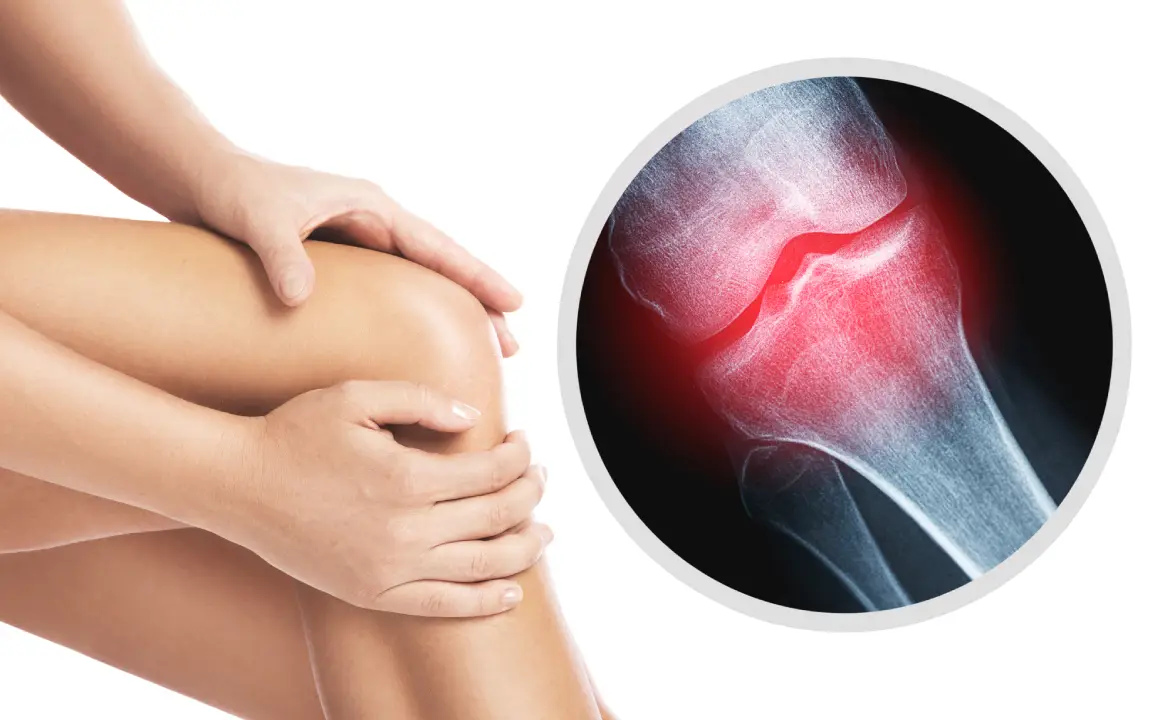
knee pain therapy in Mississauga for long last relief
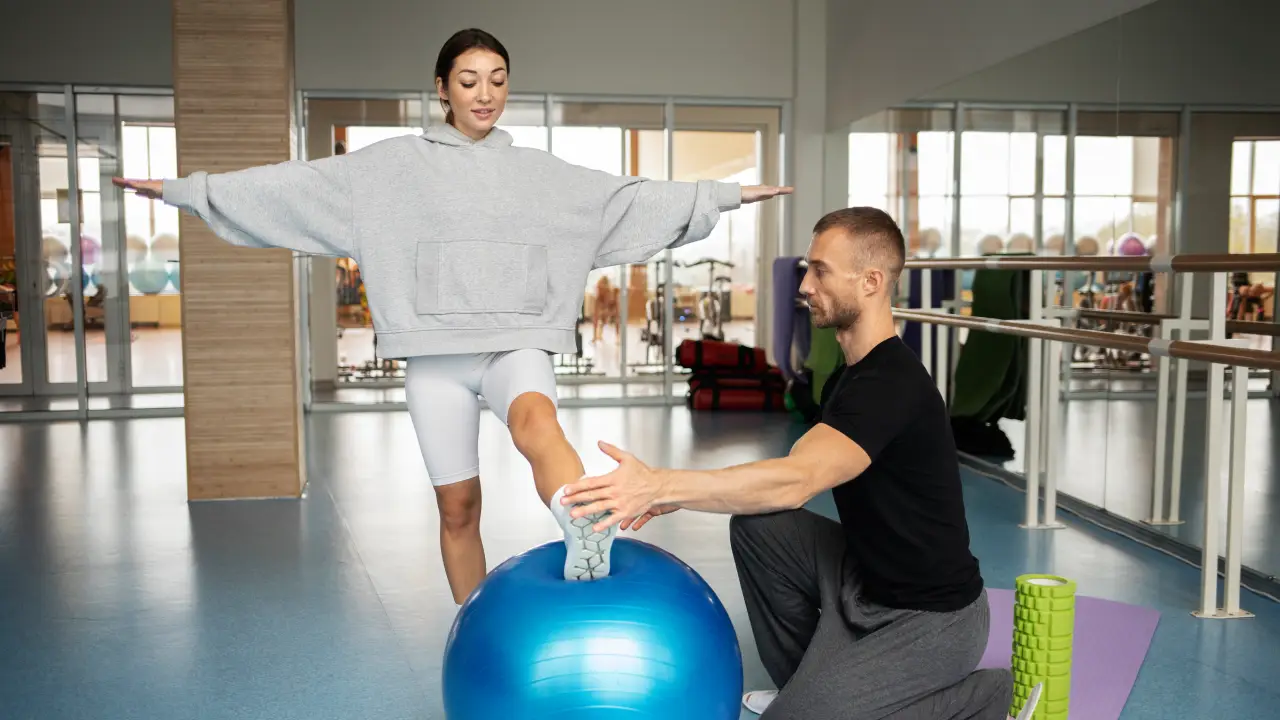
For knee pain therapy in Mississauga, you can find various treatments, such as physiotherapy, chiropractic, decompression, and shockwave therapy, at clinics like Assure Physio and Rehab, focusing on restoring movement through customised plans, strengthening, manual therapy, and addressing underlying alignment issues. Options range from hands-on techniques to advanced technologies, offering non-surgical relief for conditions like arthritis, injuries, and stiffness, often combining approaches for comprehensive care.
Common Therapy Types for knee pain in Mississauga
- Physiotherapy: Focuses on manual therapy, strengthening, stretching, and restoring movement.
- Chiropractic Care: Addresses body alignment, from the back and hips down to the knees, to relieve strain.
- Knee Decompression Therapy: A non-surgical method to release pressure and improve joint flow, good for osteoarthritis and stiffness.
- Shockwave Therapy: Effective for chronic knee pain, using sound waves to promote healing.
What to Expect:
- Personalised Plans: Treatments are tailored to your specific condition, whether it’s arthritis, ligament injury, or general discomfort.
- Holistic Approach: Therapists often look at the whole body (hips, ankles, back) as misalignment can stem from other areas.
- Regain Function: The goal is to reduce pain, improve mobility (walking, stairs), and allow you to return to an active lifestyle.
Common Symptoms of knee pain in Mississauga
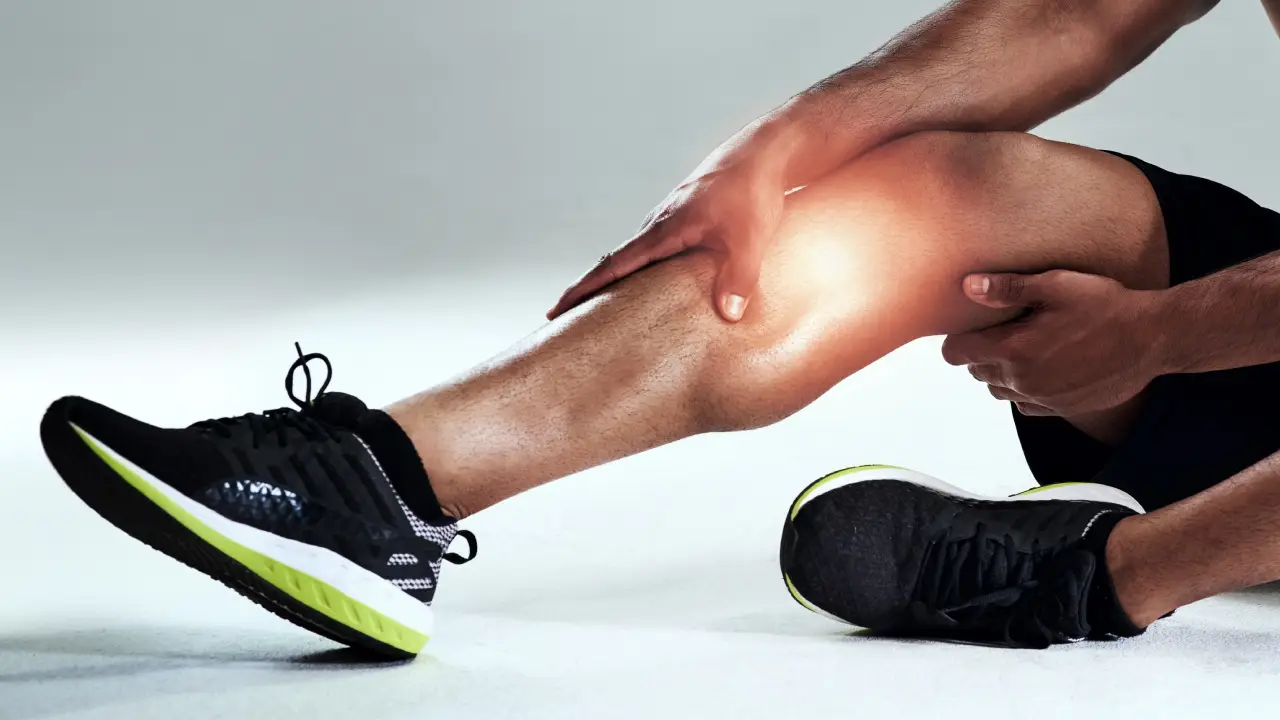
Common knee pain in Mississauga includes persistent pain, swelling, stiffness, clicking/crunching, instability, and reduced motion, and is treated with physiotherapy (manual therapy, exercises), acupuncture, shockwave therapy, bracing, and sometimes medication.
Physiotherapy focuses on strengthening muscles, improving flexibility, and restoring movement through targeted exercises and hands-on techniques.
- Pain: Consistent, worsening with activity, or after rest (stiffness).
- Swelling & Redness: Inflammation or fluid buildup around the joint, sometimes warmth.
- Stiffness: Difficulty bending, extending, or moving the knee, especially after sitting.
- Sounds: Clicking, grinding, or crunching noises during movement.
- Instability: Feeling like the knee might give out or buckle.
- Weakness: Difficulty bearing weight or performing daily tasks like walking or climbing stairs.
When to Seek Professional knee pain therapy in Mississauga
It is advisable to consult a healthcare professional in Mississauga if you experience:
- Persistent or worsening pain that doesn’t improve with rest or self-care measures.
- Difficulty with daily activities like walking, climbing stairs, or standing.
- A recent injury that results in significant swelling, instability, or a decrease in range of motion.
- Recurring knee problems may indicate an underlying issue that needs to be addressed.
- Visible deformity of the joint or a “popping” sound at the time of injury requires immediate medical attention.
How to Find a Provider:
- Search for “Knee Pain Physiotherapy Mississauga” or “Chiropractor Knee Pain Mississauga”.
- Check the clinic websites, like Assure Physio & Rehab, for details on their specific knee treatment.
- Consider specialised services like decompression or shockwave if recommended.
Frequently Asked Questions
Q1: What is knee pain therapy?
A: Knee pain therapy includes treatments like physiotherapy, exercises, manual therapy, and pain management techniques to reduce discomfort and improve mobility.
Q2: What causes knee pain?
A: Common causes include arthritis, injuries, ligament tears, muscle imbalance, overuse, and age-related wear.
Q3: How does physiotherapy help knee pain?
A: It strengthens muscles, improves flexibility, corrects movement patterns, and reduces inflammation.
Q4: What treatments are used for knee pain?
A: Treatments may include manual therapy, strengthening exercises, stretching, ultrasound, shockwave therapy, and cold/heat therapy.
Q5: How long does knee pain therapy take?
A: Many people see improvement within 2–6 weeks depending on the cause and severity.
Q6: Can knee pain go away on its own?
A: Minor strains may improve with rest and self-care, but persistent or severe pain requires professional assessment.
Q7: Should I exercise with knee pain?
A: Gentle, guided exercises can help, but avoid movements that increase pain. A therapist can advise safe options.



 Optimized by Seraphinite Accelerator