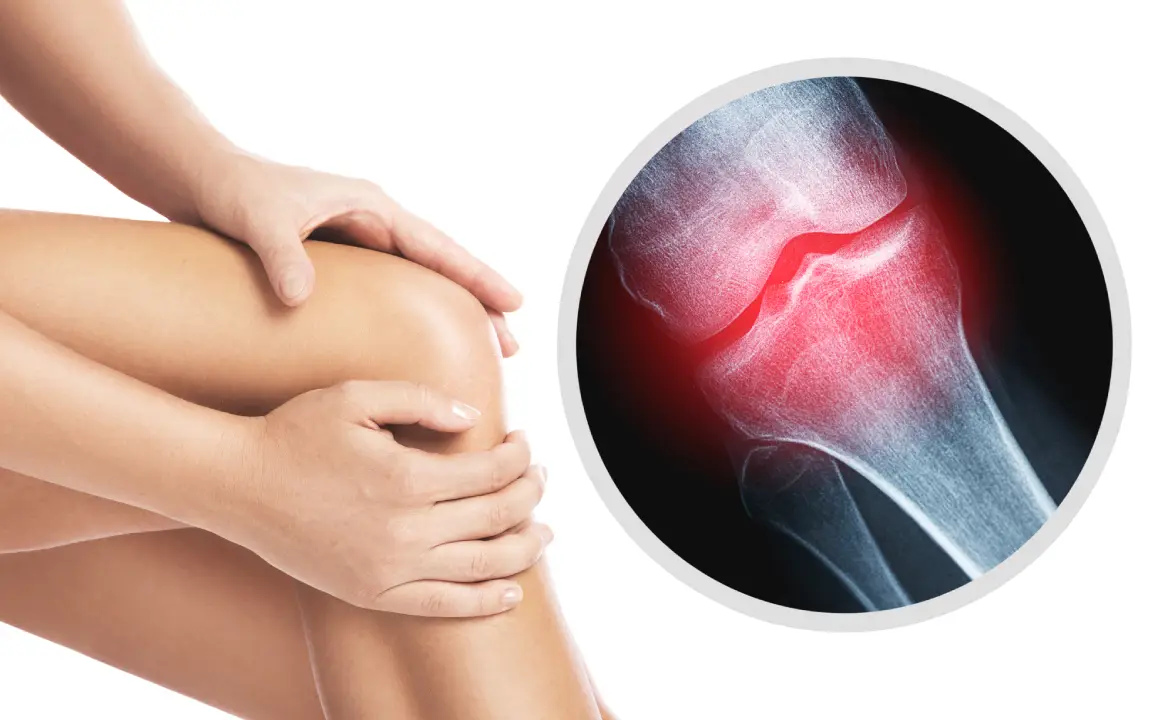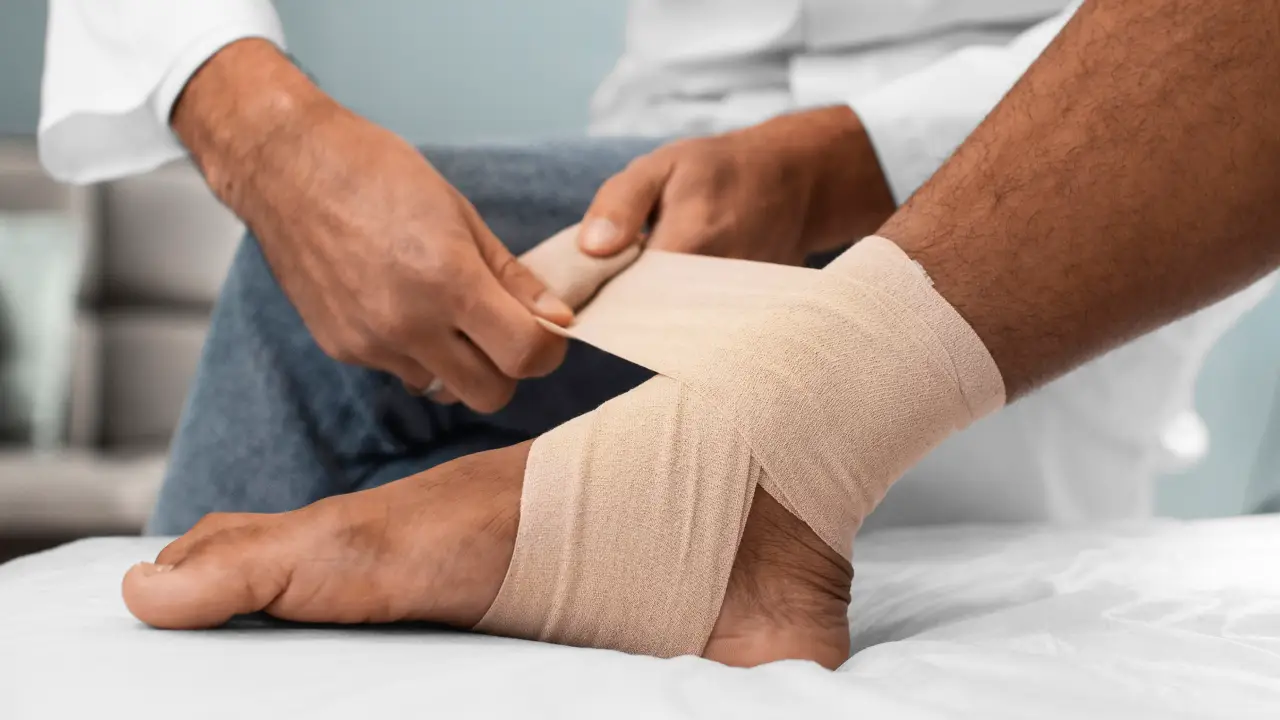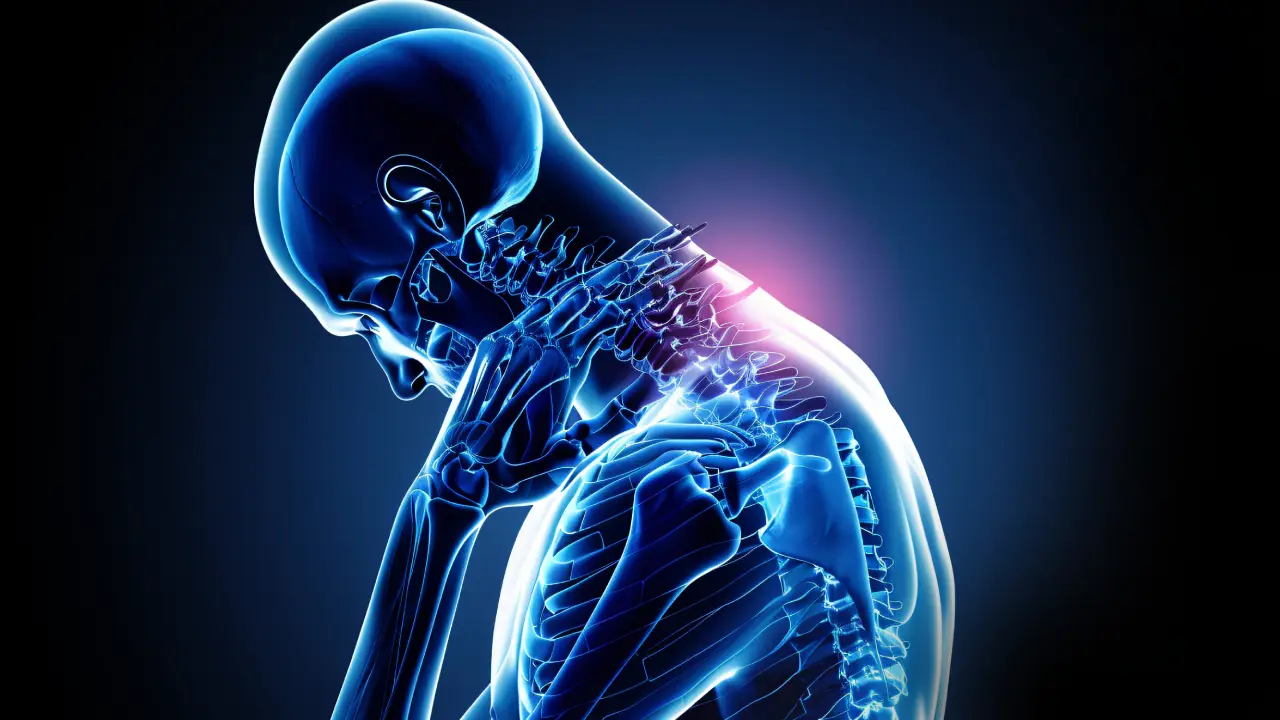

Impaired Mobility refers to a reduced ability to move, which can result from injury, illness, or age-related decline. This condition can affect anyone, regardless of age, and can significantly impact daily life. Individuals with impaired Mobility often struggle with activities such as walking, standing, and completing routine tasks. Even minor limitations can make day-to-day activities challenging and reduce overall quality of life.
Recognizing the signs of impaired Mobility early is essential. Symptoms may include:
These symptoms can vary in severity. Some individuals experience mild limitations that develop gradually, while others face sudden changes due to injury or illness. Regardless of the cause, addressing these issues promptly can make a significant difference in maintaining independence and preventing further complications.
Several factors can contribute to reduced Mobility, including:
Understanding the cause is key to addressing impaired Mobility effectively. A thorough assessment can help identify contributing factors and guide the development of a comprehensive plan to restore movement and functionality.
Impaired Mobility can affect many aspects of life. People may find simple activities, such as getting dressed, cooking, or carrying groceries, difficult. Reduced Mobility can also limit social interaction, as individuals may find it challenging to leave home or participate in community events.
Beyond physical limitations, Mobility issues can affect mental wellbeing. Frustration, anxiety, or feelings of isolation are common when daily tasks require extra effort or assistance. Early intervention can help manage these challenges and support a more active, independent lifestyle.
Our clinic offers a structured, multifaceted approach to addressing Mobility challenges. While traditional physiotherapy plays a role, improving movement often involves a combination of strategies. These may include:
This comprehensive approach addresses both immediate challenges and long-term needs. Customized programs are developed based on individual assessments, focusing on the areas that have the most significant impact on daily life.
Addressing Mobility issues early can prevent further decline and reduce the likelihood of complications. Delaying intervention can cause muscles to weaken, joints to stiffen, and increase the risk of falls. Starting targeted exercises, balance training, and functional support as soon as Mobility challenges arise can help maintain independence and enhance overall wellbeing.
Even minor improvements can have a meaningful impact. For example, regaining the ability to walk short distances without assistance can restore Confidence and allow participation in social or recreational activities. Over time, consistent care can lead to improved physical stability, reduced pain, and increased daily functioning.
It is advisable to seek professional guidance if you notice any of the following:
Early assessment enables a targeted approach that addresses the root causes of Mobility impairment, rather than just the symptoms.
A well-structured program can help individuals:
Our clinic focuses on creating a plan tailored to each person’s needs, ensuring that care goes beyond short-term fixes. The goal is to support ongoing function and make daily life safer and more manageable.
Mobility challenges do not have to define your lifestyle. Simple adjustments, combined with targeted exercise and guidance, can make everyday activities more achievable. Our team helps clients identify areas that need support and offers solutions they can easily apply in their daily lives.
Strategies empower individuals to safely navigate stairs and maintain independence while cooking or shopping, helping them continue living as actively as possible.
If you or a loved one is experiencing challenges with movement, early support can make a difference. Our clinic provides comprehensive assessments, personalized programs, and ongoing support to help you move more safely and confidently. Contact Assure Physio & Rehab today to schedule an evaluation and start improving your Mobility.
Copyright © Assure Physio & Rehab. All Rights Reserved | Privacy Policy | Terms Of Use
Designed & Developed By Convirzon
 Optimized by Seraphinite Accelerator