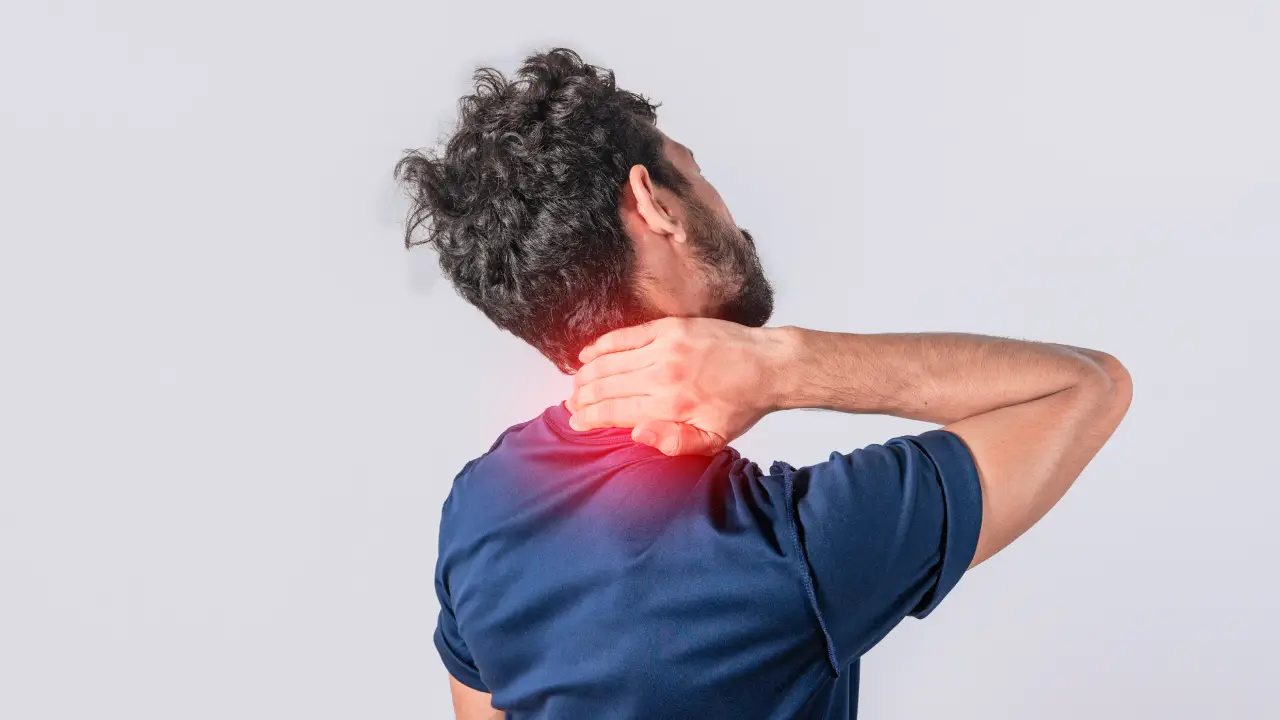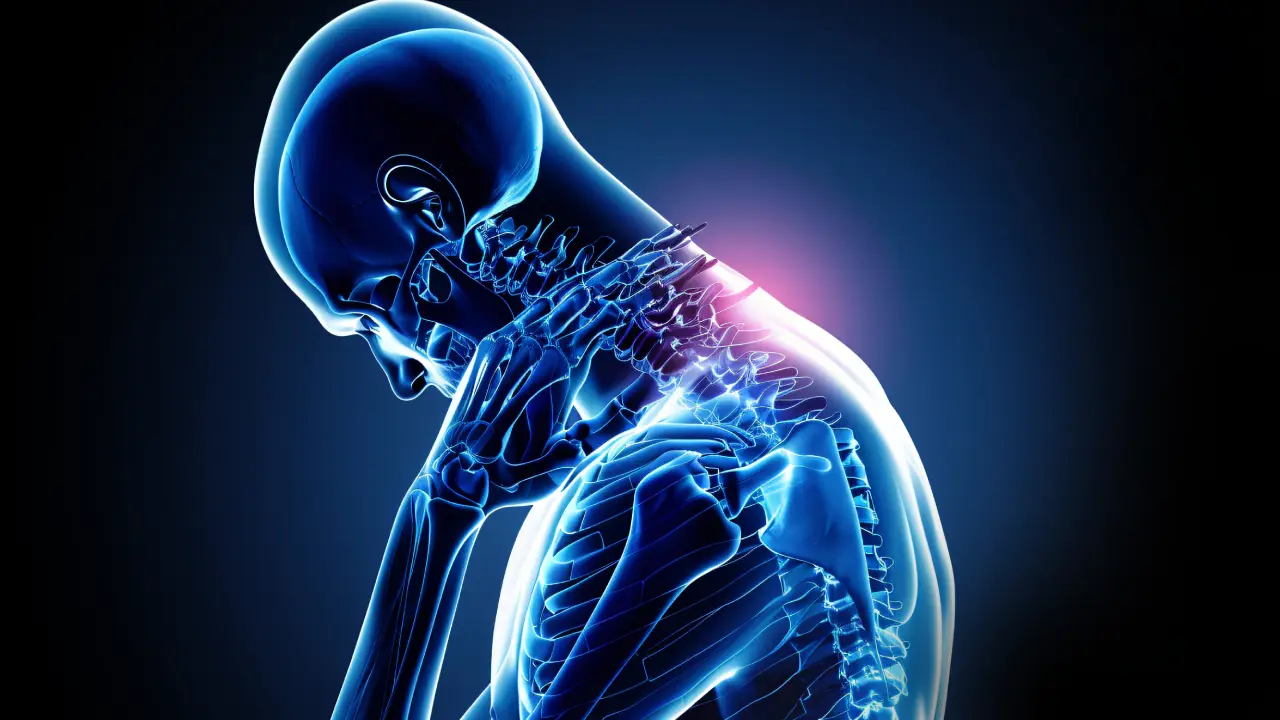

Post-Concussion Syndrome (PCS) occurs when symptoms from a Concussion continue beyond the usual recovery period of a few weeks. Even after the body has healed from the initial injury, lingering effects can continue to impact people’s work, school, daily routines, and recreational activities. These lingering effects often include headaches, dizziness, fatigue, and difficulty concentrating.
A Concussion is a mild traumatic brain injury, but PCS can create challenges that last much longer than expected. The intensity and duration of symptoms differ between individuals, making a personalized plan essential for recovery.
PCS can produce a mix of physical, cognitive, and emotional symptoms, such as:
Not every individual will experience all symptoms, and the intensity of these symptoms may vary over time. The combined effects can make simple tasks exhausting and reduce the overall quality of life.
PCS often arises after a Concussion that initially seemed mild. While the brain may appear to recover quickly, the recovery process for some individuals is slower and more prolonged.
Several factors can contribute to symptoms persisting:
Early attention is essential. Without proper support, symptoms can persist for months, making daily life challenging and impacting performance in work or school.
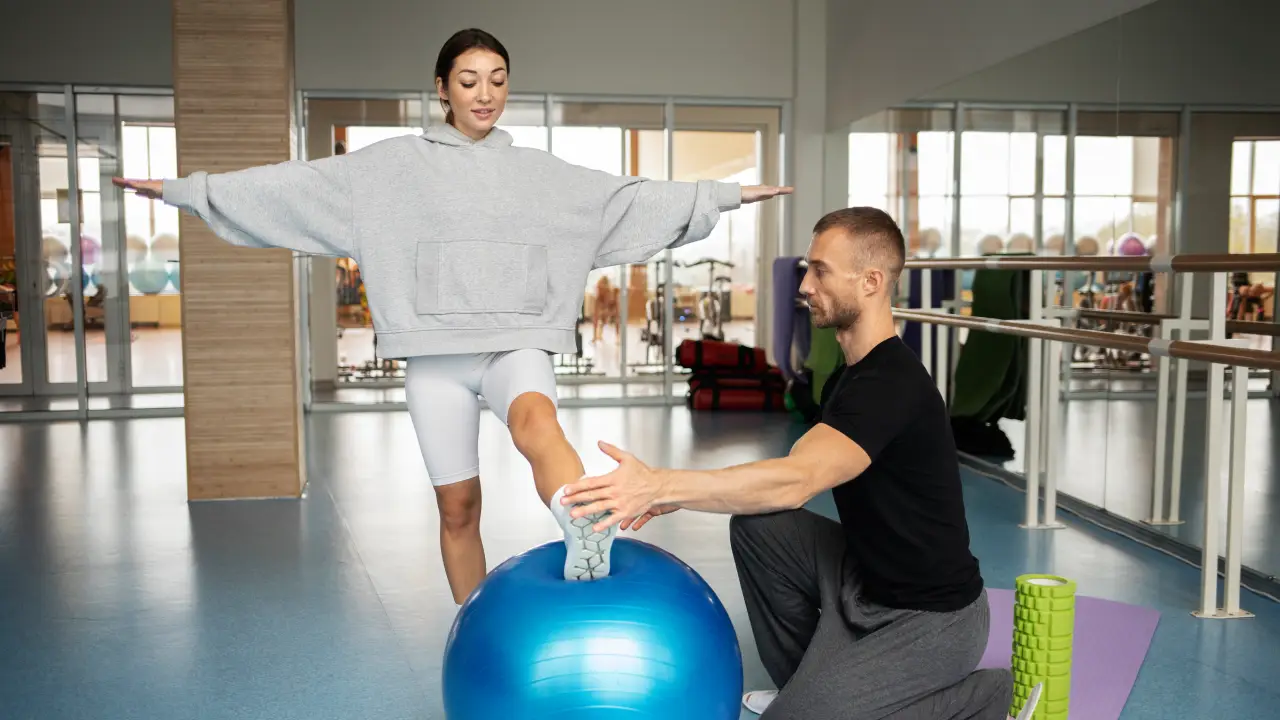
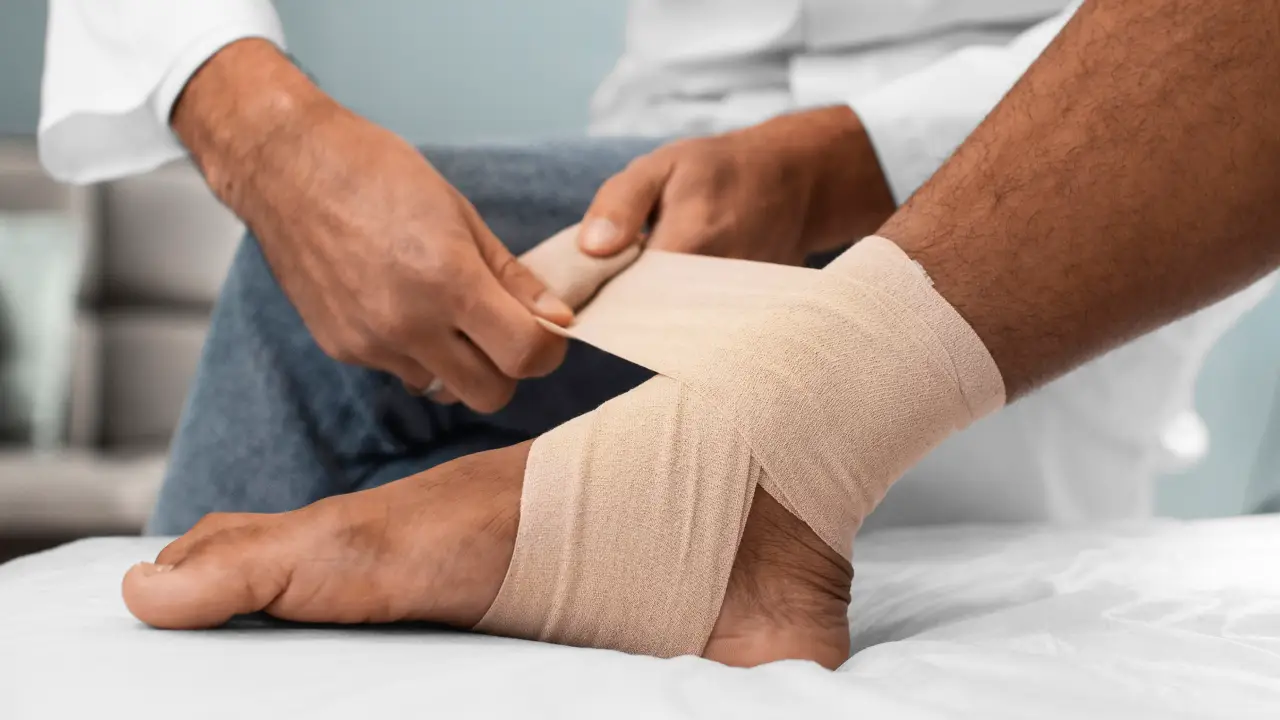
Recovery from PCS typically involves a mix of strategies addressing both physical and cognitive challenges. While physiotherapy can help with balance and Mobility, a comprehensive approach often encompasses multiple aspects.
Because PCS affects each person differently, tailoring a plan to individual needs is crucial for supporting recovery and optimal outcomes.
Left untreated, PCS symptoms can persist for months, potentially causing chronic headaches, fatigue, difficulty concentrating, and emotional challenges. Early attention allows professionals to identify the most affected areas and implement strategies to reduce the impact on daily life.
Prompt care also helps prevent additional issues such as prolonged sleep disturbances, frustration, or anxiety. Seeking help as soon as symptoms persist increases the chances of a smoother recovery.
People experiencing lingering Concussion symptoms should consider professional assessment, particularly if they notice:
Even mild, ongoing symptoms warrant professional attention to ensure a safe and effective recovery.
Recovery is most effective when it combines physical rehabilitation with cognitive support, lifestyle adjustments, and emotional care. This approach addresses the multiple challenges PCS can present.
Targeted exercises, guided cognitive strategies, and a gradual return to daily tasks help restore function and Confidence. Ongoing monitoring and adjustments to the recovery plan ensure the process remains aligned with progress.
Recovery from PCS is gradual, but with professional guidance, individuals can regain control of daily life and reduce the intensity of lingering symptoms. A professional assesses each person to tailor strategies to their specific needs, recognizing that every recovery process is unique and individualized. Our clinic collaborates with individuals experiencing lingering symptoms after a Concussion to identify challenges, implement targeted strategies, and monitor progress throughout the recovery process.
If lingering Concussion symptoms are affecting your daily life, contact Assure Physio & Rehab today to book an assessment and begin a guided recovery plan.
Copyright © Assure Physio & Rehab. All Rights Reserved | Privacy Policy | Terms Of Use
Designed & Developed By Convirzon
 Optimized by Seraphinite Accelerator