
Maintaining stability while standing or walking is something most people take for granted. For some, however, balance challenges can disrupt daily life, creating uncertainty and increasing the risk of falls. These issues may arise from various causes, including inner ear disturbances, neurological conditions, or musculoskeletal concerns. Identifying and addressing balance problems early is crucial to preventing injuries and maintaining independence.
Balance difficulties often present in subtle ways at first. Individuals may notice occasional unsteadiness when moving from one surface to another, or feel lightheaded when turning their head. Common signs include:
These symptoms can worsen over time if left unaddressed, making everyday tasks such as climbing stairs, navigating uneven terrain, or simply moving around the home more difficult and potentially dangerous.
Balance is a complex process that involves the brain, inner ear, muscles, and sensory feedback from the body. Disruption in any of these systems can lead to difficulty maintaining stability.
You should not ignore even mild balance challenges. Falls are a leading cause of injury, particularly among older adults, and can result in fractures, head injuries, or long-term Mobility restrictions. Beyond physical harm, balance problems can affect Confidence, independence, and quality of life. Individuals may avoid social interactions or physical activities due to a fear of falling, which can negatively impact their overall health and wellbeing.
Addressing balance issues helps reduce the risk of injury, improves Confidence in movement, and supports continued participation in daily activities. Early evaluation allows for a tailored approach that considers the underlying causes and personal circumstances of each individual.
A thorough assessment is the first step in identifying the root of balance difficulties. Evaluations may include:
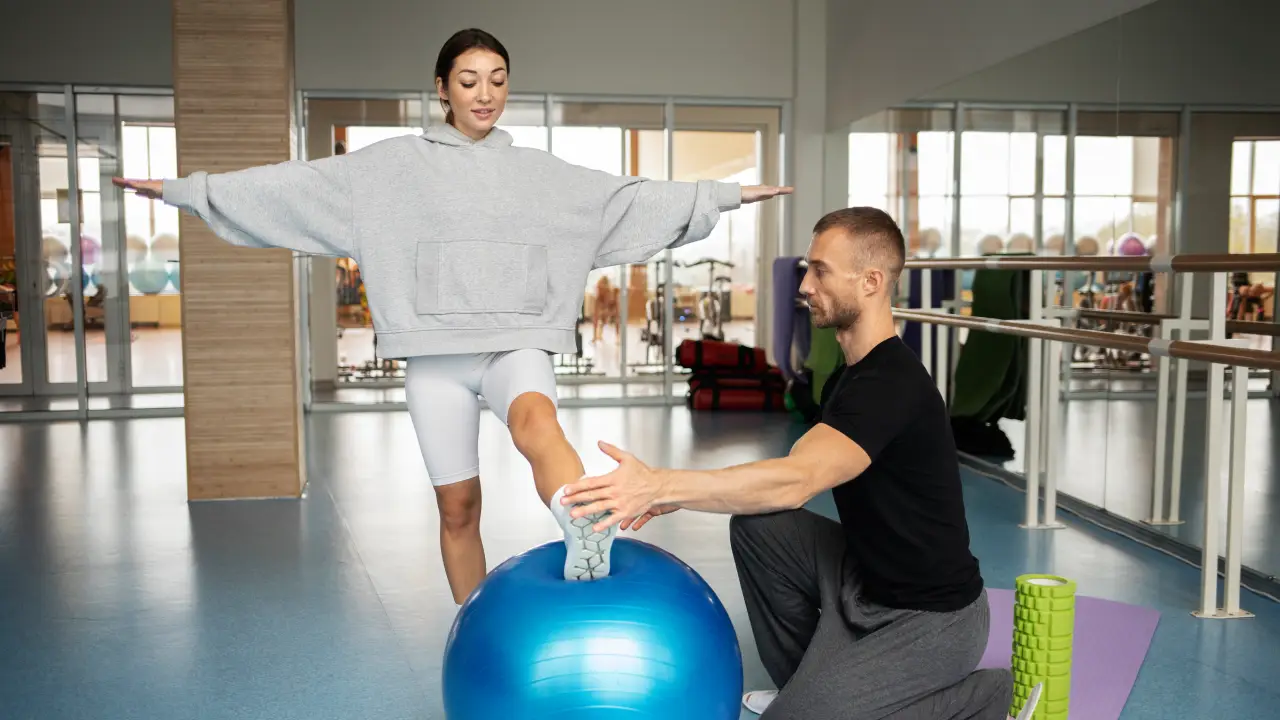
Once we identify the contributing factors, a combination of interventions can help restore stability. Exercises targeting core strength, leg muscle endurance, and joint Mobility improve the body’s ability to respond to movement changes. Vestibular rehabilitation techniques can address inner ear dysfunction, while balance training helps enhance coordination and postural control.
Lifestyle adjustments may also play a role. Removing tripping hazards at home, using supportive footwear, or incorporating assistive devices can create a safer environment. In some cases, collaboration with medical professionals for Medication review or management of underlying conditions is necessary.
Balance problems are not only a physical concern; they also affect Confidence and independence. Individuals may develop anxiety about falling, which can lead to reduced activity levels. A structured program that gradually challenges stability in a controlled way helps rebuild Confidence and promotes safe movement.
Regular practice and consistent engagement in balance exercises are essential. Progress is often gradual, but with ongoing support, individuals can experience measurable improvements in stability, Mobility, and overall functional ability.
You should seek evaluation if you experience persistent or worsening balance issues, sudden dizziness, fainting, or the onset of new neurological symptoms. Timely assessment enables the development of targeted strategies that address both immediate risks and long-term Mobility needs.
You should monitor even mild symptoms. Early intervention can prevent minor balance issues from becoming major concerns and reduce the likelihood of falls and related injuries.
At our clinic, we provide a structured approach to balance management that combines physical assessment, targeted exercises, and lifestyle guidance. Each plan addresses the underlying causes of instability while promoting safe, functional movement. Support includes strength and coordination exercises, vestibular training, and strategies to reduce fall risk in daily life.
By focusing on both the physical and practical aspects of balance, we aim to restore stability, increase Confidence, and help individuals maintain independence in their day-to-day activities.
Take the first step toward steady movement and fall prevention—contact Assure Physio & Rehab today to schedule an assessment and begin a plan that addresses your balance challenges.
Copyright © Assure Physio & Rehab. All Rights Reserved | Privacy Policy | Terms Of Use
Designed & Developed By Convirzon
 Optimized by Seraphinite Accelerator