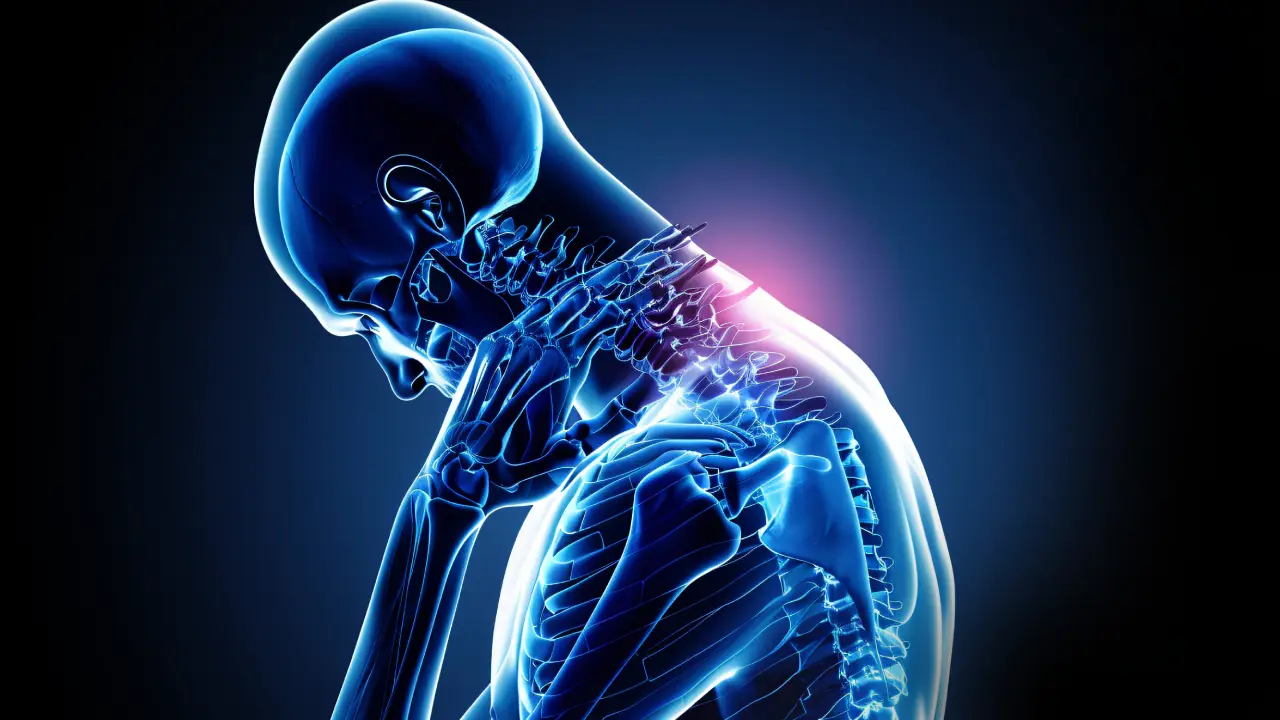

Damage to the spinal cord can result in partial or complete loss of movement and sensation below the level of injury. The spinal cord is a vital communication pathway between the brain and the rest of the body, and any disruption can have significant effects on Mobility, strength, and bodily functions.
Spinal cord injuries present in several ways, depending on the severity and location of the injury:
Prompt evaluation after injury is essential to assess the extent of damage and determine an appropriate care plan.
Spinal cord injuries can occur from a variety of incidents, including:
Certain factors, including age, overall health, and the nature of the injury, can impact recovery outcomes. Recognizing these risks early allows for more effective intervention and support.
Early medical and rehabilitative intervention is crucial for people with spinal cord injuries. Timely care can:
Medical teams often work in conjunction with rehabilitation specialists to establish a tailored program addressing the individual’s physical, functional, and lifestyle needs.
Recovery after a spinal cord injury involves a comprehensive approach that goes beyond standard therapy. Key elements include:
Recovery is often gradual, requiring ongoing assessment and adjustment of therapy plans to match progress and changing needs.
People with spinal cord injuries are at increased risk for secondary health concerns. Addressing these proactively can enhance recovery and overall wellbeing:
By approaching recovery from multiple angles, individuals can achieve the best possible outcomes and maintain independence within their capabilities.
Modern advances in adaptive equipment and technology have expanded the options for those recovering from spinal cord injuries. Tools such as standing frames, specialized wheelchairs, and robotics-assisted training devices support Mobility, enhance participation in daily activities, and maintain physical health. Access to these tools, combined with professional guidance, can significantly influence functional gains.
No two spinal cord injuries are the same, which is why individualized programs are essential. Clinicians closely monitor progress and adjust exercises to accommodate changes in strength, endurance, and function. The team collaborates across disciplines to comprehensively address each aspect of recovery, from Mobility to autonomic function.
Long-term outcomes depend on preventing complications that can arise from prolonged immobility or reduced function. Regular assessments, proper positioning, targeted exercises, and education for caregivers and family members play a key role in reducing risks and promoting safety.
Living with a spinal cord injury often involves adapting to a new routine and finding effective ways to maintain independence. Support networks, community programs, and ongoing rehabilitation services help individuals re-engage with their personal, social, and professional lives. Over time, many people regain meaningful levels of function and achieve a stable quality of life.
At our clinic, we combine professional guidance with a structured, evidence-informed approach to help patients manage the effects of spinal cord injuries. While recovery can be gradual and requires dedication, structured programs, adaptive strategies, and supportive care can create significant improvements in function and daily living.
If you or a loved one has experienced a spinal cord injury, early intervention can make a significant difference. Contact Assure Physio & Rehab to explore tailored support options, learn about adaptive equipment, and begin a structured plan that addresses physical function, Mobility, and overall wellbeing.
Copyright © Assure Physio & Rehab. All Rights Reserved | Privacy Policy | Terms Of Use
Designed & Developed By Convirzon
 Optimized by Seraphinite Accelerator