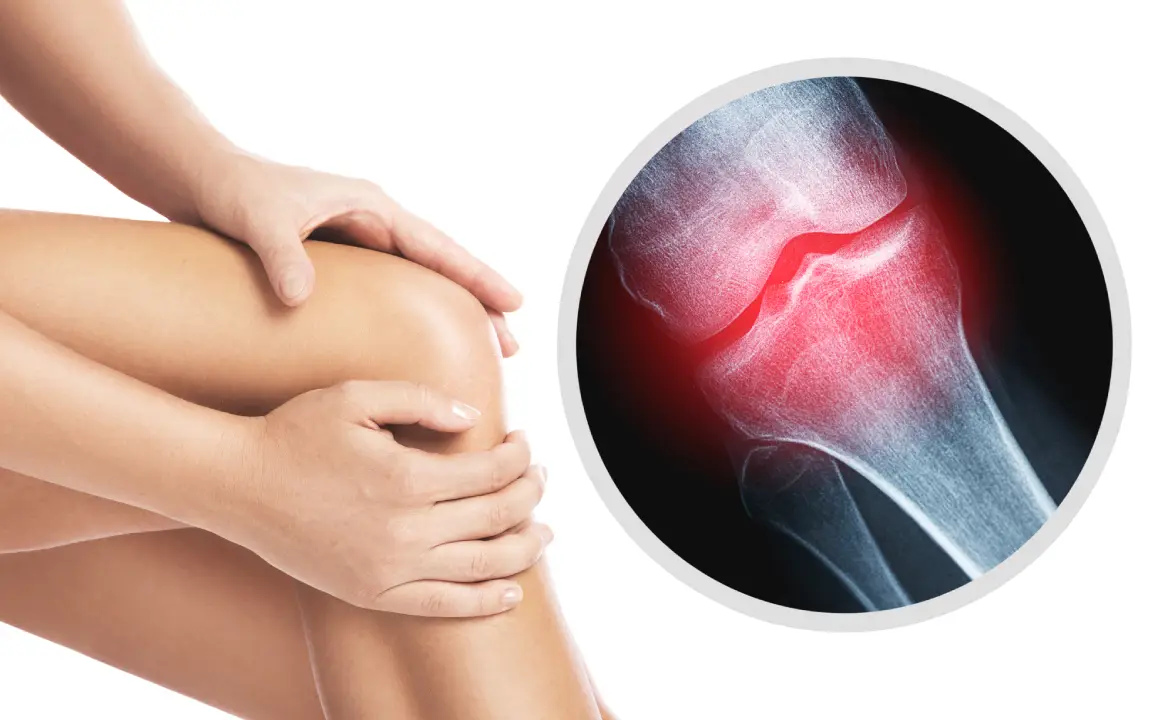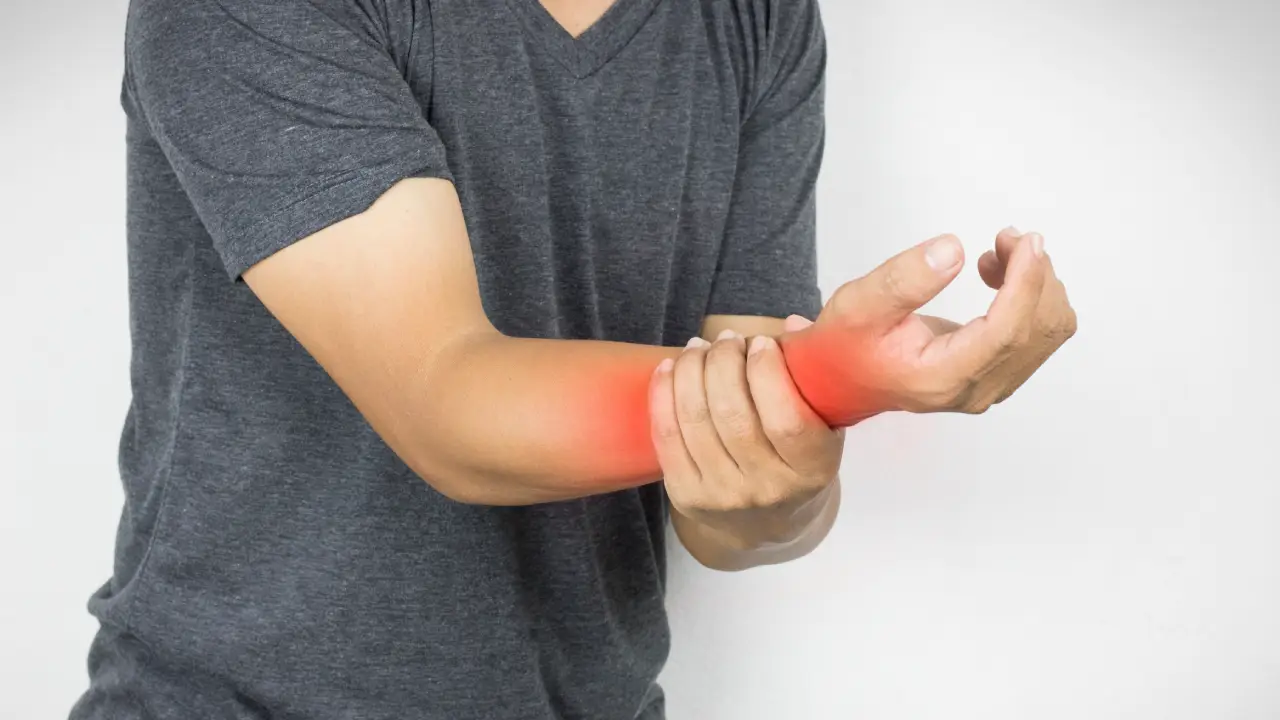

After undergoing Surgery, many patients face a range of physical challenges. Weakness, stiffness, limited Mobility, and discomfort are everyday experiences. These effects can vary depending on the type of Surgery, age, pre-existing conditions, and overall health. For some, even simple daily tasks like walking, climbing stairs, or lifting objects can feel overwhelming.
The impact of Surgery extends beyond the surgical site. Muscle loss from inactivity, reduced joint flexibility, and decreased endurance often contribute to fatigue and difficulty resuming everyday routines. Additionally, improper movement patterns during recovery can increase the risk of further injury or prolonged discomfort. Recognizing these challenges early is crucial for a smoother and safer recovery.
Patients recovering from Surgery may notice several key symptoms that signal the need for focused intervention:
These symptoms are often temporary but can become persistent if not appropriately addressed. Early support and structured rehabilitation play a key role in regaining Mobility and Confidence.
Different surgical procedures present unique recovery requirements. Common categories include:
Each surgical category requires a tailored approach to recovery, emphasizing safe progression and gradual improvement.
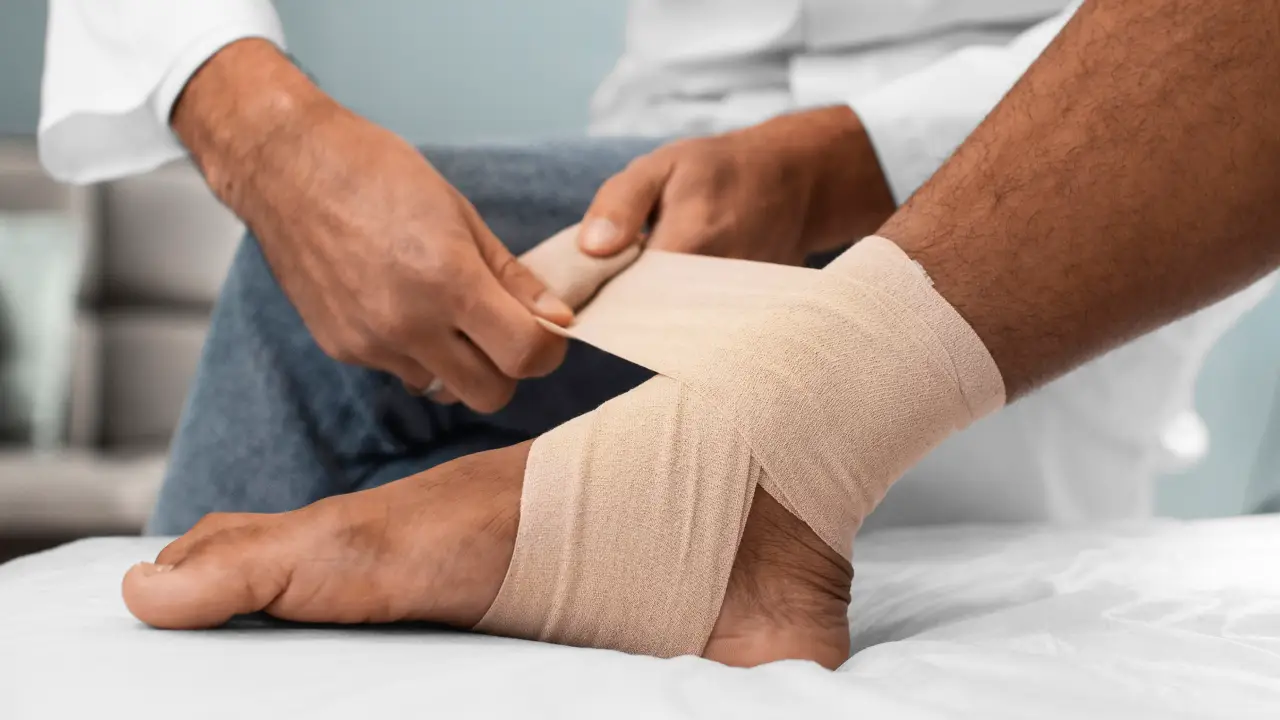
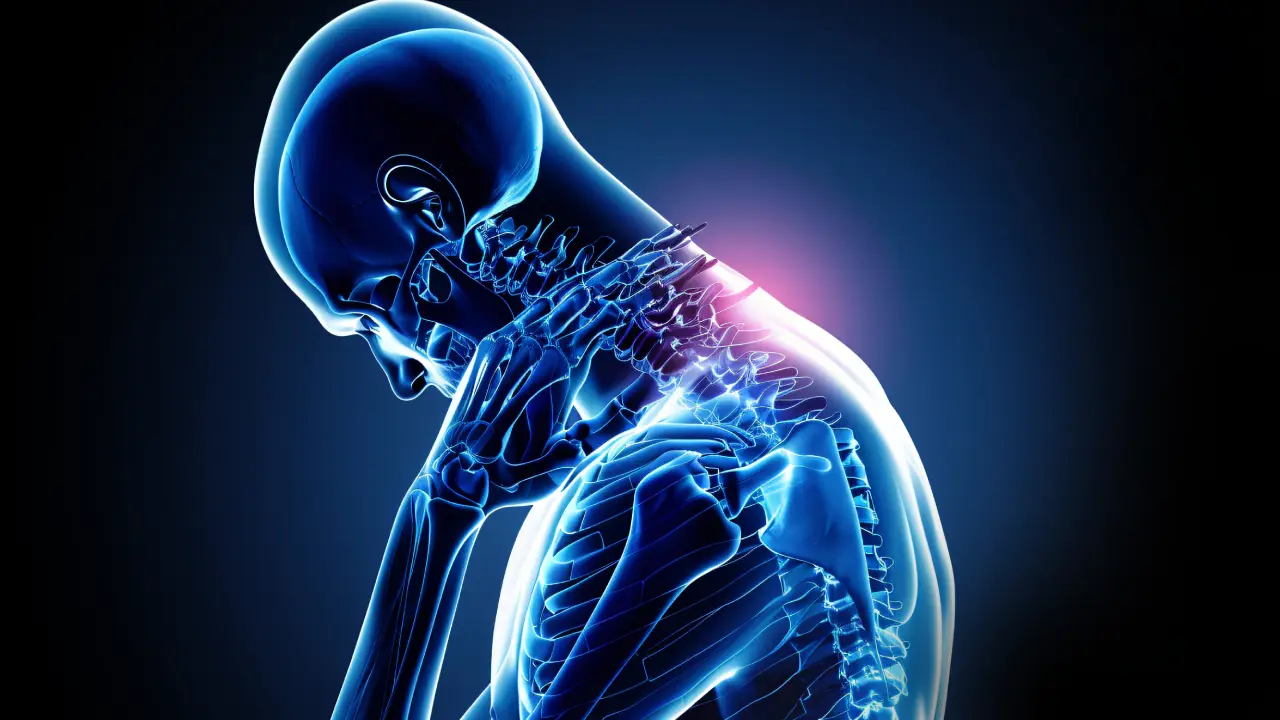
Proper care after Surgery is more than just pain management. It involves restoring function, preventing complications, and supporting the body’s healing process. Without structured intervention, patients may experience prolonged weakness, joint stiffness, or recurring pain. In some cases, lack of attention during recovery can lead to secondary injuries, poor Posture, or reduced quality of life.
Post-surgical care typically focuses on:
A structured recovery program helps the body adapt efficiently, reducing the risk of complications and supporting long-term wellbeing.
Patients who follow a structured recovery plan often experience:
Even small, consistent steps during recovery can have significant long-term benefits, promoting a smoother transition back to daily life.
Surgery can physically challenge patients, and they should not overlook its emotional and psychological effects. Post-surgical fatigue, frustration with slower progress, and fear of reinjury can impact overall motivation and wellbeing. Addressing these factors through patient-centred care and guidance can help maintain engagement and adherence to recovery routines. Encouraging patients to celebrate minor improvements can strengthen resilience and determination throughout the process.
While some recovery can occur independently, professional support is often essential for optimal outcomes. Look for these signs that indicate :
Early intervention ensures that patients regain function safely and avoid complications that could slow the healing process.
Effective post-surgical care takes into account the individual’s specific Surgery, physical condition, and lifestyle. Assessment of range of motion, strength, and Mobility provides a roadmap for targeted recovery strategies. A gradual progression of exercises and activities ensures that the body adapts safely, striking a balance between activity and rest. Combining movement with other supportive techniques can enhance circulation, reduce discomfort, and improve overall recovery efficiency.
Recovery after Surgery is a critical period where the right approach can make a significant difference in outcomes. Regaining independence, Mobility, and strength requires patience, structured progression, and ongoing monitoring. By addressing both physical and functional challenges, patients can return to their daily activities with greater Confidence and reduced risk of setbacks.
At Assure Physio & Rehab, our clinic offers comprehensive post-surgical support tailored to individual needs. We focus on helping patients restore movement, strength, and functionality while effectively managing discomfort. Our team guides each patient through a gradual recovery plan, ensuring progress is safe and sustainable.
Suppose you or a loved one is facing challenges after Surgery. In such cases, our clinic can provide the necessary support to help regain Mobility and return to daily life. Contact us today to schedule an appointment and begin your recovery journey.
Copyright © Assure Physio & Rehab. All Rights Reserved | Privacy Policy | Terms Of Use
Designed & Developed By Convirzon
 Optimized by Seraphinite Accelerator