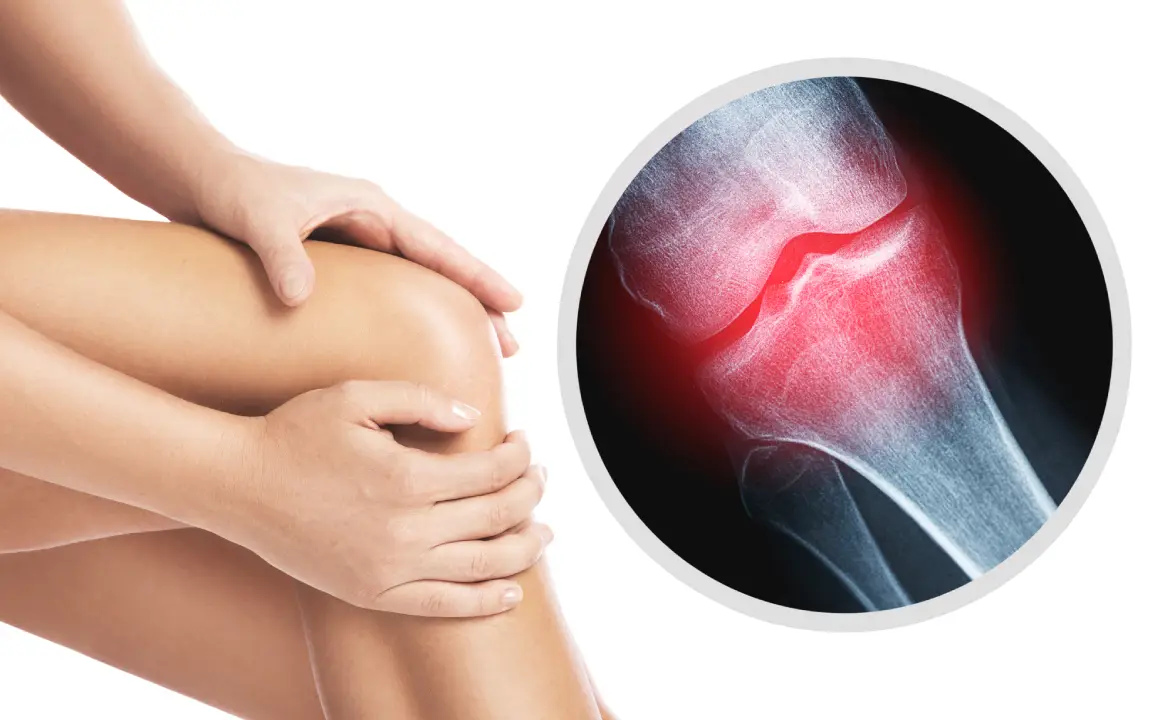

Muscle sprains and strains are common injuries that can affect people of all ages and activity levels. They can occur during sports, daily activities, or even simple movements that involve sudden force or overextension. People often misunderstand these injuries, but they affect different tissues and require different management approaches.
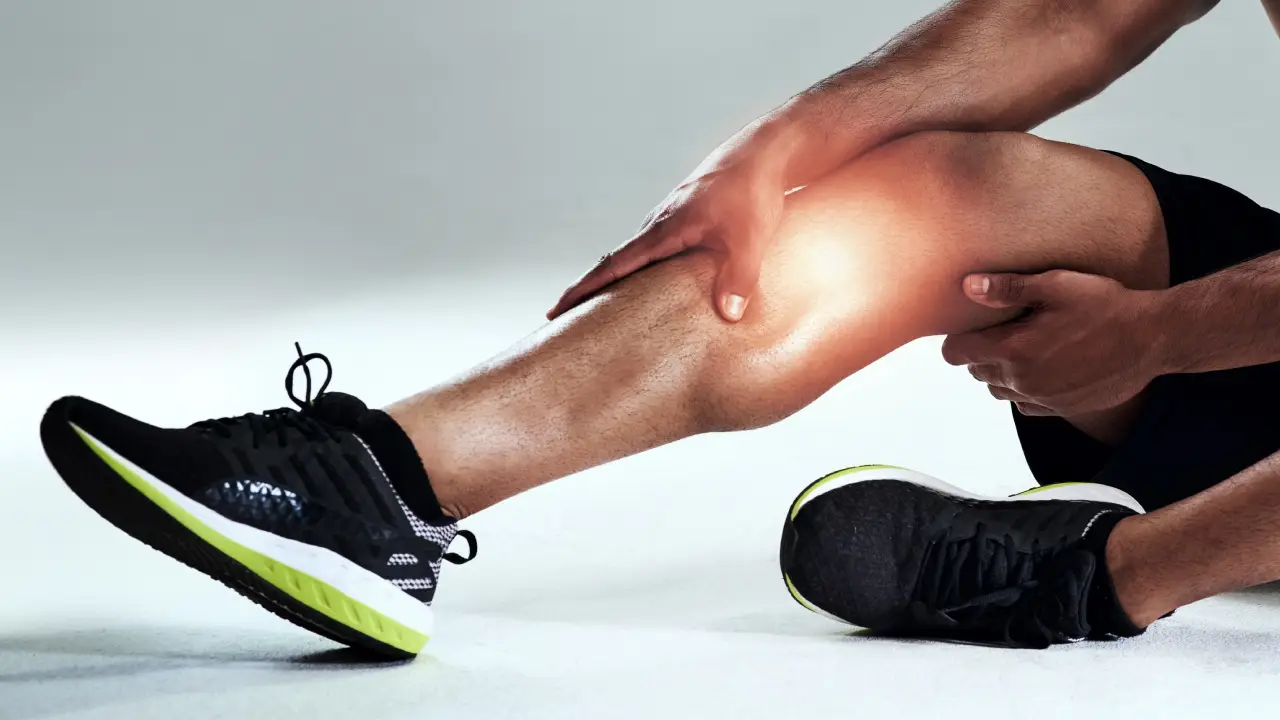
Sprains involve ligaments, the tough bands of tissue that connect bones at a joint. Strains, on the other hand, involve muscles or tendons, the fibrous tissues that connect muscles to bones. Both types of injuries can result from sudden movements, repetitive motions, or direct trauma. Activities such as lifting heavy objects, twisting an ankle, or overexerting during exercise can trigger these injuries.
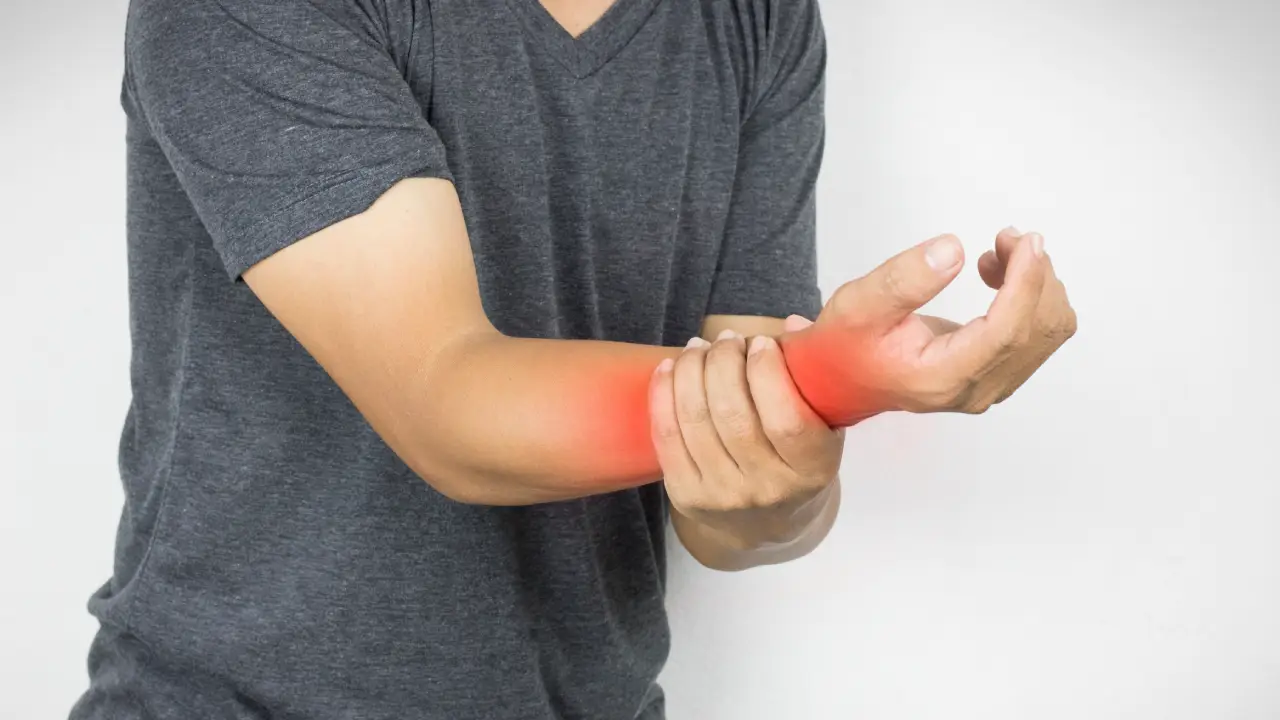
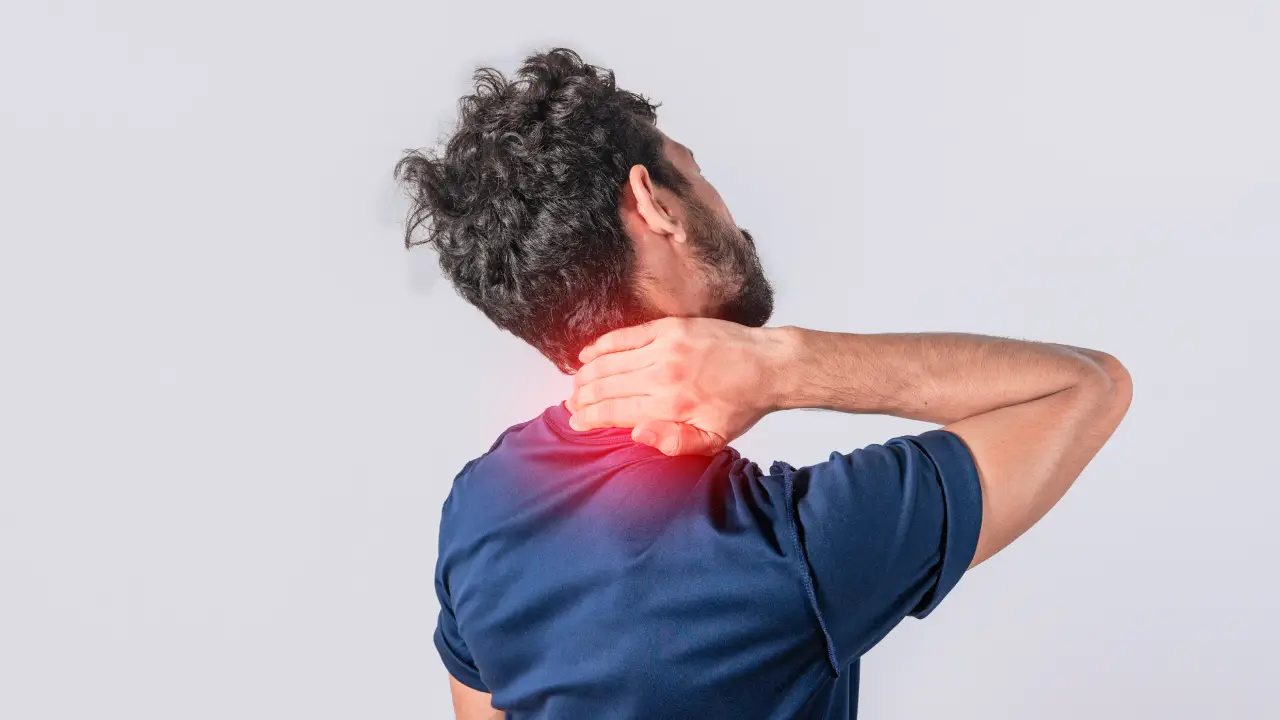
Muscle sprains and strains typically present with a range of symptoms that can vary depending on the severity of the injury:
Recognizing these symptoms early is crucial. Ignoring a sprain or strain can lead to worsening pain, a prolonged recovery, and an increased risk of recurring injuries.
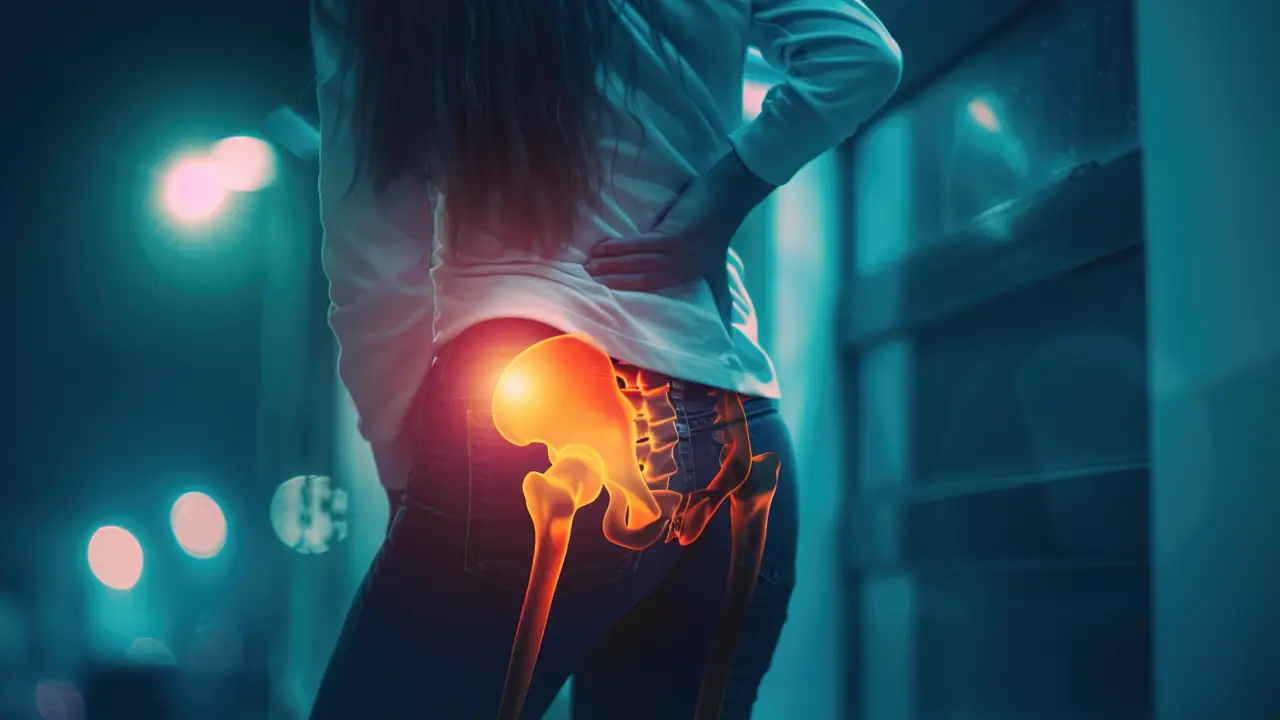
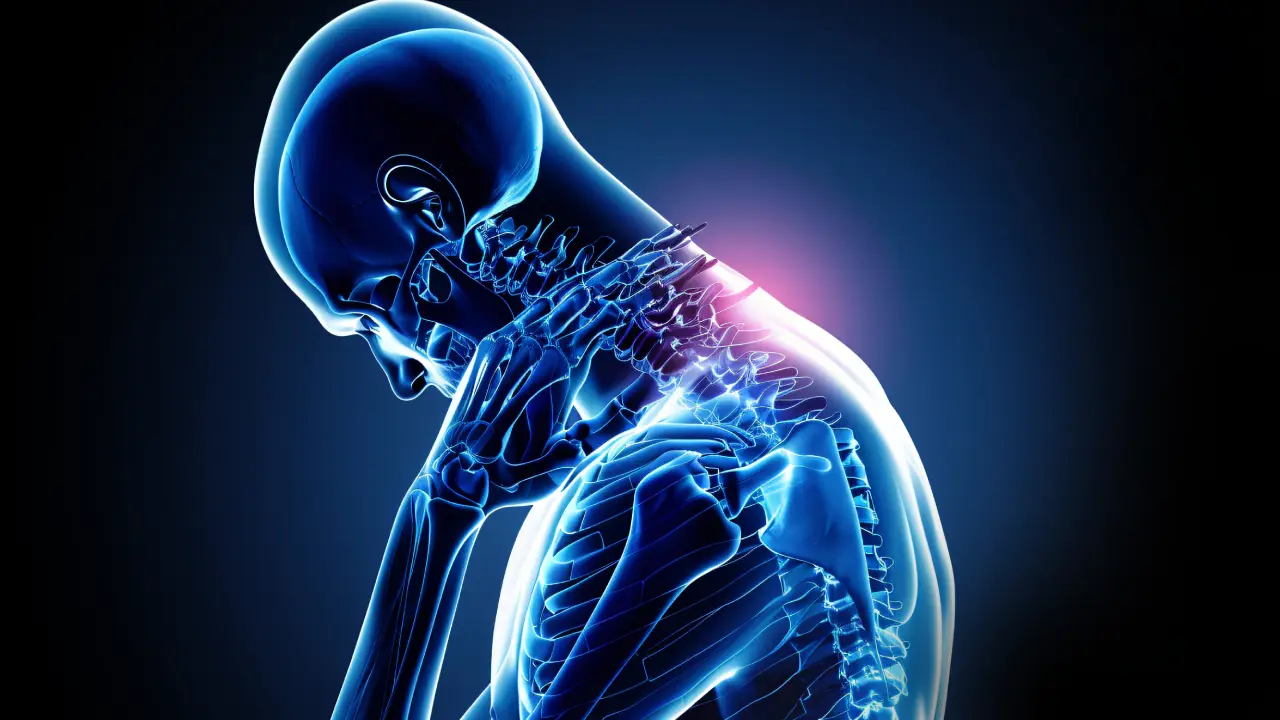
Sprains and strains can occur in virtually any part of the body, but are most frequently seen in the ankles, knees, wrists, and back. Some common causes include:
While many sprains and strains heal with time and basic care, some cases may lead to longer-term problems if not appropriately addressed. Chronic pain, joint instability, and limited Mobility can develop, affecting overall function and quality of life. Severe strains may result in partial or complete muscle tears, and severe sprains can damage ligaments to the point that surgical intervention is necessary.
Repeated injuries in the same area are also a concern. Without appropriate recovery, scar tissue can form, which can reduce flexibility and increase the likelihood of reinjury. Early and careful management is key to preventing these outcomes and restoring normal function.
Identifying the severity of a sprain or strain is essential for effective care. A thorough assessment typically includes:
Accurate diagnosis enables the creation of a treatment plan tailored to the type and severity of the injury.
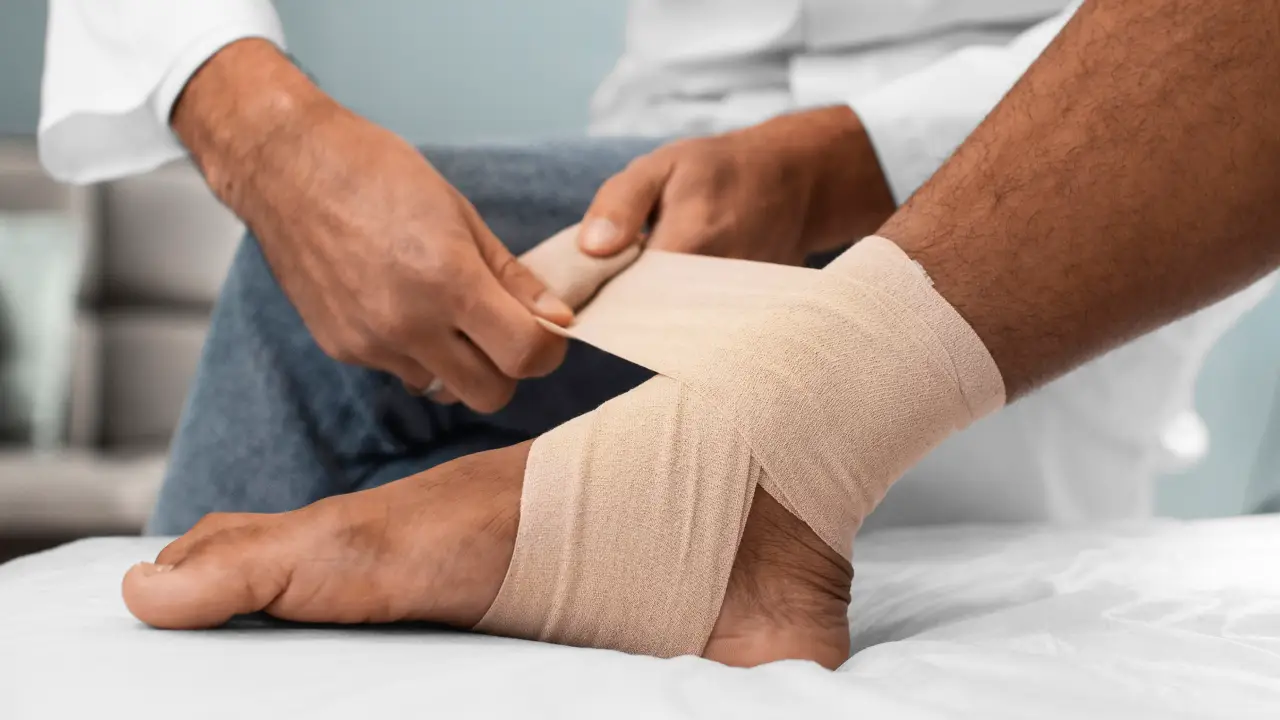
Recovery from sprains and strains involves multiple strategies that address pain Relief, tissue healing, and functional restoration. These include:
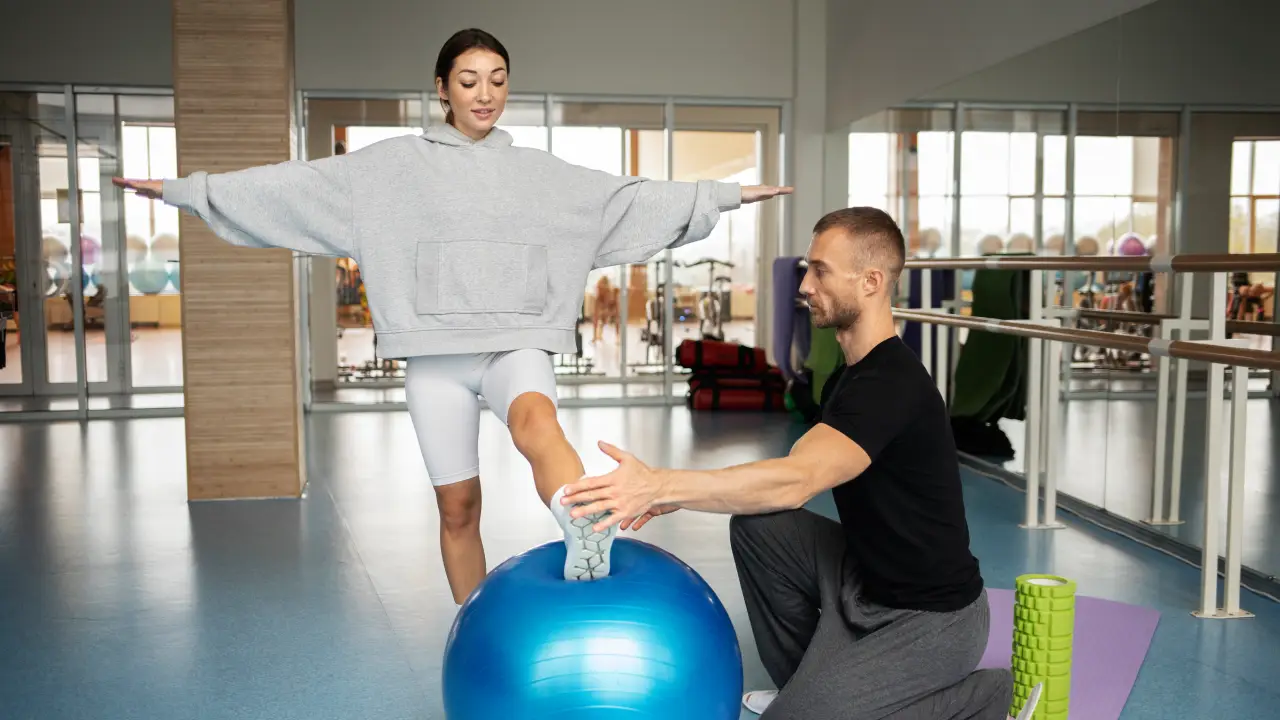
Once you control the initial pain and swelling, you should gradually reintroduce movement. Gentle stretching and strengthening exercises help restore range of motion, build muscle support, and improve stability. Failing to address this phase may result in stiffness, weakness, and slower recovery.
Preventive measures are essential for anyone who has experienced a sprain or strain. Strategies to reduce the risk of recurrence include:
You can significantly reduce the likelihood of reinjury by combining careful activity management with appropriate strengthening and Mobility routines.
Prompt attention to sprains and strains ensures faster recovery and reduces the risk of chronic issues. Even mild injuries can interfere with daily activities, work, or recreational pursuits if left untreated. Proper assessment and early intervention improve healing outcomes, helping individuals regain strength and Mobility more efficiently.
At our clinic, treatment goes beyond simple rest. We approach each case with strategies that support recovery while addressing functional limitations. Through personalized rehabilitation plans, patients can safely and confidently return to their regular activities.
Seek professional evaluation if any of the following occur:
Timely intervention allows for precise care and reduces the risk of long-term complications.
Muscle sprains and strains can significantly impact daily life, but with the right approach, recovery is achievable. At Assure Physio & Rehab, our team conducts thorough assessments, implements targeted treatment strategies, and guides patients in a safe and gradual return to activity. If you are experiencing pain, swelling, or restricted movement due to a sprain or strain, contact us today to schedule an appointment and start your recovery journey.
Copyright © Assure Physio & Rehab. All Rights Reserved | Privacy Policy | Terms Of Use
Designed & Developed By Convirzon
 Optimized by Seraphinite Accelerator