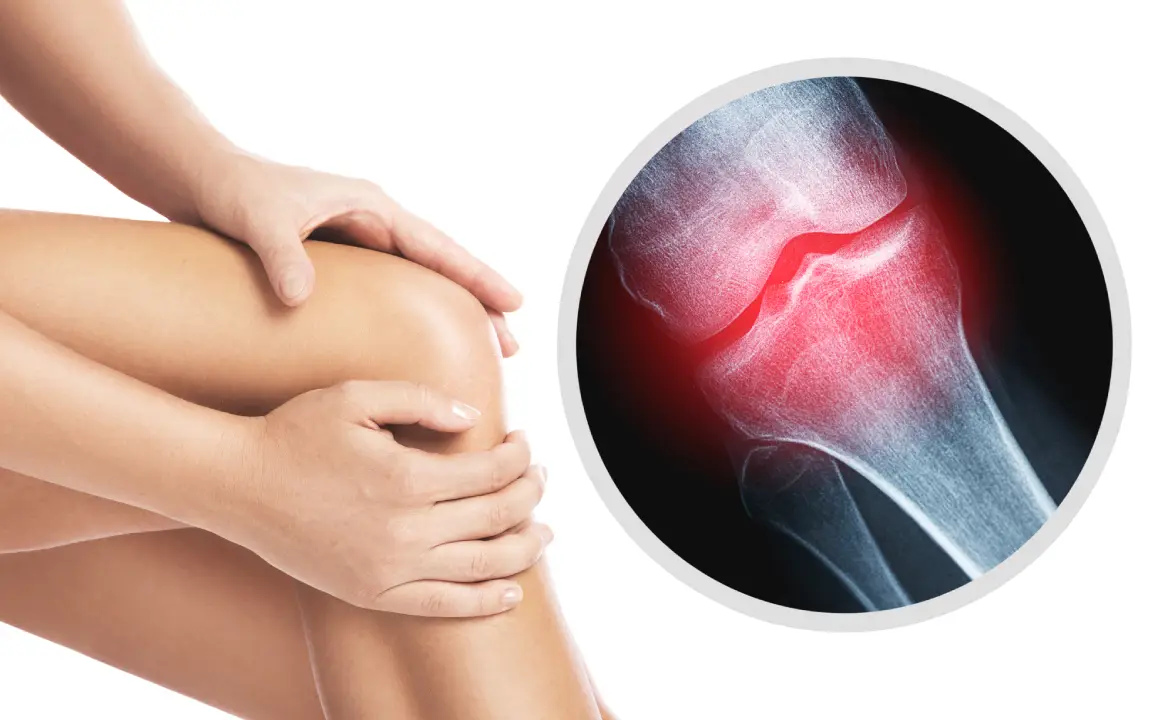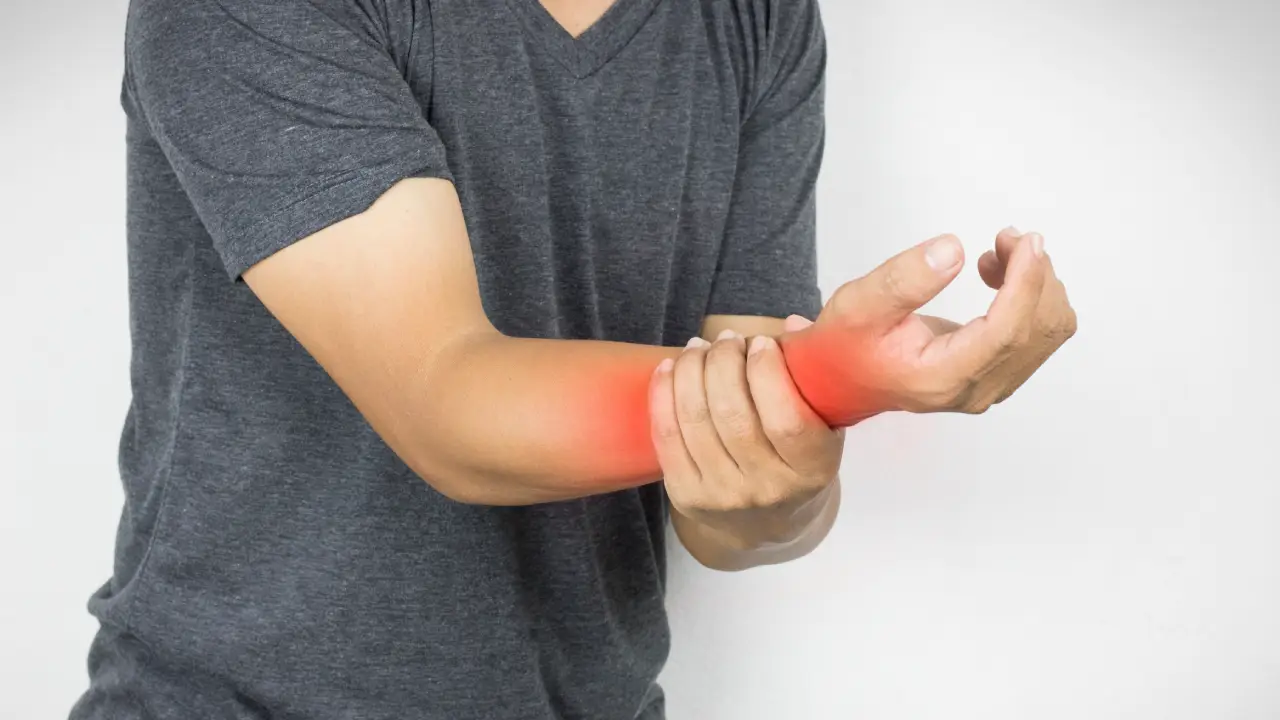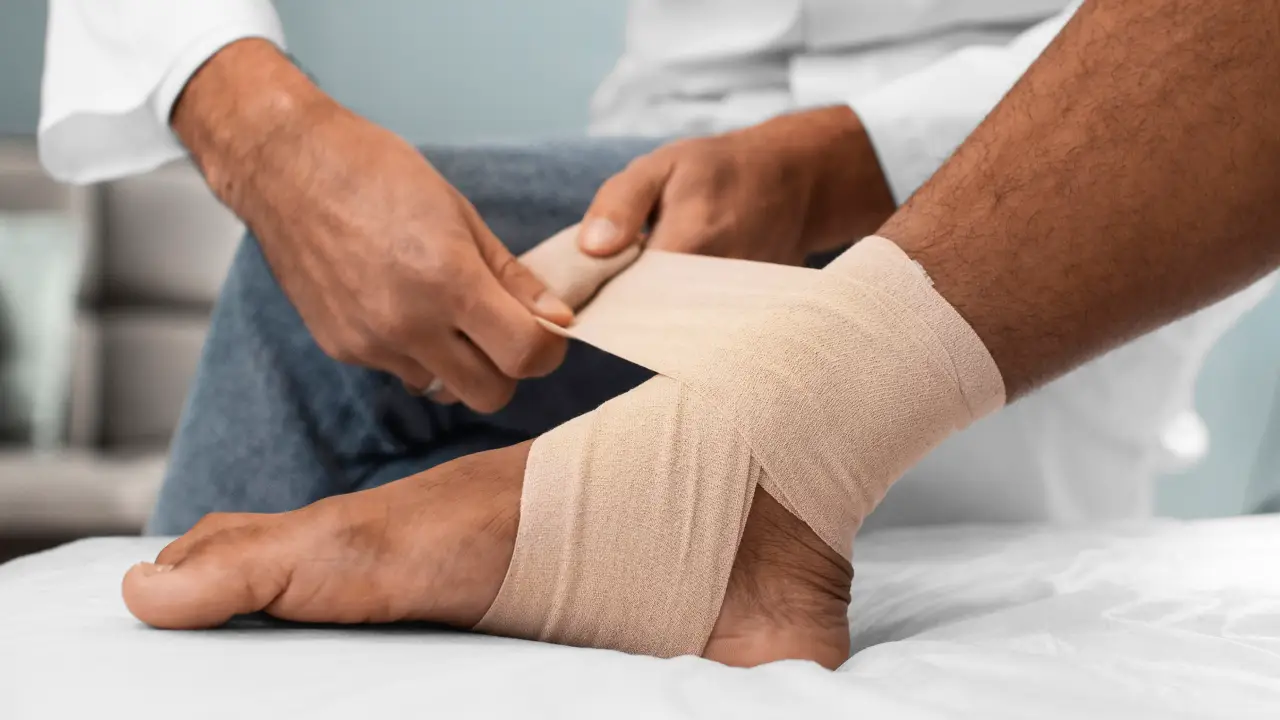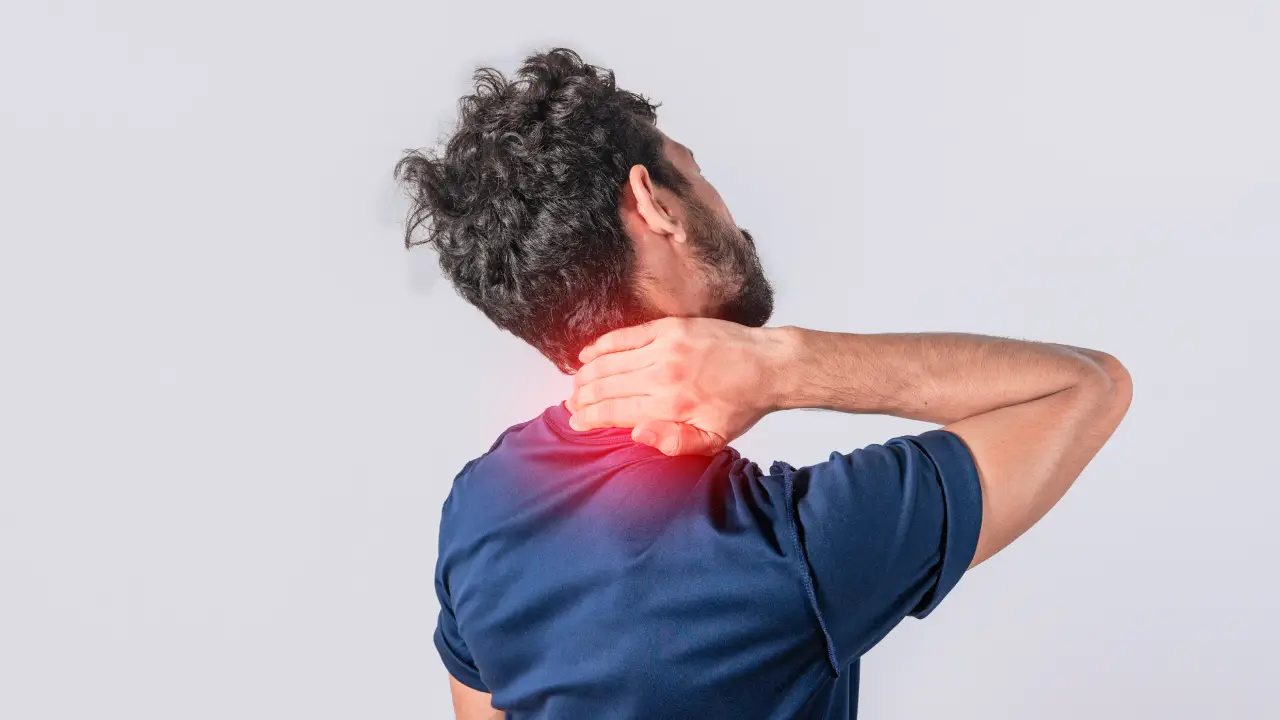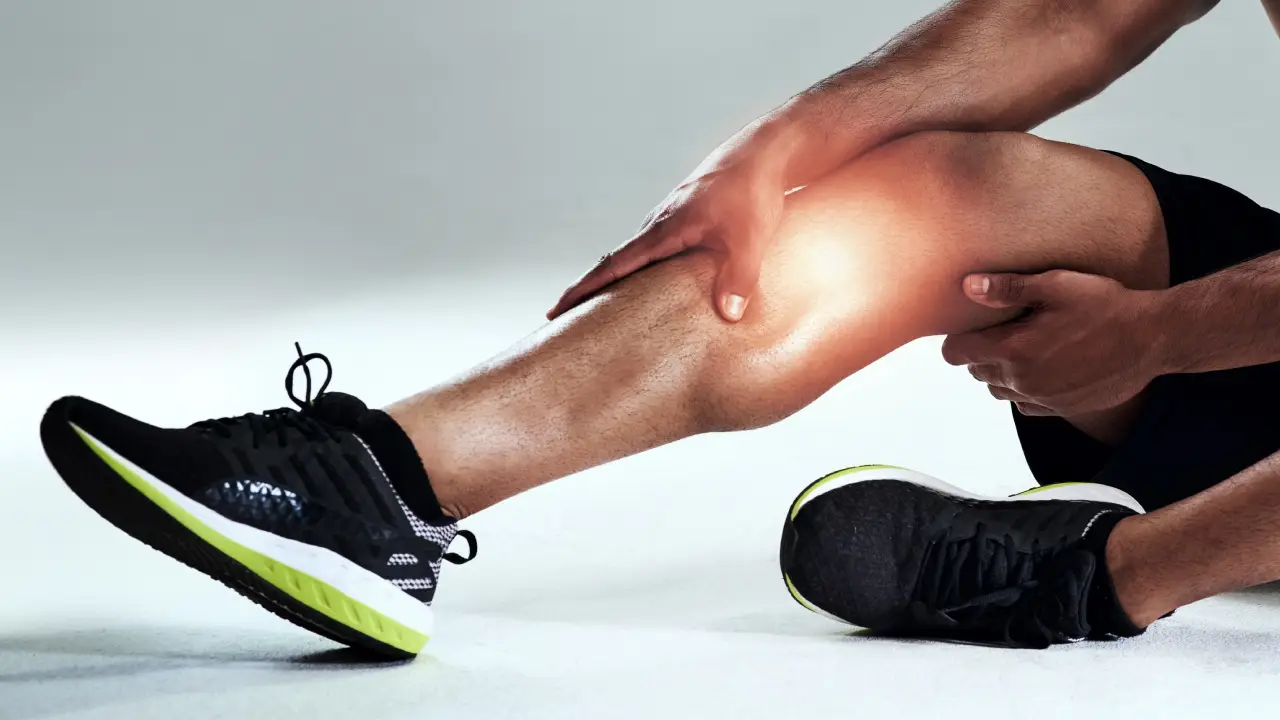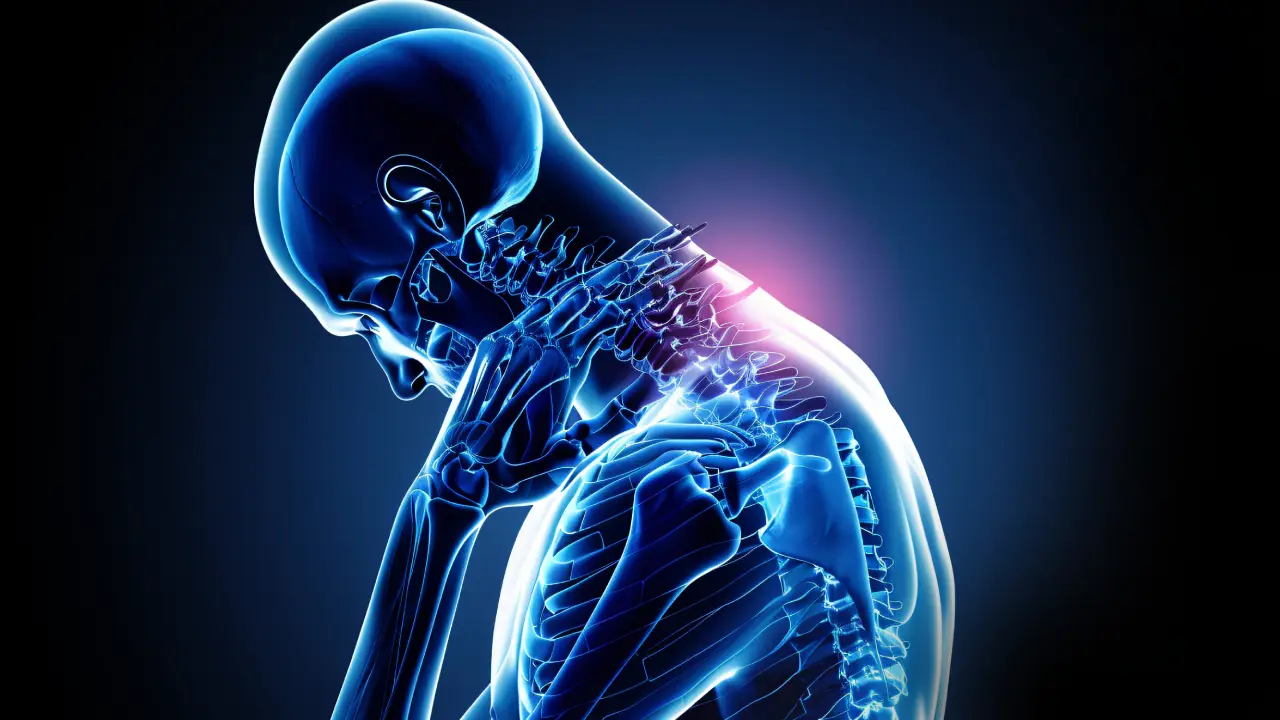

Chronic injuries are long-standing issues that continue to affect individuals despite rest or previous interventions. These injuries can arise from repeated strain, improper healing, or unresolved acute injuries. Commonly affecting joints, muscles, tendons, and ligaments, chronic injuries often result in persistent pain, reduced strength, stiffness, and limitations in daily activities.
Identifying a chronic injury can sometimes be challenging, as the progression is often gradual. However, several signs typically indicate an ongoing problem:
These symptoms can significantly impact quality of life, making early assessment and management critical to prevent further complications.
Chronic injuries can develop through various pathways. Repeated strain from sports, work, or daily activities may contribute to gradual wear and tear. Sometimes, an acute injury that did not heal correctly can evolve into a chronic problem. Other factors include improper Posture, overuse, and underlying conditions like arthritis or tendon degeneration.
Understanding the origin of an injury is crucial for developing an effective plan. A combination of medical history, physical assessment, and lifestyle evaluation helps identify contributing factors and tailor strategies to address the root cause.
Chronic injuries can occur throughout the body, with some regions more susceptible due to repetitive use or stress:
Each area requires a specific approach to address both the symptoms and the underlying contributors.
Leaving a chronic injury untreated can lead to further deterioration and a decline in overall physical function. Pain can become more frequent and intense, compensatory movement patterns may create secondary issues in other joints, and long-term weakness can develop.
Active management aims not only to alleviate discomfort but also to restore function, enhance strength, and improve Mobility. Even minor improvements can make a noticeable difference in daily life, allowing individuals to participate more fully in work, leisure, and physical activity.
Evaluating a chronic injury involves a comprehensive review of symptoms, medical history, and lifestyle factors. Functional tests and movement analysis help determine limitations and identify areas that require the most attention. Doctors may use imaging or diagnostic tests when necessary to clarify underlying issues.
Management strategies often combine several approaches:
The focus is on restoring function and supporting long-term resilience rather than simply masking symptoms.
Chronic injuries often require a gradual approach. Progression depends on the severity, location, and duration of the injury. Healthcare professionals regularly monitor patients, adjust treatments as needed, and use functional milestones to guide the rehabilitation process. Consistency and patience are key, as returning to normal activity levels can take time. Still, structured interventions often lead to noticeable improvements in strength, Mobility, and comfort.
Addressing chronic injuries also involves looking at lifestyle and overall health. Adequate rest, nutrition, and stress management play essential roles in recovery. Regular activity that is appropriate for the injury helps maintain overall fitness without aggravating the affected area. A holistic view ensures that interventions are sustainable and effective in the long term.
If pain persists, Mobility decreases, or functional limitations interfere with daily life, seeking assessment is recommended. Early intervention can prevent further decline and reduce the risk of secondary complications. Even if the injury has been present for an extended period, a structured evaluation and targeted strategies can still lead to meaningful improvements.
Chronic injuries do not have to dictate your daily life. At our clinic, we carefully evaluate each situation and develop approaches tailored to individual needs. Whether the goal is to restore motion, regain strength, or ease discomfort, support is available every step of the way.
Reach out to Assure Physio & Rehab today to schedule an assessment and explore solutions for your long-standing injuries. With structured strategies and personalized guidance, regaining Confidence in daily activities and moving comfortably is within reach.
Copyright © Assure Physio & Rehab. All Rights Reserved | Privacy Policy | Terms Of Use
Designed & Developed By Convirzon
 Optimized by Seraphinite Accelerator