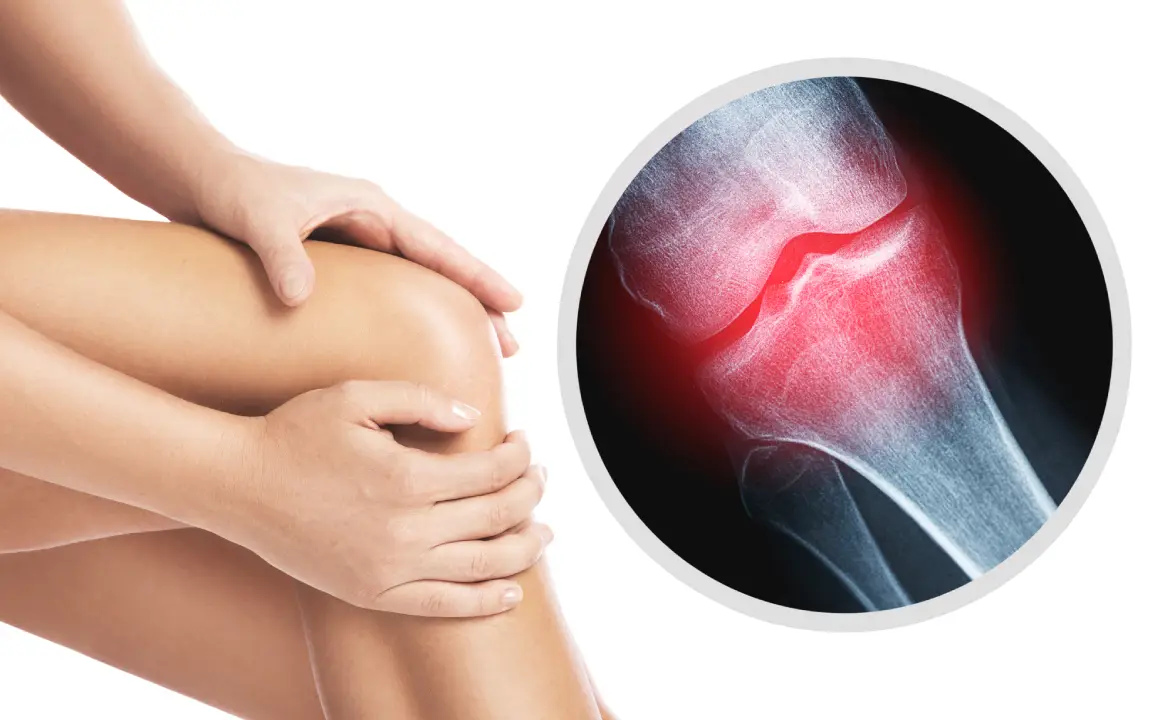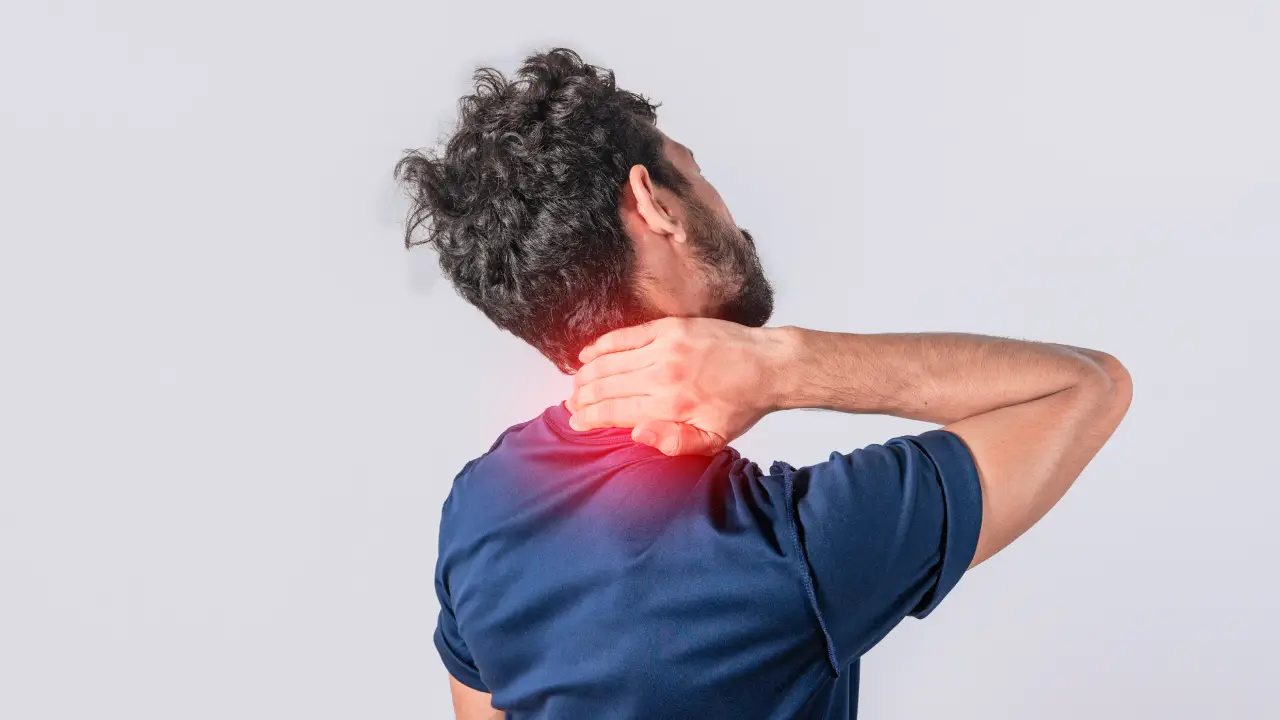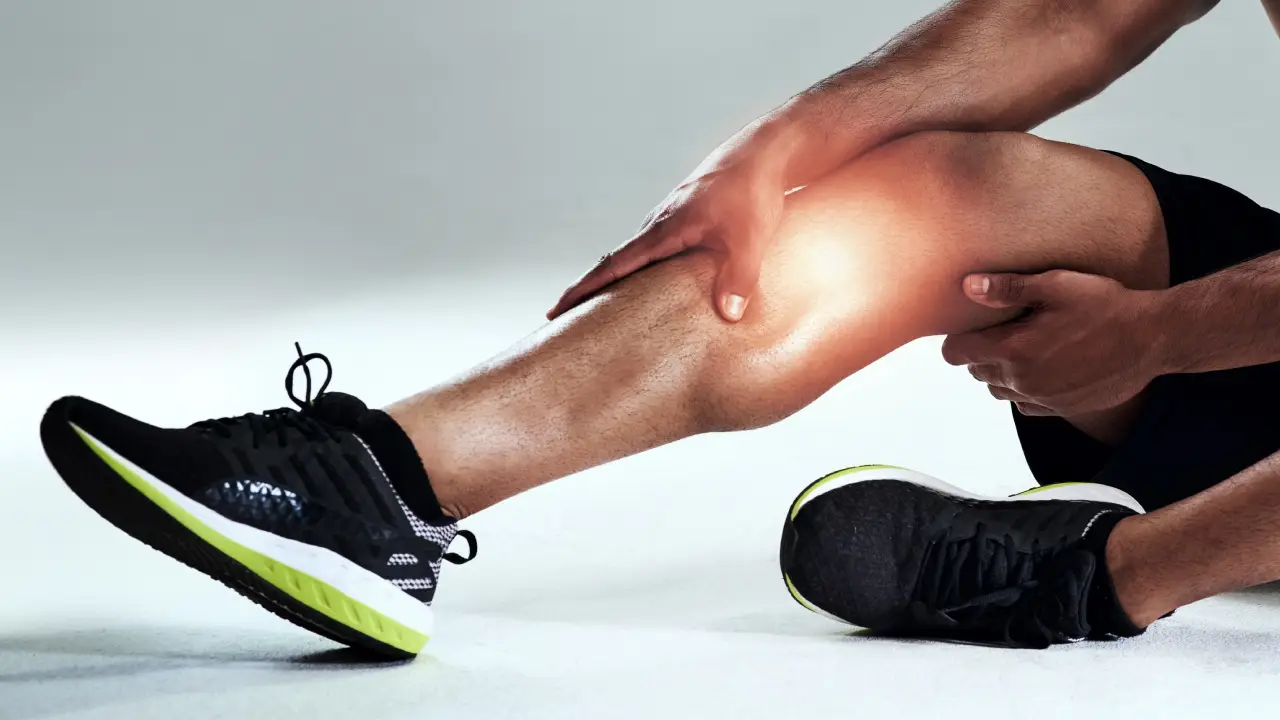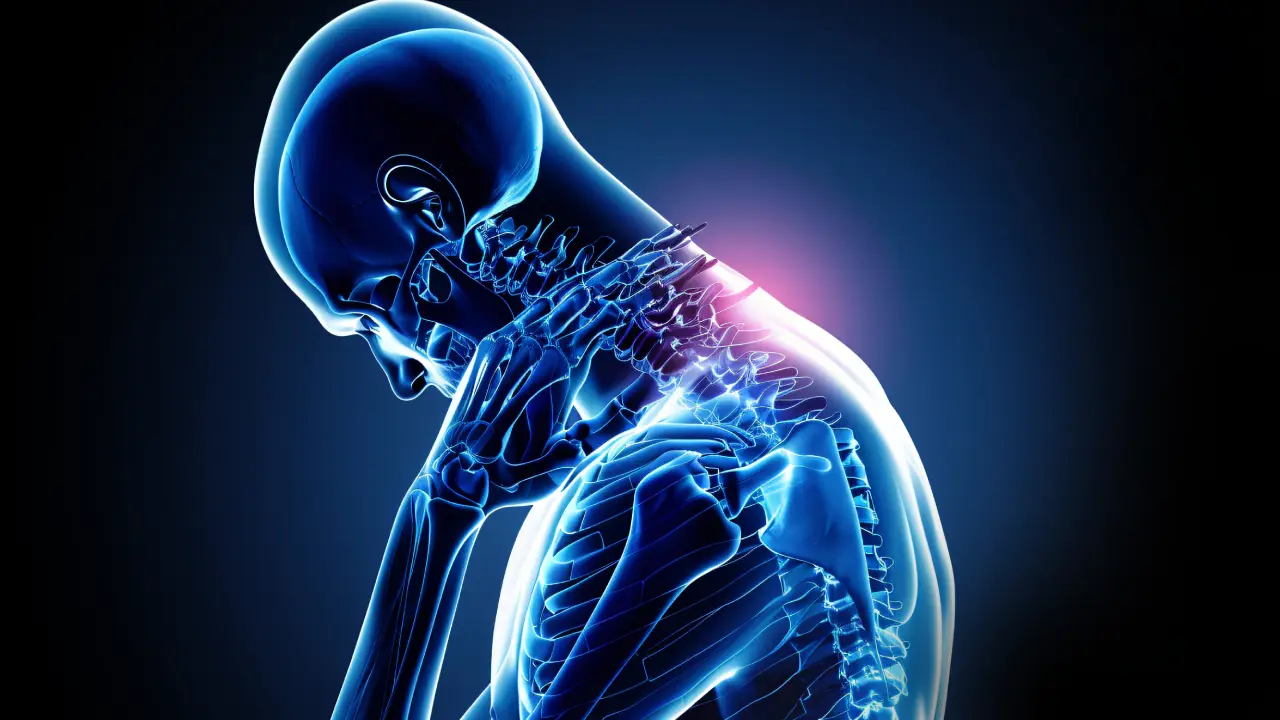

Workplace injuries are a common concern for many employees and can range from minor strains to severe accident-related trauma. These injuries often result from sudden accidents, repetitive tasks, or prolonged stress on specific parts of the body. Common workplace injuries include sprains, strains, repetitive stress injuries, and trauma caused by falls or collisions. At our clinic, we address these injuries comprehensively to help patients recover safely and return to work as quickly as possible.
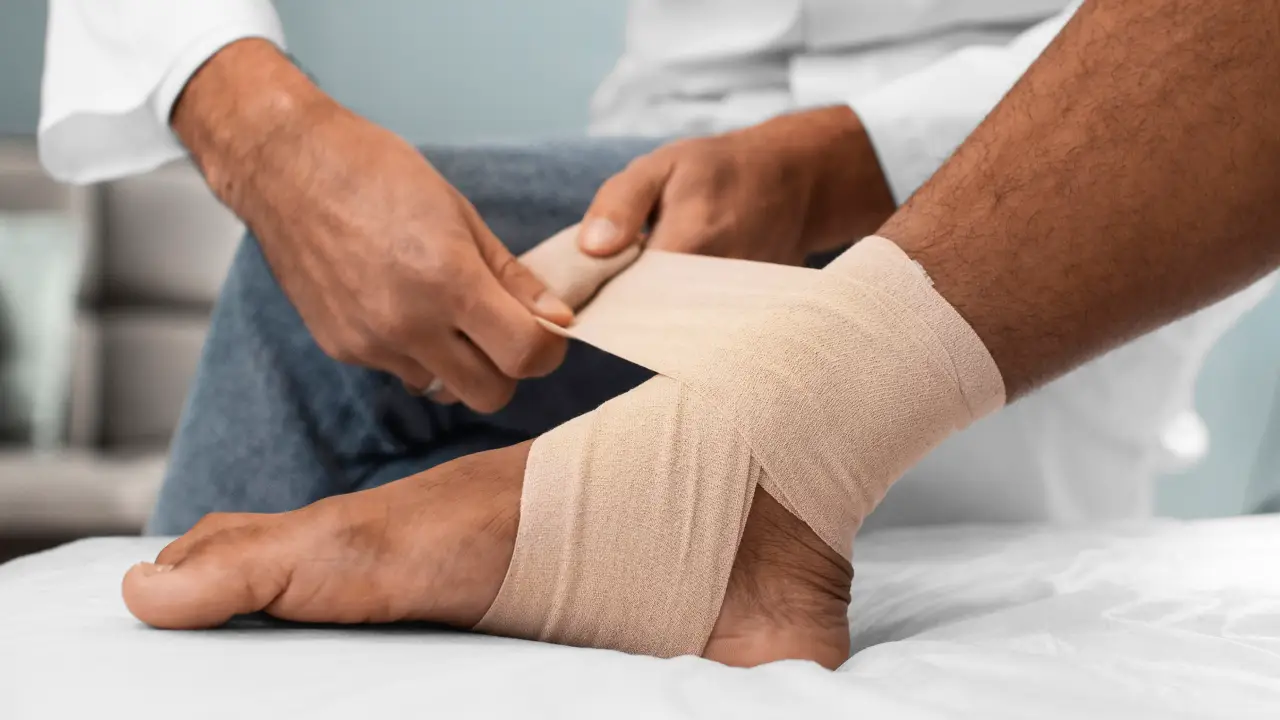
Sprains occur when ligaments—the tissues connecting bones—are stretched or torn. Strains involve injury to muscles or tendons. Both injuries are frequently caused by lifting heavy objects, sudden twisting movements, or excessive physical exertion. Symptoms can include pain, swelling, bruising, and difficulty moving the affected joint or muscle. If left untreated, these injuries may lead to long-term weakness, limited Mobility, and recurring pain.
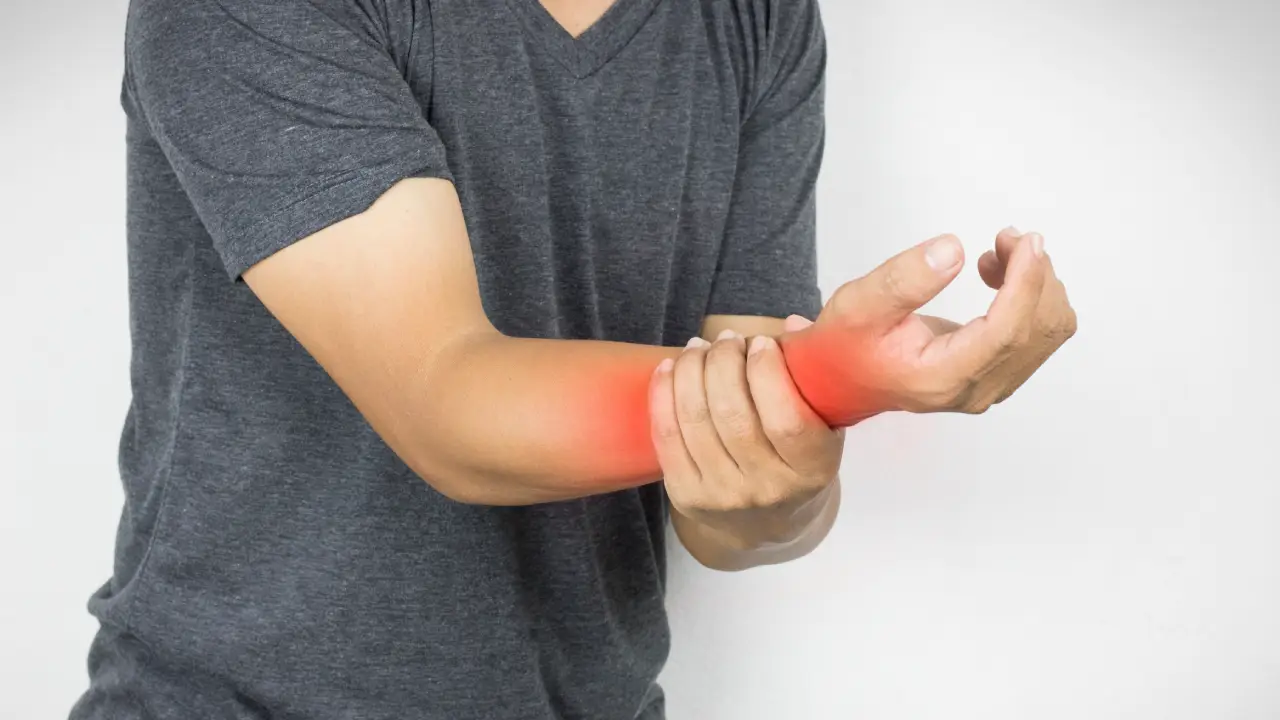
Repetitive stress injuries develop over time due to repeated movements or sustained postures. Common examples include carpal tunnel syndrome, tendonitis, and bursitis. Employees who perform the same motion frequently—such as typing, lifting, or using machinery—are at a higher risk. Symptoms often include pain, tingling, numbness, stiffness, or a decrease in grip strength. Without intervention, repetitive stress injuries can significantly impair work performance and daily activities.
Accidents at work, including slips, trips, falls, or collisions with machinery, can lead to fractures, contusions, concussions, or soft tissue injuries. Trauma may also result in secondary issues, such as swelling, stiffness, or postural changes, which can affect the ability to perform job tasks. Prompt assessment and a structured care plan are crucial to prevent complications or chronic conditions.
Workplace injuries present with a range of symptoms that can vary in severity:
Identifying these symptoms early and seeking appropriate care can prevent further damage and support a faster recovery.
Ignoring workplace injuries can lead to prolonged pain, reduced productivity, and even permanent disability. Employees who continue working without addressing these issues risk worsening their condition, which may result in extended time off work or the need for surgical intervention. Proper assessment and management are crucial for restoring function, alleviating discomfort, and ensuring a safe return to work.
Treating workplace injuries often requires a multifaceted approach. At our clinic, care is tailored to each patient’s specific needs, incorporating a combination of strategies:
The initial evaluation may involve reviewing the injury history, conducting physical examinations, and, if necessary, arranging for imaging or diagnostic tests. Medical oversight ensures an accurate diagnosis and a targeted treatment plan.
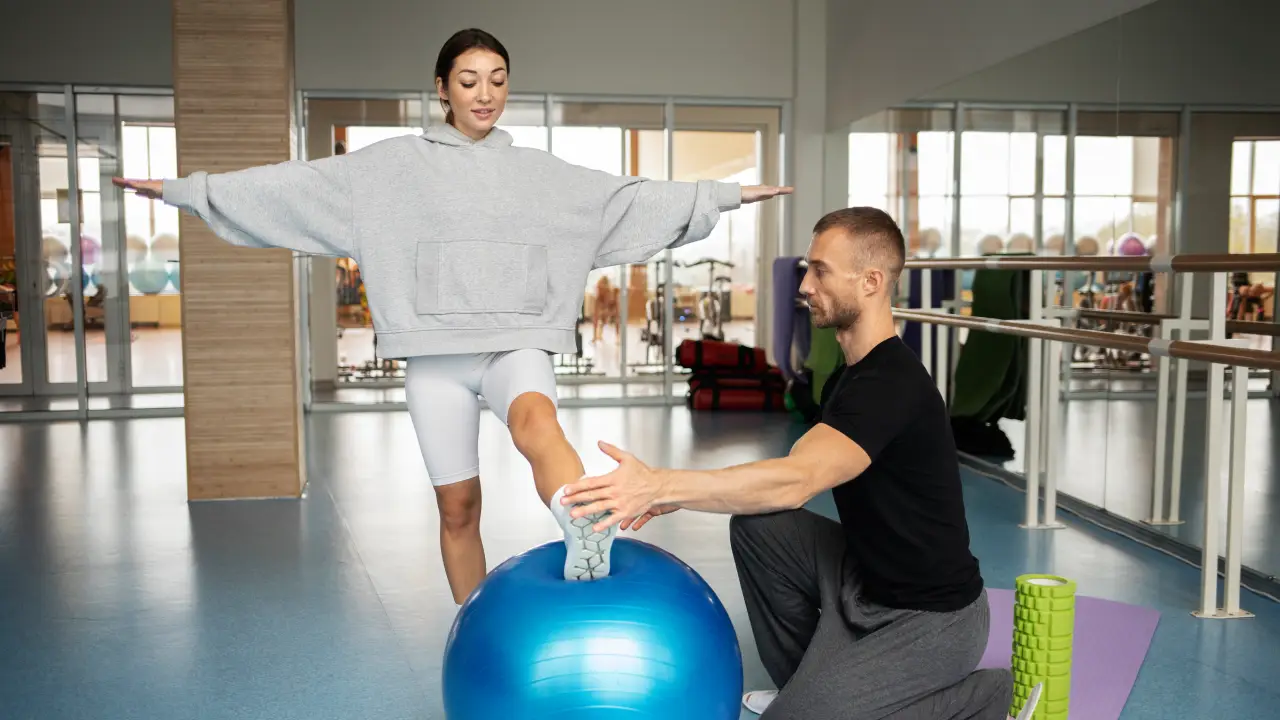
Customized rehabilitation programs address pain, restore strength, and improve Mobility. These programs may include structured exercises, manual therapy, and Posture or movement training to prevent re-injury. Rehabilitation focuses not only on the injured area but also on overall functional improvement for safe work performance.
Adjusting workstations, equipment, or movement patterns can significantly reduce stress on injured areas. Ergonomic guidance supports recovery and helps employees avoid further injury once they return to work.
Pain control strategies may include targeted therapies such as therapeutic modalities, soft tissue techniques, and education on pacing and body mechanics. Managing pain effectively ensures patients can engage fully in rehabilitation activities.
Returning to work after an injury requires careful planning and consideration. Gradual reintroduction to tasks, modified duties, and communication with employers can facilitate a smooth transition back to work. Addressing workplace demands alongside recovery helps prevent setbacks.
Navigating WSIB claims can be a complex part of the recovery process. Assistance with documentation, treatment reporting, and communication with WSIB representatives ensures that patients receive the necessary support and coverage, allowing them to focus on their recovery. Our clinic collaborates closely with patients to streamline this process, enabling them to manage the administrative aspects of their care efficiently and effectively.
Even after initial recovery, it is essential to continue monitoring and maintaining joint and muscle health. Preventive strategies, ongoing exercises, and regular check-ins can help reduce the risk of re-injury and support sustained workplace performance. Staying proactive about musculoskeletal health is a key element in avoiding chronic conditions.
Seek professional care for workplace injuries when:
Prompt attention not only helps manage current symptoms but also prevents long-term limitations.
At our clinic, we focus on guiding patients through a safe and efficient recovery from workplace injuries. Whether addressing acute sprains, repetitive stress issues, or accident-related trauma, the goal is to restore function and support a safe return to work.
Contact Assure Physio & Rehab today to schedule an assessment and start your path to recovery from a workplace injury.
Copyright © Assure Physio & Rehab. All Rights Reserved | Privacy Policy | Terms Of Use
Designed & Developed By Convirzon
 Optimized by Seraphinite Accelerator