

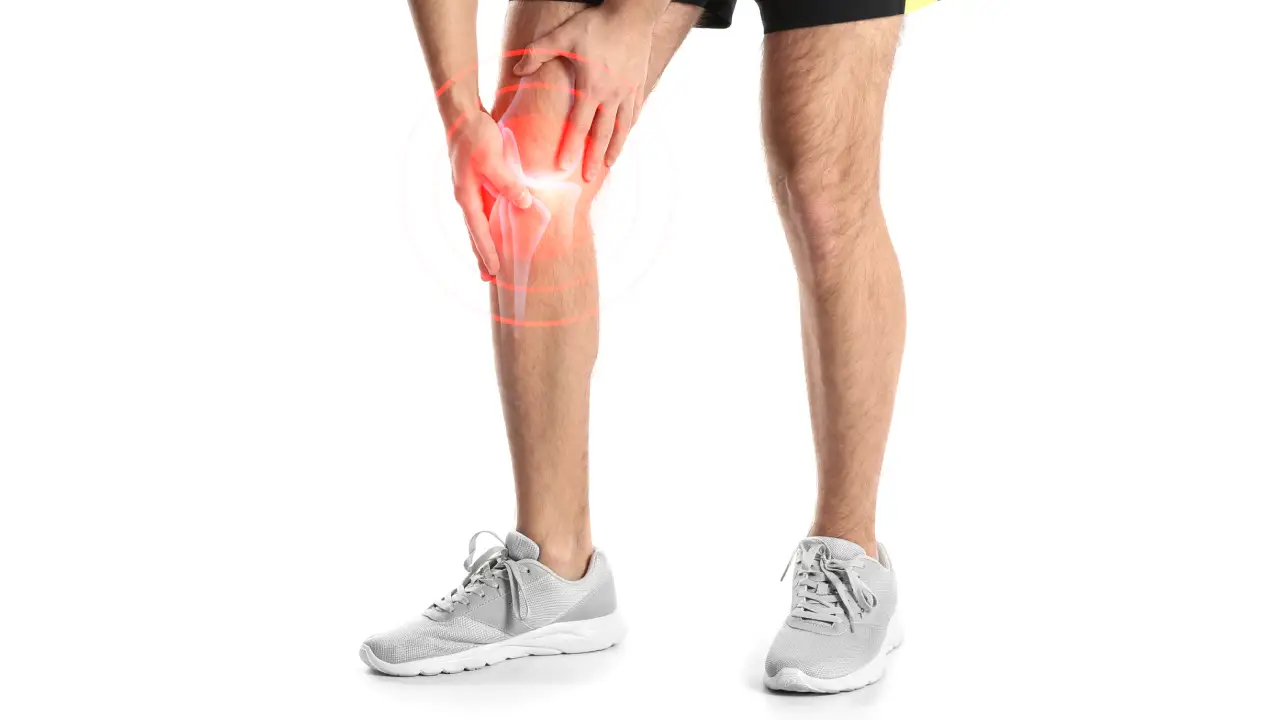
What Are the Most Common Causes of Knee Pain?
Knee pain affects people of all ages and activity levels. Some feel a dull ache that slowly builds over time, while others experience sharp pain after a sudden movement or injury. The knee works as one of the body’s most complex joints, handling body weight, balance, and movement every day. Because of this constant demand, many factors can trigger discomfort or limit mobility.
At Assure Physio, patients often ask why their knee pain started and what caused it in the first place. Understanding the root cause helps guide treatment and prevents the issue from returning. Below are the most common reasons knee pain develops and how each condition affects daily life.
1. Overuse and Repetitive Stress
Repeated stress places constant strain on the knee joint. Activities such as running, jumping, squatting, or climbing stairs can overload the muscles, ligaments, and tendons around the knee.
Overuse injuries usually develop gradually. Pain may start as mild discomfort and worsen with continued activity. Many people ignore early warning signs, which allows inflammation to build over time.
Common overuse-related problems include:
- Tendon irritation
- Muscle imbalance around the knee
- Swelling from repeated impact
- Reduced joint stability
People who train without proper recovery or suddenly increase activity levels often experience this type of knee pain.
2. Ligament Injuries
Ligaments support and stabilize the knee. Sudden twists, awkward landings, or direct impacts can stretch or tear these structures. Sports activities often contribute to ligament injuries, but slips and falls can cause similar damage.
Symptoms usually appear quickly and may include swelling, instability, or difficulty bearing weight. Some people feel the knee “giving way” during movement.
Common ligament injuries include:
- Anterior cruciate ligament (ACL) strain
- Medial collateral ligament (MCL) injury
- Posterior cruciate ligament (PCL) damage
Without proper care, ligament injuries may limit movement and increase the risk of future joint problems.
3. Meniscus Tears
The meniscus acts as a cushion between the thigh bone and shin bone. Sudden rotation, deep squatting, or lifting heavy objects can tear this cartilage.
Meniscus injuries often cause:
- Sharp pain during movement
- Locking or catching sensations
- Swelling that develops hours after activity
Age-related wear also weakens the meniscus, making tears more likely during simple daily movements.
4. Osteoarthritis
Osteoarthritis remains one of the most common causes of knee pain, especially in older adults. This condition develops when joint cartilage gradually wears down, leading to bone-on-bone friction.
Pain often worsens with activity and improves with rest. Stiffness may appear after long periods of sitting or sleeping. Many people notice reduced range of motion over time.
Factors that increase the risk include:
- Aging
- Previous knee injuries
- Excess body weight
- Repetitive joint stress
Residents seeking knee pain care in Mississauga frequently report symptoms related to early or moderate osteoarthritis.
5. Patellofemoral Pain Syndrome
This condition causes pain around or behind the kneecap. Muscle imbalance or poor tracking of the kneecap often contributes to the problem.
People with patellofemoral pain usually feel discomfort when:
- Sitting for long periods
- Climbing stairs
- Squatting or kneeling
Weak hip muscles, tight quadriceps, and improper movement patterns often play a role. Addressing these issues early helps reduce long-term discomfort.
6. Tendinitis
Tendinitis occurs when tendons around the knee become inflamed. Repetitive jumping, sudden changes in activity, or improper training techniques can irritate these tissues.
Patellar tendinitis, also called jumper’s knee, commonly affects athletes and active individuals. Pain often appears just below the kneecap and worsens during activity.
Left untreated, tendon pain may persist and limit strength and performance.
7. Muscle Imbalances and Weakness
Muscles surrounding the knee support proper movement and joint alignment. Weak or tight muscles can shift stress onto the knee joint, leading to pain over time.
Common contributors include:
- Weak quadriceps or hamstrings
- Tight hip flexors
- Poor glute activation
- Limited ankle mobility
At Assure Physio, therapists often identify muscle imbalance as a hidden cause of knee pain among clients in Mississauga who do not recall any specific injury.
8. Bursitis
Small fluid-filled sacs called bursae cushion the knee joint. Repeated pressure, kneeling, or direct impact can inflame these sacs, causing bursitis.
Symptoms include swelling, tenderness, and warmth around the knee. People who kneel frequently for work or daily tasks often experience this condition.
9. Poor Movement Mechanics
Improper walking, running, or lifting techniques place unnecessary stress on the knee. Over time, faulty movement patterns increase wear on joint structures.
Contributing factors include:
- Poor posture
- Incorrect footwear
- Limited mobility in hips or ankles
- Lack of core stability
Many individuals in Mississauga develop knee pain simply because their body compensates for weaknesses elsewhere.
10. Previous Injuries
Old knee injuries can resurface years later. Scar tissue, joint instability, or incomplete rehabilitation often leads to recurring pain.
Even injuries that seemed minor at the time may affect joint health long-term. Addressing lingering weakness or mobility issues reduces the risk of chronic discomfort.
When Knee Pain Starts Affecting Daily Life
Knee pain should never limit basic activities such as walking, standing, or climbing stairs. Persistent discomfort signals an underlying issue that needs attention.
Warning signs include:
- Pain lasting longer than two weeks
- Swelling that does not subside
- Difficulty bending or straightening the knee
- Instability during movement
People across Mississauga often delay treatment, hoping the pain will resolve on its own. Early intervention leads to faster recovery and better long-term results.
How Physiotherapy Helps Address Knee Pain
Physiotherapy focuses on identifying the root cause rather than masking symptoms. Treatment plans often include:
- Targeted strengthening exercises
- Mobility and flexibility training
- Manual therapy techniques
- Movement retraining
At Assure Physio, individualized care helps restore function and prevent recurrence. Patients in Mississauga benefit from programs designed around their lifestyle, activity level, and goals.
Take Control of Knee Pain Early
Knee pain rarely improves without proper care. Understanding the most common causes helps people recognize when to seek support and take action before symptoms worsen.
If knee discomfort interferes with your routine or limits movement, professional guidance can make a significant difference. Residents throughout Mississauga trust Assure Physio to help them move comfortably, regain strength, and return to an active life with confidence.
Our Services
Sciatica pain Relief Treatment
Osteoarthritis treatment
Knee pain therapy
Spinal decompression therapy
Pelvic physiotherapy
Other Resources
5 Smart Knee Pain Therapy Options for Daily Activity
