
What is Physiotherapy?
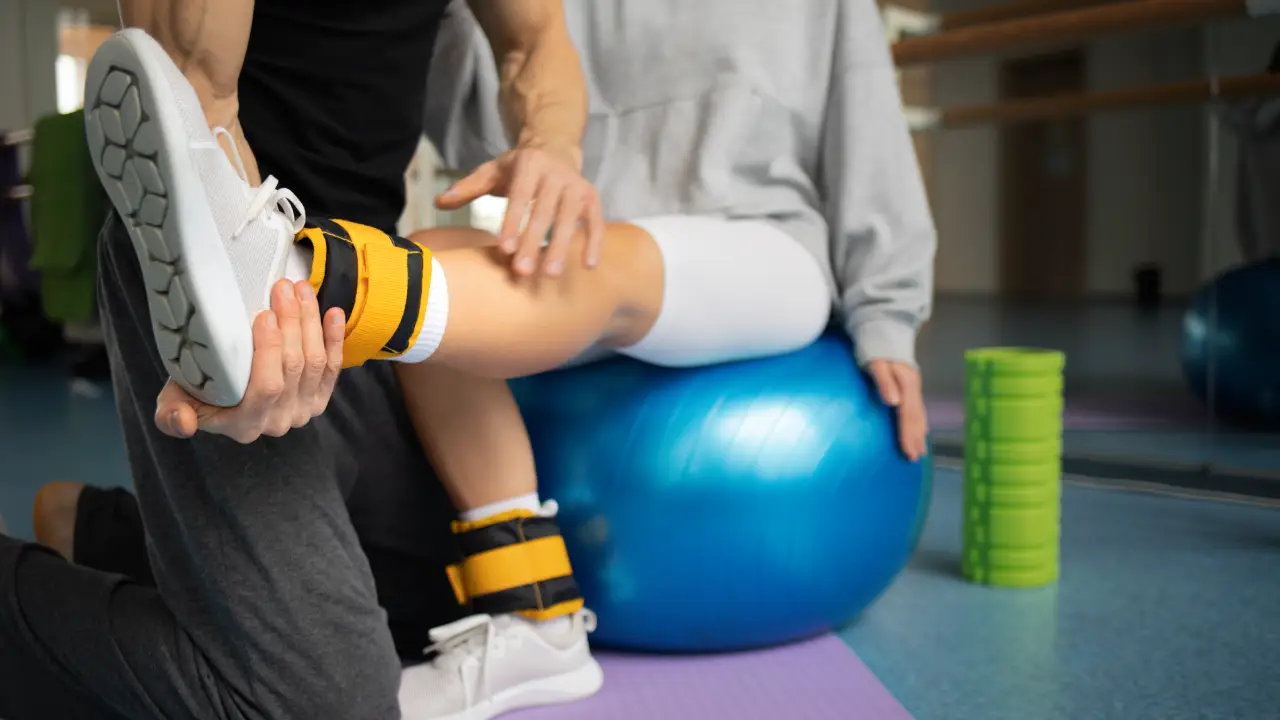
Physiotherapy is a healthcare discipline focused on movement, physical function, and the body’s response to physical demands. It looks at how muscles, joints, nerves, and connective tissues interact during everyday activities such as walking, lifting, sitting, and reaching. When movement becomes restricted or inefficient, Physical therapy helps address the underlying physical factors involved, including concerns related to knee pain therapy and overall mobility challenges.
Movement and the Human Body
The human body is designed for motion. When movement patterns change due to injury, strain, or inactivity, stress can build in certain areas. Physiotherapy focuses on restoring smoother, more coordinated movement by examining how different body parts work together, which may also be relevant for individuals managing conditions like Osteoarthritis during treatment planning.
Function in Daily Life
Everyday tasks require a combination of strength, balance, flexibility, and coordination. Physical therapy supports these elements so people can manage daily routines more easily, whether at home, at work, or during recreation. This support is especially important when movement limitations affect comfort and endurance during normal activities.
How Physiotherapy Works
The practice of Physiotherapy follows a structured process that begins with observation and assessment. This process allows movement challenges to be identified before any physical plan is introduced.
Physical Assessment
A physiotherapist evaluates posture, joint motion, muscle strength, and movement quality. This stage helps determine which areas may be limiting physical function and how they affect the rest of the body, including nerve-related movement patterns often associated with Sciatica pain Relief Treatment approaches.
Movement Planning
Based on assessment findings, Physical therapy programs focus on improving mobility, control, and endurance. Exercises are introduced gradually and adjusted based on physical response and progress, sometimes incorporating principles similar to those of spinal decompression therapy when addressing movement mechanics.
Education and Awareness
Learning how movement habits affect the body is an important part of Physiotherapy. This may include advice on posture, activity pacing, and physical load during work or daily tasks, as well as guidance related to core stability and Pelvic physiotherapy considerations.
Areas Where Physiotherapy Is Used
Physiotherapy is applied across many settings, reflecting its wide role in physical health and movement support.
Injury Recovery
After injury, Physical therapy helps restore joint motion, muscle function, and coordination. Movement is reintroduced in stages to support a safe return to normal activities.
Workplace Movement Demands
Many physical issues are linked to repetitive tasks or prolonged periods in a single position. Physiotherapy addresses these challenges by focusing on movement efficiency, work habits, and physical conditioning.
Physical Activity and Sport
People involved in sport or regular exercise often use Physical therapy to improve movement control and manage physical strain. Attention is given to how the body moves during specific activities.
Physiotherapy Across Different Age Groups
The principles of Physiotherapy apply throughout life, though approaches vary with age and physical needs.
Children and Movement Development
For children, Physical therapy may support coordination, posture, and motor skill development. Activities are designed to match growth stages and physical abilities.
Adults and Active Lifestyles
Adults often use Physical therapy to manage movement challenges linked to work, exercise, or daily responsibilities. Programs focus on maintaining mobility and physical capacity.
Older Adults and Mobility
As physical changes occur with age, Physiotherapy supports balance, joint movement, and walking ability, helping people remain active in their daily environments.
The Role of Physiotherapy in Modern Healthcare
Within healthcare systems, Physical therapy plays a role in both recovery and ongoing physical management. It often works alongside other health services to support physical function.
Evidence and Research
Research continues to shape Physical therapy , providing insight into how different movement strategies affect physical performance and recovery across populations.
Technology and Movement Analysis
Modern Physiotherapy may include digital tools for movement tracking and progress monitoring, while hands-on assessment remains essential.
Community-Based Support
Community programs and home-based Physical therapy services help people access movement care in familiar surroundings, supporting participation in everyday activities.
