Pelvic physiotherapy in Mississauga for long lasting Relief
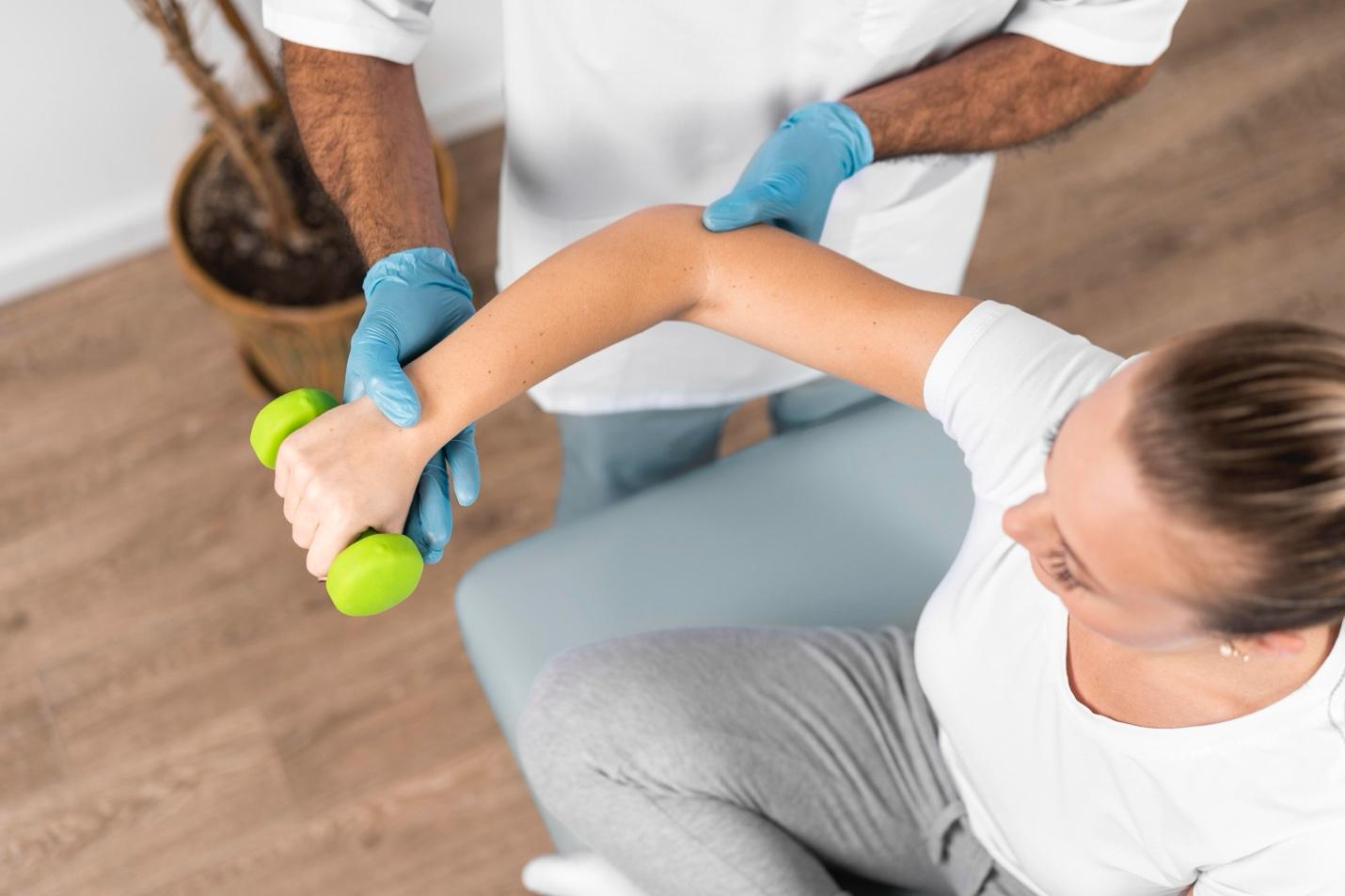
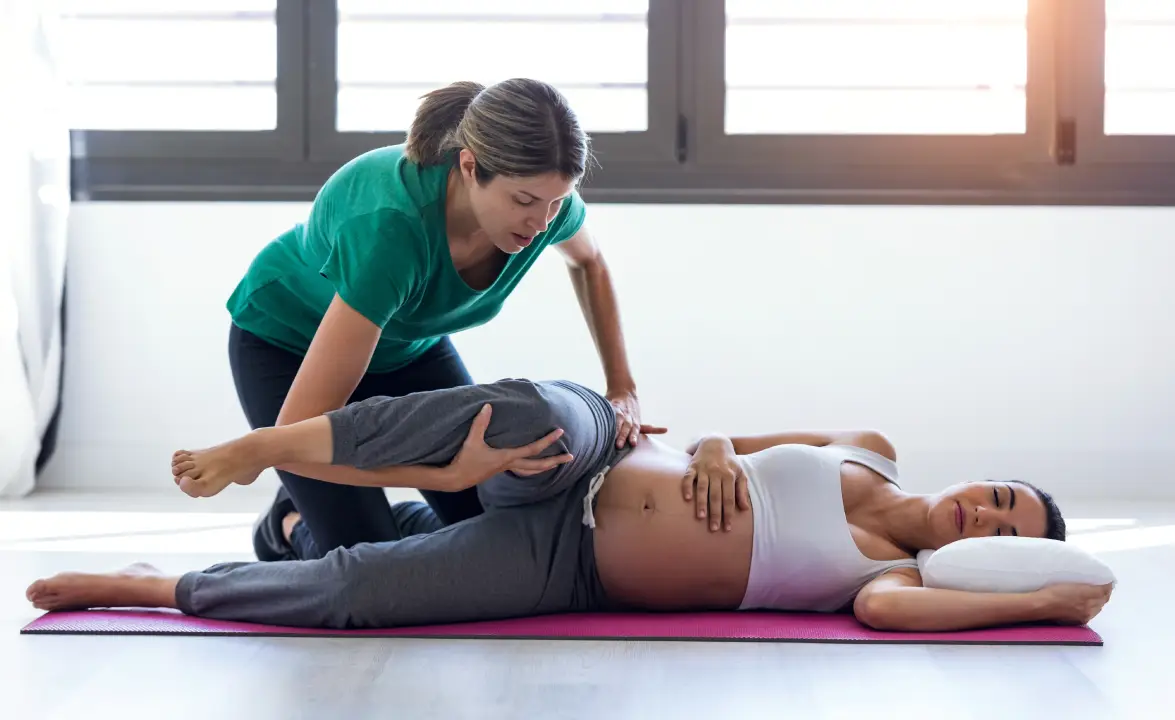
Pelvic physiotherapy in Mississauga offers specialised care for pelvic floor dysfunction, treating conditions like incontinence, pelvic pain, prolapse, and postpartum issues for men, women, and children using manual therapy, targeted exercises, and education in private, comfortable settings, often covered by insurance and without requiring a doctor’s referral. Treatments focus on improving pelvic muscle strength, coordination, and function through personalised plans, including potential internal assessments with patient consent, to address root causes and restore overall pelvic health and confidence.
Common Conditions Treated with pelvic physiotherapy in Mississauga
Pelvic physiotherapists address various issues affecting bladder, bowel, and sexual function, as well as pain and stability.
Incontinence and Organ Prolapse
- Urinary Incontinence (stress, urge, mixed, overflow): Involuntary leakage of urine, often during activities like coughing, sneezing, or exercising, or due to a sudden urge to urinate.
- Faecal Incontinence: Difficulty controlling bowel movements.
- Pelvic Organ Prolapse (POP): A sensation of heaviness or a bulge when organs like the bladder, uterus, or rectum descend into the vaginal canal due to weakened support muscles.
Pain and Chronic Conditions
- Chronic Pelvic Pain: Persistent pain in the lower abdomen, pelvis, or genital area.
- Painful Intercourse (Dyspareunia): Pain during or after sexual activity, often caused by muscle tension or weakness.
- Vaginismus: Involuntary muscle spasms that make vaginal penetration difficult or impossible.
- Interstitial Cystitis / Bladder Pain Syndrome: Chronic bladder pain, pressure, and frequent urination.
- Endometriosis-related pain: Management of pelvic pain and discomfort caused by the condition.
- Coccydynia: Pain around the tailbone, often exacerbated by sitting.
- Pudendal Neuralgia: Nerve irritation in the pelvic region causing chronic pain.
- Lower Back, Hip, and SI Joint Pain: Pain in related musculoskeletal areas that may stem from pelvic floor dysfunction.
Pregnancy, Postpartum, and Post-Surgical Care
- Pregnancy and Postpartum Recovery: Management of pain during pregnancy (e.g., pelvic girdle pain), preparation for childbirth, and recovery from delivery (vaginal or C-section).
- Diastasis Recti Abdominis (DRA): Separation of the abdominal muscles.
- Post-Surgical Rehabilitation: Recovery support following pelvic or abdominal surgeries like hysterectomies or prostatectomies for men.
What to expect from pelvic physiotherapy in Mississauga
- Comprehensive Assessment: A private consultation about your history, symptoms, and goals.
- Physical Exam: May include external and internal (vaginal or rectal) assessment, with your consent, to assess muscle strength and mobility.
- Personalised Treatment: Tailored plans with manual therapy (hands-on), specific strengthening/relaxation exercises, and posture/movement education.
Key Benefits & Features in Mississauga
- Holistic Approach: Addresses the whole person, not just symptoms.
- Private & Safe Environment: Confidential, respectful, and comfortable.
- Insurance & Referrals: Often covered by physiotherapy benefits; doctor’s referral usually not required, but check with your provider.
- Experienced Clinicians: Trained to handle sensitive issues with expertise.
How to Find a Clinic
Look for clinics in Mississauga (like Assure Physio & Rehab) that emphasise evidence-based care, experienced pelvic health physiotherapists, and personalised treatment for women, men, and children.
Frequently Asked Questions
Q1: What is pelvic physiotherapy?
A: Pelvic physiotherapy focuses on treating pain, dysfunction, and weakness in the pelvic floor muscles.
Q2: What conditions does it treat?
A: It helps with pelvic pain, urinary leakage, postpartum recovery, constipation, prolapse symptoms, and sexual pain.
Q3: How does pelvic physiotherapy work?
A: Therapists use exercises, manual therapy, biofeedback, and breathing techniques to restore proper pelvic floor function.
Q4: Is pelvic physiotherapy painful?
A: Treatment is gentle. Some discomfort may occur if muscles are very tight, but therapists work within your comfort level.
Q5: Do men also need pelvic physiotherapy?
A: Yes. It can help men with pelvic pain, incontinence, post-prostate surgery recovery, and erectile dysfunction related to pelvic floor issues.
Q6: How long does Physiotherapy treatment take?
A: Many patients notice improvement within 4–8 sessions, depending on the condition.
Q7: What happens in the first session?
A: The therapist reviews your symptoms, medical history, posture, and pelvic floor function to create a personalized plan.



 Optimized by Seraphinite Accelerator