

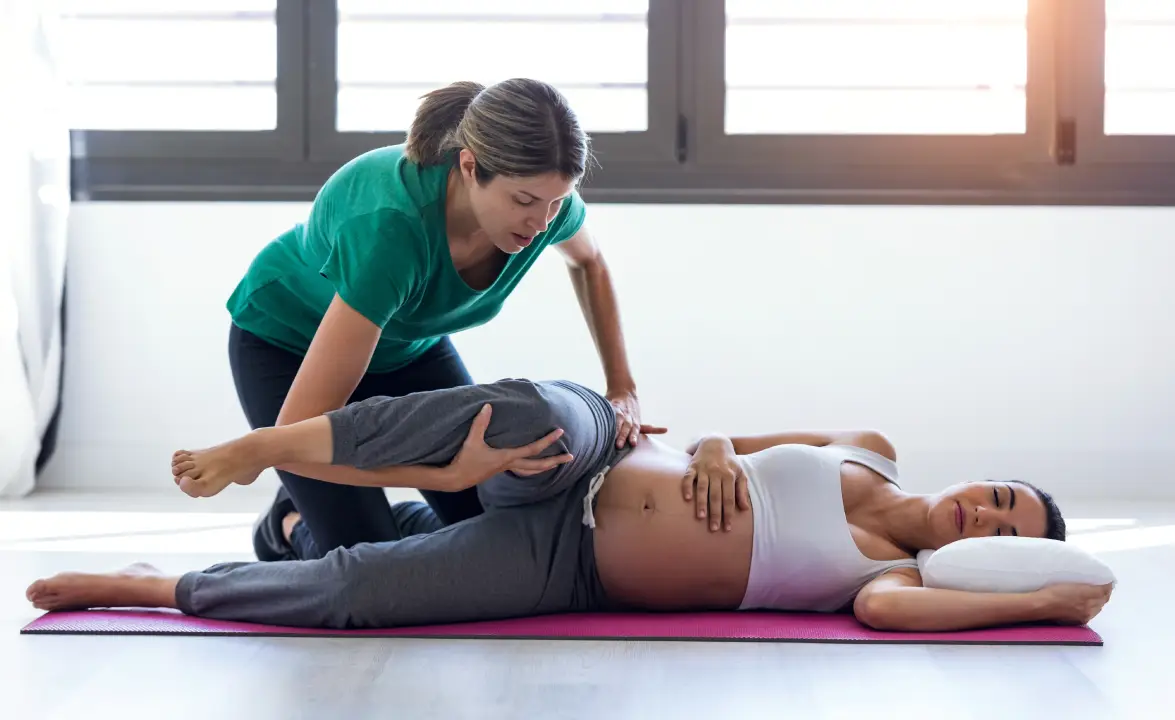
7 Effective Home Exercises to Reduce Pelvic Pain
Pelvic pain can affect daily comfort, mobility, and emotional well-being. It often interferes with sitting, walking, exercising, and even simple movements like bending or standing. Many people experience pelvic pain due to muscle tightness, weakness, posture issues, or previous injury. While professional physiotherapy plays a key role in recovery, specific home exercises can also help reduce discomfort and improve control.
Assure Physio encourages safe, guided movement as part of a natural and effective approach to pelvic pain management.
Understanding Pelvic Pain and Movement
Pelvic pain often develops when muscles surrounding the pelvis lose balance. Tight muscles restrict movement, while weak muscles fail to properly support the pelvic region. Poor posture, prolonged sitting, pregnancy, and repetitive strain can all contribute to this imbalance.
Avoiding movement due to pain often makes symptoms worse. Gentle, targeted exercises help restore muscle coordination and improve circulation. Many individuals in Mississauga begin noticing improvement once they introduce consistent home exercises into their routine.
Exercise 1: Diaphragmatic Breathing
Breathing correctly supports pelvic floor relaxation and nervous system regulation. This exercise reduces muscle tension and improves body awareness.
How to perform:
- Lie on your back with knees bent.
- Place one hand on your chest and one on your abdomen.
- Inhale deeply through your nose.
- Allow your belly to rise.
- Exhale slowly through your mouth.
Benefits:
- Relaxes pelvic floor muscles
- Reduces pain-related tension
- Improves breathing control
Exercise 2: Pelvic Tilts
Pelvic tilts gently activate the lower abdominal and pelvic muscles while supporting spinal alignment.
How to perform:
- Lie on your back with your feet flat on the floor.
- Tighten your core muscles.
- Flatten your lower back against the surface.
- Hold for five seconds and relax.
Benefits:
- Improves pelvic control
- Supports lower back alignment
- Reduces stiffness
Exercise 3: Knee-to-Chest Stretch
This stretch relieves tension in the lower back and pelvic area.
How to perform:
- Lie on your back
- Bring one knee toward your chest.
- Hold gently for 15–20 seconds.
- Switch sides
Benefits:
- Reduces pelvic and lower back tension
- Improves flexibility
- Encourages relaxation
Clients guided by Assure Physio in Mississauga often use this stretch to ease discomfort after long periods of sitting.
Exercise 4: Butterfly Stretch
The butterfly stretch targets the inner thighs and pelvic muscles.
How to perform:
- Sit upright with feet together.
- Allow knees to fall outward.
- Gently lean forward while keeping the spine tall.
Benefits:
- Releases pelvic muscle tightness
- Improves hip mobility
- Reduces pressure in the pelvic region
Exercise 5: Glute Bridges
Strong glute muscles support the pelvis and reduce strain on surrounding tissues.
How to perform:
- Lie on your back with knees bent.
- Press through your heels.
- Lift hips upward
- Hold for 5 seconds, then lower slowly.
Benefits:
- Improves pelvic stability
- Strengthens hips and core
- Reduces compensatory movement
Exercise 6: Child’s Pose
This restorative position gently stretches the hips, lower back, and pelvic muscles.
How to perform:
- Kneel on the floor
- Sit back on your heels.
- Reach arms forward and relax.
Benefits:
- Calms the nervous system
- Reduces pelvic tension
- Encourages gentle stretching
Many people in Mississauga include this exercise in their evening routines to reduce daily tension.
Exercise 7: Standing Hip Abduction
This exercise improves coordination of the hip and pelvic muscles.
How to perform:
- Stand upright while holding a support.
- Lift one leg sideways.
- Keep your torso steady.
- Lower slowly and repeat.
Benefits:
- Strengthens pelvic support muscles
- Improves balance
- Enhances movement control
How Often Should You Perform These Exercises?
Consistency matters more than intensity. Perform these exercises five to six days per week. Start with low repetitions and focus on proper technique. Controlled movement allows muscles to adapt safely and reduces flare-ups.
Listen to your body. Mild stretching and muscle activation feel normal, but sharp or worsening pain signals a need to stop and seek professional advice.
When Pelvic Pain Needs Professional Care
Home exercises support recovery, but persistent pelvic pain often requires professional assessment. Pain related to pregnancy, surgery, nerve involvement, or long-term discomfort benefits from individualized physiotherapy care.
Assure Physio provides thorough evaluations to identify muscle imbalance, posture concerns, and movement patterns contributing to pelvic pain. Many Mississauga residents achieve better outcomes through a combination of guided therapy and home exercise programs.
How Assure Physio Supports Pelvic Pain Recovery
Assure Physio focuses on personalized treatment plans that promote natural healing. The clinic emphasizes education, active participation, and gradual progression.
Clients receive guidance on posture, daily movement habits, and safe exercise techniques. This approach empowers individuals to manage pelvic pain confidently and independently.
Final Thoughts on Reducing Pelvic Pain at Home
Pelvic pain does not need to control daily life. With the right home exercises, individuals can improve muscle balance, reduce tension, and regain comfort. Diaphragmatic breathing, gentle stretching, and strengthening exercises play a powerful role in recovery.
With expert support from Assure Physio, managing pelvic pain naturally becomes achievable, effective, and sustainable.
Our Services
- Sciatica pain Relief Treatment
- Osteoarthritis treatment
- Knee pain therapy
- Spinal decompression therapy
- Pelvic physiotherapy
