...
Book Appointment Call us

knee decompression in bolton

What knee decompression in bolton

The knee is one of the most active joints in the human body, supporting everyday actions such as standing, walking, bending, and climbing. Due to its central role, even minor discomfort can significantly impact Mobility and overall quality of life. Knee pain can occur suddenly due to injury or develop gradually from wear and tear.

Causes of knee decompression in bolton

Several conditions may contribute to knee pain. Some of the most frequent include:

  • Osteoarthritis – This condition involves the gradual breakdown of cartilage, leading to pain, stiffness, and reduced flexibility.
  • Patellofemoral Pain Syndrome – Often linked to the kneecap not aligning properly, this condition causes pain in the front of the knee, particularly during activities such as squatting, running, or climbing stairs.
  • Meniscus Tears – The meniscus acts as a cushion in the joint. A tear can cause swelling, locking, or a sensation of the knee giving way.
  • Ligament Injuries – Damage to the ACL, MCL, or other ligaments may occur from sports, falls, or sudden twists, leading to instability and swelling.
  • Iliotibial (IT) Band Syndrome – Repetitive stress, especially in runners or cyclists, can irritate the outer part of the knee.
  • Tendonitis – Inflammation of the tendons around the joint results in pain that worsens with activity.

These causes can occur independently or in combination, making proper assessment an essential first step in addressing the issue.

Common Symptoms of knee decompression in Bolton

The way knee pain presents can vary depending on the cause, but some signs are common across most conditions:

  • Pain during movement or at rest
  • Swelling or warmth around the joint
  • Stiffness and reduced range of motion
  • A sensation of instability or the knee “giving out”
  • Difficulty walking, climbing stairs, or rising from a chair

The underlying cause, if left unaddressed, can make symptoms progress from mild to more severe.

Approaches to Managing knee decompression in bolton

Effective management depends on identifying the underlying cause. Some approaches may include:

  • Activity Modification – Reducing or adjusting specific movements to allow the joint to heal while still staying active.
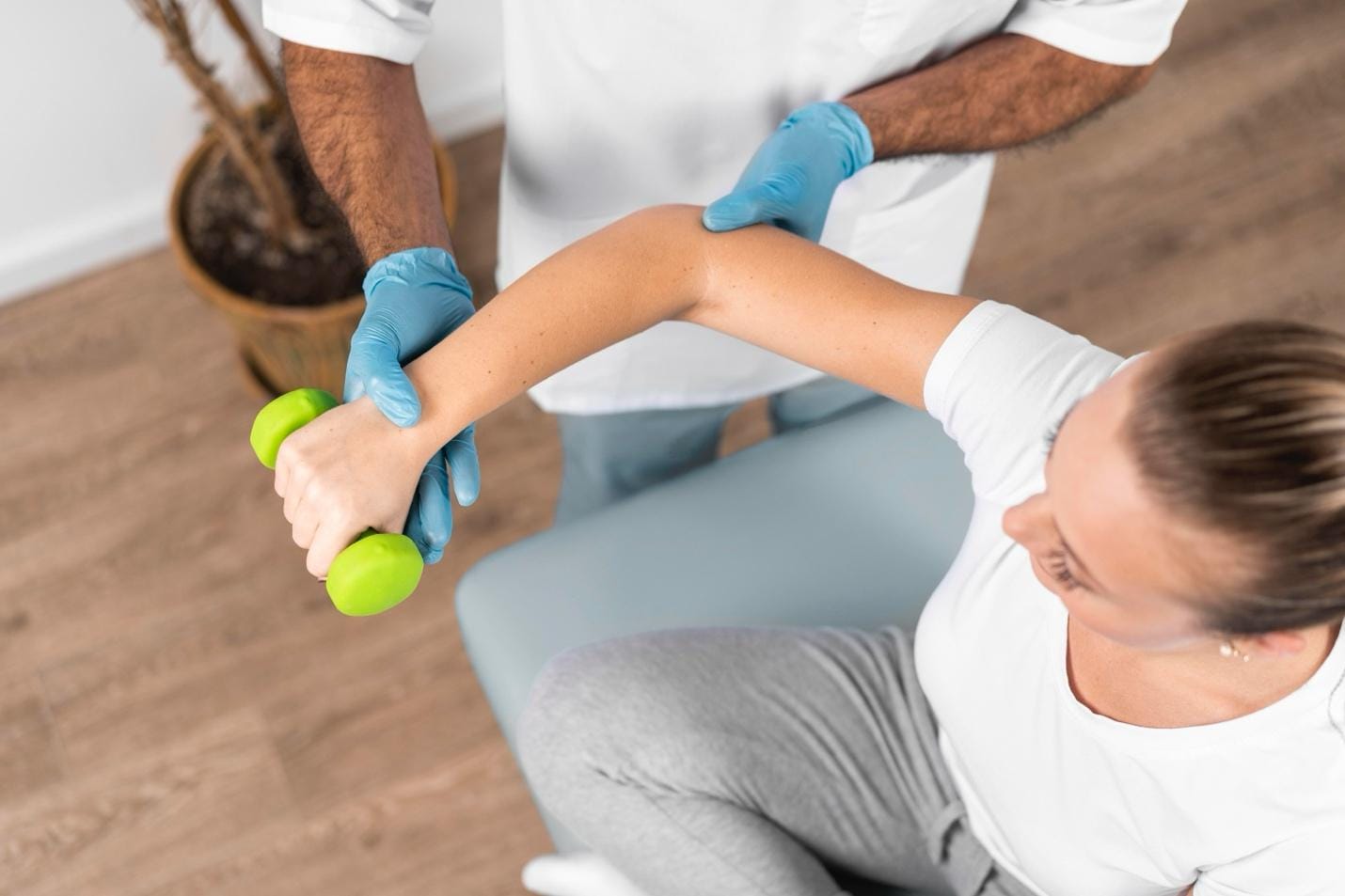
  • Exercise and Strengthening – Building strength in surrounding muscles, such as the quadriceps and hamstrings, helps relieve stress on the joint and improve stability.
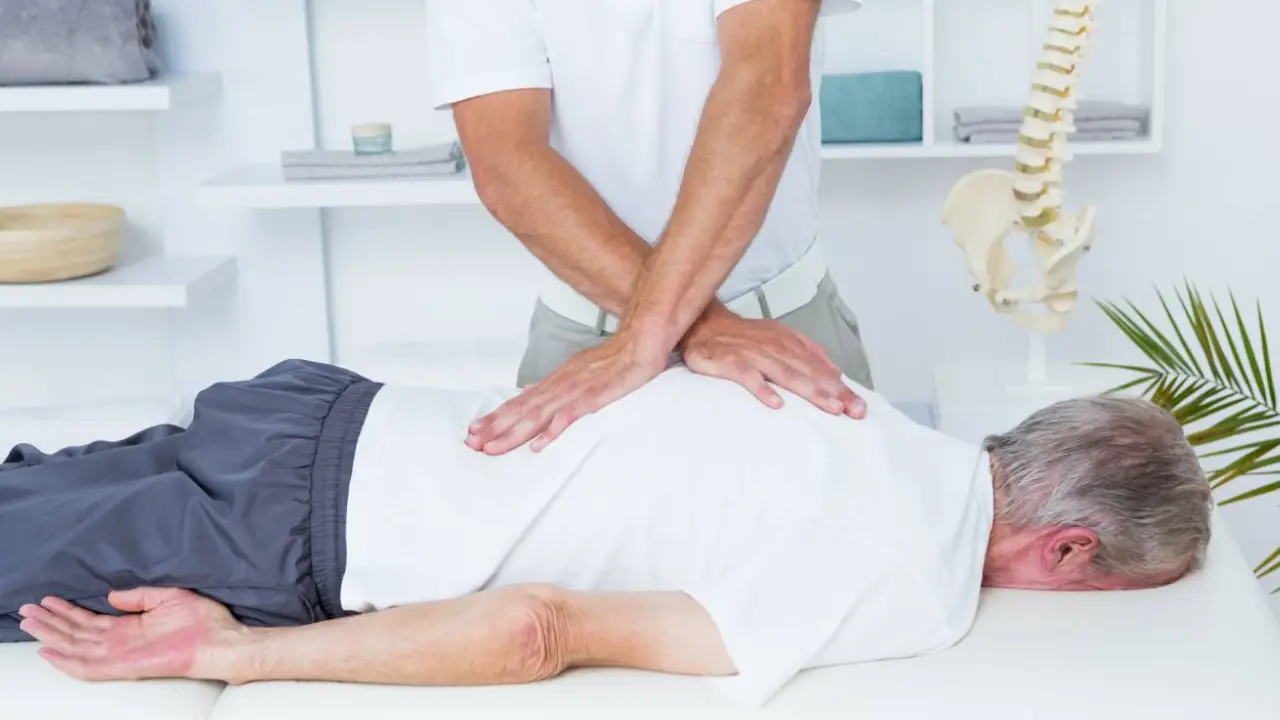
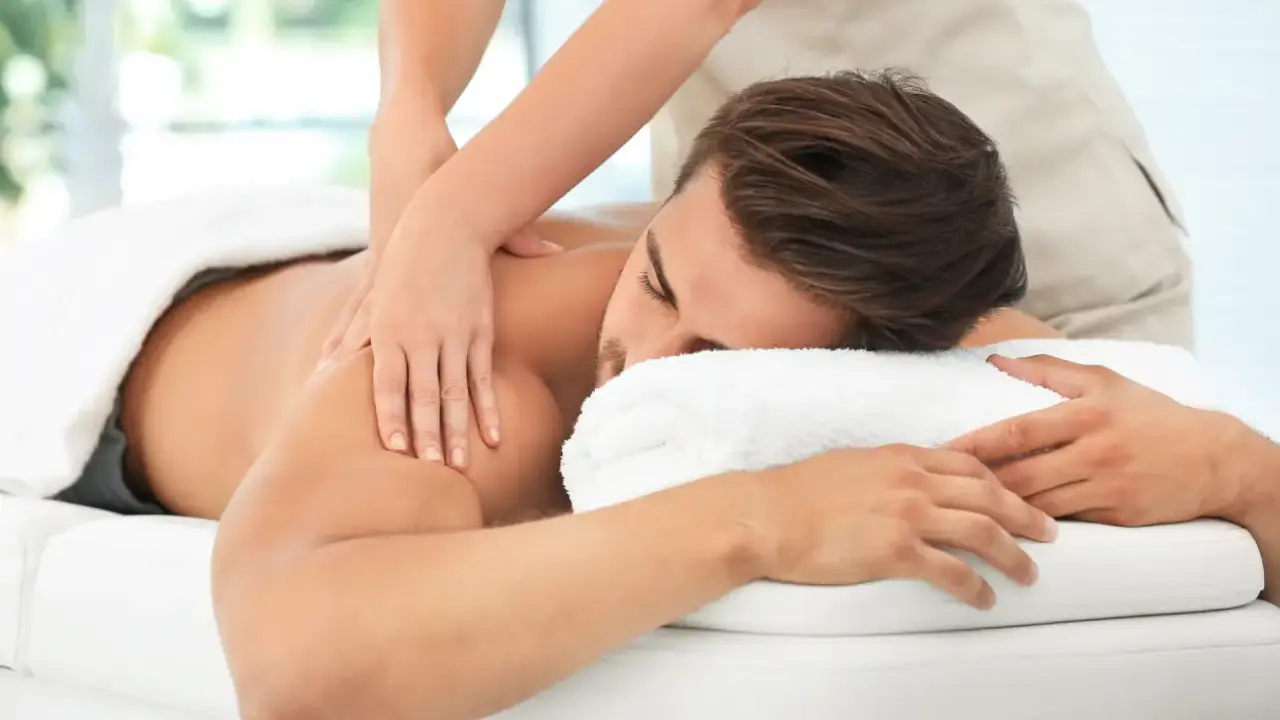
  • Manual Therapy – Hands-on techniques that will enhance Mobility and reduce stiffness.
  • Taping or Bracing – Providing external support to improve alignment or reduce strain during activity.
  • Education on Posture and Movement – Learning correct techniques for walking, sitting, and exercising to minimize further stress.
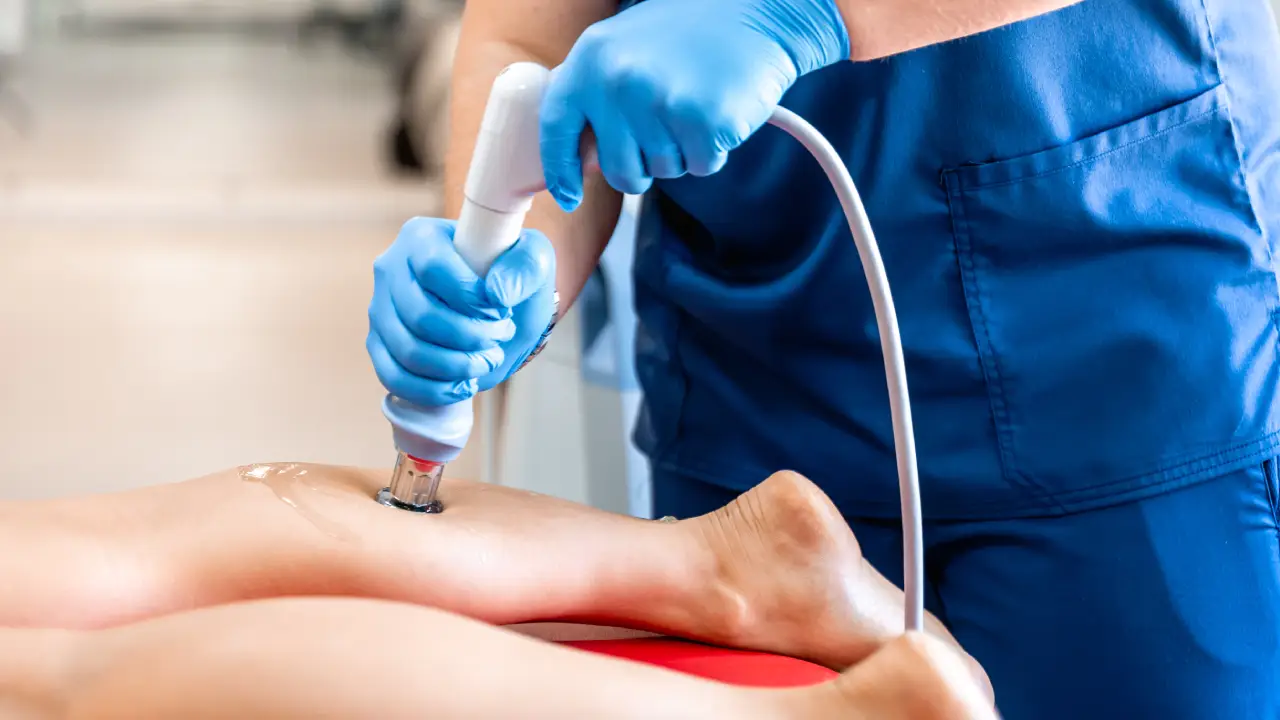
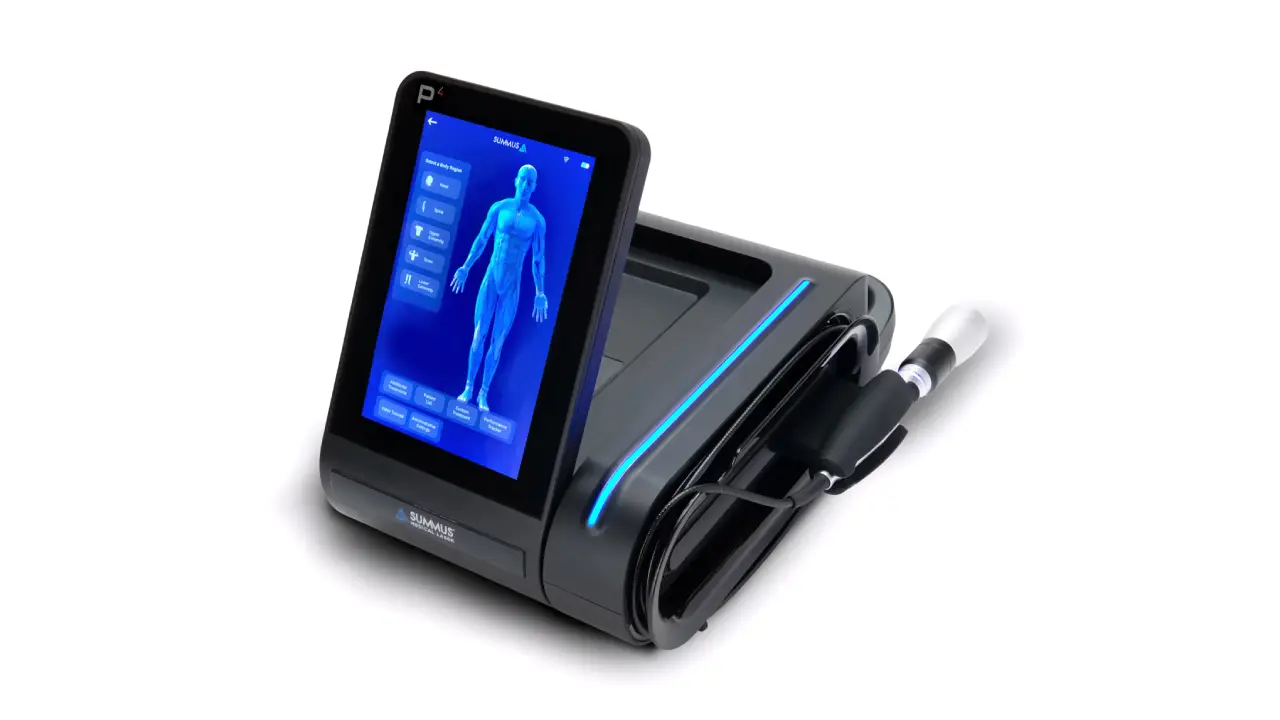
  • Modalities for Pain Relief – Therapists may employ various options, including heat, cold, ultrasound, and electrical stimulation, to manage pain and swelling.
  • Referral for Medical Evaluation – In some cases, further assessment, such as imaging or consultation with a physician, may be necessary to confirm the diagnosis or explore advanced treatment options.

Prevention of Future Problems: knee decompression in bolton

Preventing knee pain involves more than addressing the immediate issue. Taking proactive steps can reduce recurrence and maintain long-term joint health:

  • Warm up properly before physical activity.
  • Avoid sudden increases in exercise intensity.
  • Strengthen supporting muscles consistently.
  • Pay attention to early signs of discomfort rather than pushing through pain.

When to Seek Help

If knee pain is persistent, interferes with daily activities, or is accompanied by swelling, clicking, or instability, it is advisable to seek professional care. Early assessment ensures that clinicians choose the proper treatment path and minimize complications.

How Our Clinic Can Assist With knee decompression in bolton

At Assure Physio & Rehab, we evaluate knee pain with a thorough approach that considers your activity level, history of injury, and specific symptoms. From there, we work with you to create a management plan designed to address the cause and support your recovery goals.

Frequently Asked Questions (FAQs)

Q1: What is knee decompression therapy?

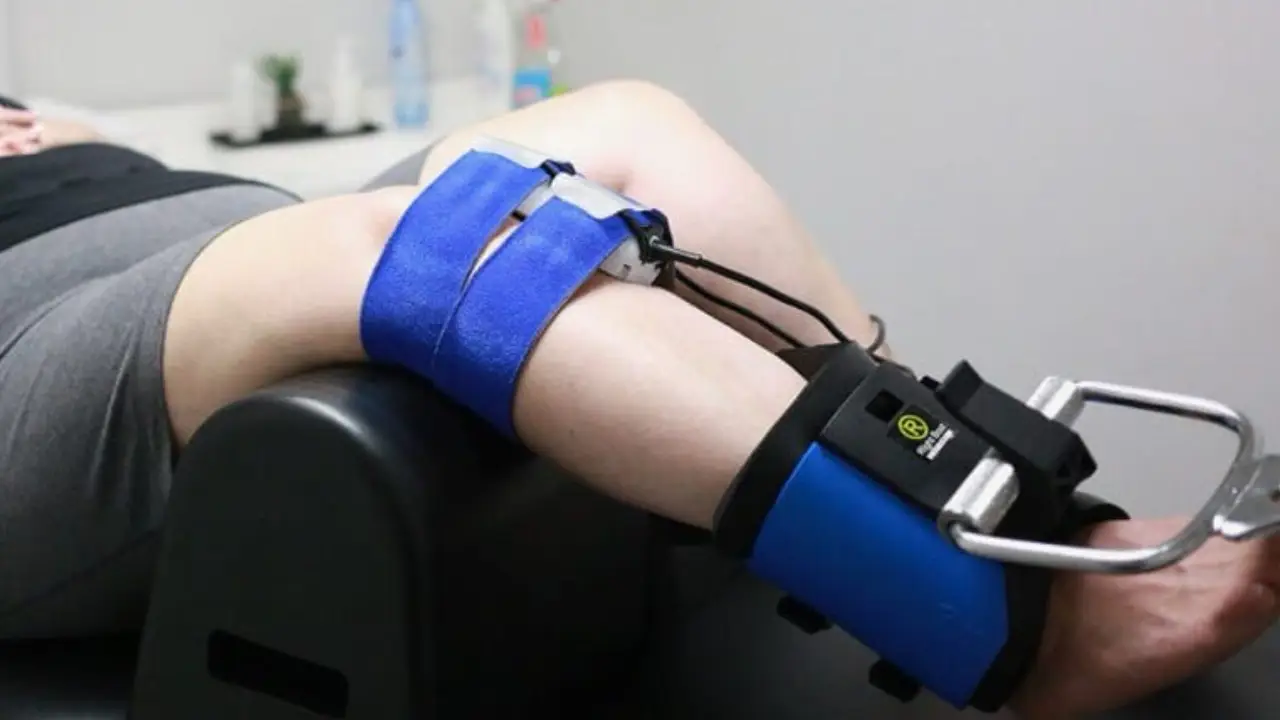
A: It is a non-surgical treatment that gently reduces pressure in the knee joint to relieve pain and improve movement.

Q2: What conditions does knee decompression help?

A: It is commonly used for knee osteoarthritis, cartilage wear, joint degeneration, and chronic knee pain.

Q3: How does knee decompression work?

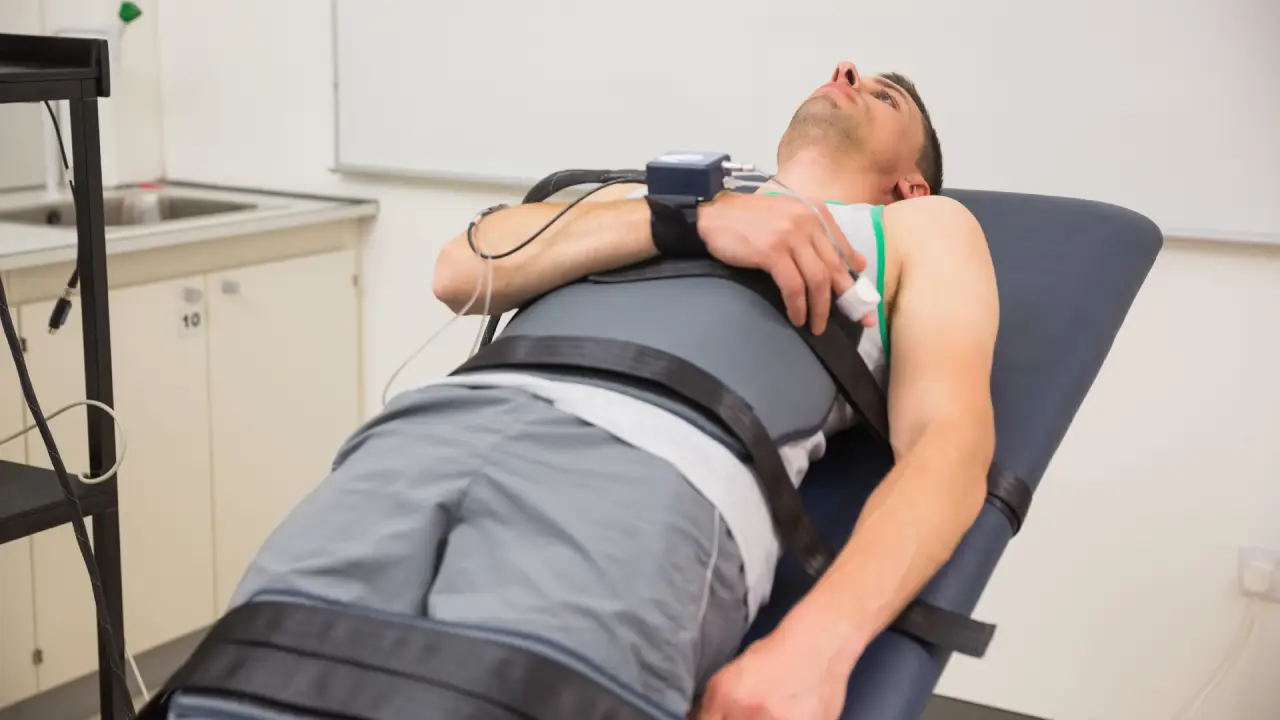
A: Controlled traction creates space in the knee joint, reducing compression and improving circulation.

Q4: Is knee decompression painful?

A: No. The treatment is generally comfortable and well tolerated.

Q5: How long does a session take?

A: Sessions usually last 15–30 minutes.

Q6: How many sessions are needed?

A: Most patients require multiple sessions over several weeks for best results.

Q7: Is knee decompression safe?

A: Yes, when performed by trained professionals, it is a safe and non-invasive therapy.

Need An Emergecny Help

Call: 905-206-5599

If you require urgent assistance, our team is here to respond quickly and guide you toward the care you need. Don’t hesitate to reach out—help is just a call away.

Book Now

image

Copyright © Assure Physio & Rehab. All Rights Reserved | Privacy Policy | Terms Of Use

Designed & Developed By Convirzon
Seraphinite AcceleratorOptimized by Seraphinite Accelerator
Turns on site high speed to be attractive for people and search engines.