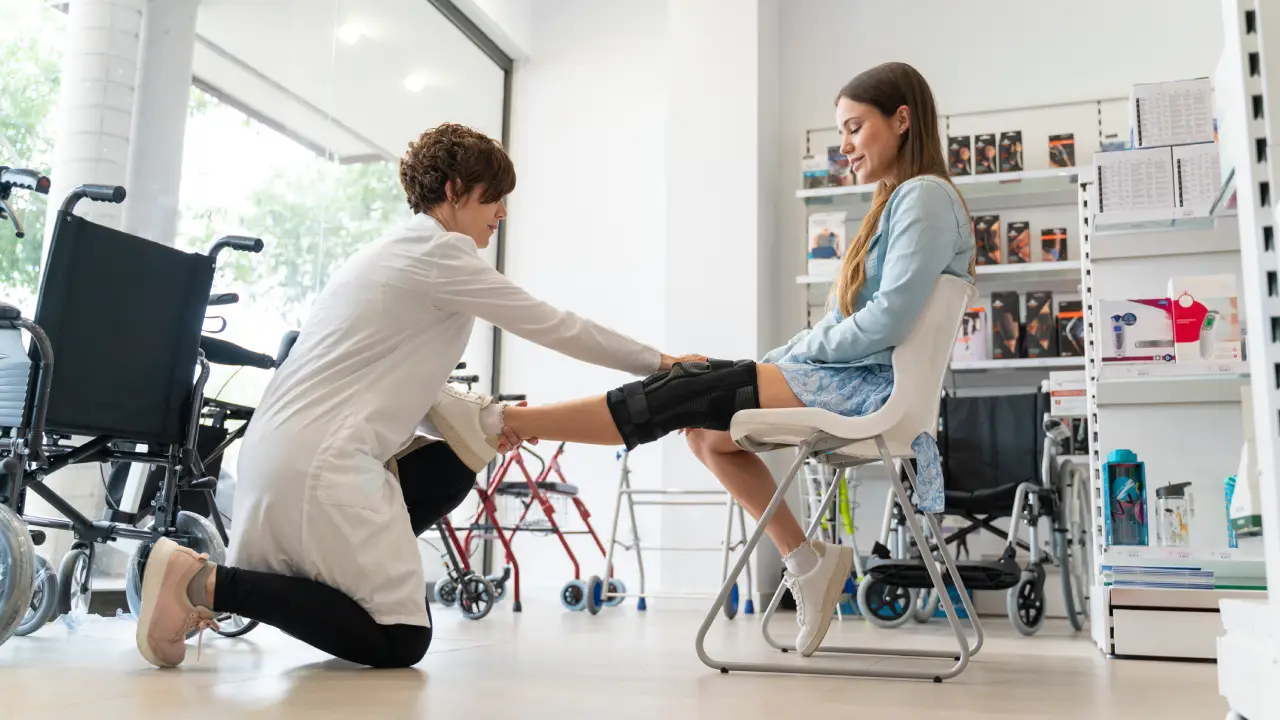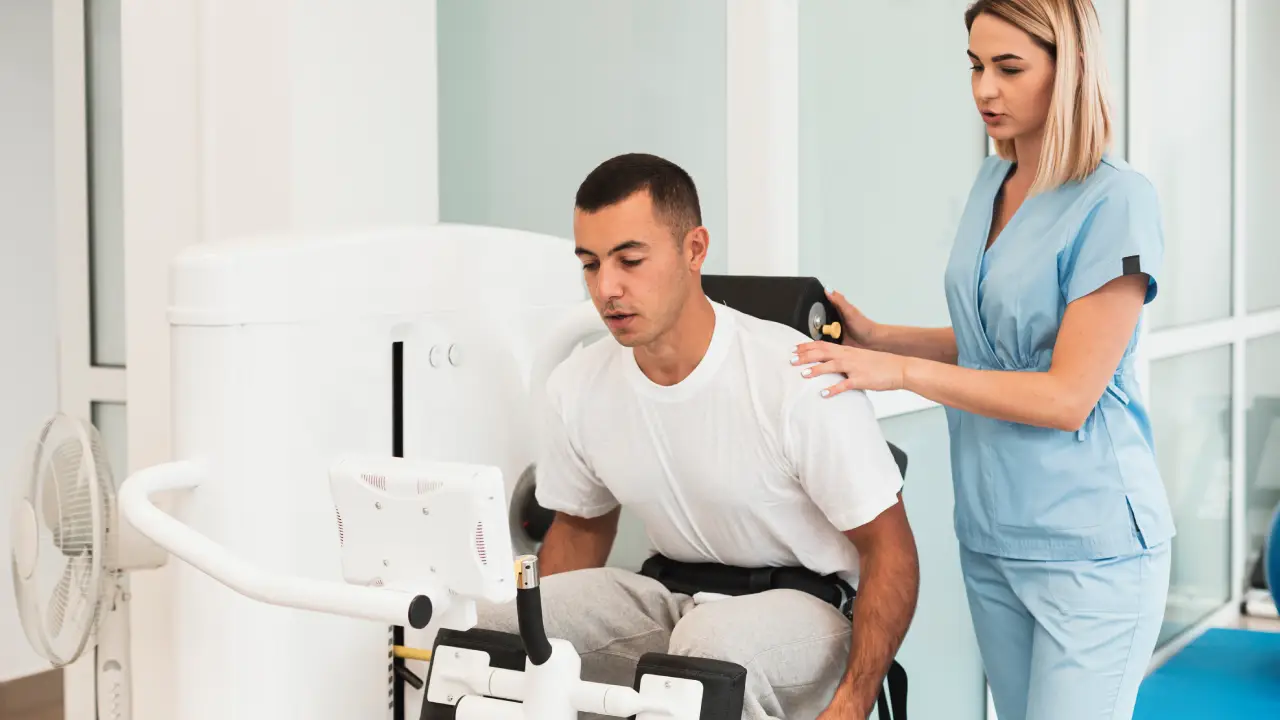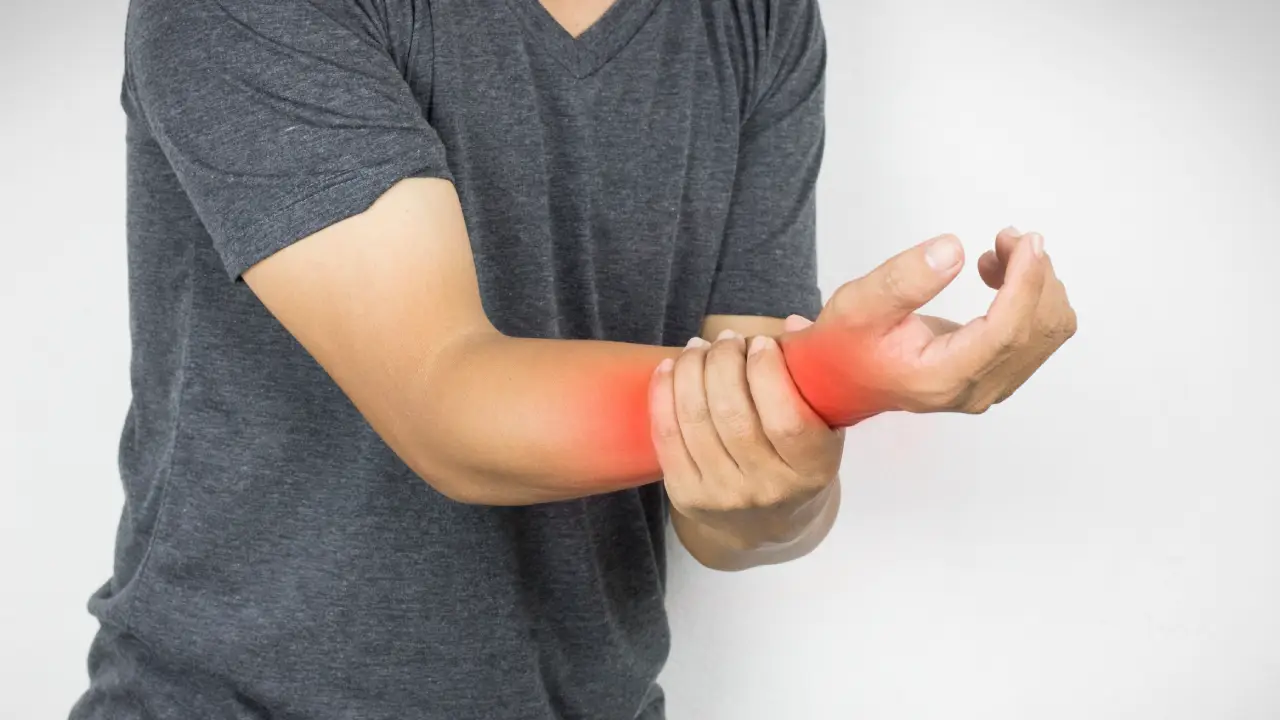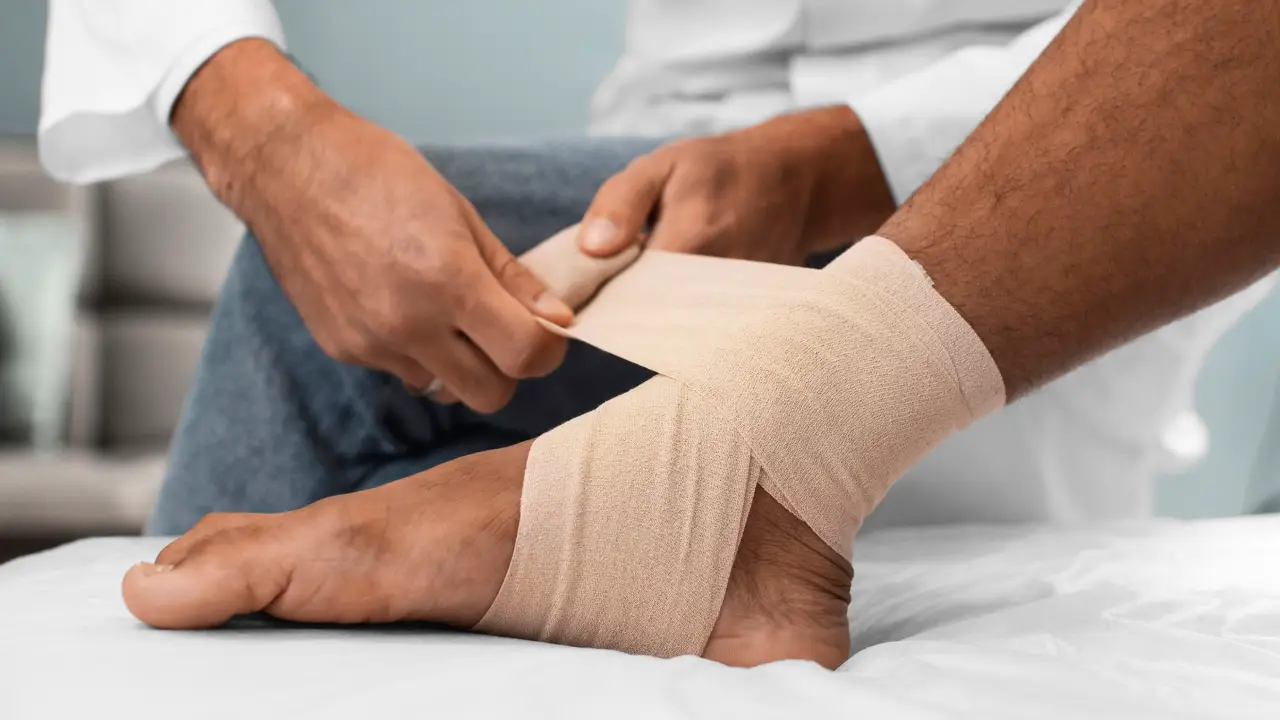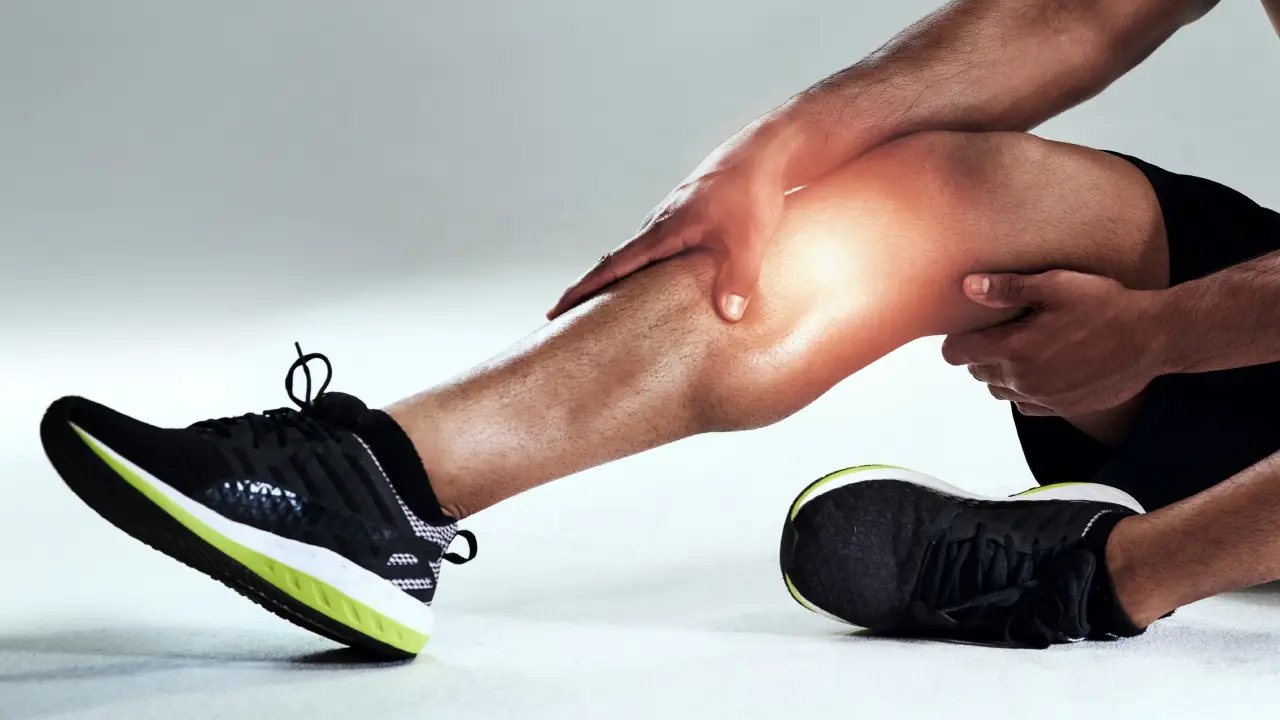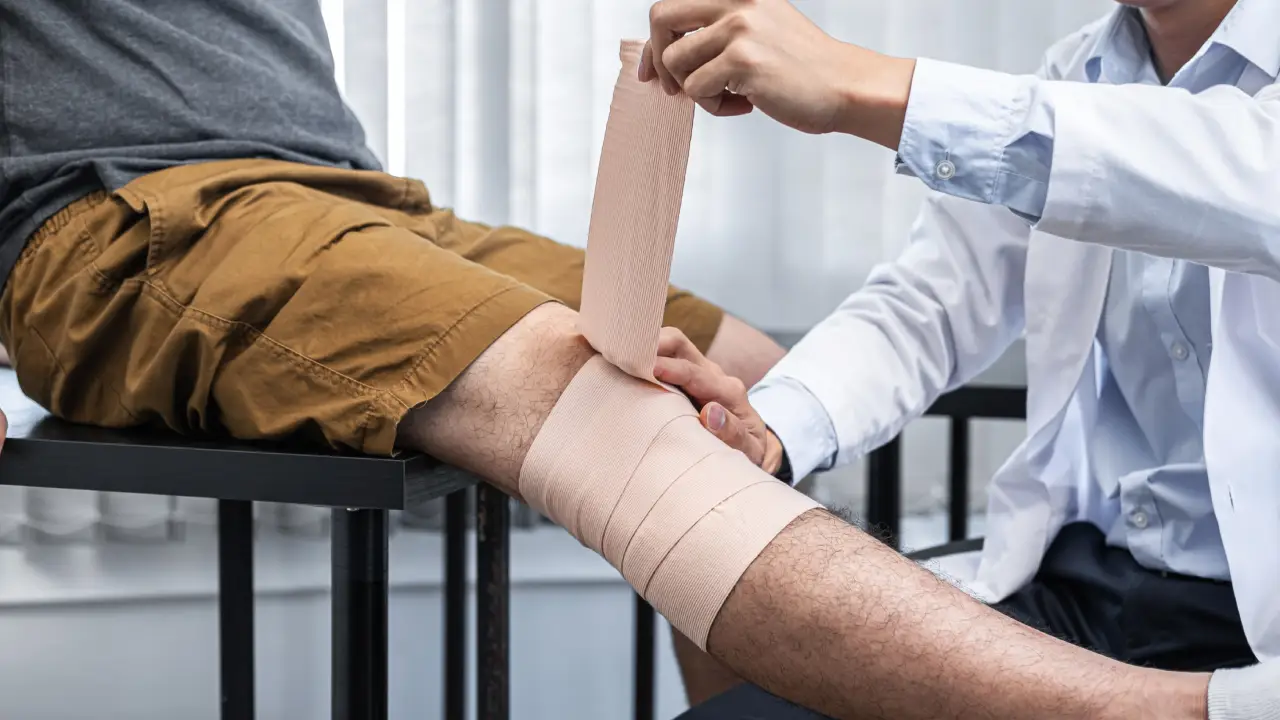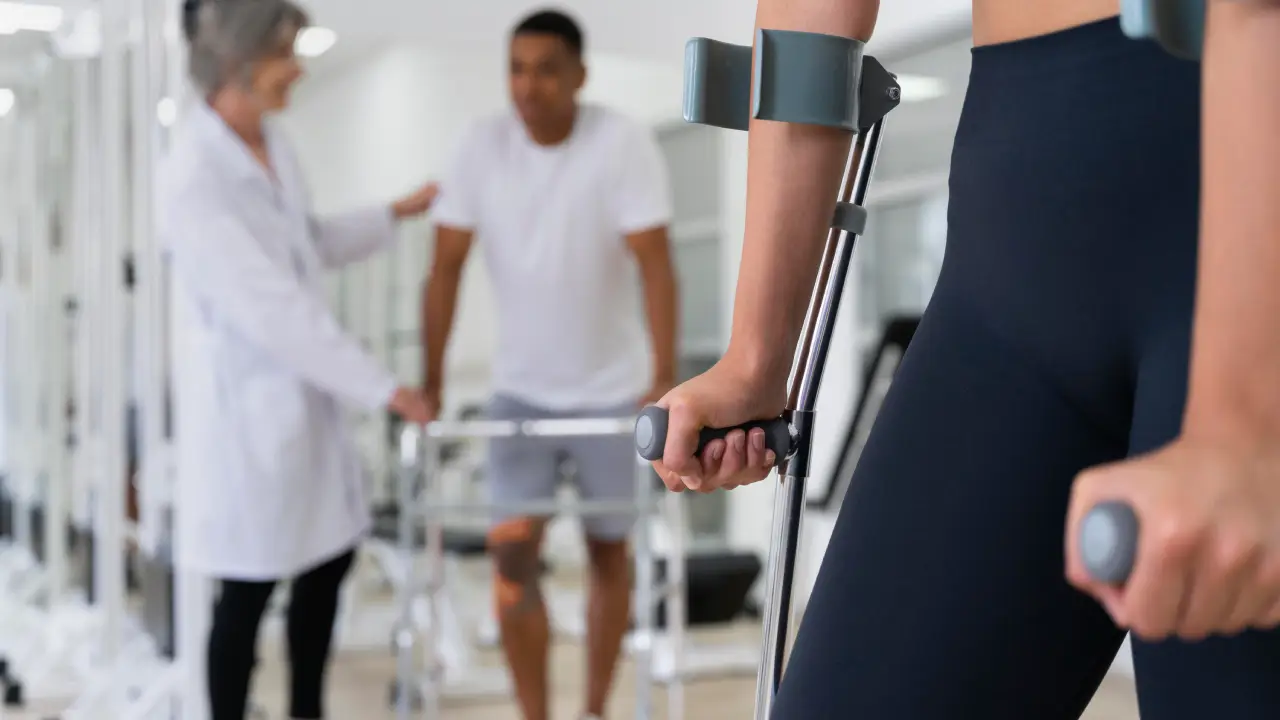

Shin splints are a common condition affecting the lower legs, particularly among runners, athletes, and individuals who increase their training intensity rapidly. The condition manifests as pain along the shin bone, resulting from repetitive stress on the muscles, tendons, and bone tissue in the lower leg. Although often seen in sports enthusiasts, shin splints can also affect anyone who engages in high-impact activities without proper preparation or conditioning.
The hallmark of shin splints is tenderness and discomfort along the inner edge of the shin bone. This pain may start as a dull ache during activity and can progress to a sharper, persistent pain over time. Other symptoms include:
These symptoms may appear gradually and can affect one or both legs. Ignoring early signs can make daily activities, like walking or climbing stairs, uncomfortable and increase the risk of further injury.
Shin splints are typically caused by repetitive stress on the lower leg, leading to inflammation of the muscles, tendons, and bone tissue. Common contributing factors include:
Athletes, particularly runners, dancers, and military recruits, are more susceptible to shin splints because of the high-impact nature of their activities. However, anyone who increases physical activity without gradual conditioning may experience this condition.
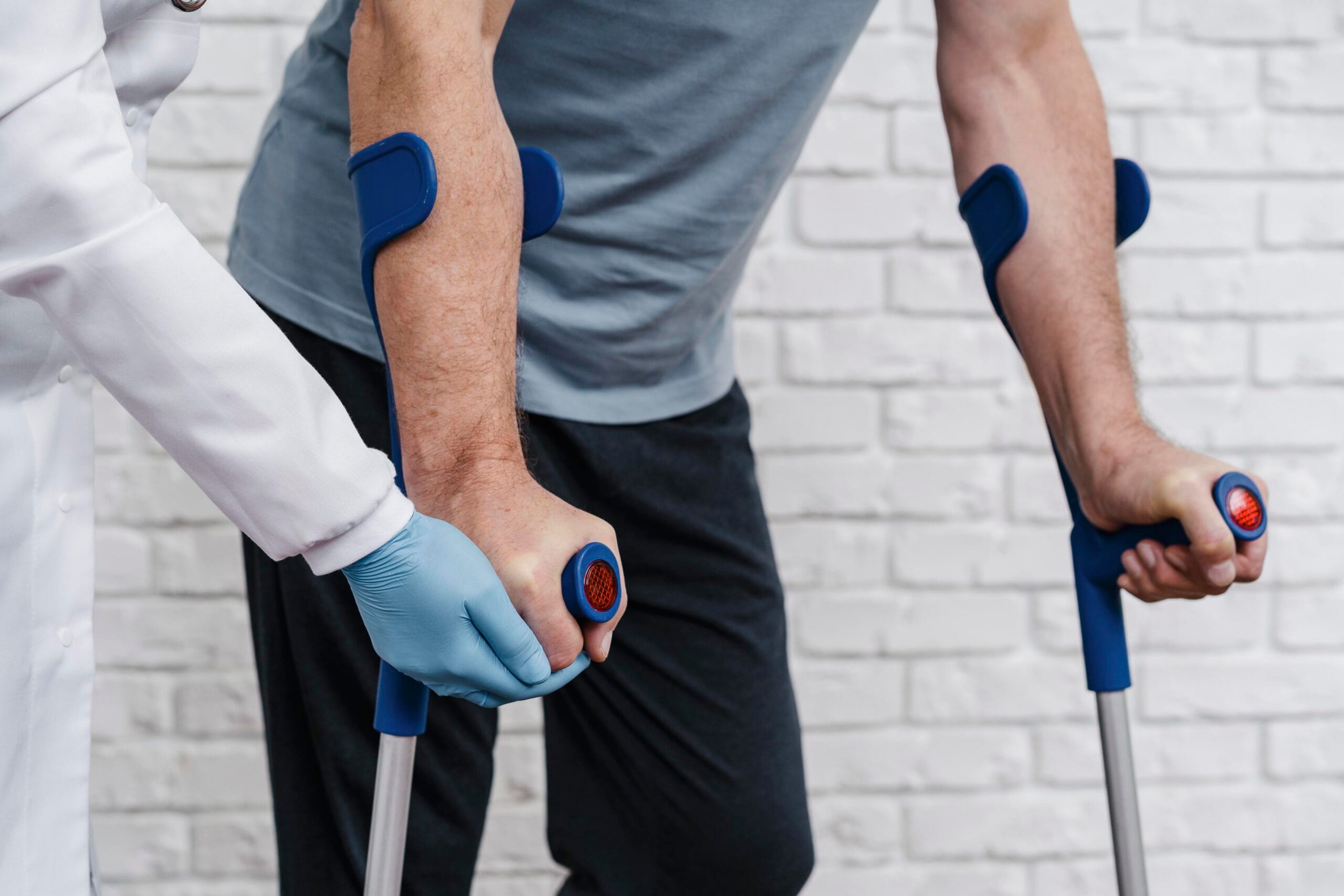
Although shin splints are often manageable, ignoring the condition can result in more serious problems. Persistent stress on the shin bone may lead to stress fractures, which require more extended recovery periods and can limit Mobility. Chronic shin pain can also interfere with work, sports, or daily routines, making early attention critical for maintaining an active lifestyle.
At our clinic, careful evaluation helps distinguish shin splints from other conditions with similar symptoms, such as stress fractures, tendonitis, or compartment syndrome. A thorough assessment typically includes:
Accurate diagnosis is crucial for developing a plan that addresses the underlying causes and reduces the likelihood of recurrence.
Managing shin splints involves a combination of strategies that reduce pain, support healing, and prevent further injury. Common approaches include:
Reducing high-impact activities allows inflamed tissues to recover. Temporary replacement with low-impact exercises, such as swimming or cycling, can help maintain fitness without aggravating the shin pain.
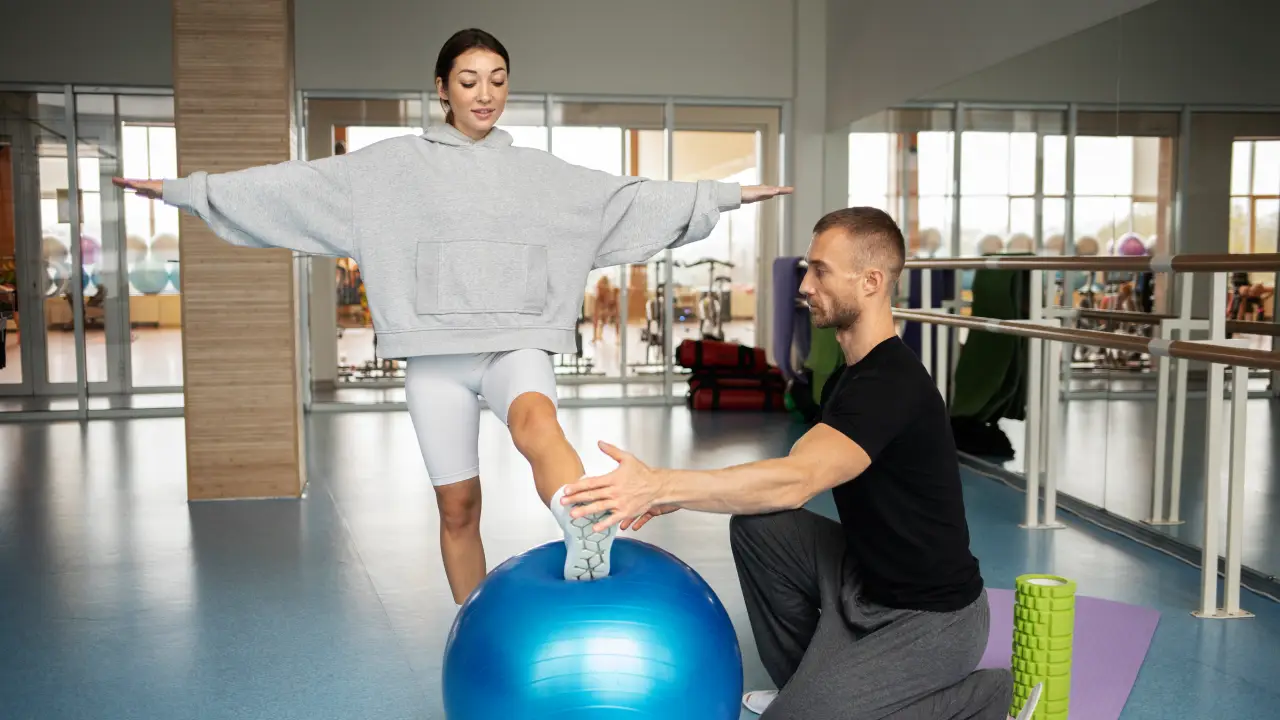
Specific exercises help strengthen the muscles surrounding the shin and improve lower leg stability. Stretching exercises for the calf muscles and Achilles tendon can also relieve tension that contributes to discomfort.
Proper footwear and supportive insoles can correct mechanical issues, reduce stress on the shin, and improve overall alignment during activity.
Applying ice to the affected area can help decrease swelling and tenderness. Short-term use of anti-inflammatory Medication, under professional guidance, may provide additional Relief.
Once symptoms subside, a progressive return to regular activity ensures the shins adapt safely to the demands of exercise. Incorporating proper warm-ups, cooldowns, and stretching routines can further reduce the risk of recurrence.
Preventing shin splints requires attention to technique, proper equipment, and adequate conditioning. Helpful measures include:
Prevention strategies are crucial for athletes and active individuals who regularly engage in repetitive, high-impact movements.
If you continue to experience pain despite rest or if it interferes with daily activities, you should seek a professional assessment. Early intervention can prevent progression to more severe injuries like stress fractures and reduce recovery time. Signs that warrant prompt attention include:
At our clinic, a tailored approach ensures that each patient receives the care most suitable to their specific condition. The team evaluates movement patterns, muscle strength, and footwear to develop a plan that addresses both immediate discomfort and long-term resilience. In addition to physical techniques, guidance on activity modification and recovery strategies helps manage symptoms effectively.
Through careful monitoring and structured exercises, many patients experience improved Mobility, reduced pain, and a safe return to their preferred activities. The focus is on supporting the lower leg, correcting contributing factors, and promoting a gradual and sustainable recovery.
If you are experiencing shin pain or want to prevent recurring discomfort, our clinic can help. Contact Assure Physio & Rehab today to schedule an assessment and start on a path toward healthier, pain-free legs.
Copyright © Assure Physio & Rehab. All Rights Reserved | Privacy Policy | Terms Of Use
Designed & Developed By Convirzon
 Optimized by Seraphinite Accelerator