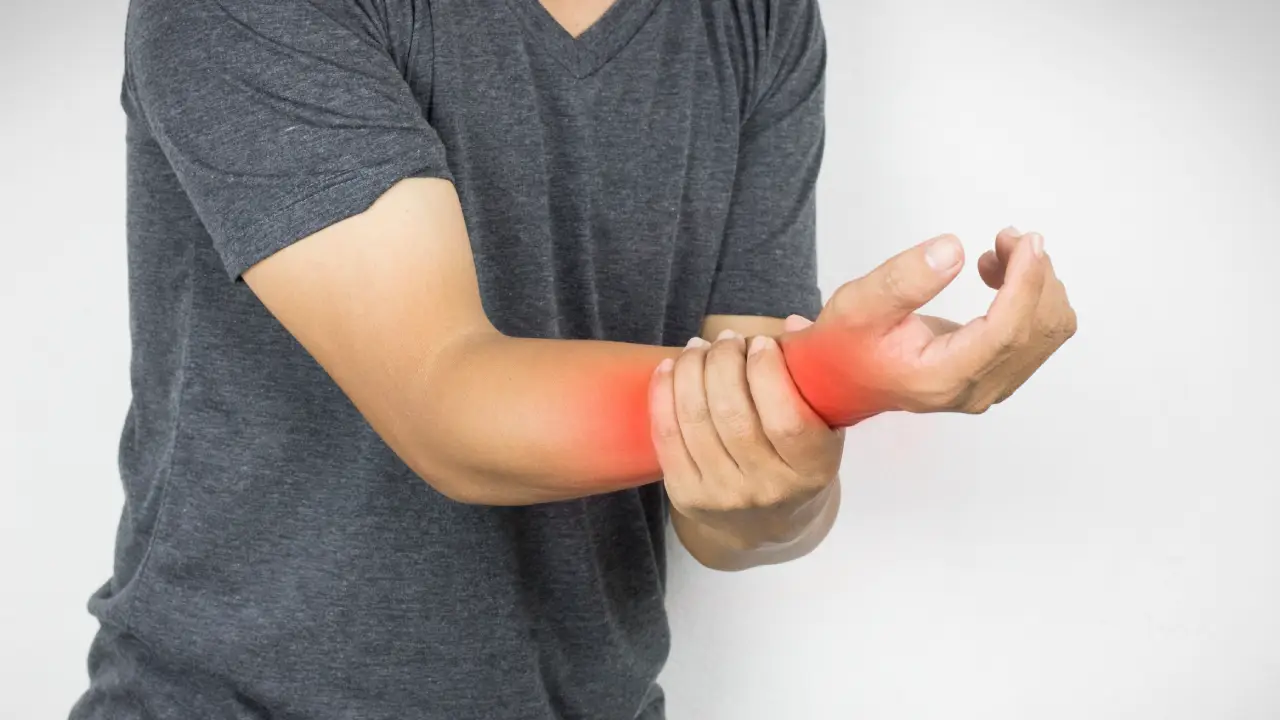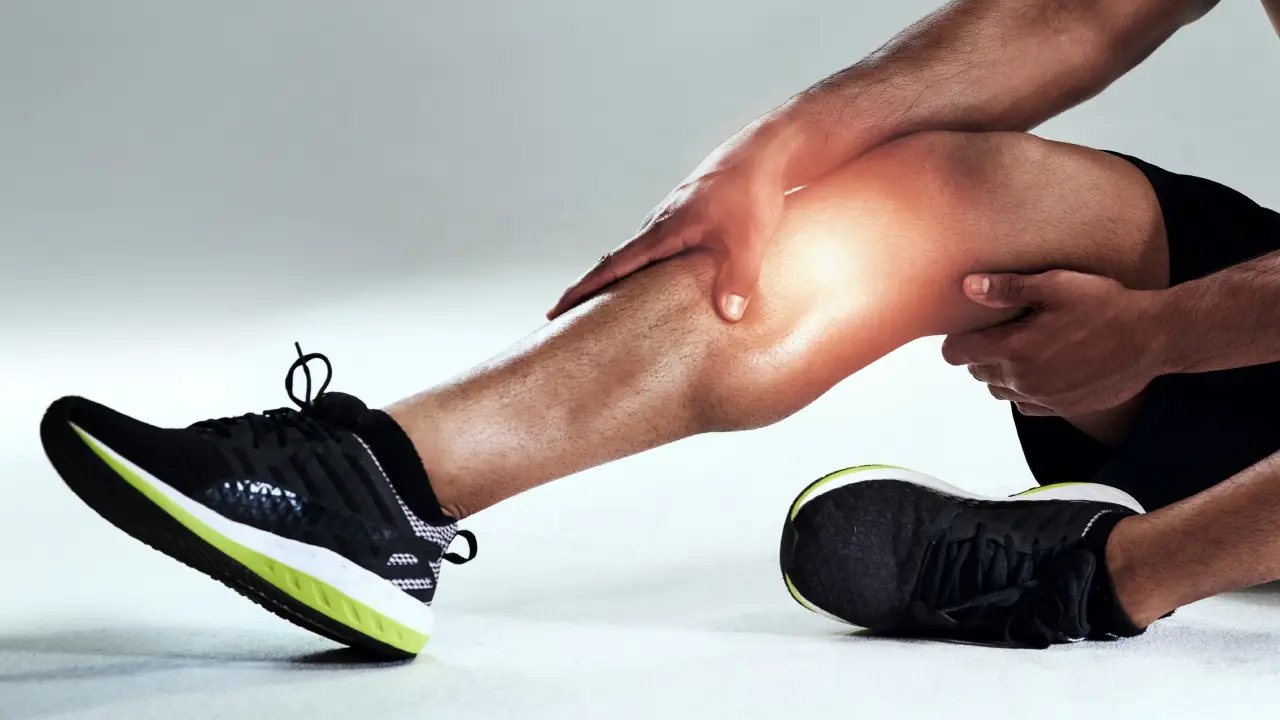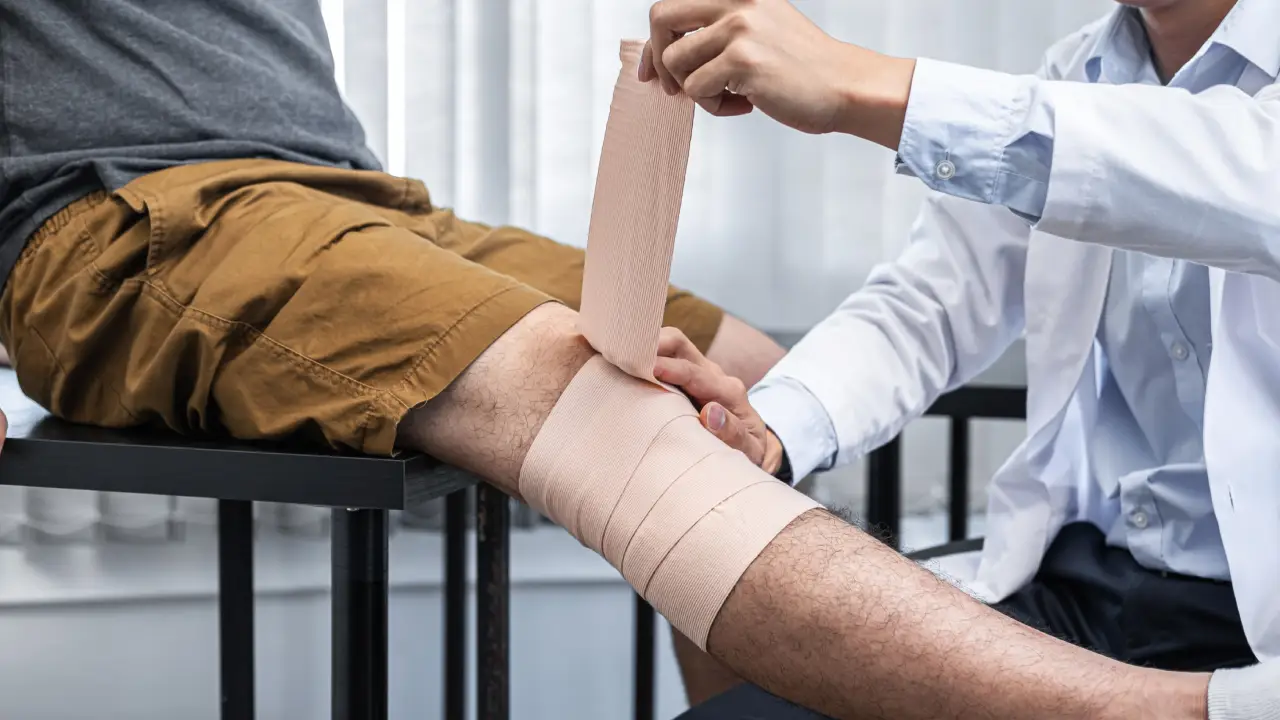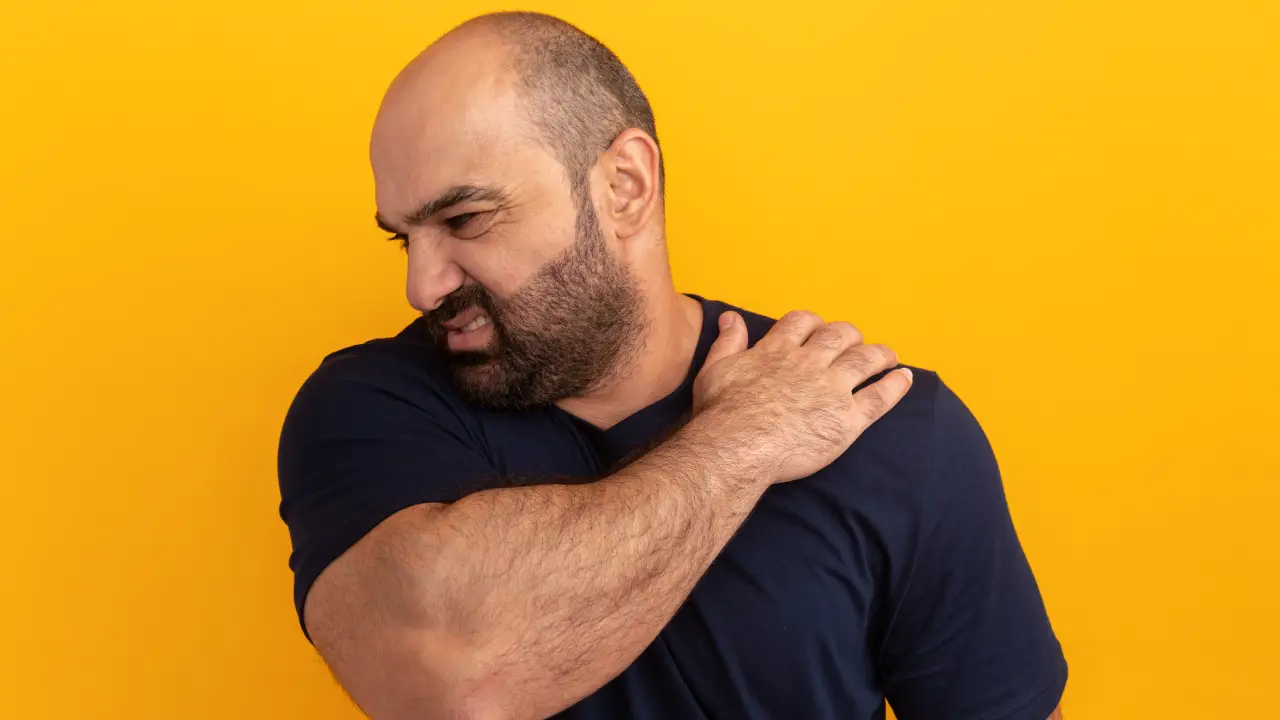

When people repeatedly use the same muscles, tendons, or joints without giving them enough time to recover, they develop repetitive strain injuries (RSIs). These injuries often develop gradually over time, making them easy to overlook until symptoms become severe and disruptive. Common examples include carpal tunnel syndrome, tennis elbow, and rotator cuff injuries. People in occupations or activities that require frequent, repetitive motions—such as typing, assembly work, or sports—are particularly at risk.
When repetitive movements stress tissues beyond their capacity to repair, they cause RSIs. Every movement causes tiny microtears in muscles, tendons, or ligaments. If the body doesn’t have enough time to heal, inflammation, pain, and reduced function can occur. This cumulative damage can affect strength, flexibility, and range of motion, making simple tasks like lifting a coffee cup or typing on a keyboard uncomfortable.
Over time, untreated RSIs may lead to more serious complications. Chronic tendon or nerve irritation can cause persistent pain, muscle weakness, or numbness in the affected area. Early identification and proactive management are key to preventing long-term issues.
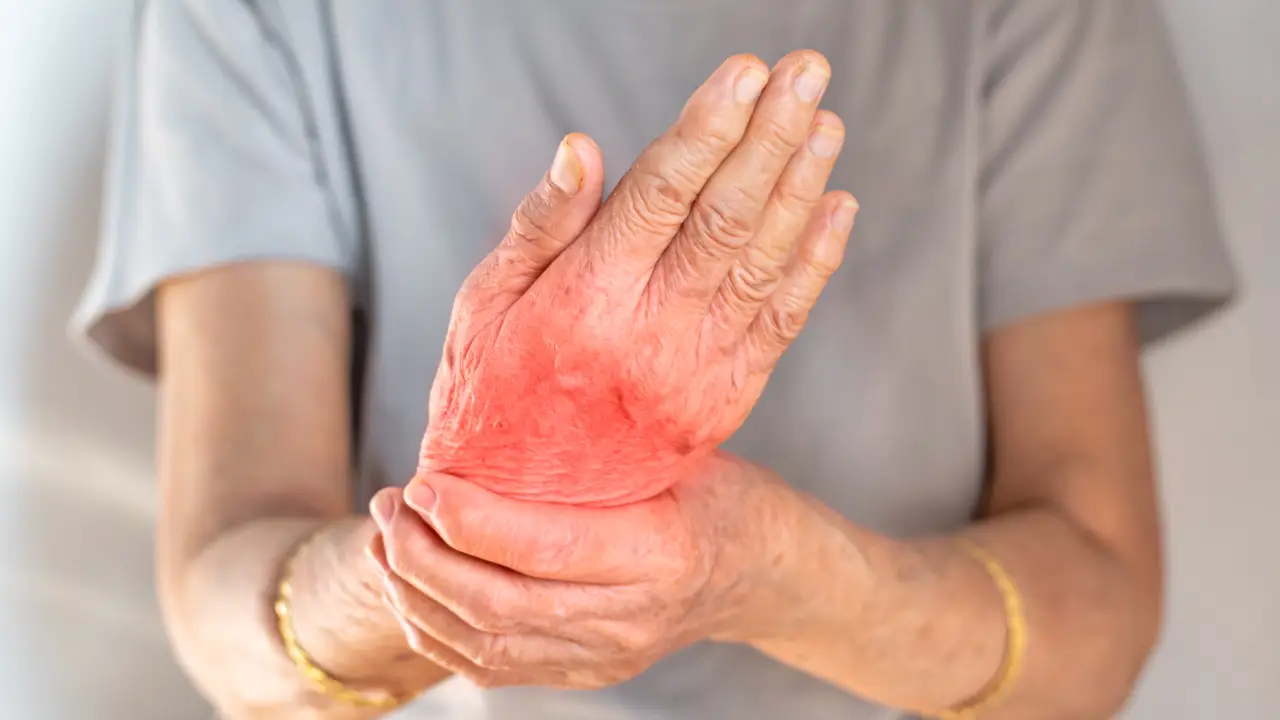
This condition affects the wrist and hand, often causing tingling, numbness, and weakness in the affected area. It commonly develops from extended periods of keyboard use, typing, or assembly line work.
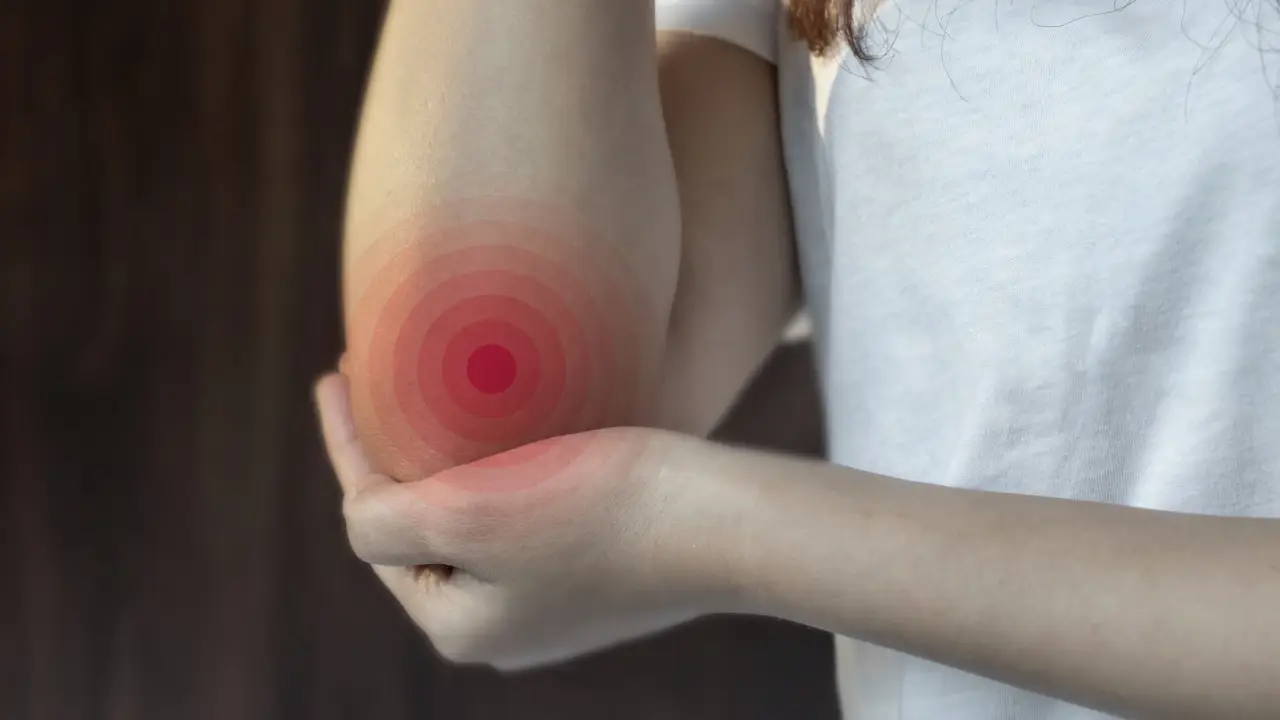
Pain develops on the outside of the elbow, usually from repetitive gripping or lifting. Activities such as tennis, racquet sports, or manual labour can contribute to this condition.
These injuries involve the shoulder muscles and tendons, frequently caused by repeated overhead motions. Pain, stiffness, and reduced shoulder Mobility can result, impacting both daily and occupational tasks.
This affects tendons on the thumb side of the wrist, often from repetitive lifting or twisting movements. Symptoms include swelling, tenderness, and difficulty gripping objects.
Repeated finger movements can inflame the tendons controlling finger flexion, causing pain and limited finger motion.
People often develop RSIs gradually, so they may easily overlook early, subtle symptoms. Common warning signs include:
If these symptoms persist, they can interfere with both work and personal life, making even routine activities challenging.
Several factors increase the likelihood of developing an RSI:
Addressing these factors early can reduce the risk and minimize the severity of symptoms.
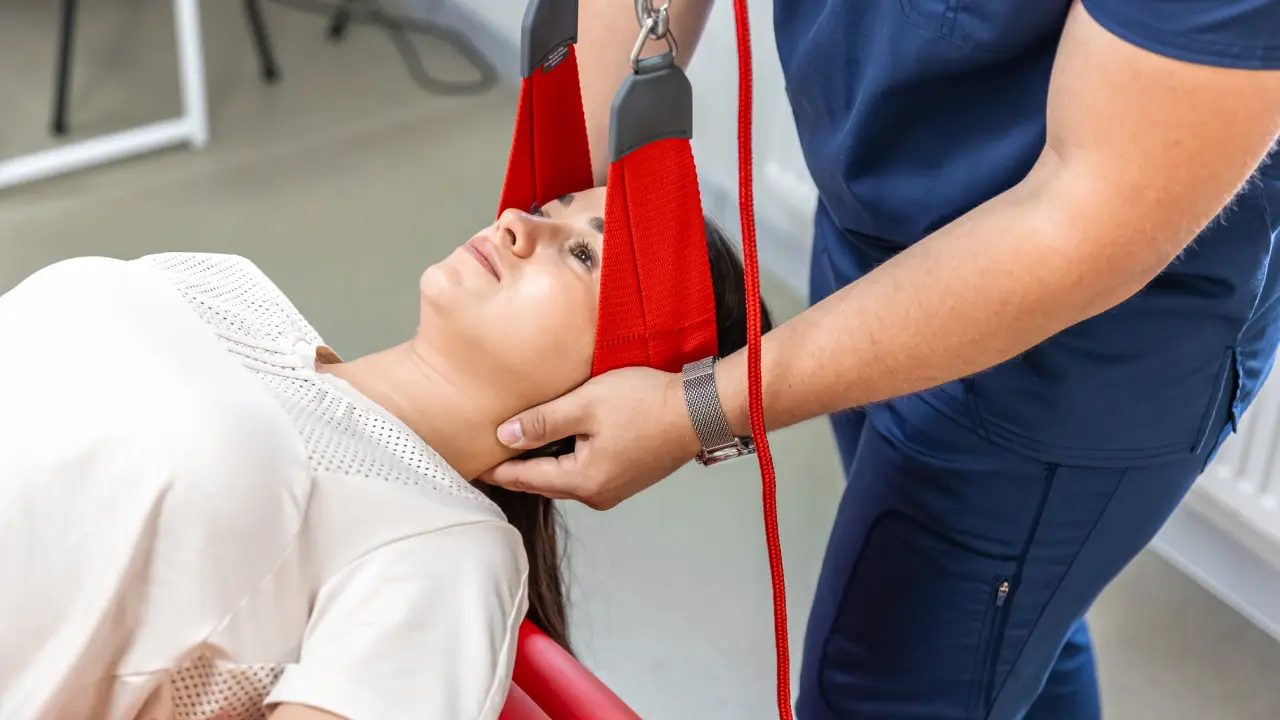
Treatment for RSIs is multifaceted and tailored to each individual’s specific needs. Management often includes:
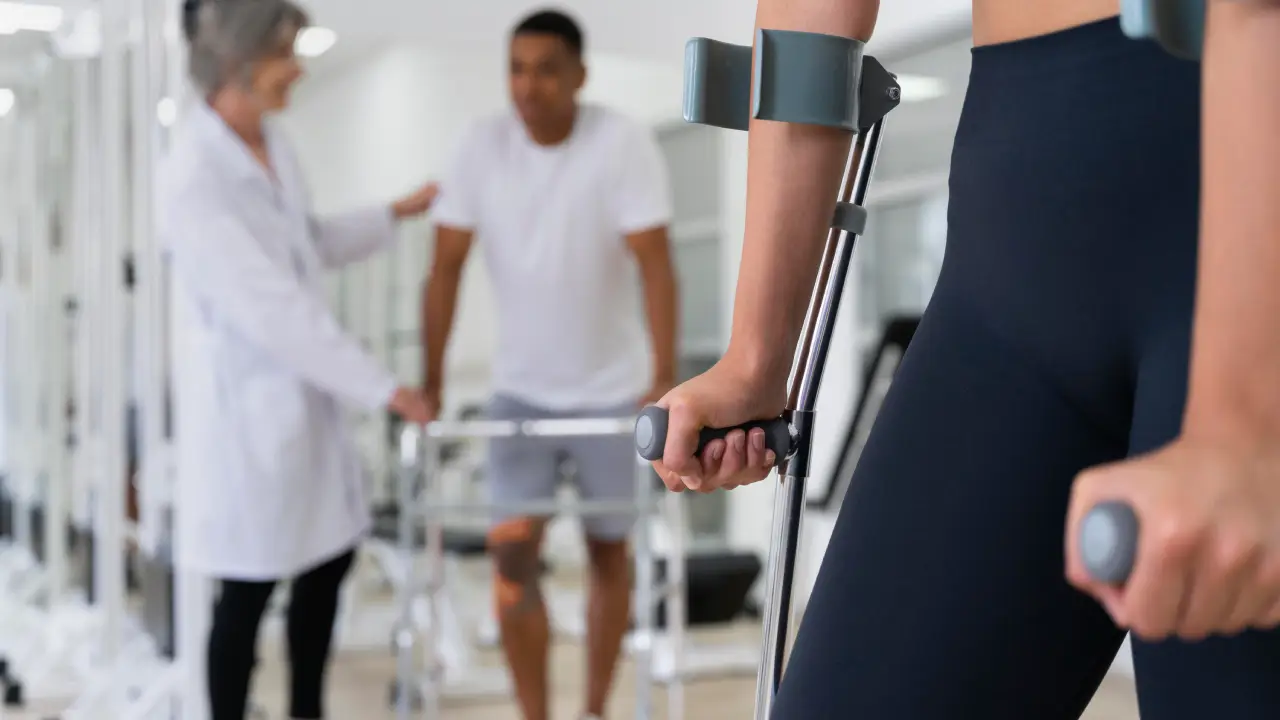
Successful recovery requires a combination of approaches. While activity adjustment and rest are crucial, structured exercises and rehabilitation help restore function and prevent future injuries.
If symptoms of RSIs persist for more than a few days or begin to interfere with daily activities, seeking professional evaluation is essential. Early intervention can prevent minor issues from becoming chronic problems. Persistent pain, weakness, or numbness, particularly when it affects work or personal tasks, indicates the need for a professional assessment.
Healthcare providers may conduct a thorough examination, assess movement patterns, and determine which muscles or joints are most affected. In some cases, doctors may recommend imaging or nerve studies to rule out other conditions. Afterward, they can develop a treatment plan to address the individual’s specific needs.
Reducing the risk of RSIs involves lifestyle and workplace adjustments:
Incorporating these habits early can help prevent the onset of symptoms and protect long-term joint and muscle health.
Even after symptoms improve, ongoing monitoring and maintenance are essential. Continual attention to movement patterns, strength, and flexibility helps reduce the likelihood of recurrence. For individuals with physically demanding jobs or hobbies, this approach ensures that their bodies remain resilient against repetitive stress.
RSIs can significantly affect quality of life if left unaddressed. With the right combination of assessment, therapy, and lifestyle adjustments, many people regain full function and return to their usual activities without ongoing discomfort.
At Assure Physio & Rehab, our clinic provides comprehensive assessment and care plans to help manage overuse and repetitive strain injuries. Our team works with you to identify contributing factors, alleviate symptoms, and guide you in safe movement practices to reduce future risk.
If repetitive strain or overuse injuries are limiting your daily life, contact our clinic today to schedule a consultation and take the first step toward recovery.
Copyright © Assure Physio & Rehab. All Rights Reserved | Privacy Policy | Terms Of Use
Designed & Developed By Convirzon
 Optimized by Seraphinite Accelerator