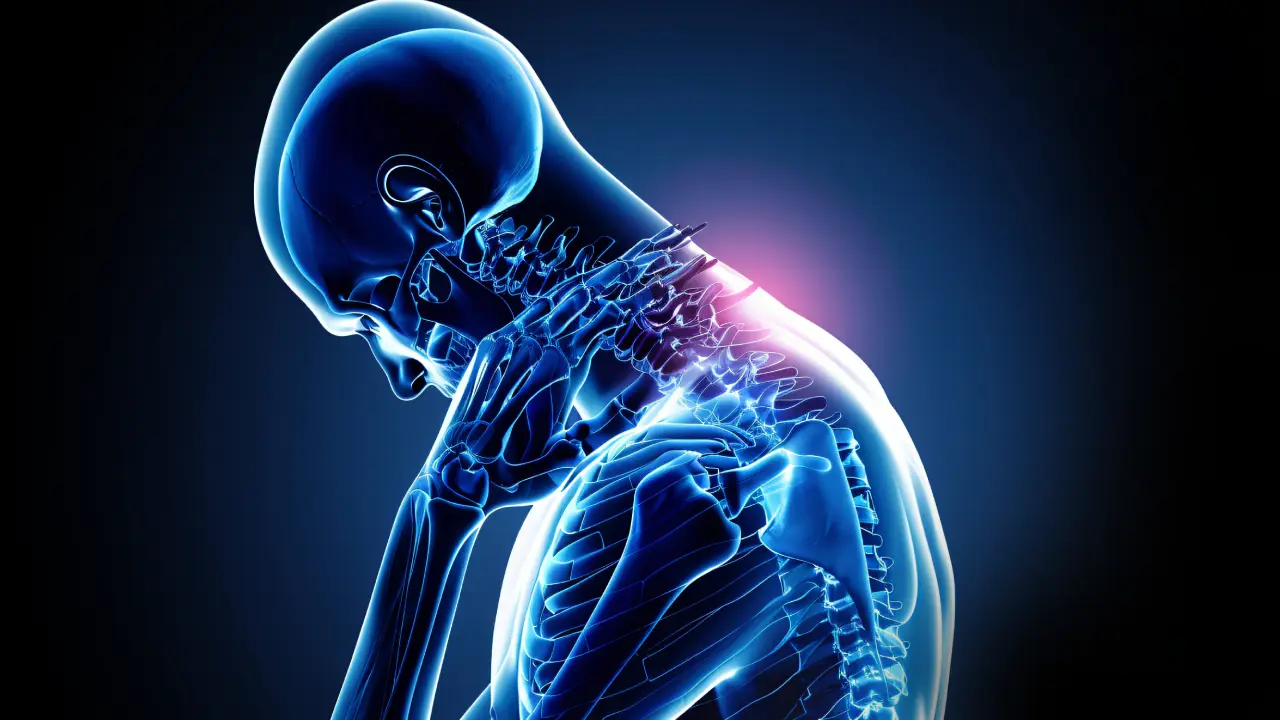

Nerve damage can arise from a variety of causes, including trauma, Surgery, disc problems, or chronic conditions such as diabetes. This condition affects the way signals travel between the brain, spinal cord, and the rest of the body, which can significantly impact sensation, strength, and coordination. Early detection and proper management are crucial for preventing long-term complications and enhancing overall function.
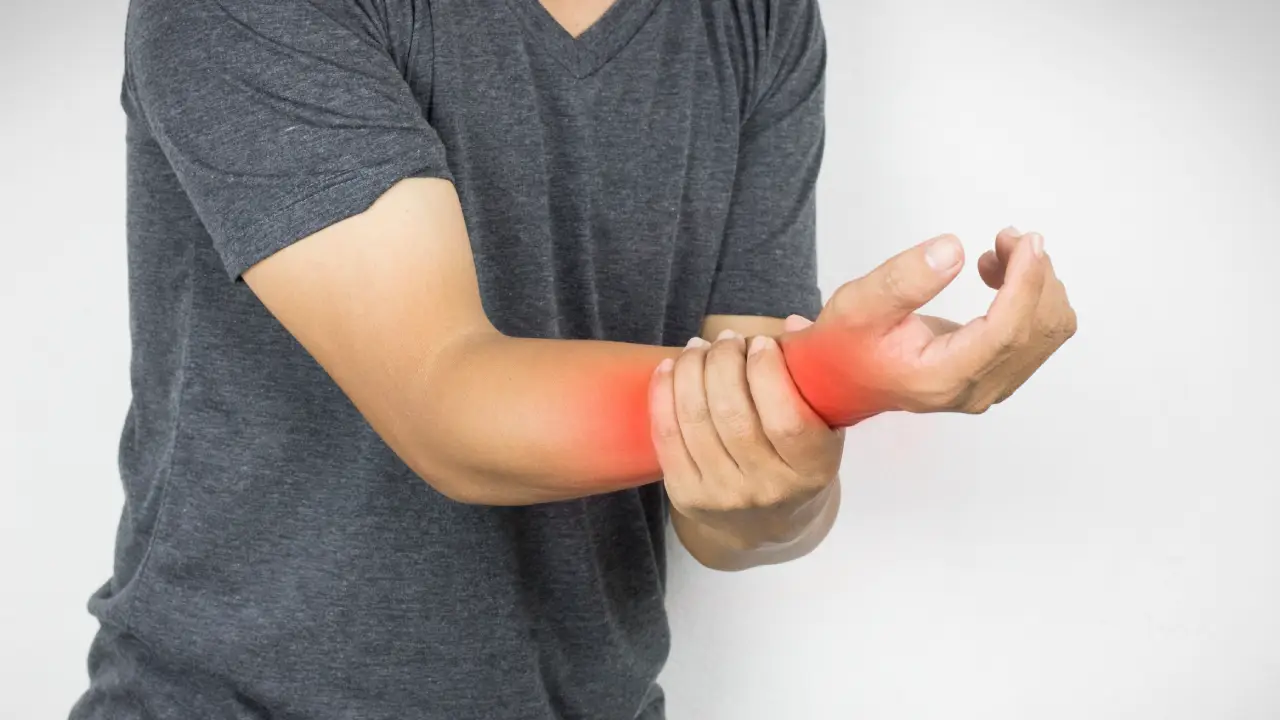
Individuals experiencing nerve injury often notice a range of symptoms. Numbness or a decreased ability to feel touch in certain areas is a frequent complaint. Tingling, frequently described as “pins and needles,” may occur in the hands, feet, or other affected regions. Some people experience burning or sharp, stabbing pain, particularly at night or during activity. Weakness in muscles, reduced coordination, and slower reflexes can also indicate nerve impairment.
It’s important to recognize these symptoms early. Delays in treatment can allow nerve damage to worsen, potentially leading to permanent loss of sensation, muscle atrophy, or functional limitations that affect daily life.
Nerve injuries can develop from numerous factors:
Identifying the underlying cause is crucial for tailoring a treatment plan. A careful evaluation of medical history, imaging studies, and physical testing helps guide recovery strategies.
Nerve damage can significantly impact various aspects of daily living. Reduced sensation may make it difficult to grip objects, walk safely, or maintain balance. Muscle weakness and coordination issues can hinder tasks such as writing, typing, cooking, or driving. Pain, tingling, or burning sensations may interfere with sleep, concentration, and overall wellbeing.
Addressing nerve damage promptly can improve comfort, restore function, and reduce the risk of long-term disability.
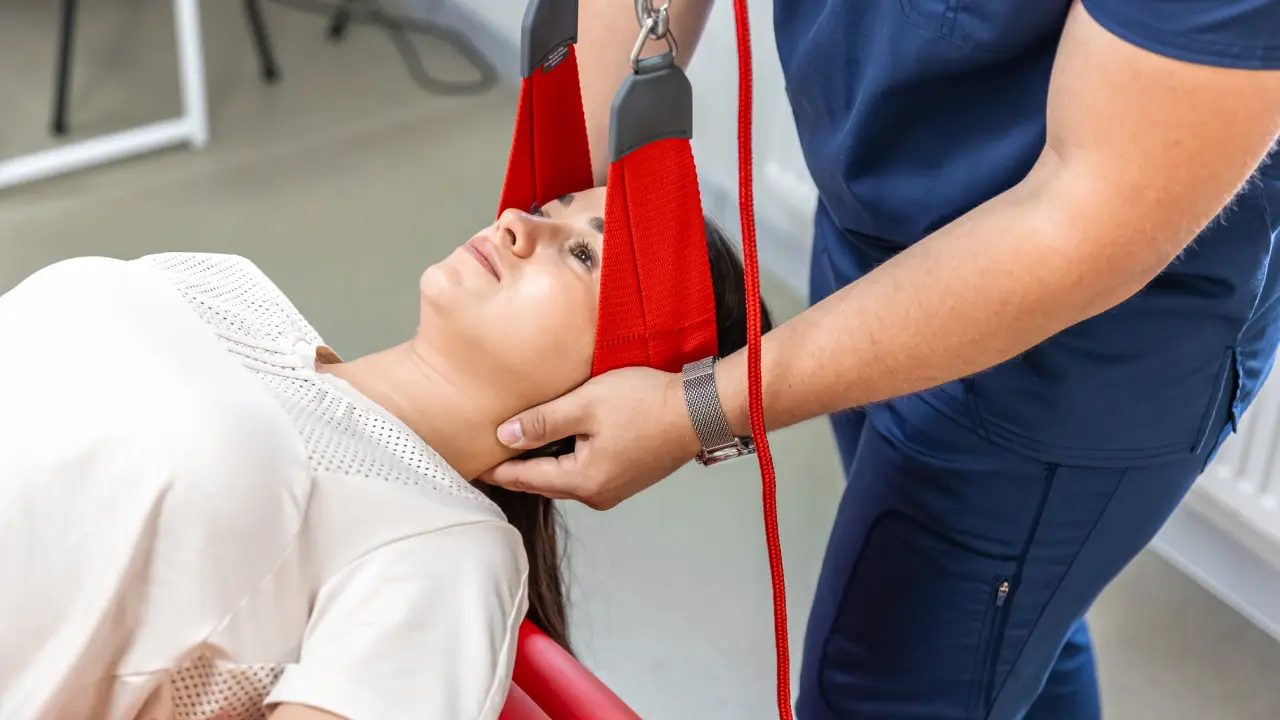
Effective management of nerve damage involves multiple approaches beyond traditional physiotherapy exercises:
Recovery from nerve damage varies depending on the severity and duration of the injury. Some individuals experience improvement within weeks, while others may require several months of consistent management to regain function. Patience and a structured approach are key.
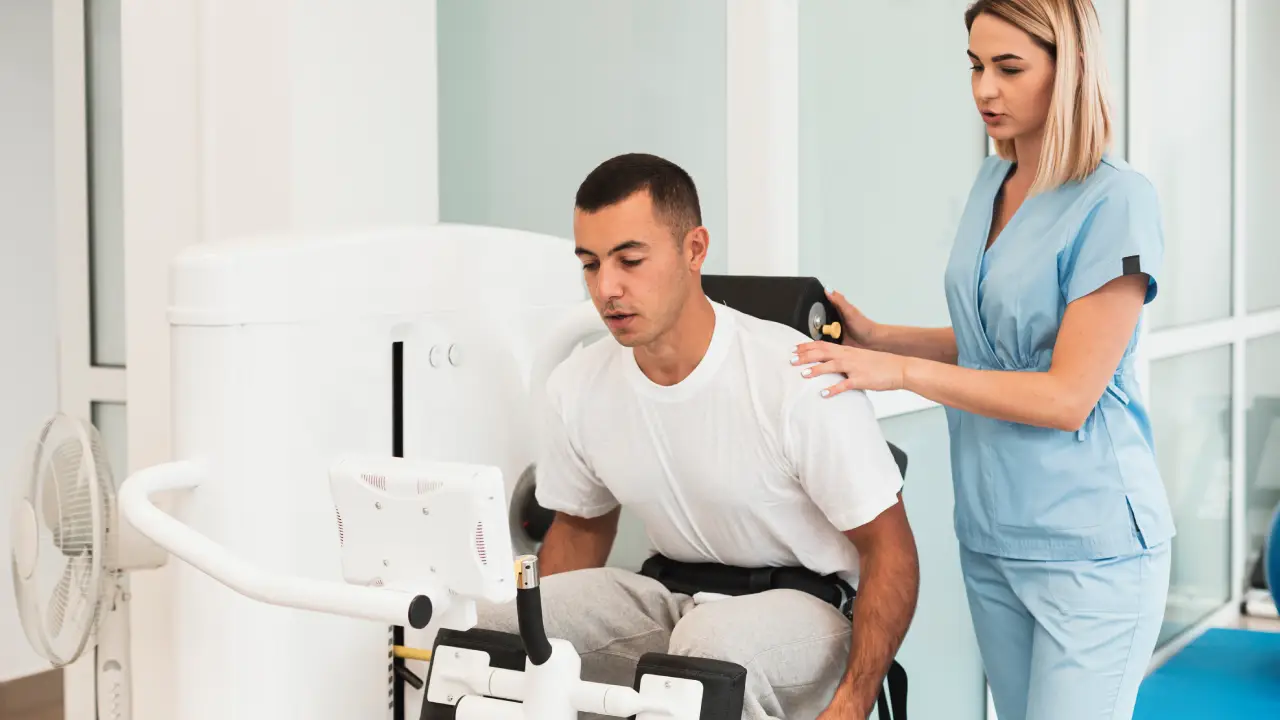
Collaboration with healthcare professionals ensures comprehensive care. Physicians, occupational therapists, and rehabilitation specialists often collaborate to address nerve injuries. This team approach enables personalized strategies to enhance strength, Mobility, and daily function while managing discomfort.
Early intervention can make a significant difference. Detecting nerve issues and implementing corrective strategies reduces the likelihood of permanent deficits and enhances long-term outcomes.
If you experience persistent numbness, tingling, burning pain, or weakness, it is essential to seek a medical evaluation. Treat sudden onset of severe symptoms, loss of bladder or bowel control, or rapidly worsening weakness as urgent. Timely action can protect nerves, restore function, and improve quality of life.
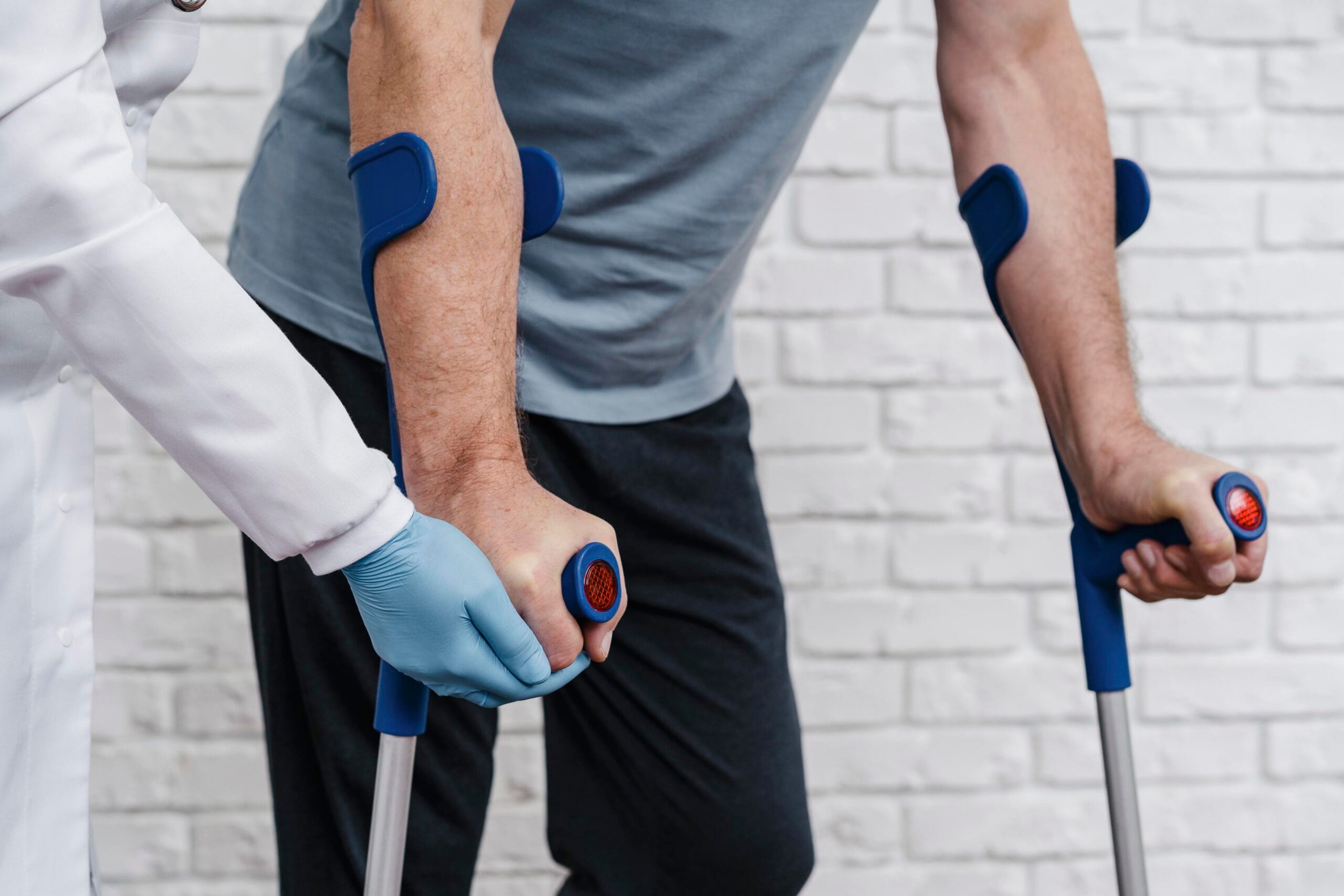
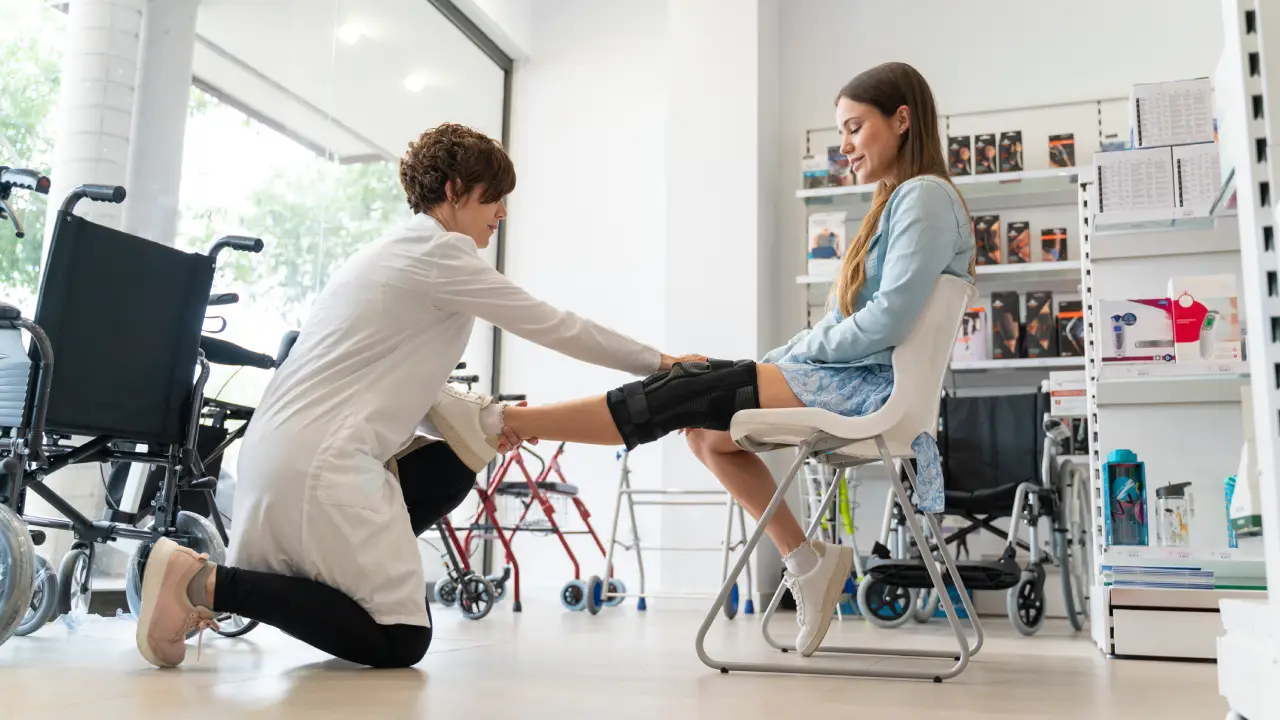
Adapting to life with nerve damage may involve learning new ways to perform everyday activities safely and effectively. Incorporating exercises, Posture adjustments, and assistive devices can help maintain independence. Ongoing monitoring and consistent follow-up allow for adjustments in care as needed, ensuring steady progress and minimizing setbacks.
Support from family, friends, and healthcare providers is invaluable during the recovery process. Encouragement and practical assistance with daily tasks can reduce frustration and motivate continued engagement in therapy and lifestyle adaptations.
The ultimate objective in managing nerve damage is to restore function, reduce discomfort, and prevent further injury. While complete recovery may not always be possible, many people experience significant improvements in strength, sensation, and coordination with an organized care plan.
By combining professional guidance, structured exercises, lifestyle management, and careful monitoring, individuals with nerve injury can regain Confidence in movement, improve performance in daily activities, and enhance overall wellbeing.
At our clinic, we offer comprehensive support for managing nerve damage. Early evaluation, individualized strategies, and ongoing guidance help clients regain function and live more comfortably.
If you or a loved one is experiencing symptoms of nerve damage, reach out to Assure Physio & Rehab today. Schedule a consultation to discuss your situation and develop a personalized recovery plan tailored to your specific needs.
Copyright © Assure Physio & Rehab. All Rights Reserved | Privacy Policy | Terms Of Use
Designed & Developed By Convirzon
 Optimized by Seraphinite Accelerator