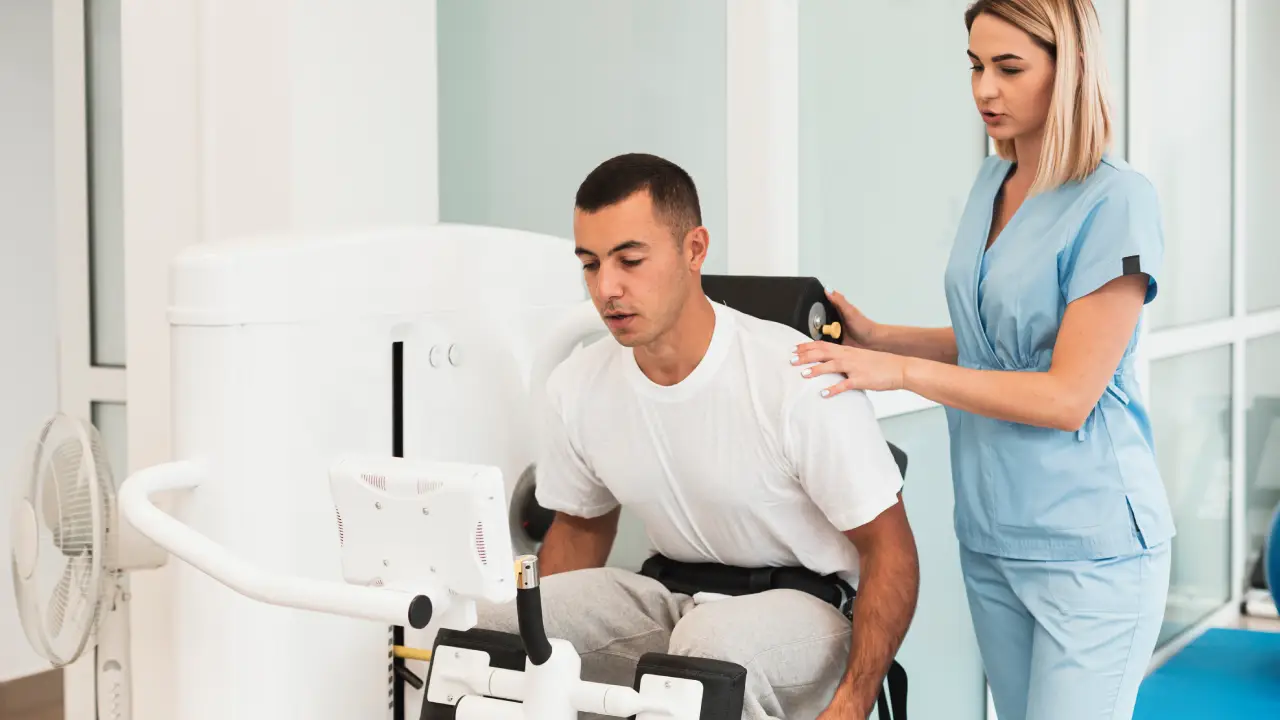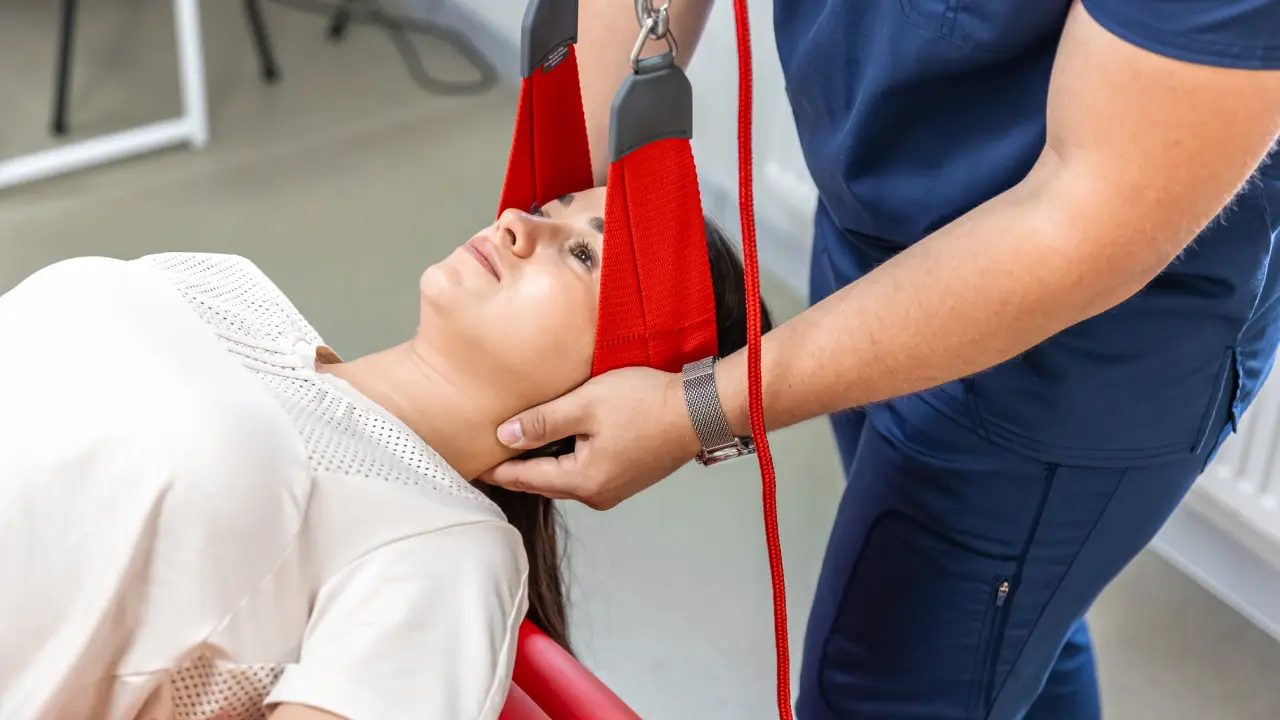

Neck pain is a common issue that affects people of all ages. It can arise from various causes, including poor Posture, trauma, degenerative changes in the spine, or repetitive strain from activities such as prolonged computer use or heavy lifting. While occasional neck stiffness may resolve on its own, persistent or severe neck pain requires professional assessment to prevent long-term complications.
Neck pain can present in several ways. Common symptoms include persistent pain or stiffness in the neck, headaches originating at the base of the skull, and a reduced range of motion that makes it difficult to turn or tilt the head. In some cases, people may experience tingling, numbness, or weakness in the arms, indicating that nerves in the neck could be affected. These symptoms often interfere with work, exercise, and everyday tasks, reducing overall quality of life.
Some people may notice that pain worsens after sitting at a desk for long periods, sleeping in an awkward position, or engaging in repetitive movements such as lifting or turning the head. Activities like driving or carrying groceries, which were once effortless, can now cause discomfort or pain, highlighting the need to assess and manage them early.
One of the most common causes of neck pain is poor Posture. Hunching over computers, slouching in chairs, or holding the head in awkward positions for prolonged periods can strain the muscles, ligaments, and joints in the neck. Over time, this strain can lead to chronic discomfort, tension headaches, and increased risk of spinal changes.
Neck pain can also result from injuries such as whiplash in car accidents, sports injuries, or falls. Even minor trauma can lead to inflammation, muscle spasm, or misalignment in the cervical spine, causing ongoing pain if left untreated.
Age-related changes in the cervical spine, such as osteoarthritis, disc degeneration, or bone spurs, can cause stiffness, reduced Mobility, and pain. These changes may develop gradually over time and often worsen with repetitive use or prolonged stress on the neck.
Activities that involve repeated movements or prolonged neck positioning, such as working at a computer, looking down at smartphones, or performing specific occupational tasks, can strain the neck muscles and joints. Over time, this repetitive strain can contribute to muscle imbalances, chronic discomfort, and even nerve irritation.
Chronic neck pain can have a broader impact that extends beyond the neck itself. When left unaddressed, it can affect Posture, leading to upper back and shoulder discomfort, and may contribute to long-term spinal issues. Persistent pain can also interfere with sleep, limit participation in physical activities, and reduce overall quality of life. In some cases, nerve compression in the cervical spine can lead to arm weakness, tingling, or numbness, which may require more intensive intervention if left unaddressed.
Effective management of neck pain often involves a combination of strategies aimed at addressing the root cause, relieving symptoms, and preventing recurrence. Treatment plans are tailored to the individual and may include:
Prevention plays a crucial role in minimizing the likelihood of neck pain. Maintaining proper Posture while sitting, standing, or sleeping, taking regular breaks during computer work, and incorporating strength and flexibility exercises into daily routines can all reduce stress on the cervical spine. Using supportive pillows, adjusting screen heights, and avoiding prolonged static positions are practical strategies that contribute to neck health.
Individuals who are active in sports or perform repetitive tasks should pay particular attention to technique and body mechanics. Early attention to minor discomfort can prevent more serious injuries and reduce the risk of long-term complications.
While occasional stiffness may not be alarming, you should seek a professional assessment if you experience neck pain:
Seeking timely evaluation helps healthcare providers identify and address underlying causes, reducing the risk of chronic pain and functional limitations.
Our clinic provides a comprehensive approach to managing neck pain. Our team evaluates each case individually, identifies contributing factors, and develops personalized strategies to relieve discomfort and improve function. Whether poor Posture, strain, or degenerative changes cause the pain, these interventions restore Mobility, reduce pain, and support long-term neck health.
Patients benefit from a combination of therapeutic techniques, lifestyle guidance, and ongoing support to manage symptoms effectively. The goal is not only to reduce current pain but also to prevent recurrence and enhance overall wellbeing.
Suppose neck pain is affecting your daily life or limiting your ability to perform routine activities. In that case, our clinic is here to assist. Contact Assure Physio & Rehab today to schedule an assessment and start your path toward improved neck function and comfort.
Copyright © Assure Physio & Rehab. All Rights Reserved | Privacy Policy | Terms Of Use
Designed & Developed By Convirzon
 Optimized by Seraphinite Accelerator