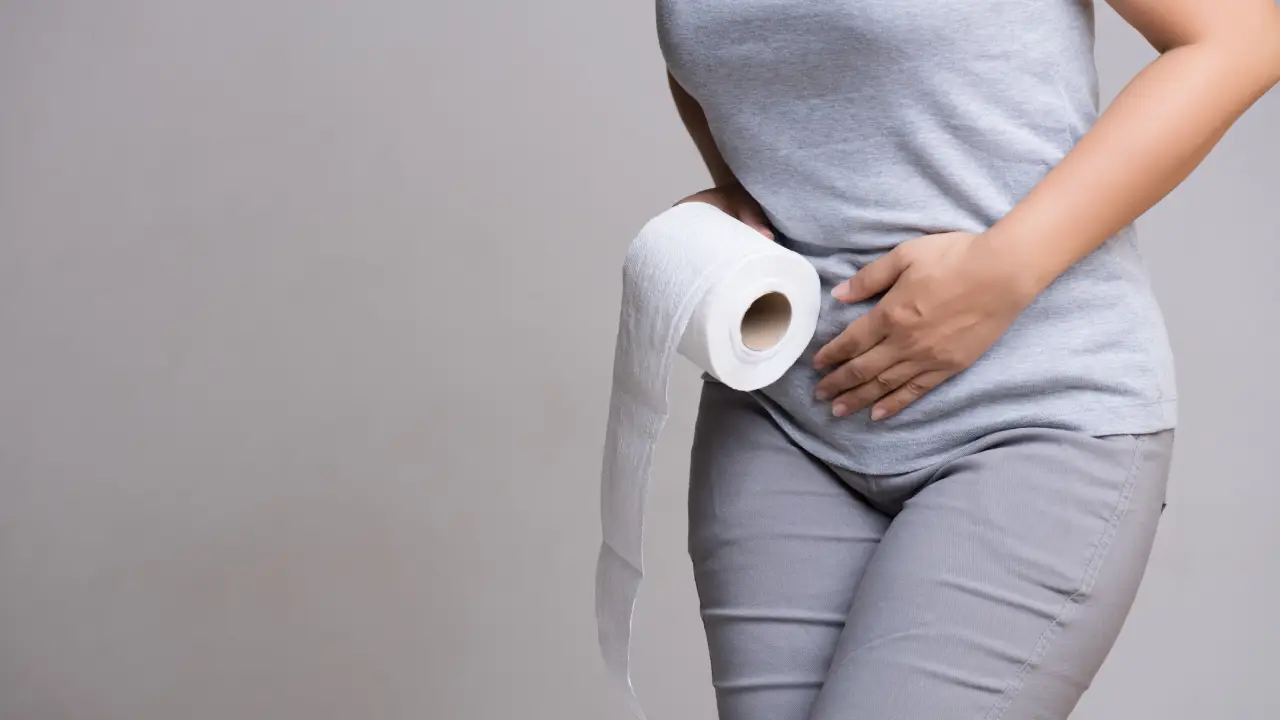

Incontinence refers to the loss of bladder or bowel control. This condition can range from occasional leakage to frequent, urgent episodes that interfere with daily life. While it is often associated with aging, incontinence can affect people of all ages and genders. Contributing factors may include pelvic floor weakness, neurological conditions, Surgery, childbirth, or chronic health issues.
Common symptoms include leaking urine or stool, a sudden urge to use the bathroom, or frequent trips that disrupt work, sleep, and social activities. Even mild episodes can cause frustration, stress, and embarrassment. Beyond its physical impact, incontinence can also affect hygiene, self-esteem, and overall wellbeing.
Several factors can contribute to the development of incontinence:
Understanding the underlying cause is crucial for selecting the most effective approach to manage and alleviate symptoms.
Incontinence presents in different forms, depending on how and when loss of control occurs:
Each type may require a different approach for management, emphasizing the importance of personalized care.
Addressing incontinence often starts with simple lifestyle modifications that can ease symptoms and reduce the risk of accidents:
Beyond lifestyle changes, several medical and non-surgical interventions can support better bladder and bowel control:
Anyone experiencing symptoms of incontinence should consult a healthcare professional for evaluation. While occasional leakage may seem minor, untreated or worsening symptoms can impact Confidence, hygiene, and quality of life. Early intervention provides more options and better outcomes, thereby minimizing the physical and emotional effects of the condition.
While strengthening the pelvic floor through guided exercises is a crucial component of managing incontinence, a comprehensive approach can include lifestyle adjustments, behavioural techniques, medical management, and individualized support plans. By addressing the root causes and providing practical strategies, people can reduce episodes and regain independence in daily routines.
Professionals may collaborate with healthcare providers, nutritionists, and continence specialists to create a tailored plan. This integrated approach ensures that treatment addresses physical, medical, and functional aspects, rather than only managing symptoms.
Managing incontinence often requires a combination of strategies over time. Some helpful approaches include:
Taking consistent, proactive steps can reduce accidents, improve comfort, and restore Confidence in both personal and professional environments.
Incontinence does not have to control daily life. By understanding triggers, implementing structured strategies, and accessing the proper support, people can significantly reduce the impact on their routine. Practical approaches, combined with ongoing guidance, enable individuals to regain freedom in activities, social interactions, and personal care.
At our clinic, we focus on providing structured plans, resources, and guidance to help individuals effectively address incontinence—each program tailors methods to meet unique needs while integrating multiple approaches for optimal control and comfort.
If you or a loved one experiences symptoms of incontinence, schedule a consultation with Assure Physio & Rehab. Our team can help create a plan designed to restore control, manage symptoms, and improve everyday quality of life. Contact us today to explore available options and start your journey toward a more confident life.
Copyright © Assure Physio & Rehab. All Rights Reserved | Privacy Policy | Terms Of Use
Designed & Developed By Convirzon
 Optimized by Seraphinite Accelerator