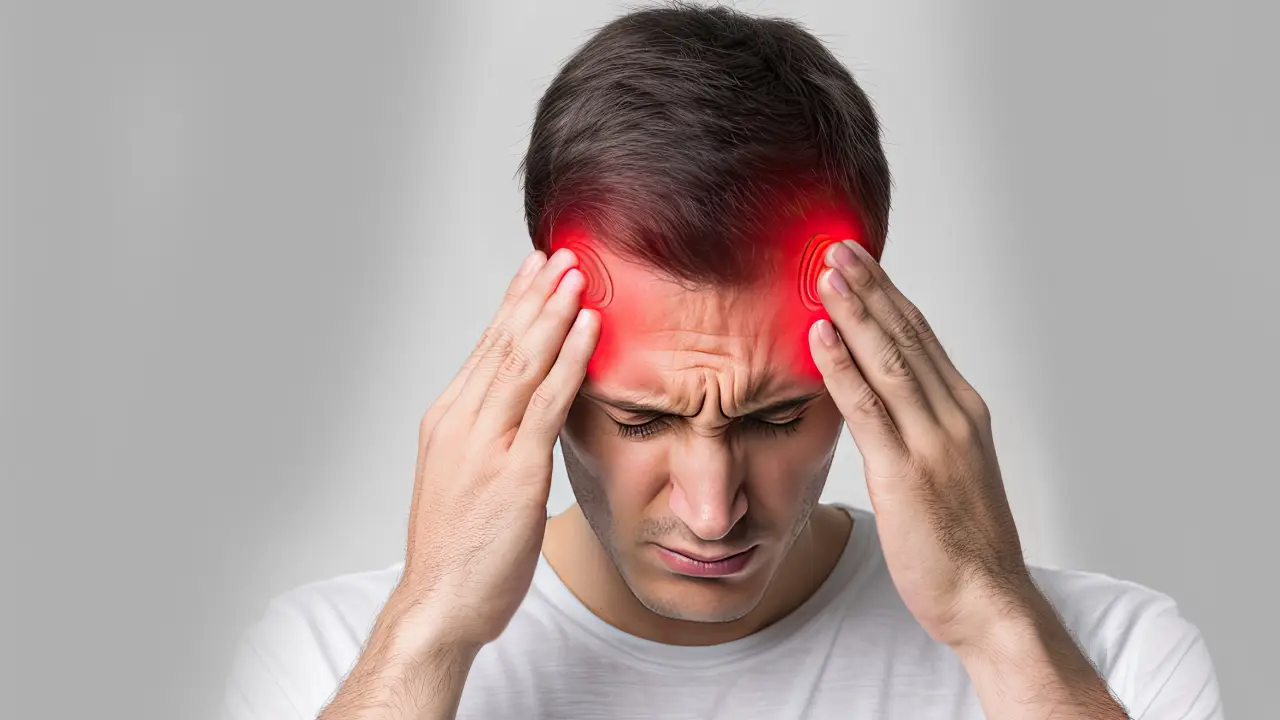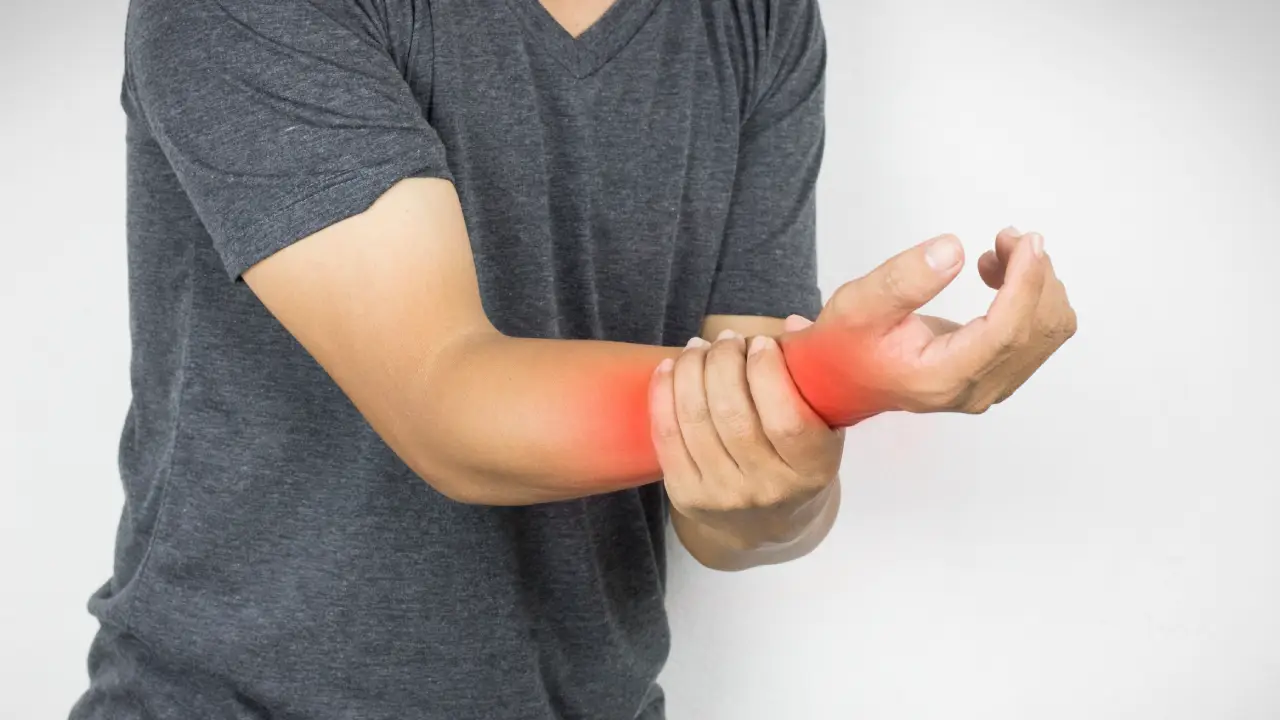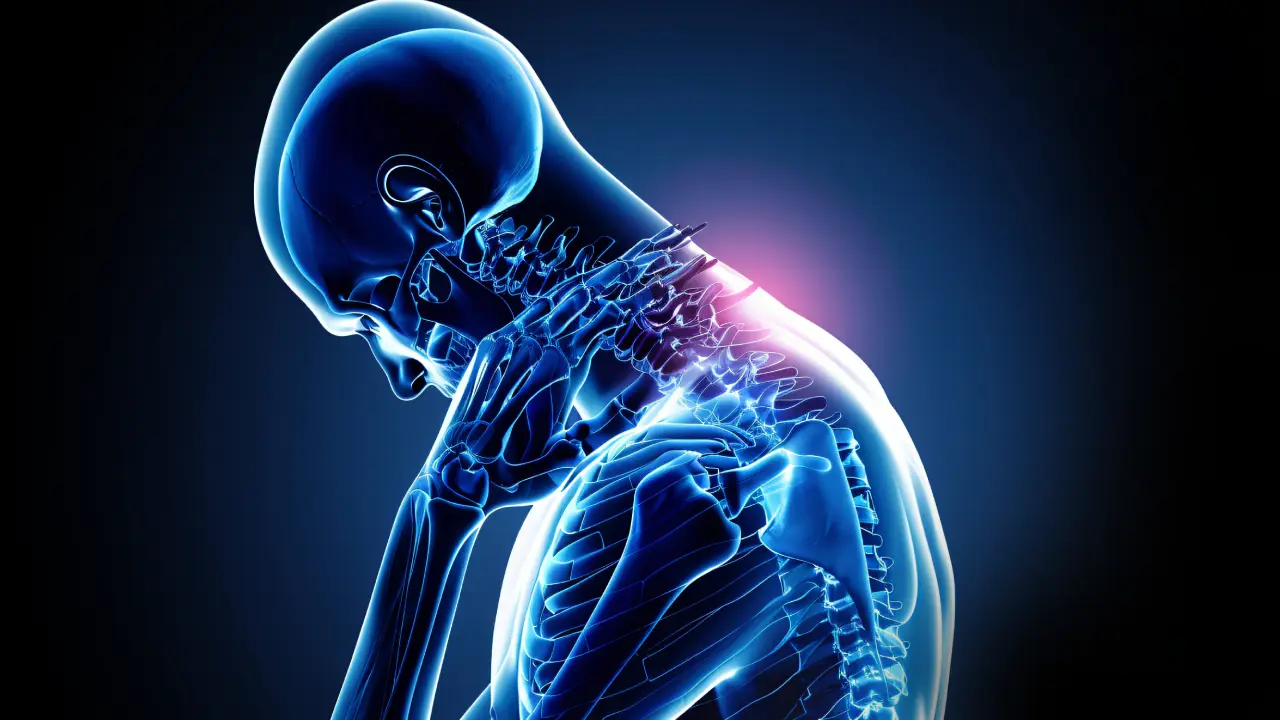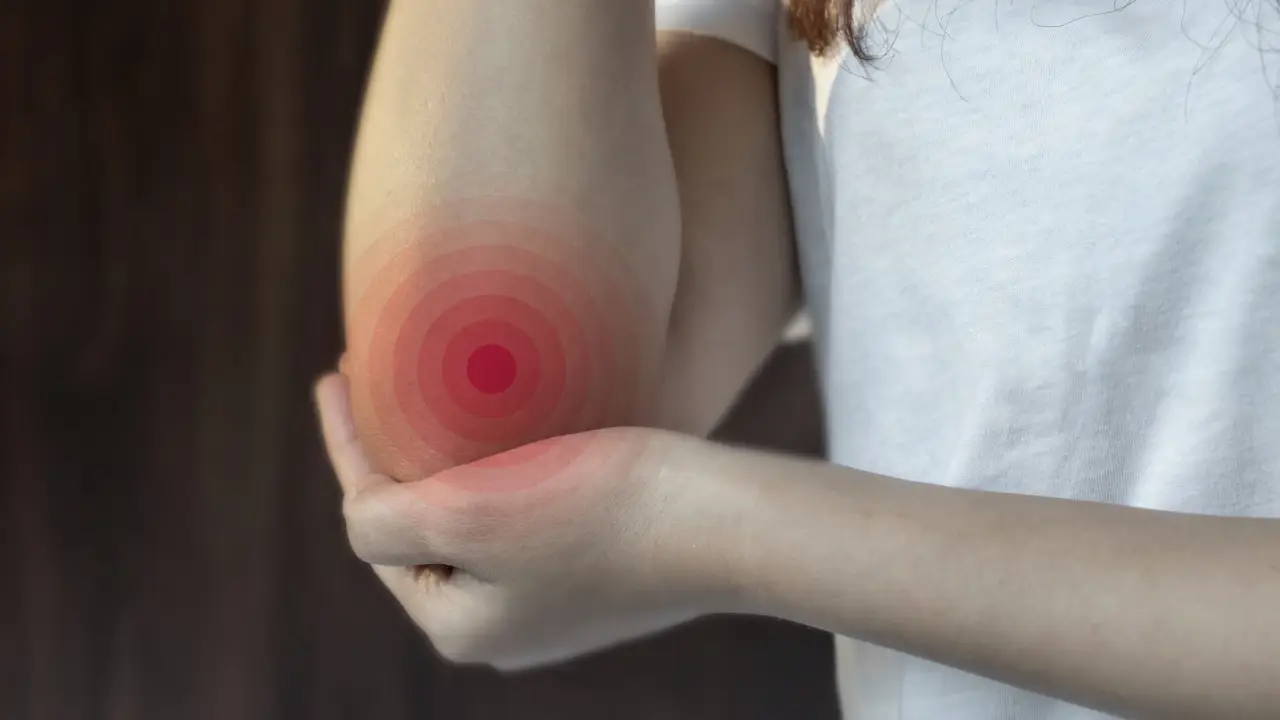

Hip pain can stem from a variety of sources, including arthritis, muscle imbalances, bursitis, labral tears, or direct injury. The hip joint, one of the largest in the body, plays a vital role in supporting weight and facilitating movement. Any disruption in its structure or function can affect daily activities such as walking, climbing stairs, or even sitting comfortably.
Hip pain can present in different ways depending on the underlying cause. Typical symptoms include:
These signs may be sudden, following an injury, or gradual, developing over time due to degenerative changes. Recognizing early symptoms is crucial for addressing issues before they escalate into further complications.
Osteoarthritis is one of the most common causes of hip pain, particularly in adults over 50. The cartilage in the hip joint gradually wears down, leading to inflammation, stiffness, and pain. Rheumatoid arthritis can also affect the hip, though it is less common. Symptoms typically worsen with activity and improve with rest.
Weakness or tightness in the muscles surrounding the hip can place uneven stress on the joint. Imbalances in the glutes, hip flexors, or adductors can contribute to pain, reduced Mobility, and compensatory movement patterns that may affect the knees or lower back.
Bursitis occurs when the small fluid-filled sacs that cushion the hip joint become inflamed. This can cause sharp or aching pain on the outside of the hip, particularly during activities such as walking, running, or lying on the affected side.
The labrum is a ring of cartilage that stabilizes the hip joint. Tears can result from trauma, repetitive motion, or structural abnormalities. Symptoms often include deep groin pain, catching, locking, or a sensation of instability.
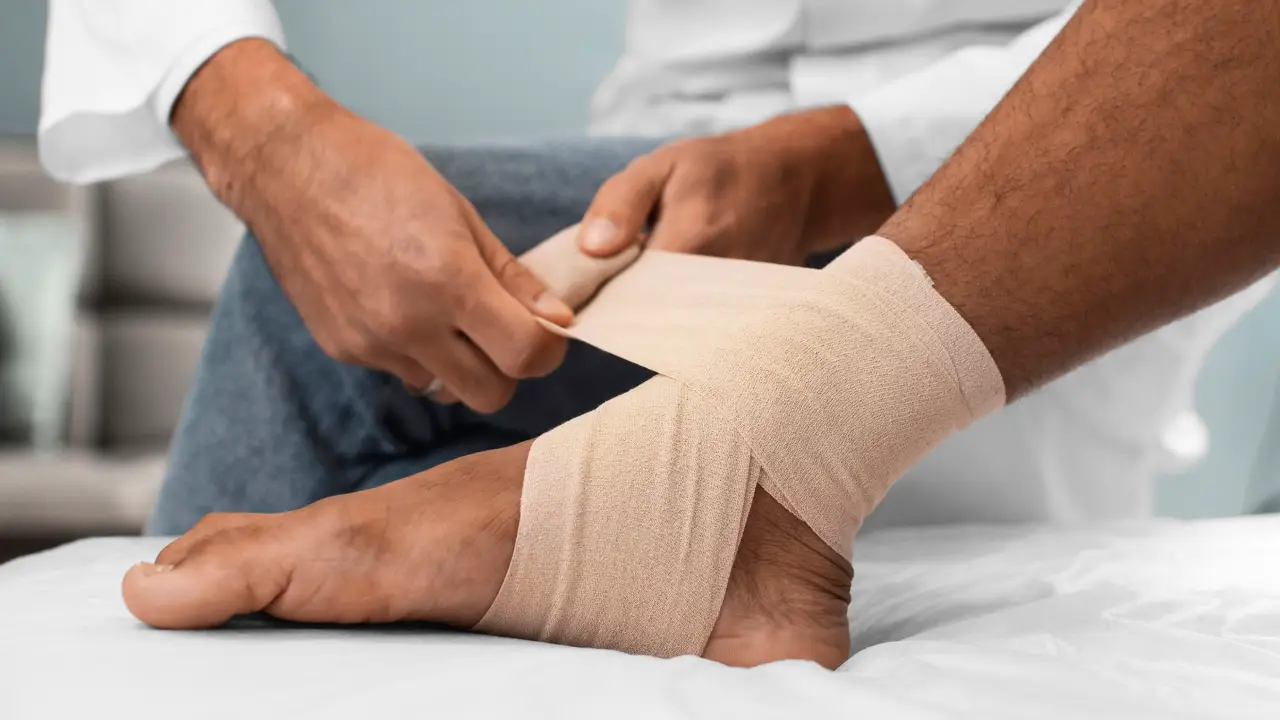
Hip pain can result from falls, sports injuries, or accidents. Fractures, dislocations, or soft tissue injuries such as muscle strains or ligament sprains can lead to sudden, intense discomfort. In some cases, pain may persist even after the initial injury has healed.
Chronic hip pain can limit Mobility and interfere with daily routines. Over time, it may lead to compensatory issues in the lower back, knees, or other joints. A person can find basic activities, such as climbing stairs or standing for long periods, challenging. Addressing hip pain early can help preserve Mobility, improve quality of life, and prevent additional injuries.
Effective management of hip pain often involves a combination of strategies tailored to the individual:
Persistent or worsening hip pain warrants a professional evaluation. Warning signs include:
Early assessment can prevent further joint damage and help develop a plan that restores function and Mobility.
While chronic hip pain can be frustrating, proactive care can help improve comfort and maintain active lifestyles. Maintaining flexibility, building strength, and incorporating safe movement strategies can support long-term joint health. A comprehensive approach that considers the joint, surrounding muscles, and lifestyle factors is essential for effective management.
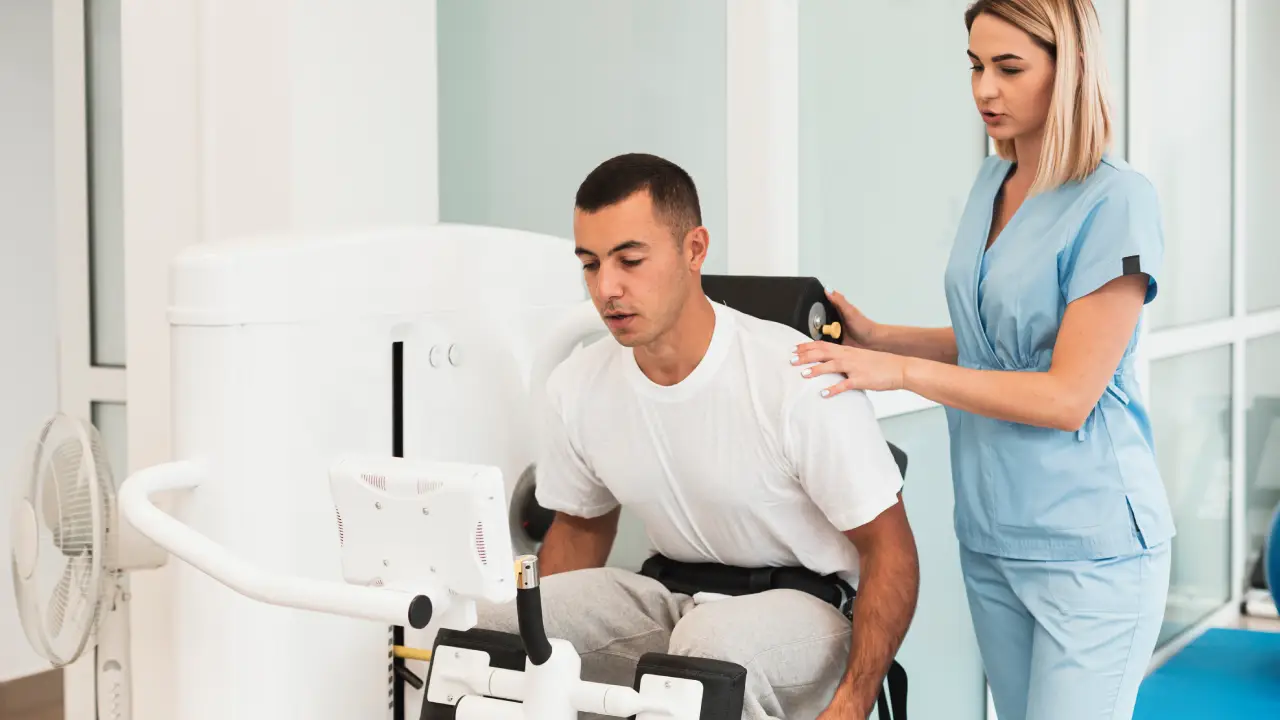
At our clinic, we focus on evaluating the source of hip pain and guiding patients toward strategies that restore function. By combining movement assessments, strengthening programs, and supportive interventions, we aim to help individuals regain Mobility and manage discomfort effectively.
If you are experiencing hip pain, don’t wait for it to worsen. Contact Assure Physio & Rehab today to schedule an evaluation and begin a program tailored to your specific needs.
Copyright © Assure Physio & Rehab. All Rights Reserved | Privacy Policy | Terms Of Use
Designed & Developed By Convirzon
 Optimized by Seraphinite Accelerator