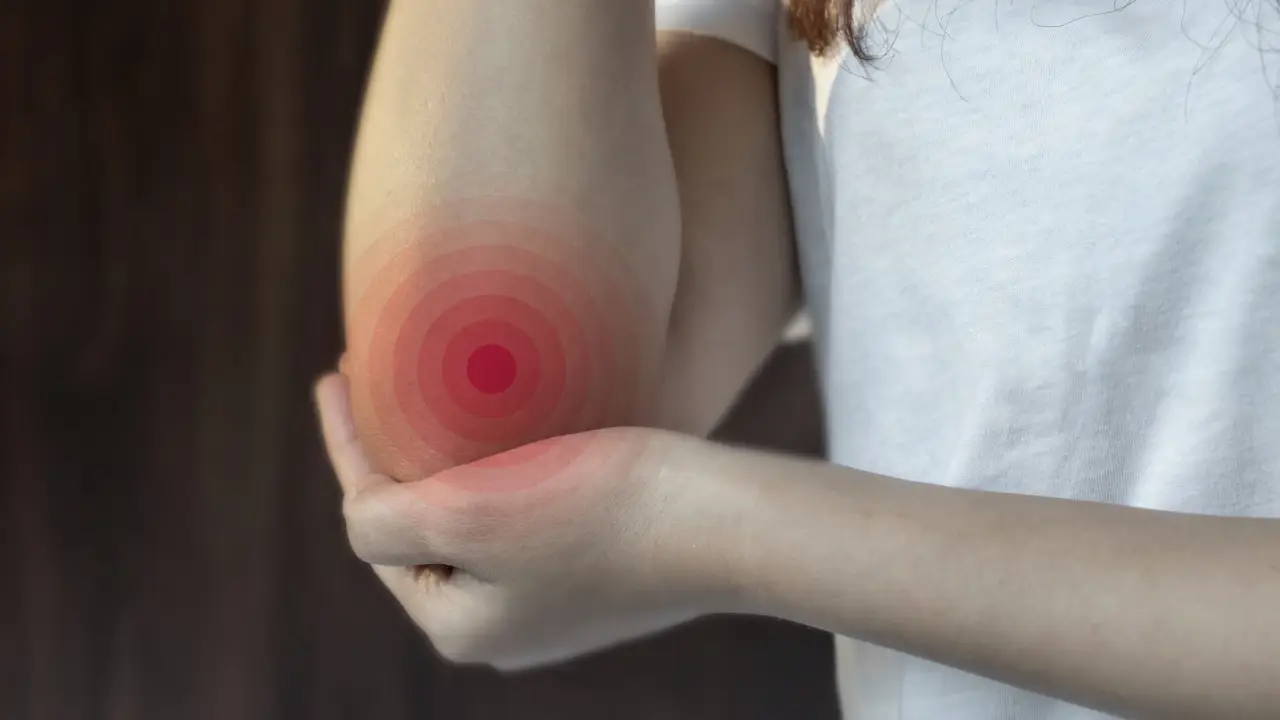

Frozen shoulder, also known as adhesive capsulitis, is a condition marked by stiffness and a restricted range of motion in the shoulder joint. This limitation often develops gradually, making everyday tasks such as reaching overhead, dressing, or even brushing your hair increasingly complex. The onset may be subtle, but over time, the discomfort and immobility can significantly affect the quality of life.
The most common signs include:
Many people describe the pain as dull or aching, often accompanied by a sense of tightness around the joint. Once effortless activities can become painful and frustrating, in some cases, the symptoms may appear after an injury, Surgery, or prolonged immobilization of the shoulder. Still, frozen shoulder can also occur without an apparent trigger.
Frozen shoulder typically progresses through three stages:
This initial stage involves increasing pain and limited movement. Pain can be sharp or persistent, often making it difficult to sleep comfortably. Mobility starts to decrease gradually.
Pain may begin to subside, but stiffness becomes more pronounced. The shoulder’s range of motion is significantly restricted, affecting daily tasks such as reaching overhead, lifting objects, or performing routine chores.
Over several months, the shoulder slowly regains movement. Although the body can recover naturally, it may take a year or more, and some individuals experience lingering stiffness if they do not seek intervention.
Frozen shoulder arises when the capsule surrounding the shoulder joint thickens and tightens, restricting movement. While the exact cause is not always clear, certain factors increase the likelihood of developing this condition:
Recognizing risk factors early can help individuals take preventive measures or seek treatment before stiffness becomes severe.
Diagnosing frozen shoulder involves a combination of medical history review, physical examination, and imaging studies. A clinician may assess the shoulder’s range of motion, evaluate pain levels during movement, and determine the degree of stiffness. Imaging techniques, such as X-rays or MRI scans, may be used to rule out other conditions, including arthritis or rotator cuff injuries. Early assessment enables the development of tailored strategies to manage pain and restore Mobility effectively.
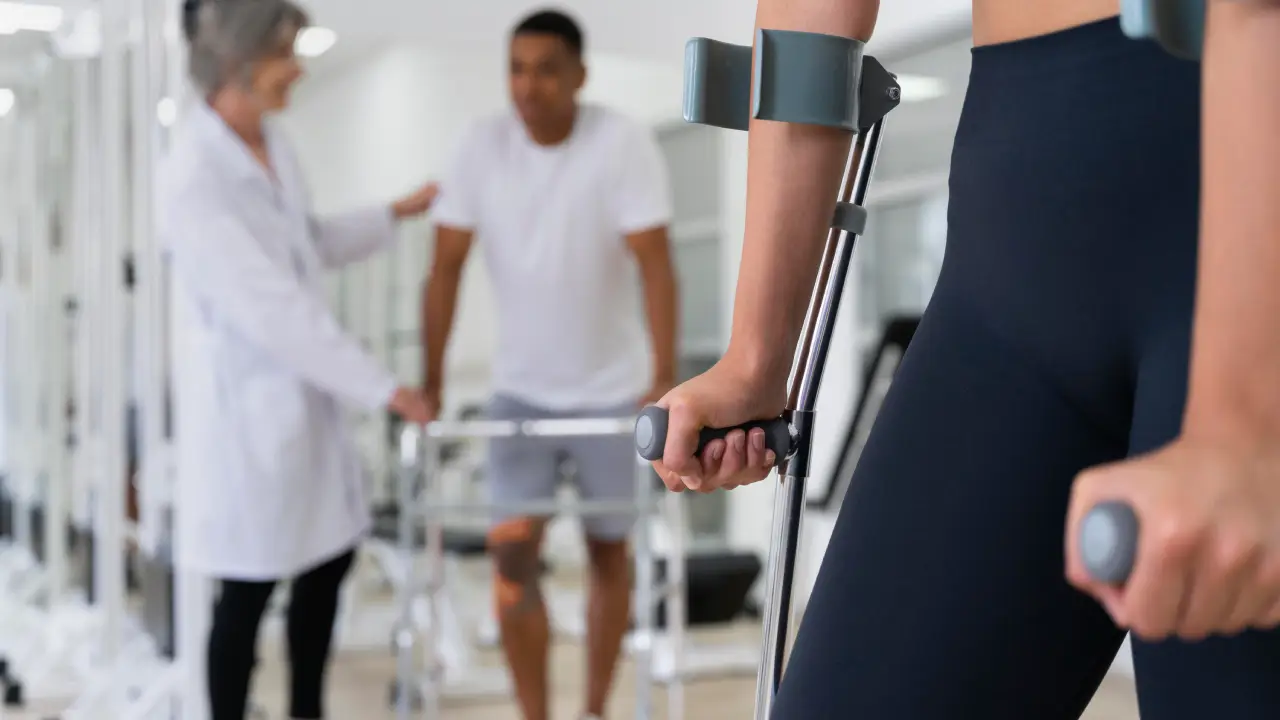
Frozen shoulder treatment focuses on reducing pain, restoring Mobility, and preventing further stiffness. While physical therapy plays a central role, a comprehensive approach may include:
In some cases, doctors may recommend medical procedures such as joint distension or arthroscopic Surgery if conservative measures are insufficient. These options aim to release the tight capsule and restore normal shoulder motion.
Patients can complement professional treatment with careful self-care. Practical strategies include:
These steps, combined with clinical intervention, can accelerate recovery and maintain shoulder function.
Even after the shoulder regains Mobility, some individuals experience occasional stiffness or discomfort, especially after repetitive use or strenuous activity. Continued attention to exercise and joint care is essential for sustaining shoulder health and preventing recurrence. A healthcare professional monitors progress to ensure they promptly adjust treatment as recovery progresses.
Frozen shoulder can have a significant impact on personal and professional life, affecting the ability to perform tasks such as driving, lifting, or reaching overhead. Early recognition and intervention help minimize disruptions and support a smoother recovery process.
Suppose you are experiencing shoulder pain, restricted movement, or difficulty performing daily tasks. In that case, our clinic can provide a personalized plan tailored to your specific needs. Reach out to Assure Physio & Rehab today to schedule a consultation and begin regaining your shoulder Mobility.
Copyright © Assure Physio & Rehab. All Rights Reserved | Privacy Policy | Terms Of Use
Designed & Developed By Convirzon
 Optimized by Seraphinite Accelerator