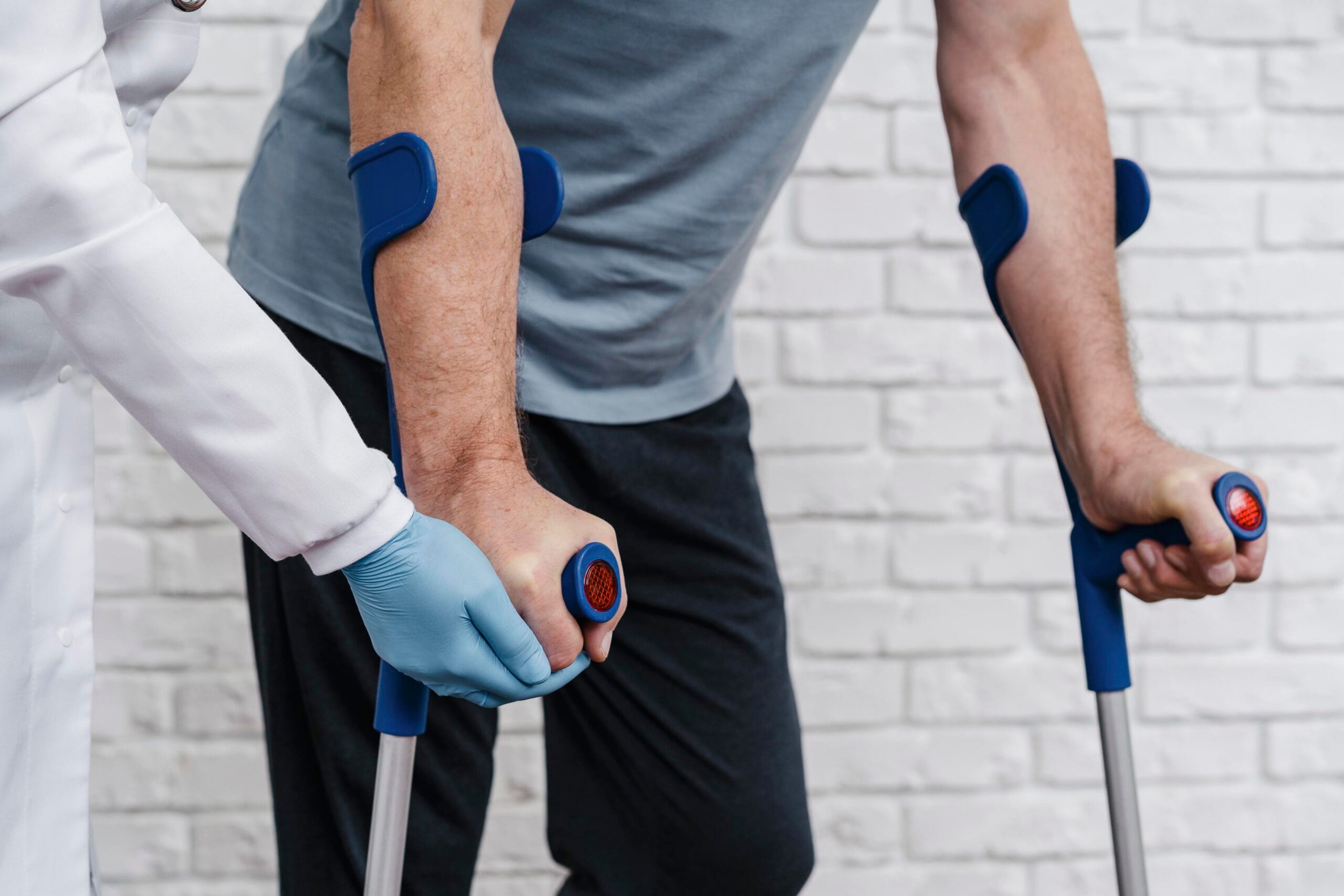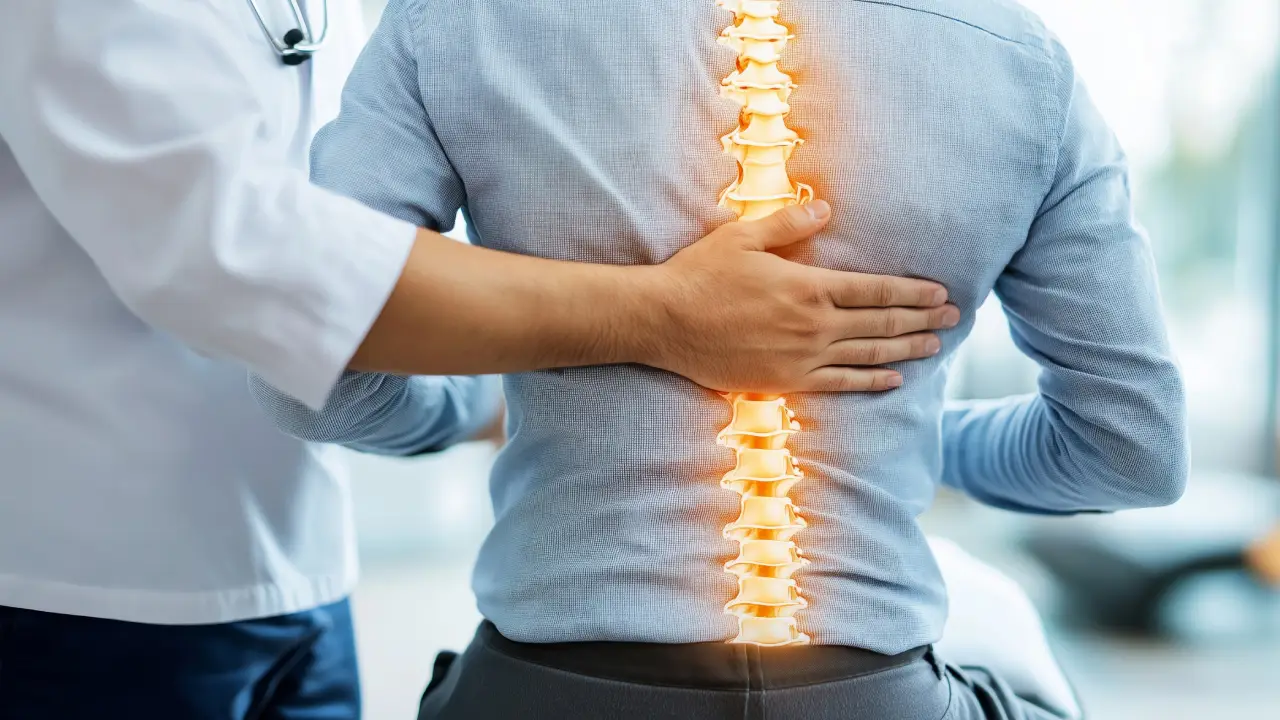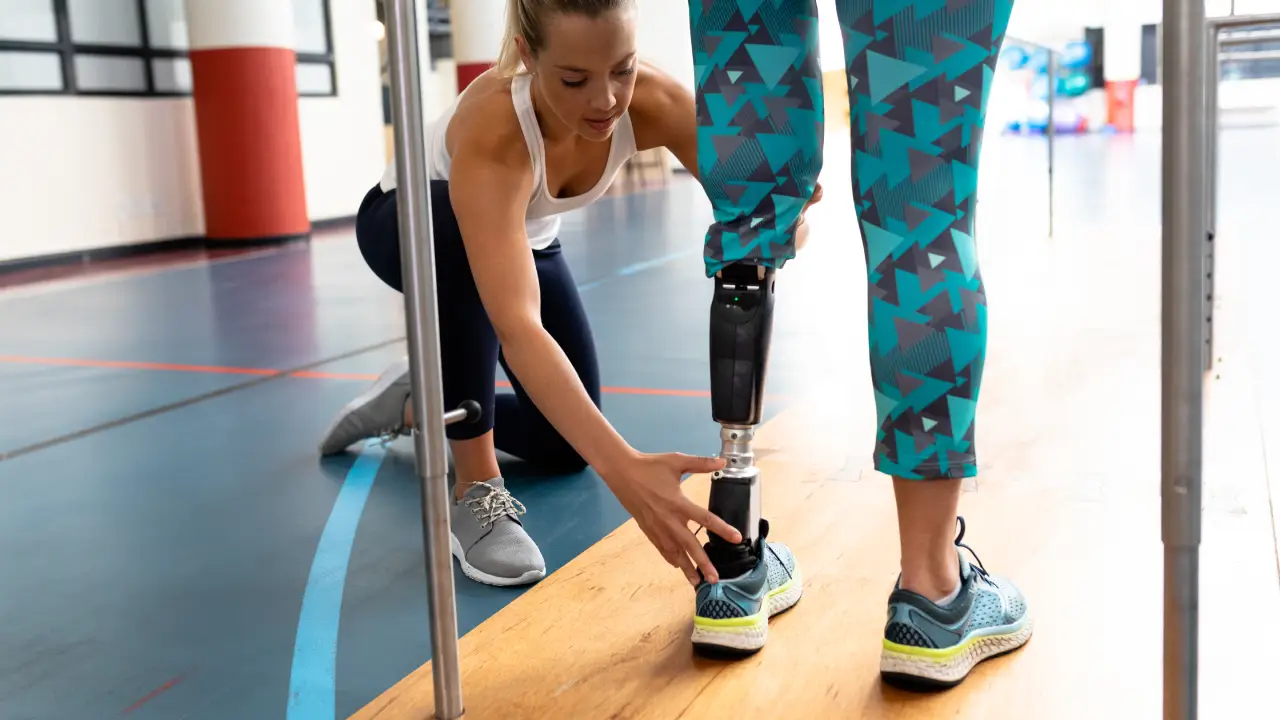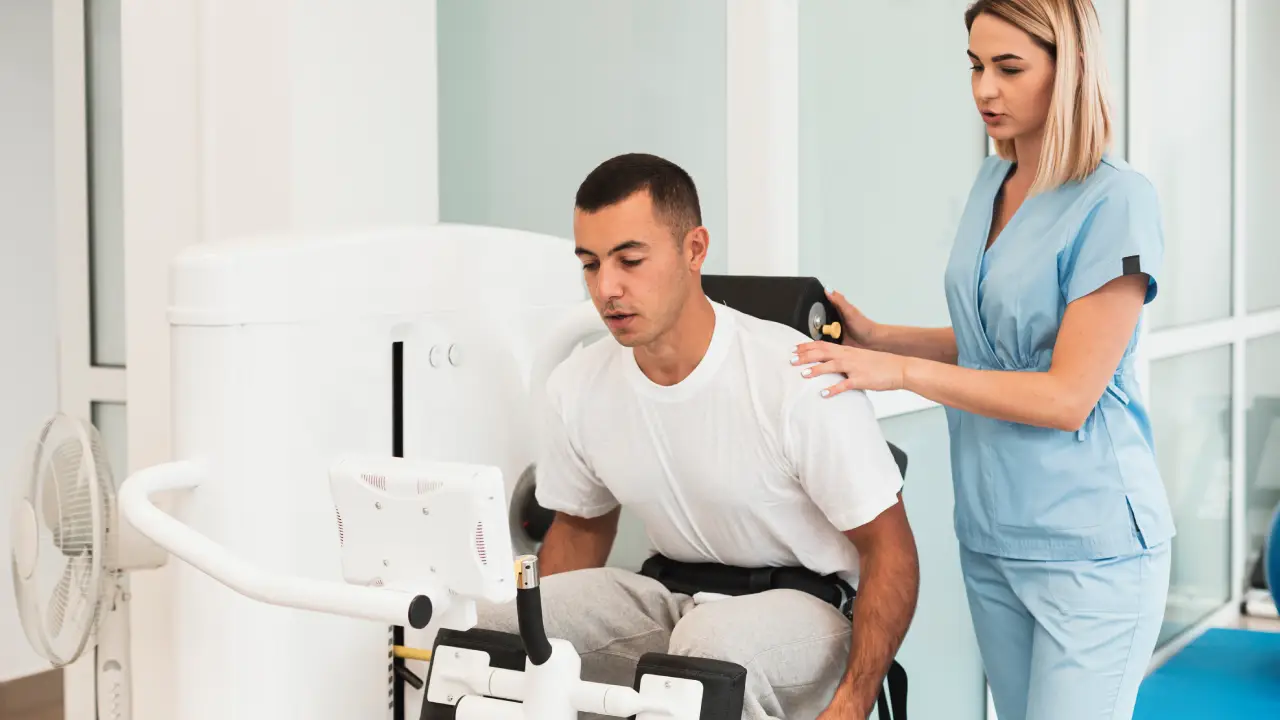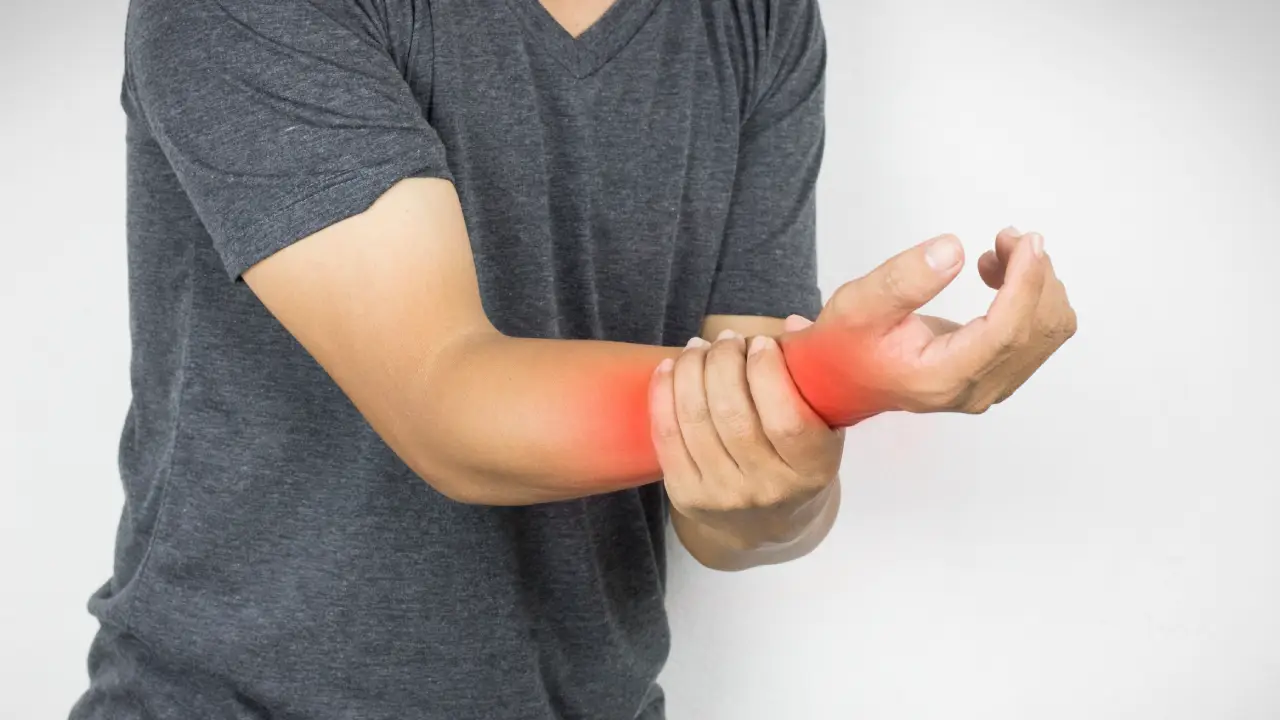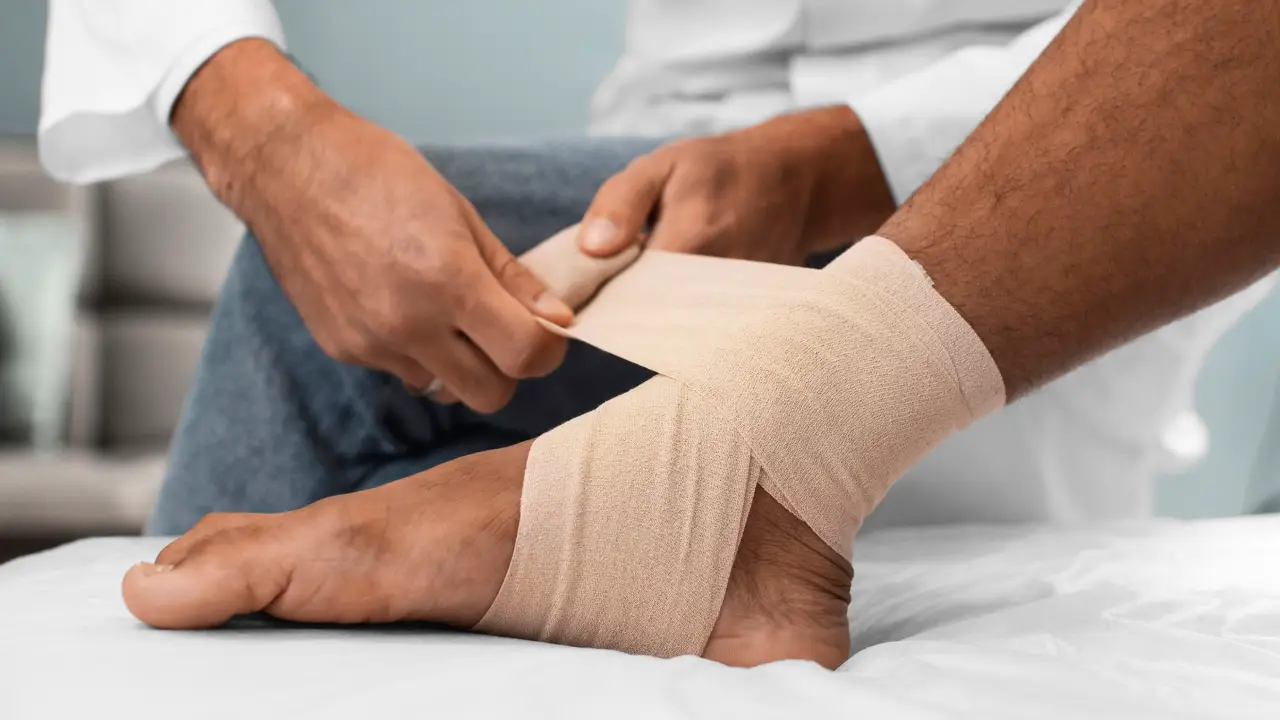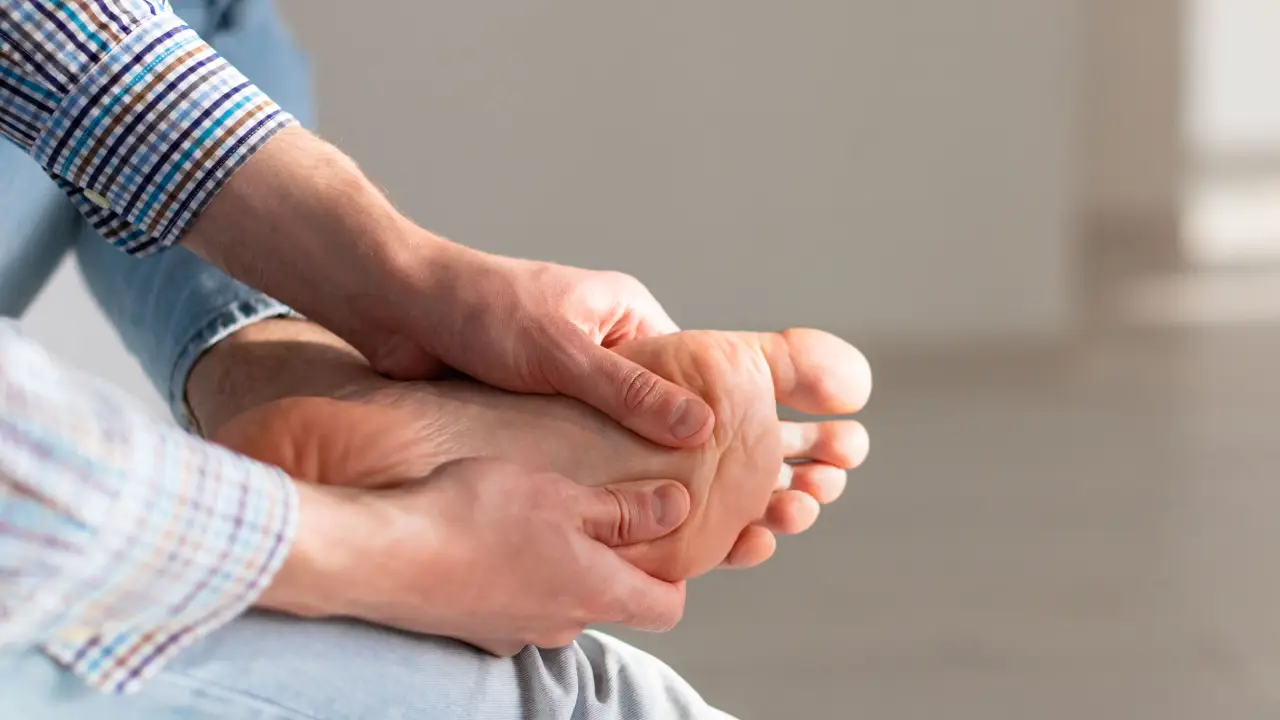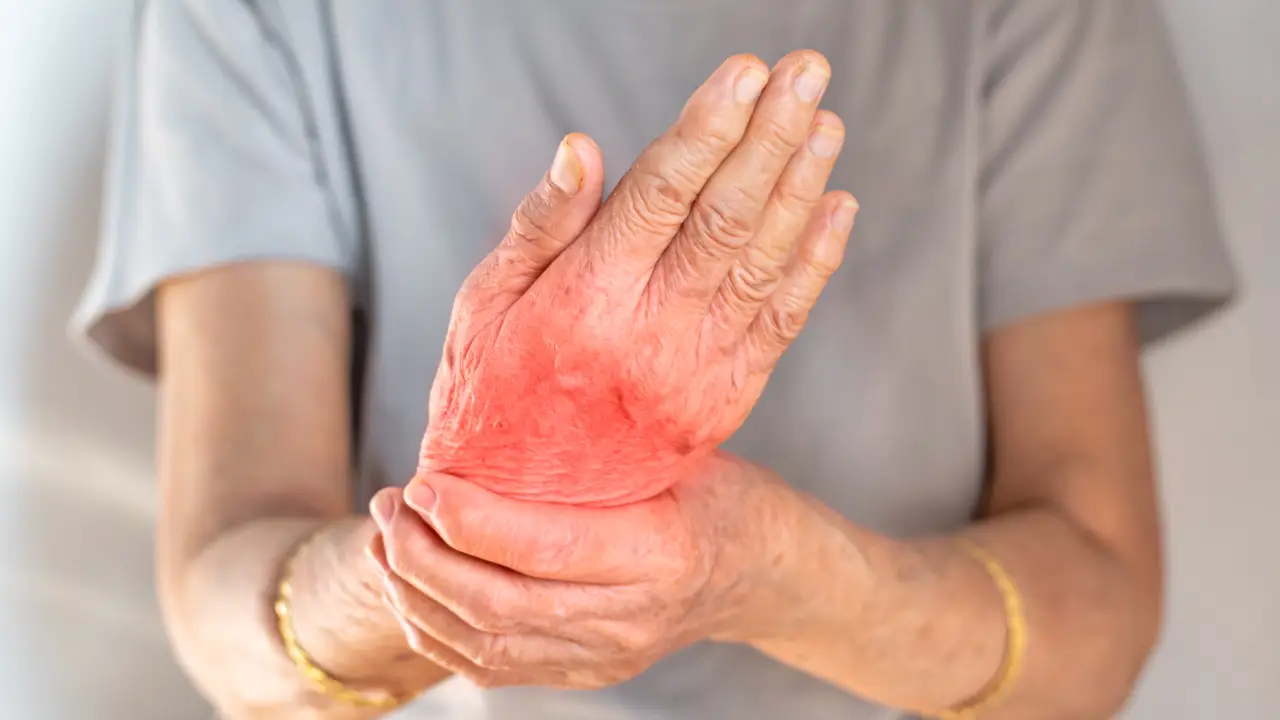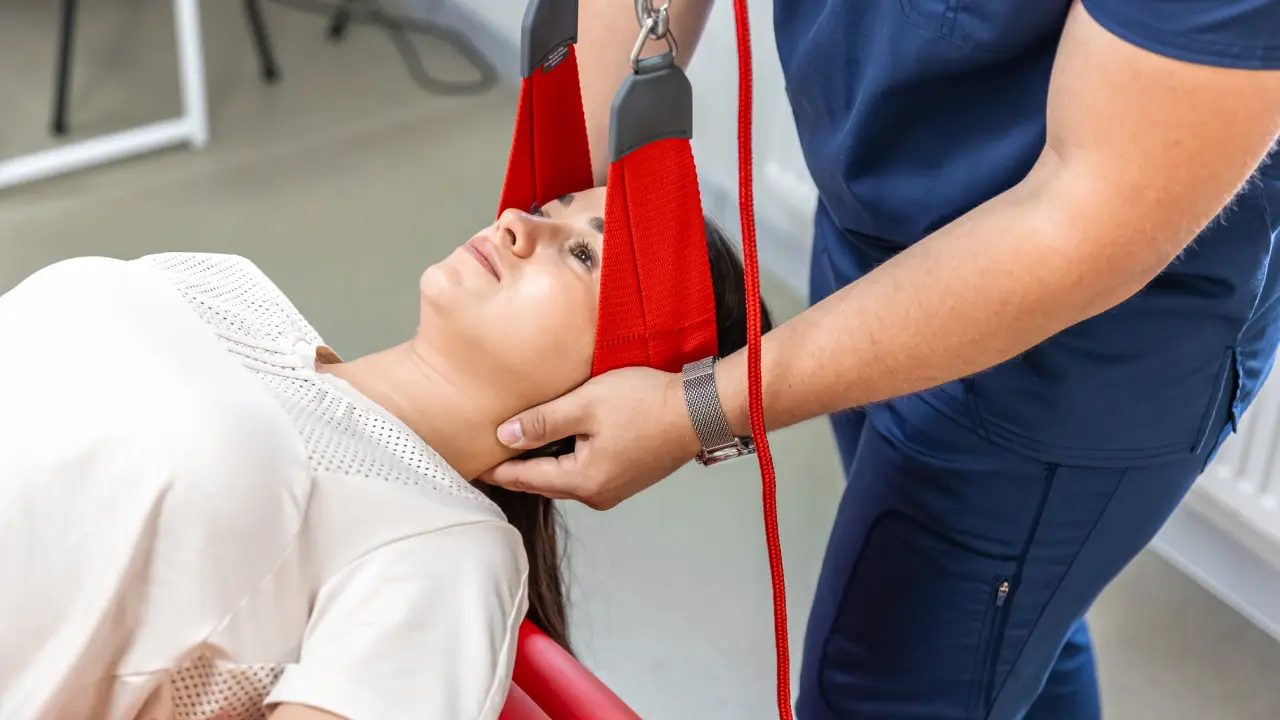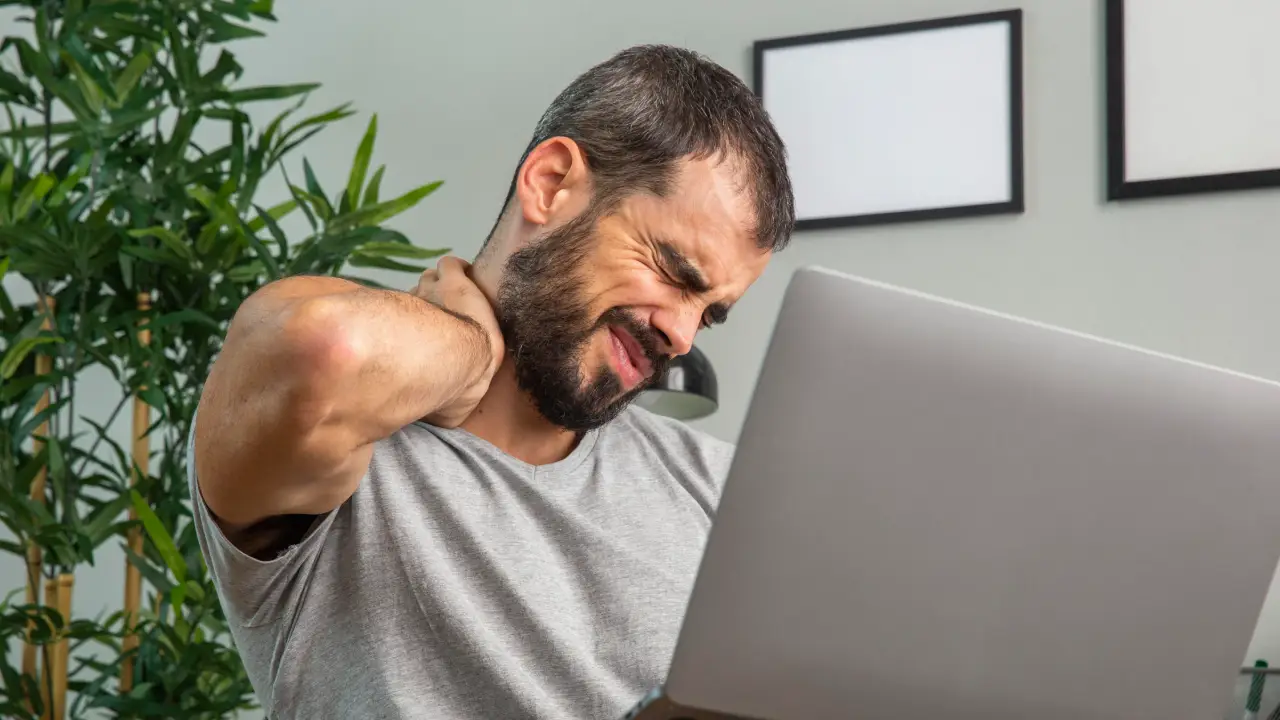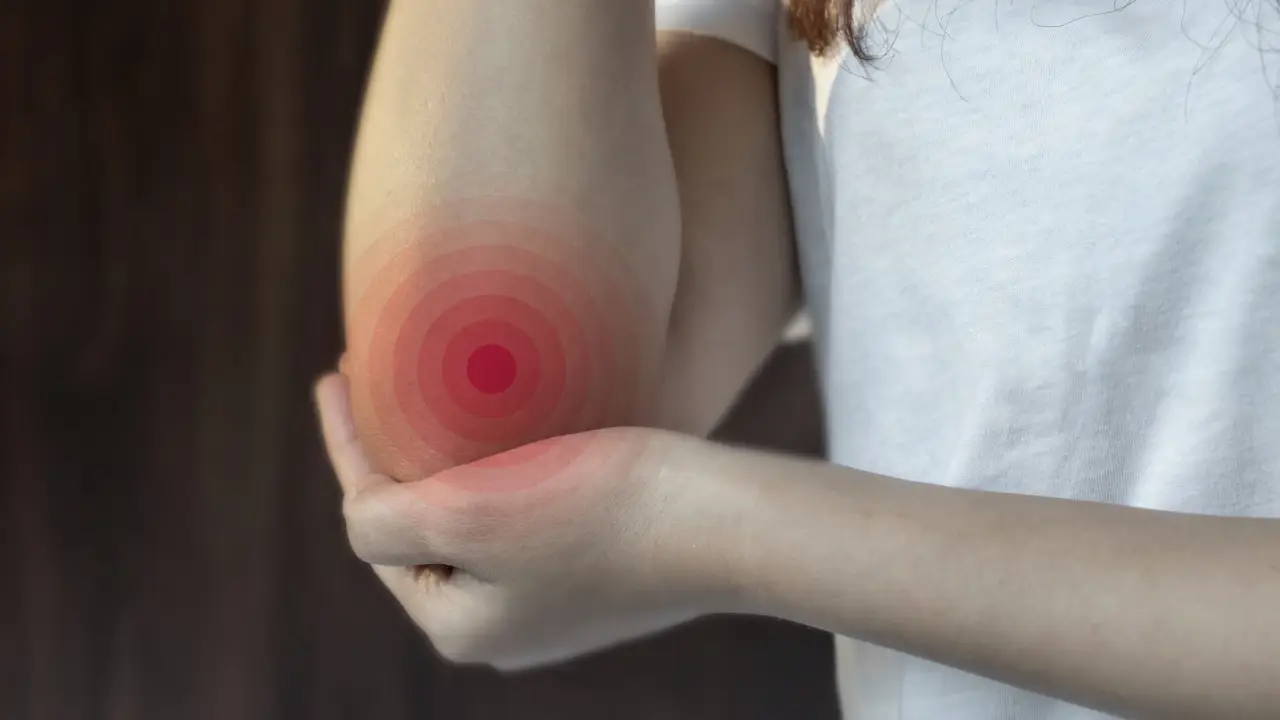

Elbow injuries can affect people of all ages and activity levels, from athletes to office workers. These injuries can occur due to overuse, sudden trauma, repetitive movements, or age-related changes in the joint. At our clinic, we address a range of elbow issues, helping patients regain Mobility, reduce discomfort, and restore normal function.
Elbow injuries vary in severity and type, and effective management depends on correctly identifying the issue. Some of the most common elbow injuries we treat include:
Recognizing elbow injuries early can prevent further complications. Common signs and symptoms include:
If these symptoms persist, it is essential to seek professional evaluation rather than relying solely on rest. Left untreated, elbow injuries can result in chronic discomfort and reduced arm function.
Elbow injuries often develop from repeated stress, improper techniques, or sudden impacts. Common contributors include:
Certain professions and hobbies, including racquet sports, weightlifting, and manual labour, carry a higher risk of developing elbow injuries. Identifying the cause helps guide an appropriate recovery plan.
A thorough assessment is essential for accurately identifying the type and extent of an elbow injury. Evaluations typically include:
Proper diagnosis ensures that the treatment plan addresses the root cause, rather than merely alleviating symptoms.
Management of elbow injuries involves a combination of approaches tailored to the patient’s specific condition. While rehabilitation exercises are often central to recovery, other interventions may also be necessary:
Each approach is selected based on the type of injury, severity of symptoms, and the patient’s lifestyle or activity demands. The goal is to help individuals regain their usual level of function and prevent future injuries.
Recovery timelines for elbow injuries vary depending on severity and the individual’s response to treatment. Early intervention can shorten recovery and improve outcomes. Preventative measures include:
Maintaining a balanced approach to activity helps reduce the risk of recurrent injury while supporting long-term elbow health.
If pain, stiffness, or weakness in the elbow persists for more than a few days or if symptoms worsen despite rest, it is essential to seek professional evaluation. Early assessment enables tailored management and prevents the development of more severe limitations.
Elbow injuries, whether caused by overuse, sudden trauma, or prolonged immobility, can significantly affect daily life. Recognizing symptoms early, seeking professional assessment, and following a structured recovery plan are essential steps toward restoring function and comfort in the arm.
At Assure Physio & Rehab, we provide thorough evaluations, structured care plans, and ongoing support to help patients regain Mobility and reduce discomfort from elbow injuries. Our team works closely with each individual to address the underlying causes and support their recovery, helping them resume normal activities with Confidence.
If you are experiencing pain, stiffness, or weakness in your elbow, contact our clinic today to schedule an assessment and begin your path to recovery.
Copyright © Assure Physio & Rehab. All Rights Reserved | Privacy Policy | Terms Of Use
Designed & Developed By Convirzon
 Optimized by Seraphinite Accelerator