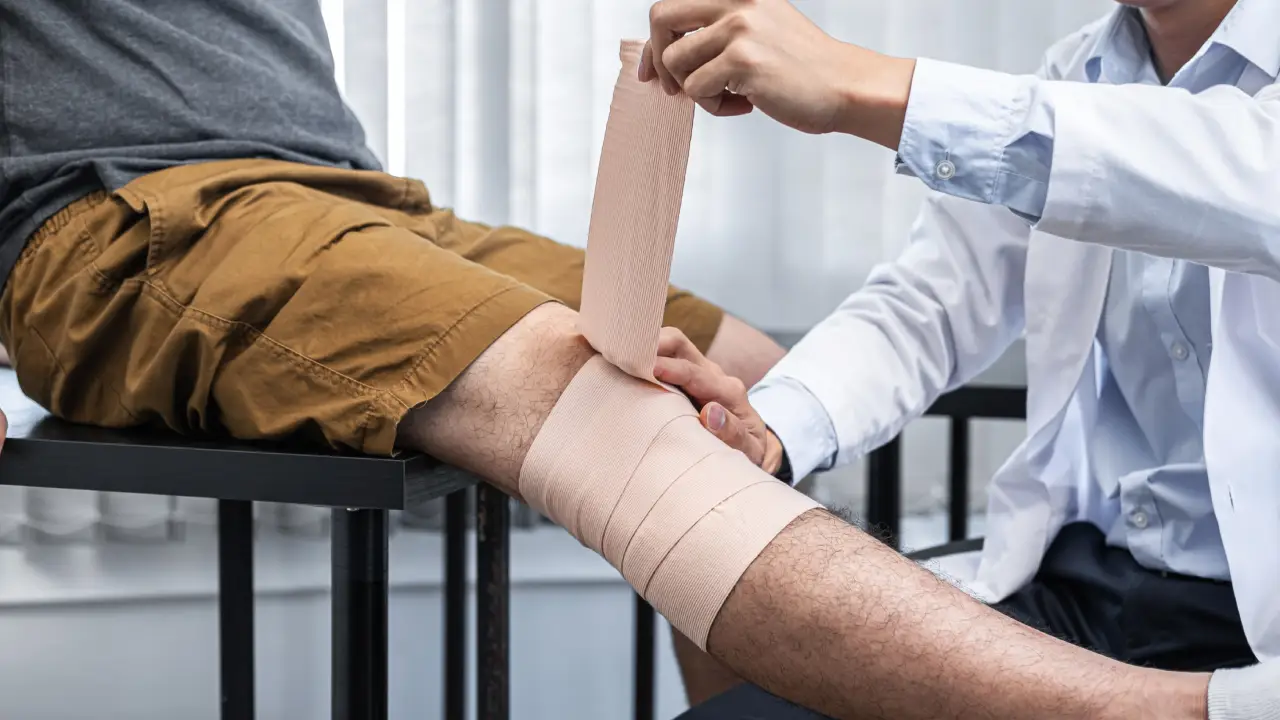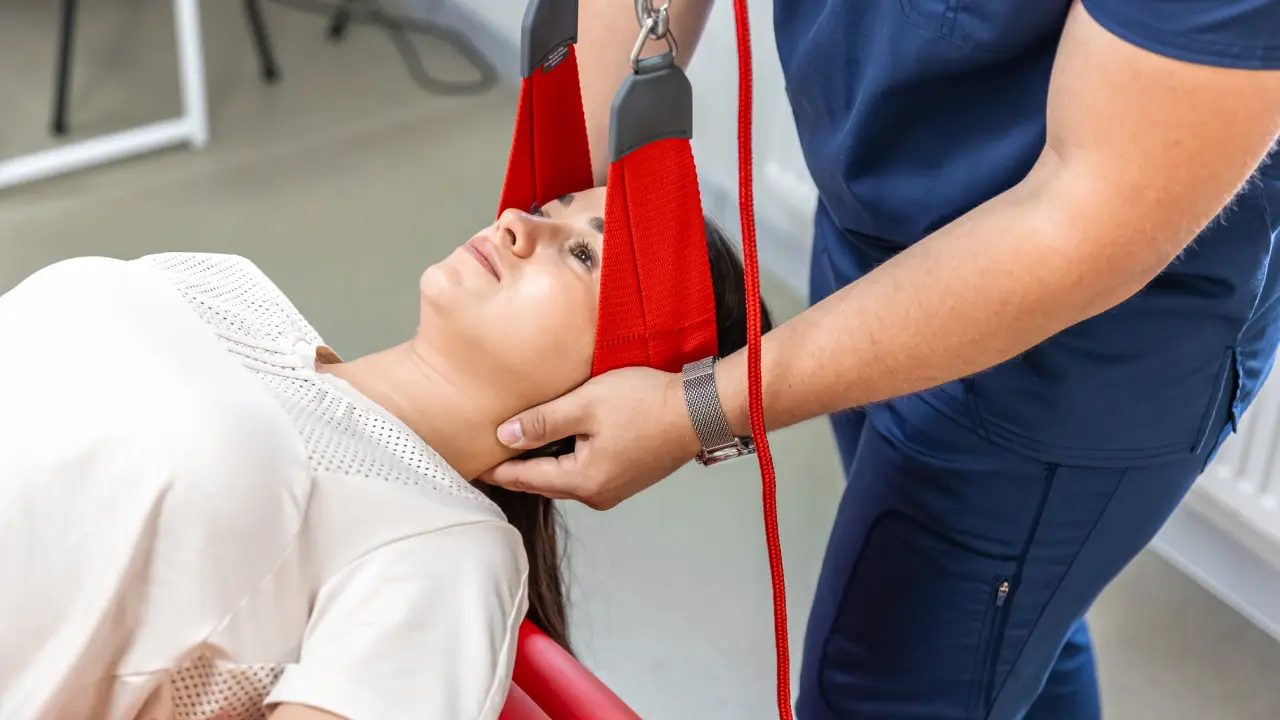

Diabetic neuropathy is a type of nerve damage that can occur in people with diabetes. It often begins in the hands and feet but may extend to other areas. The condition can cause a range of symptoms that affect daily life. Early recognition and proper care are crucial for reducing risks and maintaining independence.
The signs of diabetic neuropathy include:
Symptoms may develop gradually, so monitoring changes in sensation or movement is essential for timely action.
Nerve damage caused by diabetes can significantly impact many aspects of daily life. Reduced sensation in the feet may prevent recognition of cuts, blisters, or infections, leading to slow healing or complications. Impaired balance and coordination increase the likelihood of falls, which can result in injuries that take longer to recover from. Chronic pain can also affect sleep, mood, and overall wellbeing.
Managing these challenges requires a combination of medical care, lifestyle adjustments, and targeted therapies to maintain Mobility and reduce secondary issues.
Several factors can make diabetic neuropathy more likely:
Addressing these factors through lifestyle choices and coordinated care can slow progression and improve outcomes.
Managing diabetic neuropathy involves several areas of care:
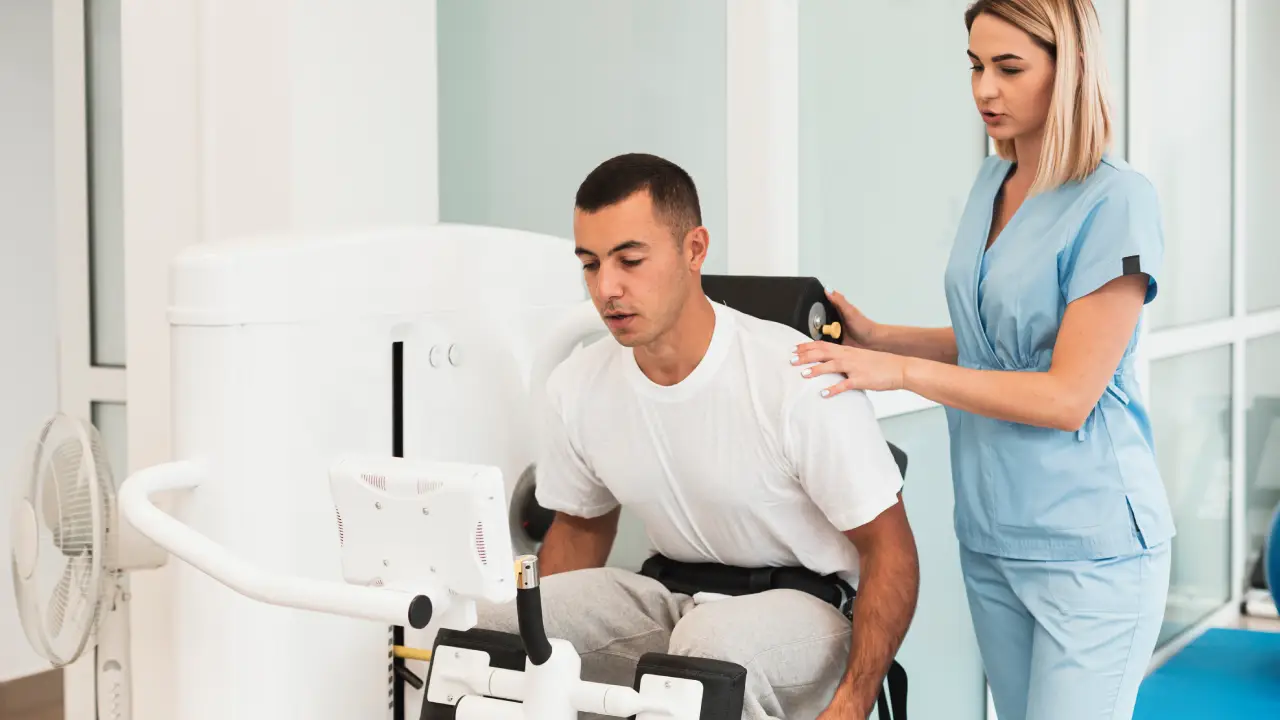
A clinic can provide programs that combine movement exercises, education, and lifestyle guidance. Collaboration with healthcare providers ensures that care is coordinated and tailored to the individual’s specific needs. Approaches focus on improving balance, maintaining Mobility, and managing symptoms effectively.
At our clinic, patients receive guidance on exercises, movement strategies, and protective techniques for the hands and feet. Programs may include:
This type of support helps people maintain their independence and continue with everyday tasks with greater Confidence.
Diabetic neuropathy can worsen over time, but careful management can reduce complications. Regular checkups, lifestyle adjustments, and therapy sessions help prevent infections, ulcers, and falls. Staying proactive with self-care and medical follow-ups supports ongoing Mobility.
Patients are encouraged to report changes in symptoms promptly. Adjustments to care routines as needed ensure strategies remain effective over time.
Managing diabetic neuropathy also involves general health measures. Maintaining cardiovascular health, a healthy weight, and proper nutrition contributes to nerve health. Adequate hydration and rest can help reduce nerve stress and support recovery.
Combining these steps with targeted care for nerve symptoms helps maintain routine activities, work performance, and social participation while minimizing risks.
Early assessment is crucial. Anyone experiencing numbness, tingling, burning sensations, or unsteady movement should consult a healthcare professional. Even minor changes may indicate a need for evaluation. Prompt care can prevent further nerve damage and allow for timely interventions.
At our clinic, patients receive thorough assessments and tailored guidance. The team collaborates with medical providers to ensure that care is safe, effective, and supportive for each individual.
Diabetic neuropathy presents challenges, but a coordinated approach can help manage symptoms. Combining medical oversight, lifestyle adjustments, and targeted therapies supports Mobility and reduces pain. Patients can maintain functional independence and improve comfort in daily life by taking early action.
If you or someone you know is affected by diabetic neuropathy, our clinic can provide assessment, guidance, and support. Contact Assure Physio & Rehab today to schedule a consultation and explore a personalized plan designed to protect nerve health and support your daily activities.
Copyright © Assure Physio & Rehab. All Rights Reserved | Privacy Policy | Terms Of Use
Designed & Developed By Convirzon
 Optimized by Seraphinite Accelerator