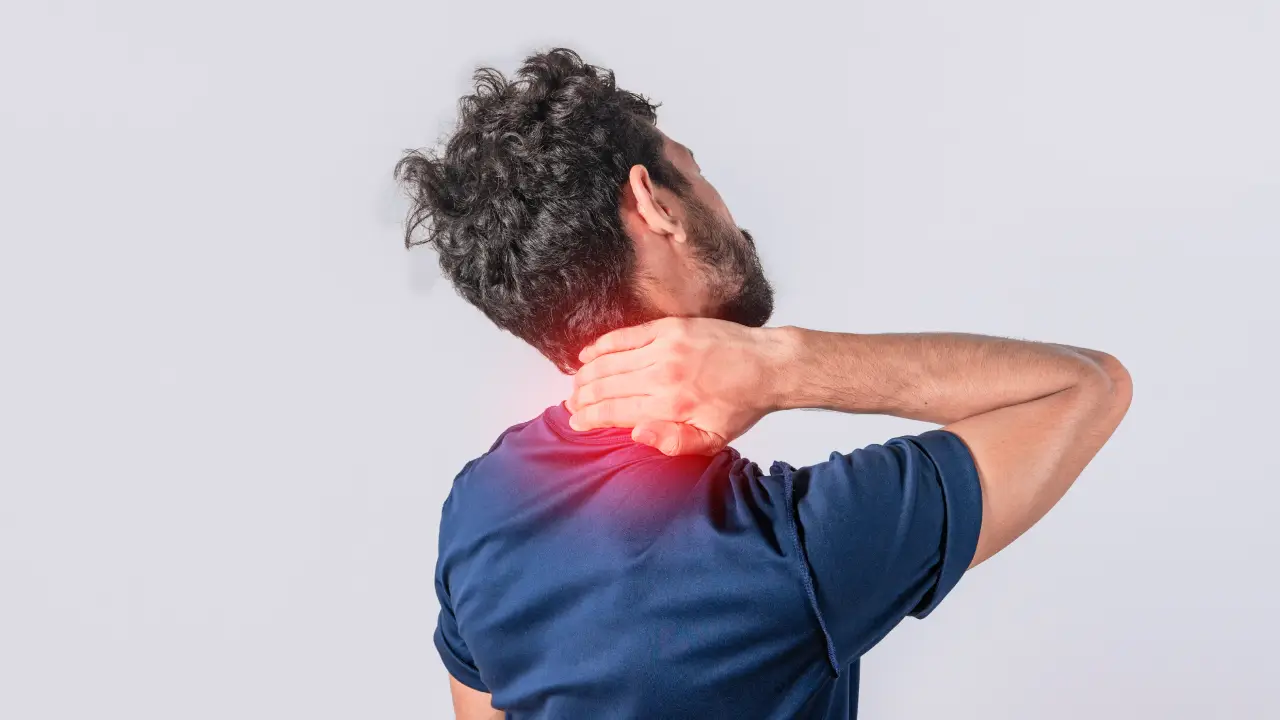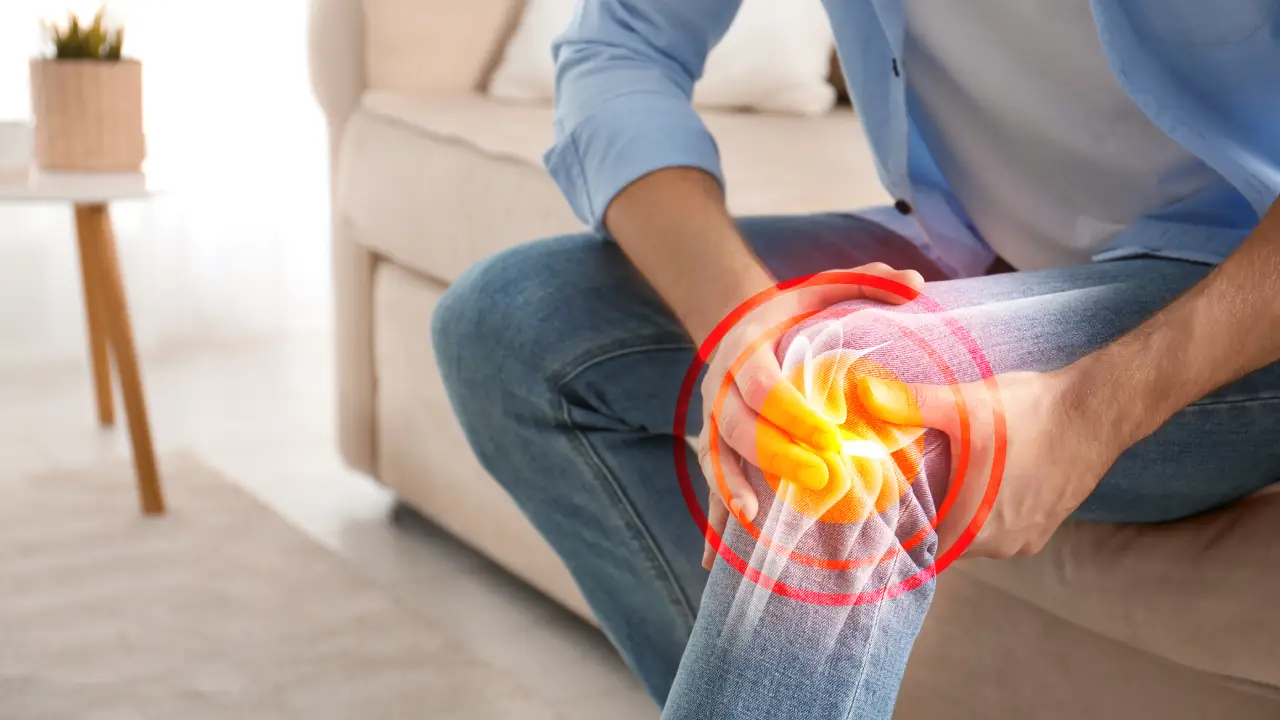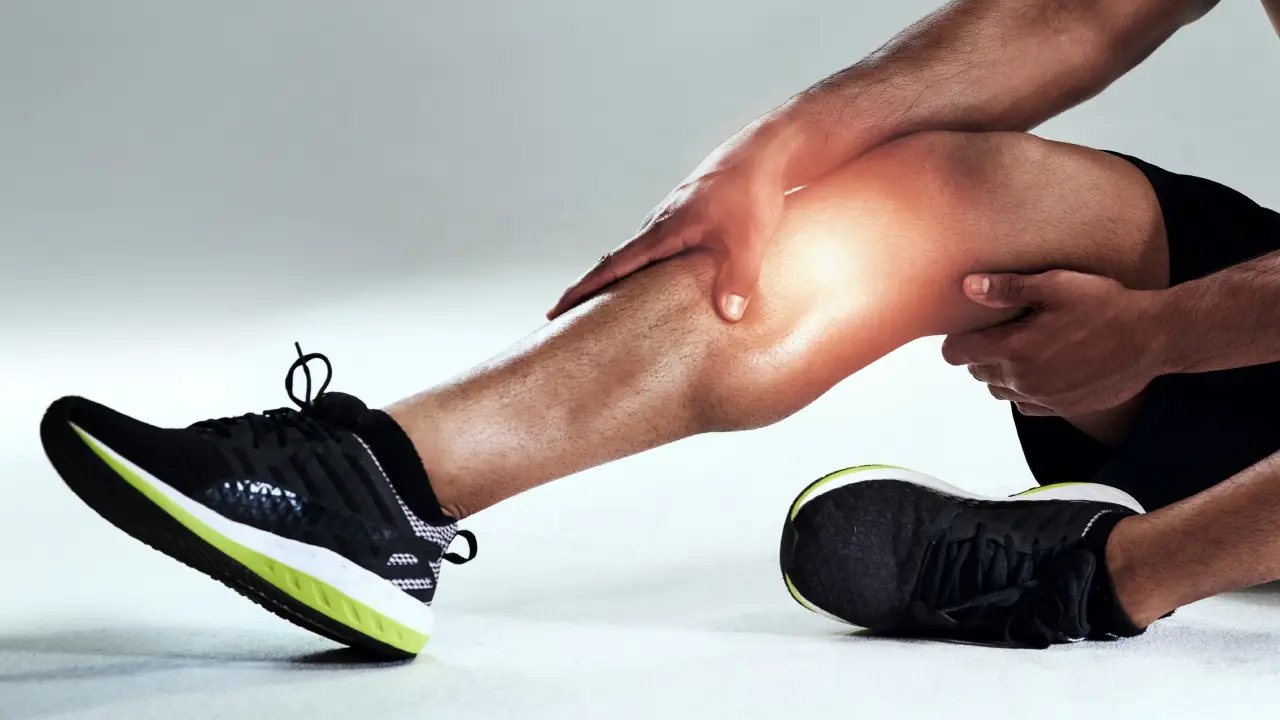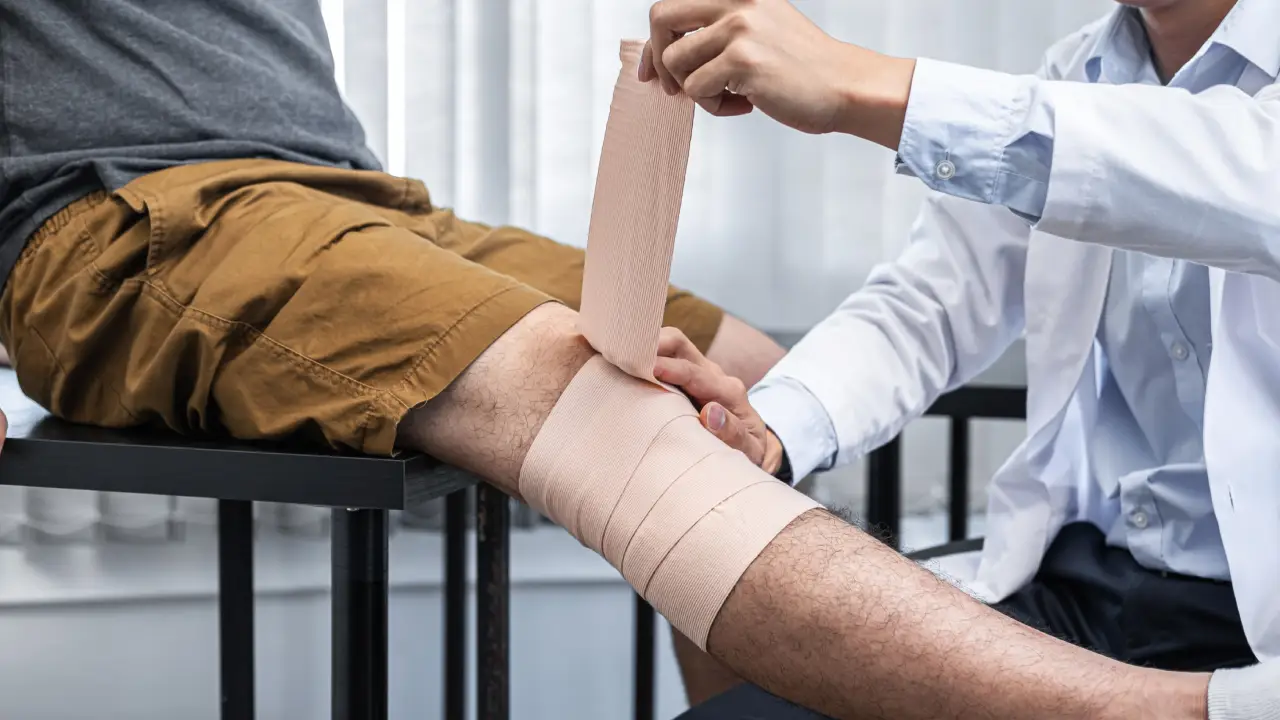

Active lifestyles often involve repetitive motion, high-intensity training, or sudden movements that can place stress on the body. Whether through competitive sports, recreational activities, or exercise routines, athletic injuries are a common concern for people of all ages and fitness levels. These injuries may range from minor sprains to complex joint problems, often impacting Mobility, strength, and overall performance.
Athletic injuries develop for a variety of reasons. Some occur due to accidents during training or competition. In contrast, others develop gradually over time due to repeated stress on a muscle or joint. Factors such as inadequate warm-up, improper technique, lack of conditioning, or overuse often contribute to the problem. Environmental conditions, including uneven playing surfaces or unsuitable footwear, can also increase risk.
Athletic injuries generally fall into two categories:
Both types of injuries may require professional care to restore movement, manage pain, and prevent recurrence.
Athletic injuries can affect various parts of the body. Our clinic addresses a wide range of conditions, including:
A muscle strain occurs when fibres stretch beyond their capacity or tear. This may occur during sprinting, weightlifting, or when making sudden changes in direction. Strains typically cause swelling, bruising, and loss of strength in the affected area.
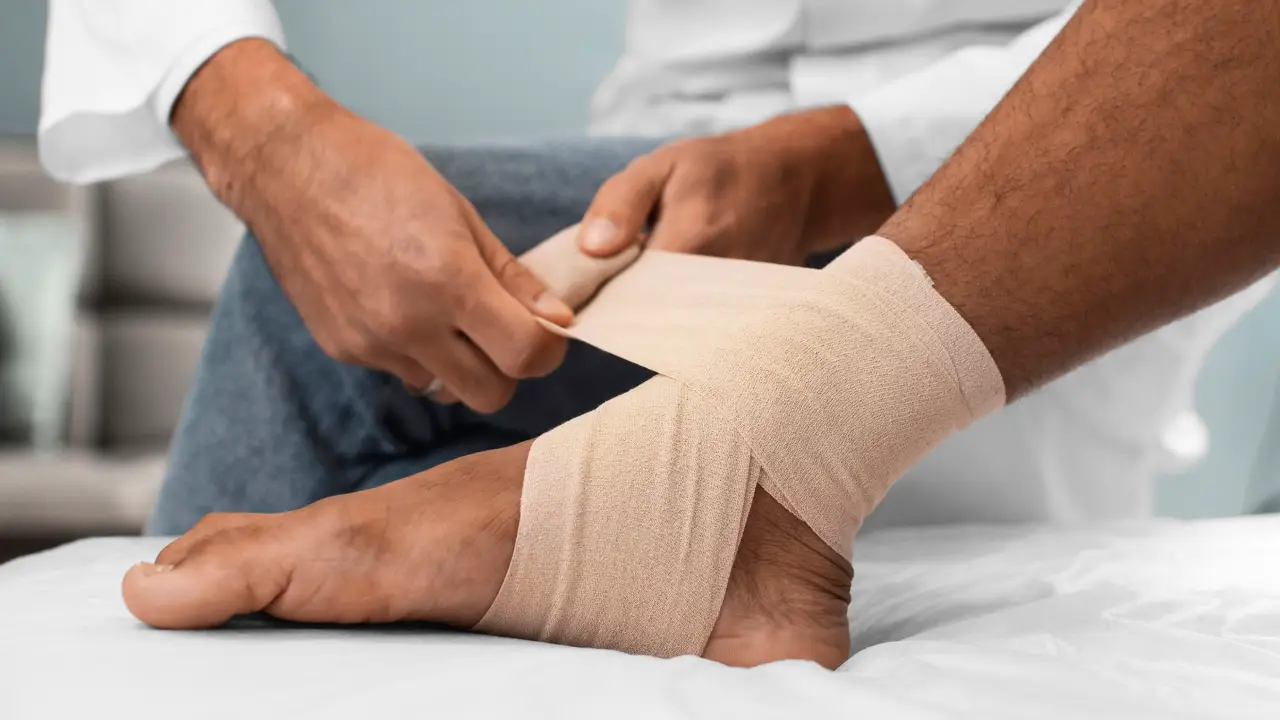
Ligaments stabilize joints, and when they are stretched or torn, joint stability is compromised. Ankle and knee sprains are especially common in athletes. Depending on severity, recovery may involve targeted exercise, bracing, or gradual return-to-play programs.
Repetitive movements often lead to tendon irritation or minor tears. Common examples include Achilles tendon issues in runners and rotator cuff injuries in overhead athletes, such as swimmers and throwers.
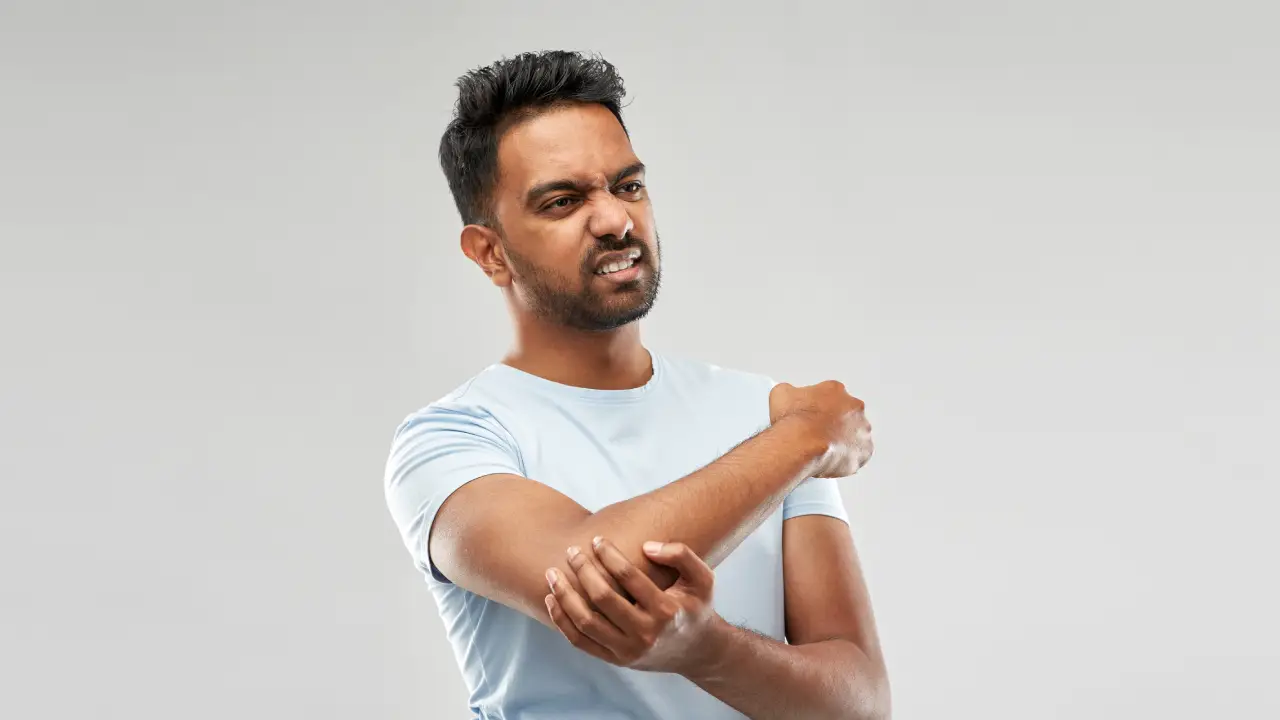
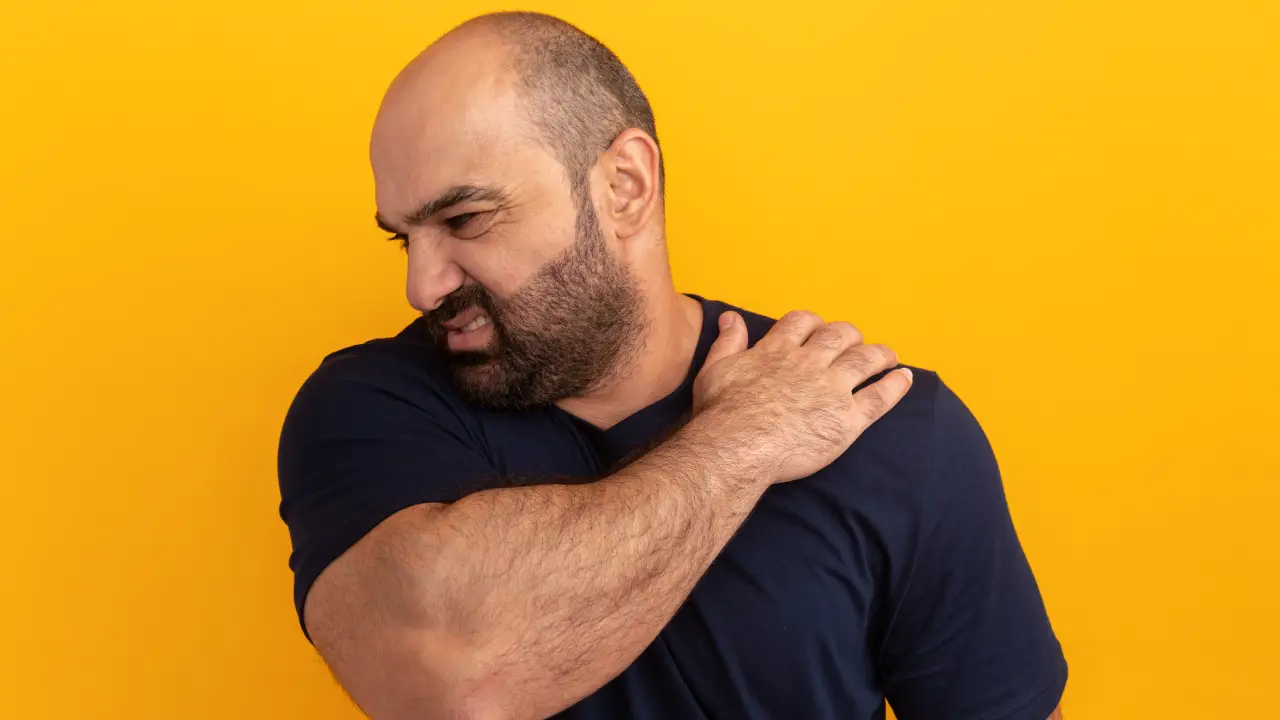
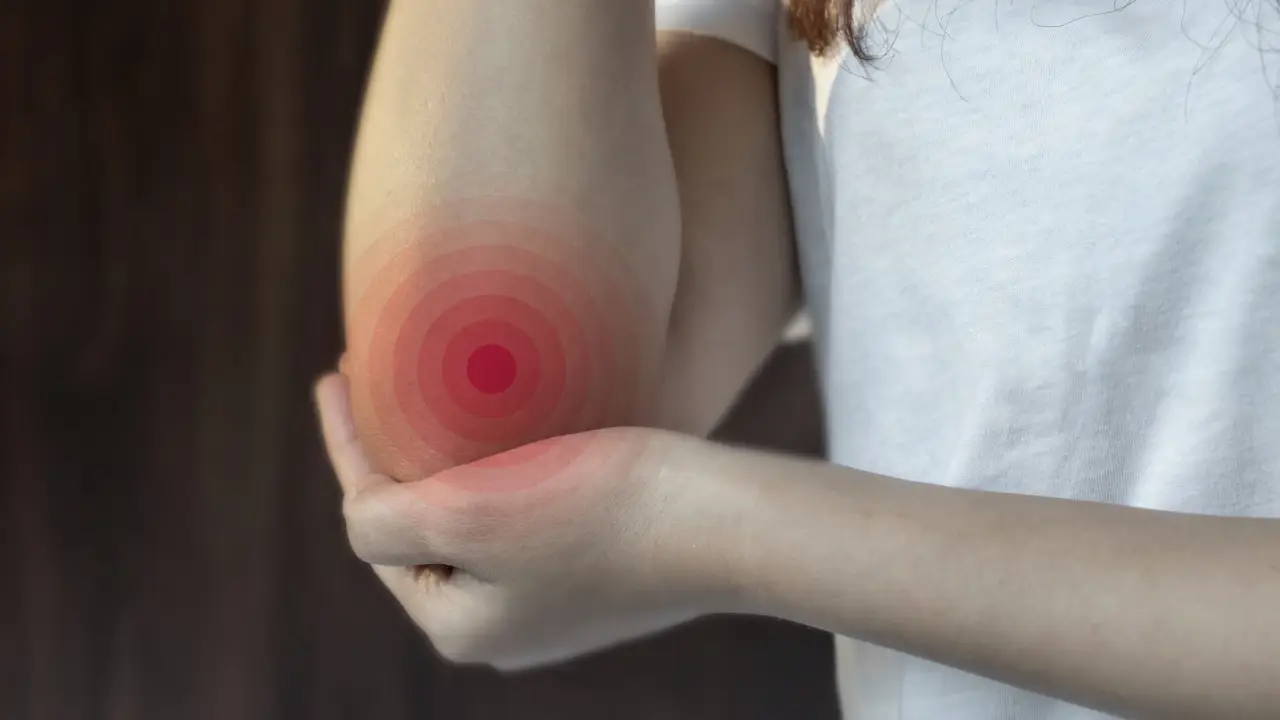
Contact sports and high-impact activities frequently affect joints such as the knee, shoulder, or elbow. Meniscus injuries, dislocations, and cartilage problems fall within this category. They often limit the range of motion and may require rehabilitation to regain full function.
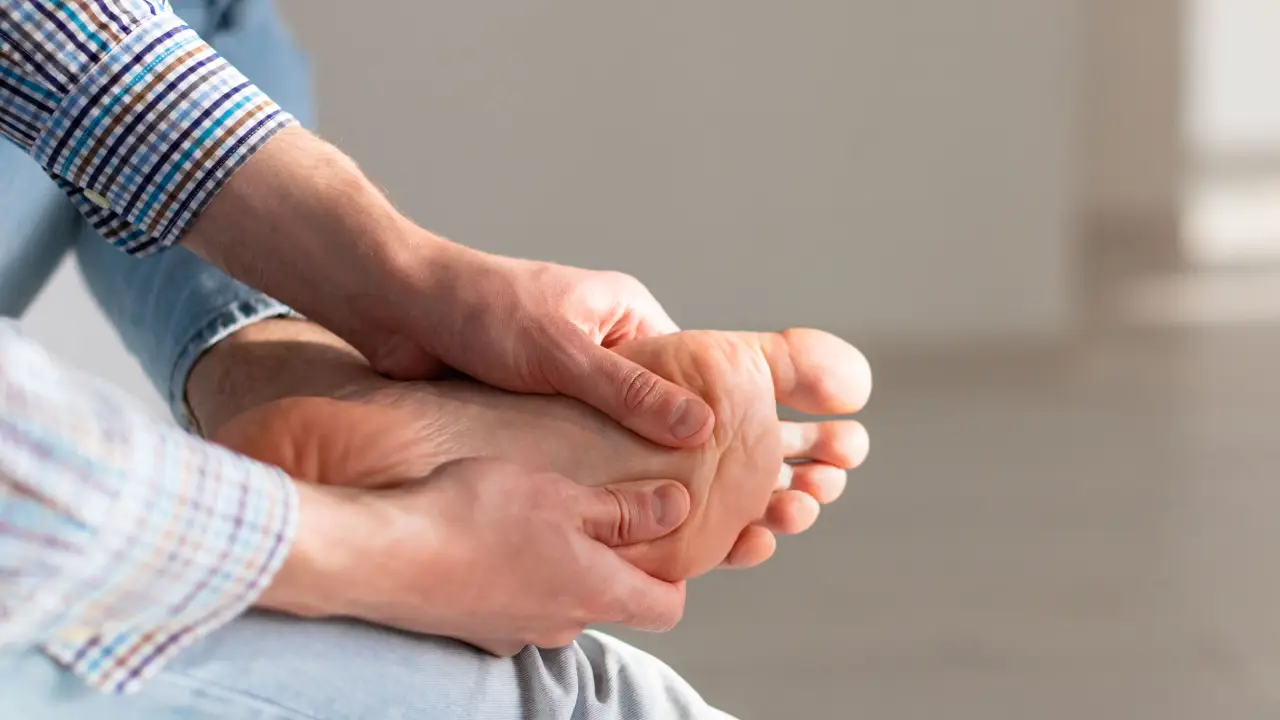
Unlike complete breaks, stress fractures are small cracks in the bone caused by overuse. They occur most frequently in weight-bearing bones, such as the tibia or foot. Early diagnosis and careful management are essential for proper healing.
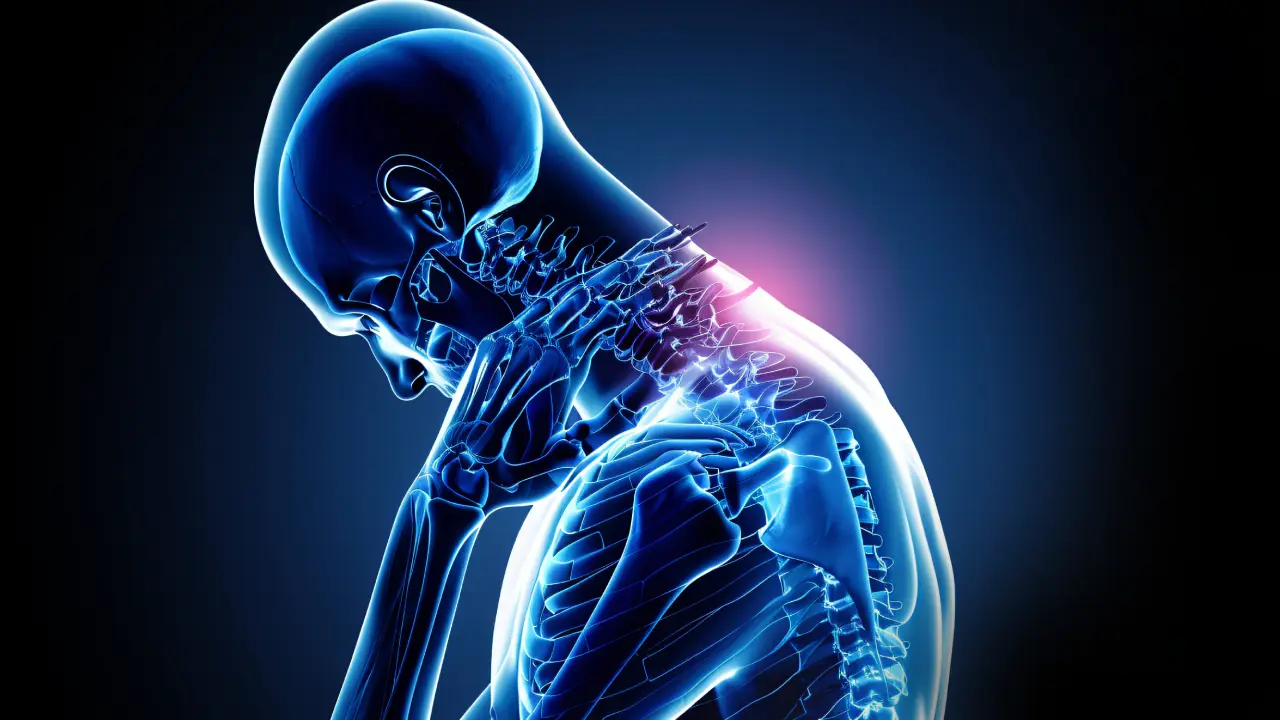
Athletes may develop muscle tightness, spinal misalignments, or disc-related problems due to high-intensity training, poor Posture, or collisions. These injuries can interfere with performance and daily activities if not managed effectively.
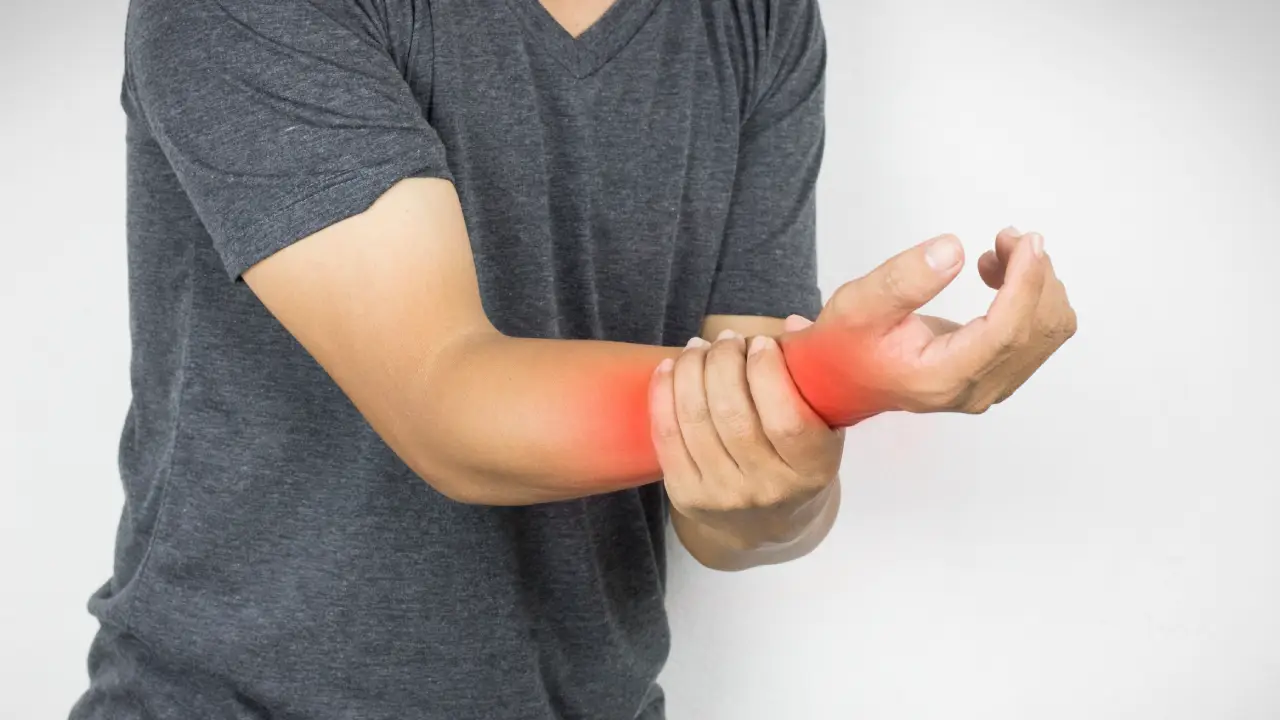
Athletic injuries vary in severity, but common signs include:
Ignoring these signs can prolong recovery or worsen the injury, making early care necessary.
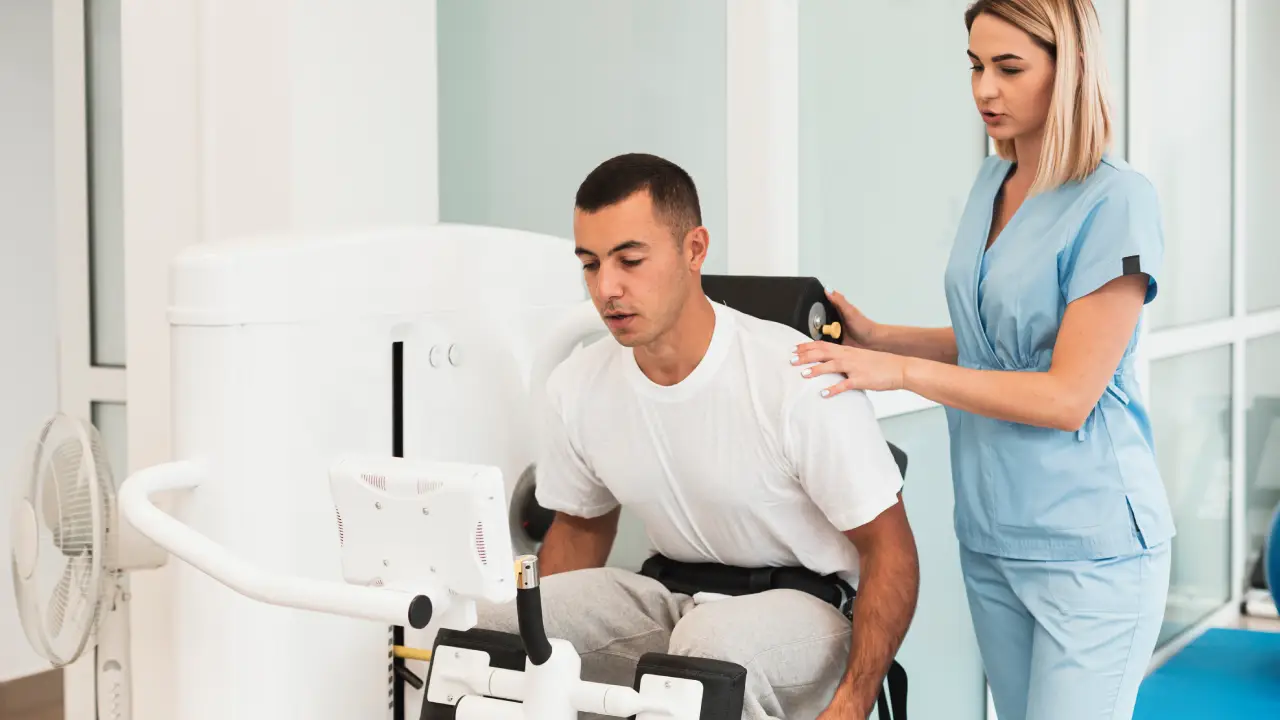
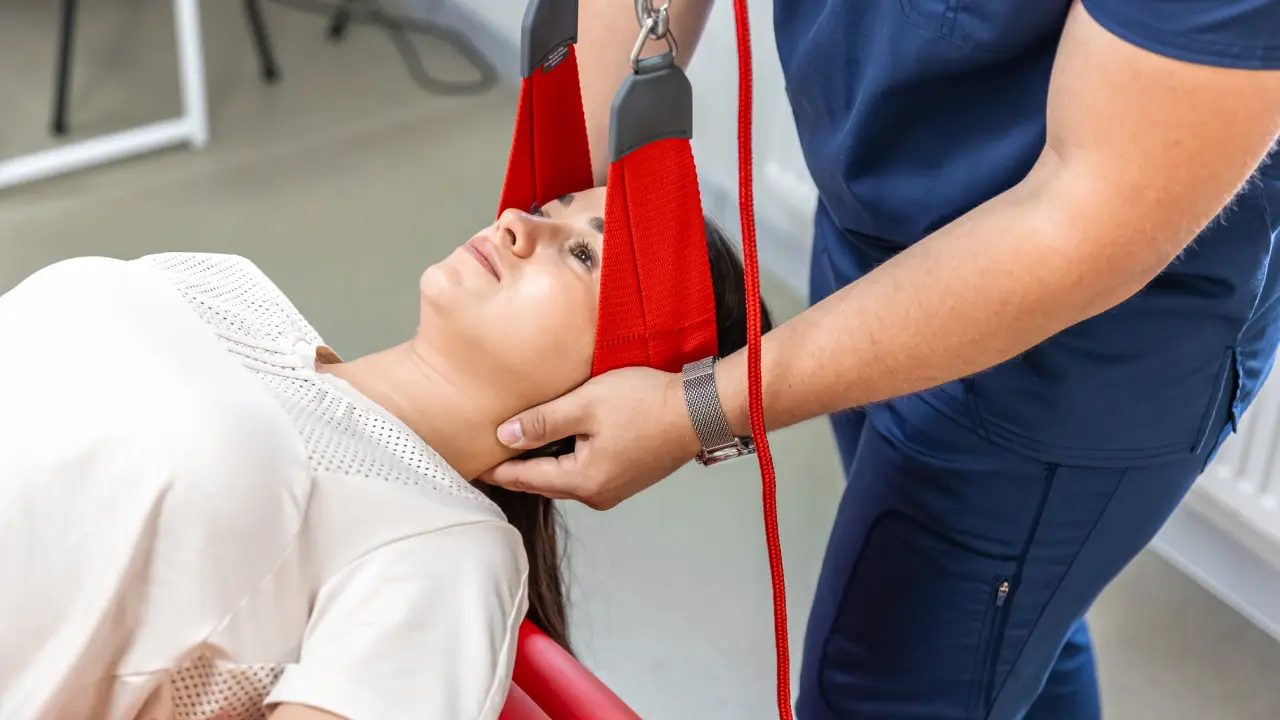
While physiotherapy plays a key role in recovery, athletic injury management often involves multiple approaches working together. These may include:
Prevention is as important as treatment. Athletes can lower their risk of injury by:
By following these practices, athletes can enhance their resilience and maintain optimal performance over time.
If left unaddressed, athletic injuries can lead to chronic discomfort, decreased range of motion, and recurring problems that interfere with both sports and daily life. Compensatory movement patterns often develop, putting additional stress on other parts of the body. Addressing injuries promptly not only supports recovery but also reduces the likelihood of long-term complications.
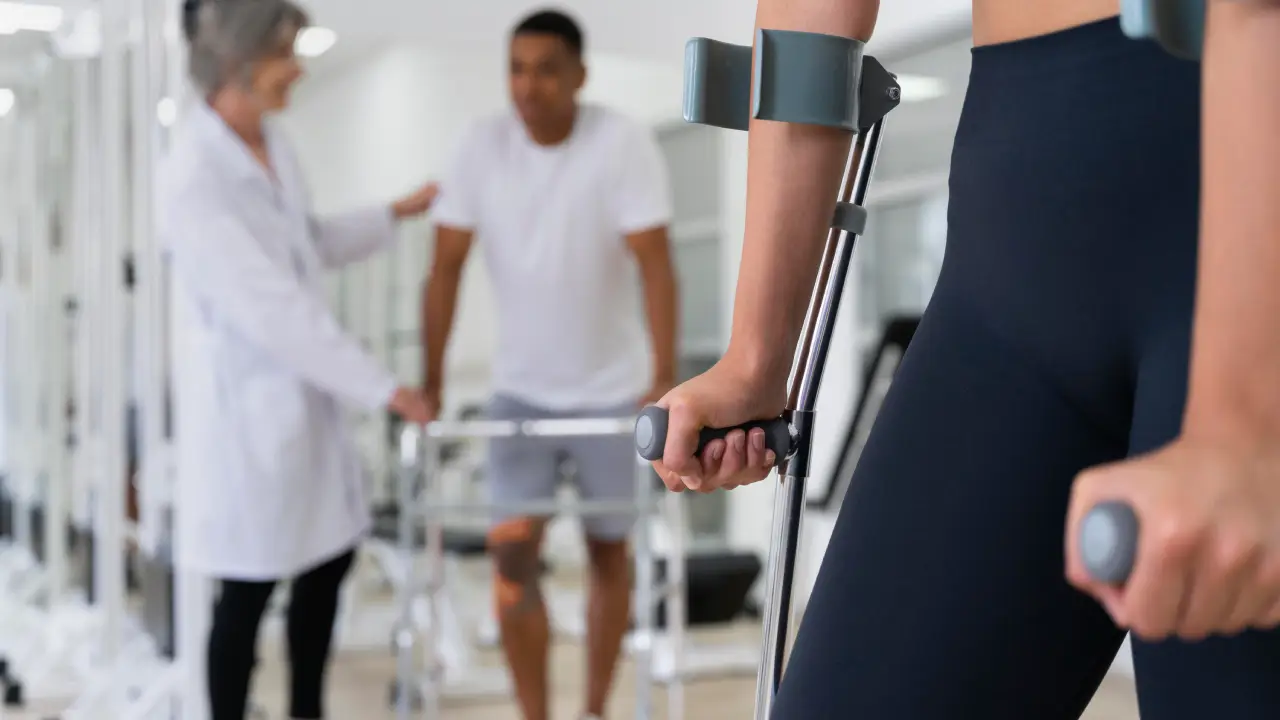
Safe return to sport or exercise depends on the type and severity of the injury. A structured plan typically begins with regaining basic Mobility, then progresses to strength, stability, and sport-specific movements. This gradual progression ensures the athlete can handle the physical demands of their chosen activity without risking setbacks.
Athletic injuries affect not only the body but also an individual’s Confidence, goals, and lifestyle. At Assure Physio & Rehab, we provide tailored care that focuses on restoring movement, reducing discomfort, and supporting a safe return to activity. Our team considers the unique demands of each sport and activity when guiding recovery.
If you’re dealing with an athletic injury or want to prevent one, our clinic is here to help. Reach out today to schedule an appointment and begin your path toward recovery and active living.
Copyright © Assure Physio & Rehab. All Rights Reserved | Privacy Policy | Terms Of Use
Designed & Developed By Convirzon
 Optimized by Seraphinite Accelerator