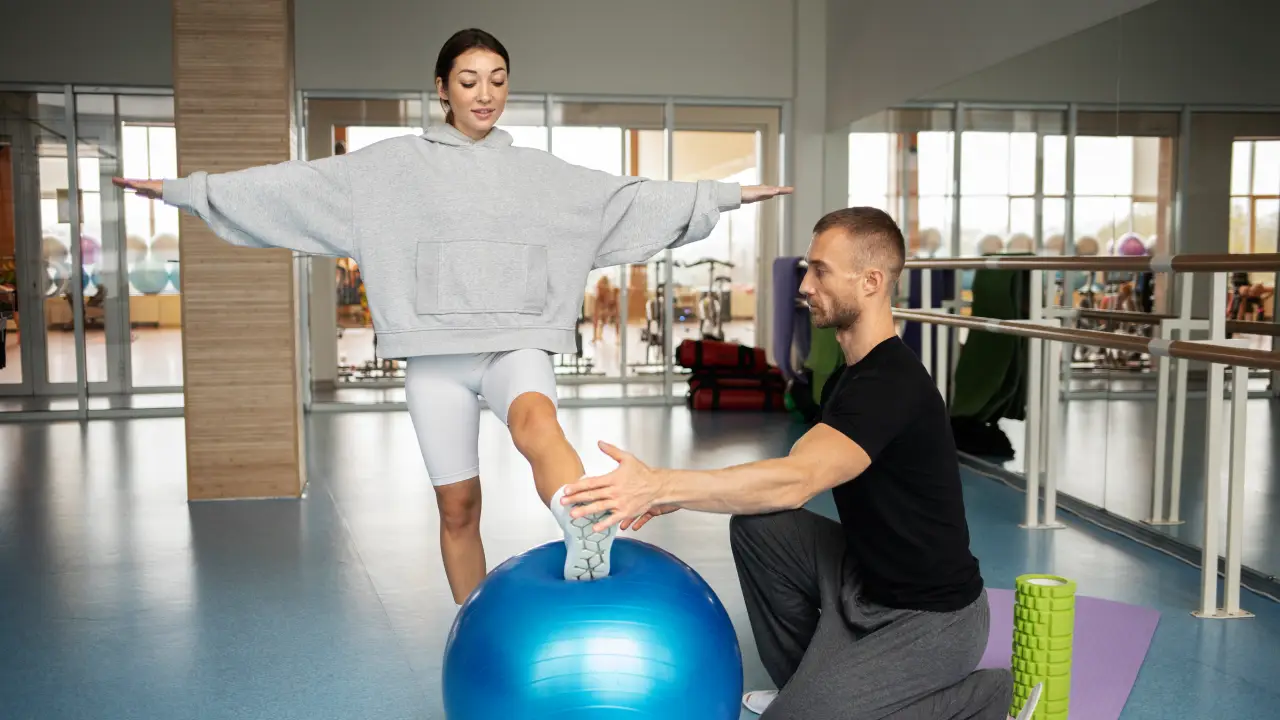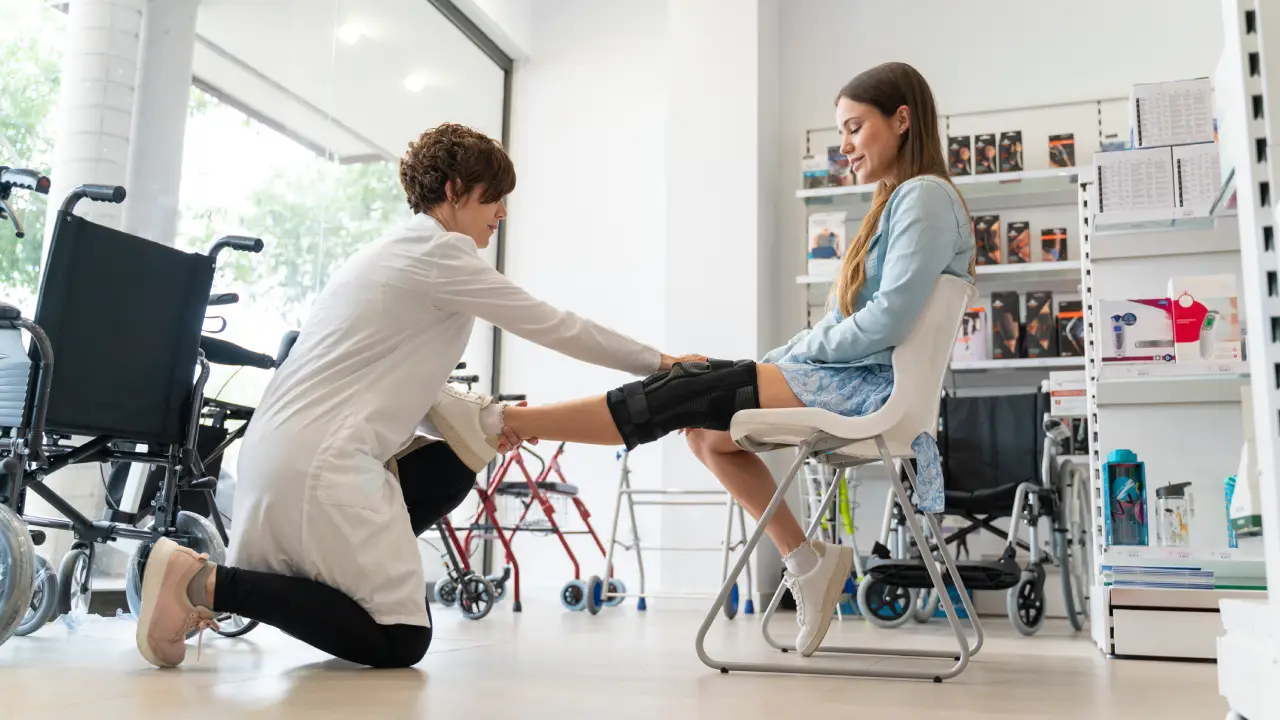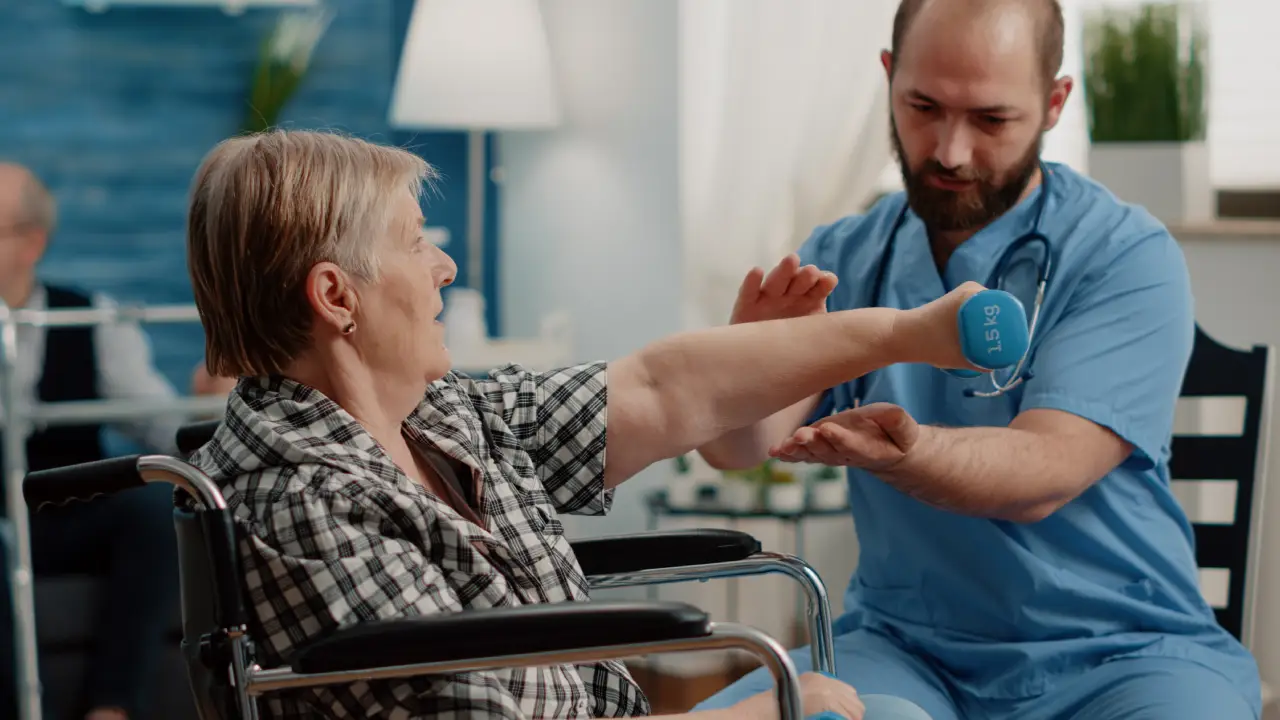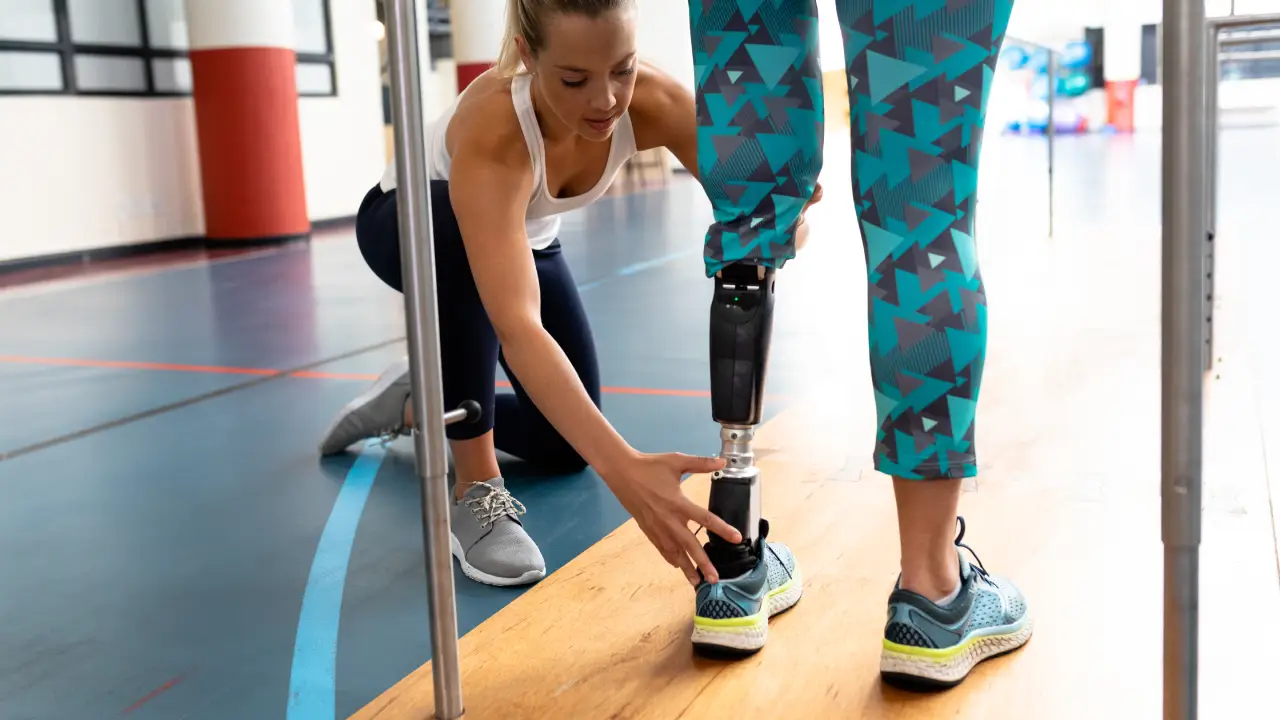

Neurological conditions encompass a wide range of disorders that affect the brain, spinal cord, and peripheral nerves. These conditions can significantly impact movement, coordination, balance, and overall daily function. Our clinic works with patients experiencing these challenges, offering tailored programs that address their specific needs and support long-term functional goals.
At our clinic, we offer comprehensive care for a range of neurological disorders. Some of the most frequently seen include:
Parkinson’s disease is a progressive neurological disorder that primarily affects movement. Individuals with this condition may experience tremors, muscle stiffness, and difficulties with balance and walking. Daily activities can become increasingly challenging as the disease progresses. Through targeted interventions, patients can maintain a higher level of Mobility, manage symptoms more effectively, and perform everyday tasks with greater ease.
Multiple sclerosis is an autoimmune disorder that impacts the central nervous system. It can lead to muscle weakness, fatigue, spasticity, and sensory disturbances. Symptoms vary widely between individuals, making a personalized approach essential. Programs designed to support strength, coordination, and endurance can help reduce the impact of MS on day-to-day life and enhance overall function.
A stroke occurs when blood flow to the brain is interrupted, resulting in damage or death to brain cells. This can result in weakness, loss of coordination, difficulty speaking, and impaired balance. Early and consistent rehabilitation is crucial for regaining function, preventing complications, and supporting recovery. Interventions focus on enhancing motor control, improving walking ability, and promoting functional independence.
Traumatic brain injury can result from accidents, falls, or sports-related impacts. It may cause cognitive impairments, muscle weakness, coordination challenges, and balance difficulties. Our team designs rehabilitation programs to address both physical and functional needs, helping patients regain control over movement and navigate daily activities more effectively.
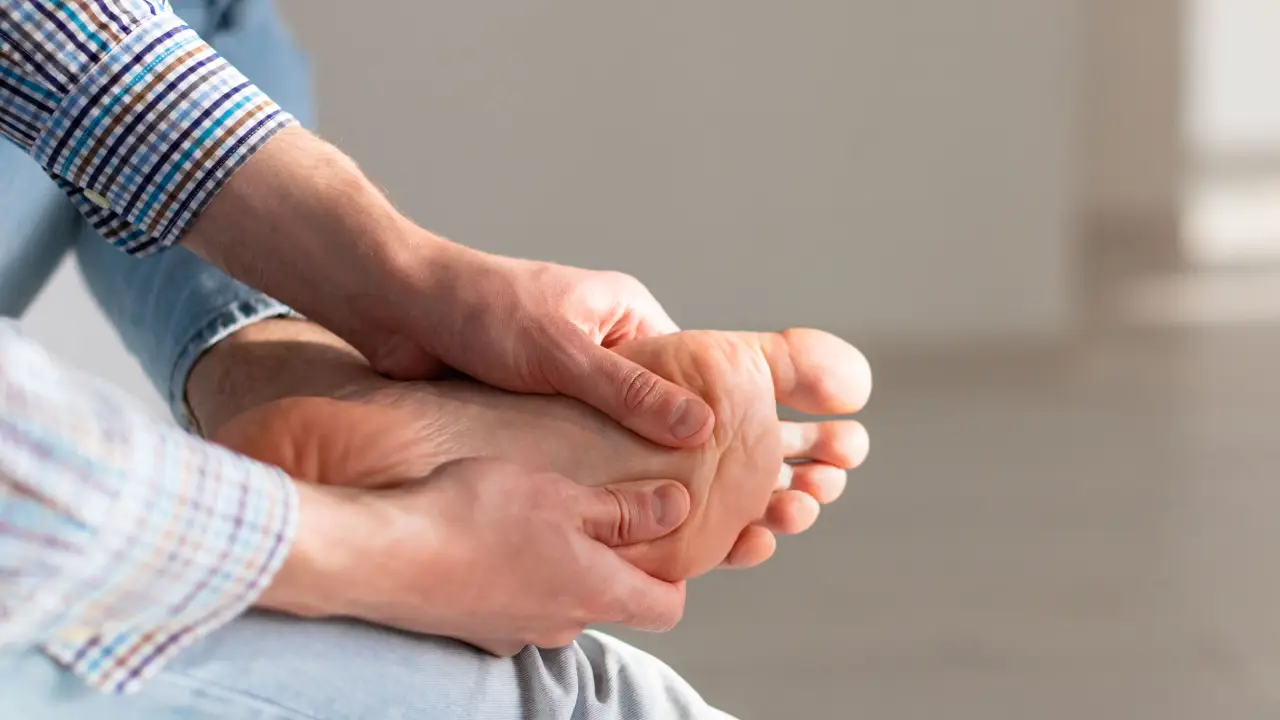
Peripheral neuropathy occurs when the peripheral nerves are damaged, often resulting in numbness, tingling, or weakness in the hands and feet. Causes include diabetes, infections, or traumatic injury. Addressing these issues early can prevent further complications, improve walking stability, and enhance the ability to perform routine tasks safely and effectively.
Our clinic also supports patients with other neurological conditions that impact Mobility, such as cerebellar ataxia, dystonia, and post-polio syndrome. These conditions can present unique challenges, including unsteady gait, tremors, and difficulty with movement coordination. Tailored interventions help improve balance, muscle control, and functional performance.
Neurological conditions often result in a range of physical challenges, including:
Addressing these symptoms early can help prevent further decline, support daily functioning, and enhance overall comfort and safety.
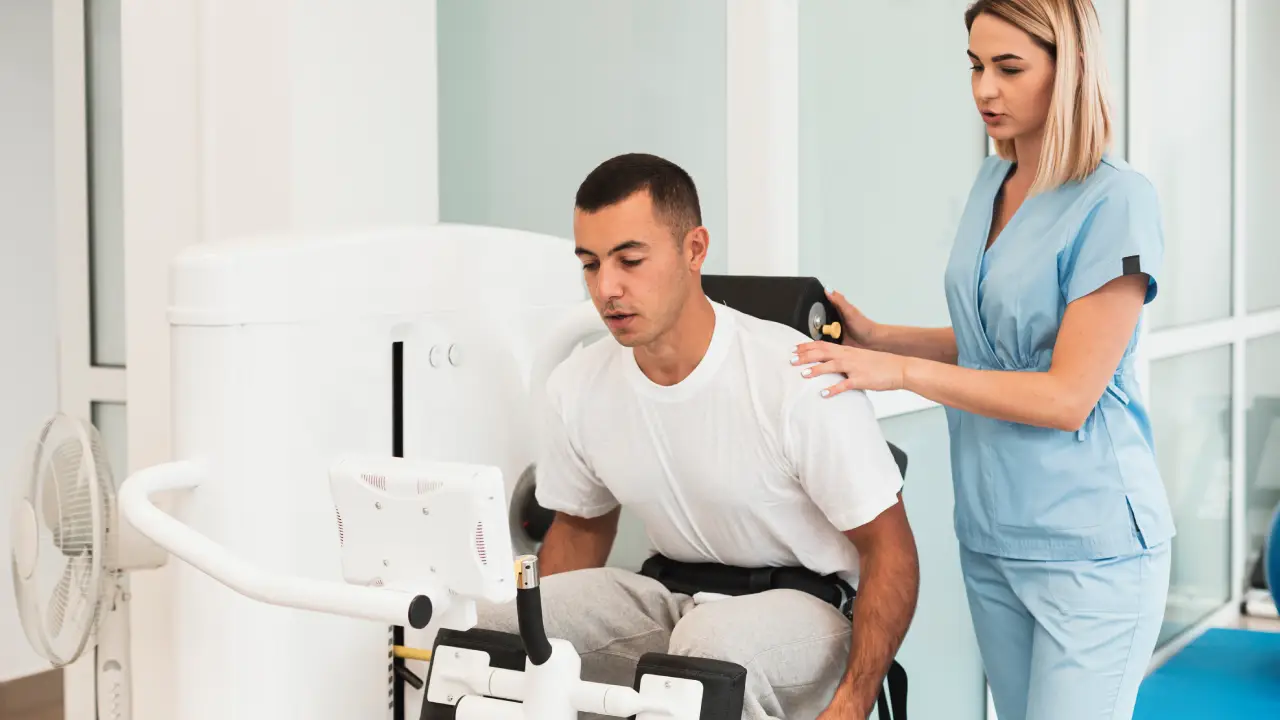
Rehabilitation for neurological conditions focuses on maximizing functional ability, minimizing limitations, and promoting safe, efficient movement. Some key strategies include:
Each program is carefully tailored to the individual, taking into account the type and severity of the neurological condition, overall health, and personal goals. We regularly monitor progress and make adjustments to ensure the approach is as practical as possible.
Living with a neurological condition can present significant challenges, not just physically, but also emotionally and socially. Rehabilitation provides patients with tools to maintain Mobility, perform everyday activities, and improve overall function. By addressing movement limitations early, individuals can reduce the risk of falls, support participation in preferred activities, and retain a sense of autonomy in their daily lives.
Effective care focuses on the patient as a whole, examining how movement difficulties affect daily routines, work, and social engagement. Programs aim to enhance comfort, reduce fatigue, and optimize quality of life. Clinicians also guide patients in strategies to manage symptoms and prevent secondary complications, such as joint contractures, pressure injuries, or reduced cardiovascular fitness.
Neurological conditions often require ongoing management, as symptoms can change over time. Our clinic emphasizes sustainable strategies that allow patients to maintain gains and adapt to evolving needs. This includes developing home exercise programs, providing education on safe movement techniques, and ensuring regular reassessment to ensure optimal progress.
Family members and caregivers are often involved in the rehabilitation process. We provide training and guidance to help them support daily activities, transfers, and exercise routines safely and effectively.
At our clinic, patients receive comprehensive care tailored to their specific neurological condition. While we address movement limitations, we also consider overall function, safety, and quality of life. Programs are individualized to each patient, combining exercises, functional training, and practical strategies to manage symptoms.
By providing structured interventions, consistent monitoring, and personalized guidance, our clinic helps patients maintain Mobility, independence, and engagement in everyday activities. Progress may vary depending on the severity of the condition. Still, the focus remains on improving comfort, safety, and daily function over time.
For anyone facing challenges with neurological conditions, our clinic is here to help. Contact Assure Physio & Rehab today to discover how our programs can enhance Mobility, balance, and independence.
Copyright © Assure Physio & Rehab. All Rights Reserved | Privacy Policy | Terms Of Use
Designed & Developed By Convirzon
 Optimized by Seraphinite Accelerator