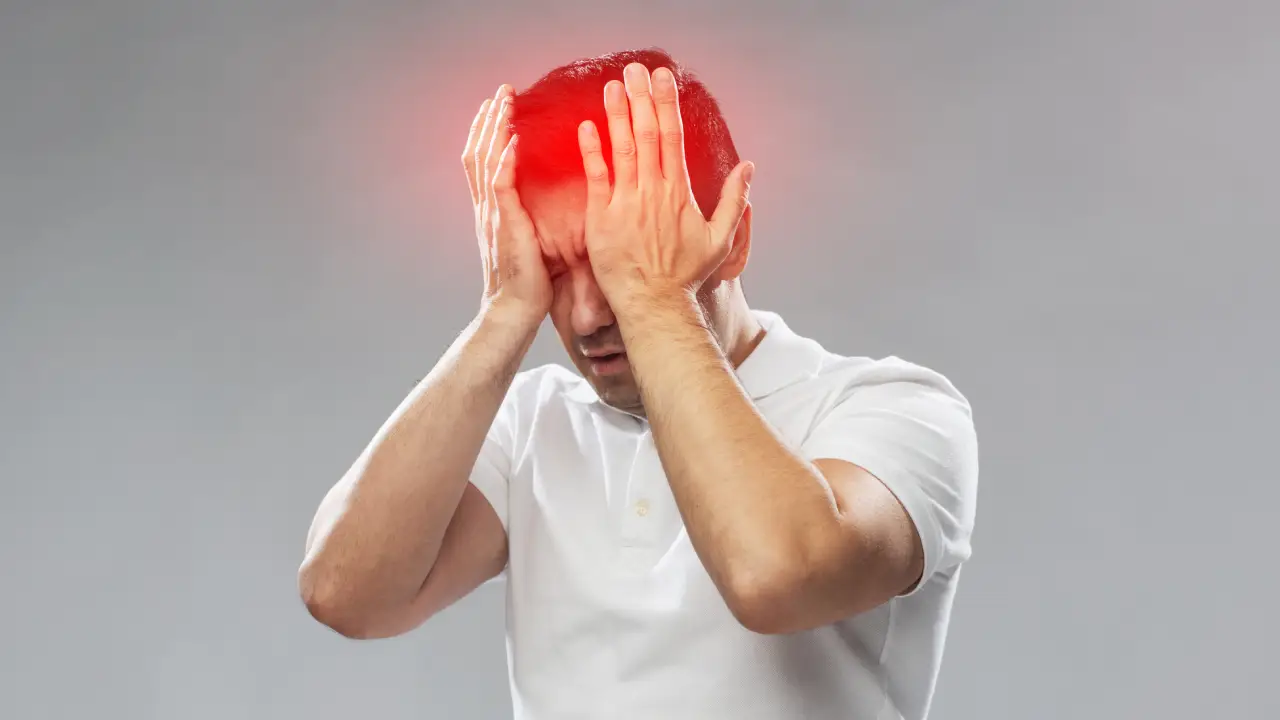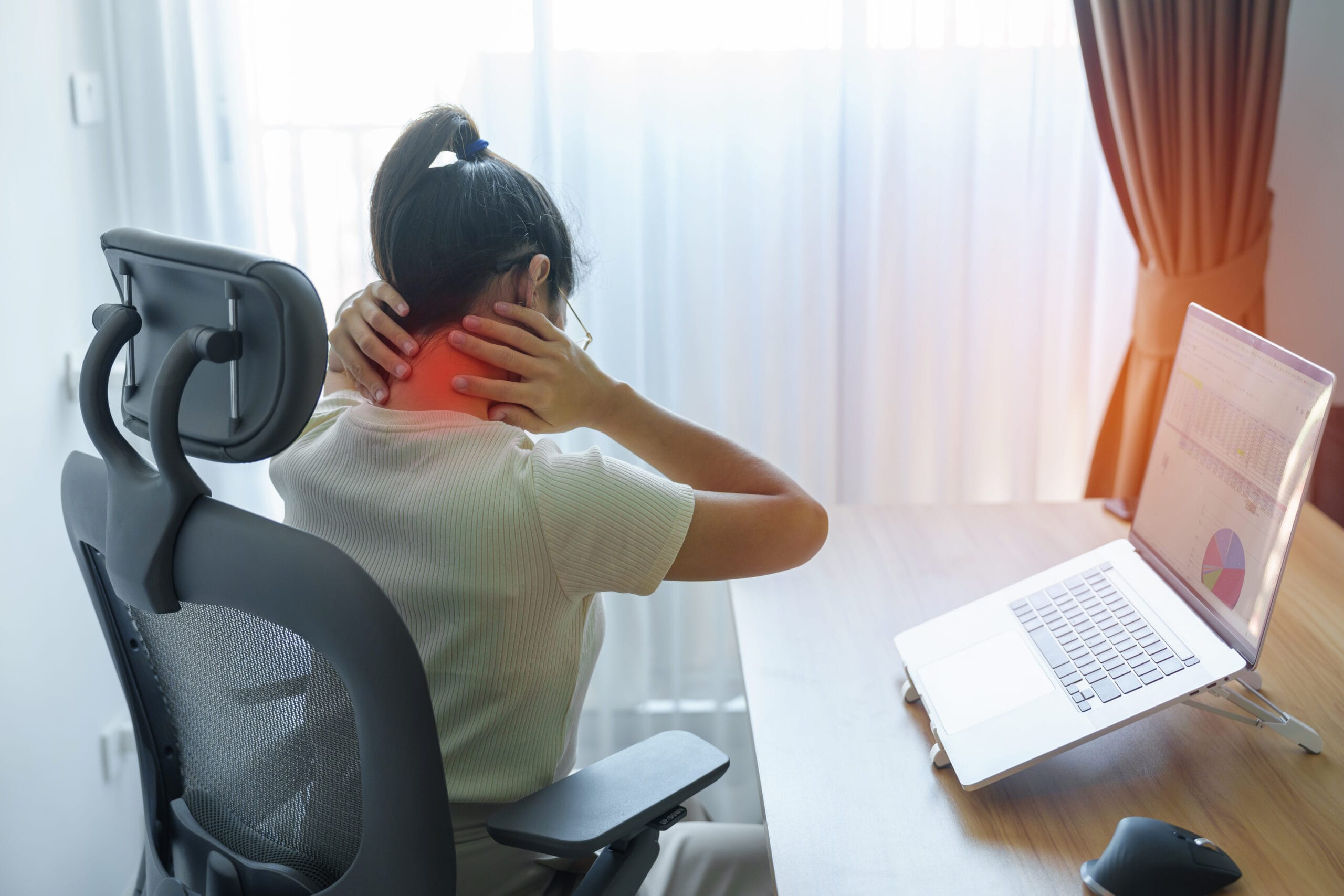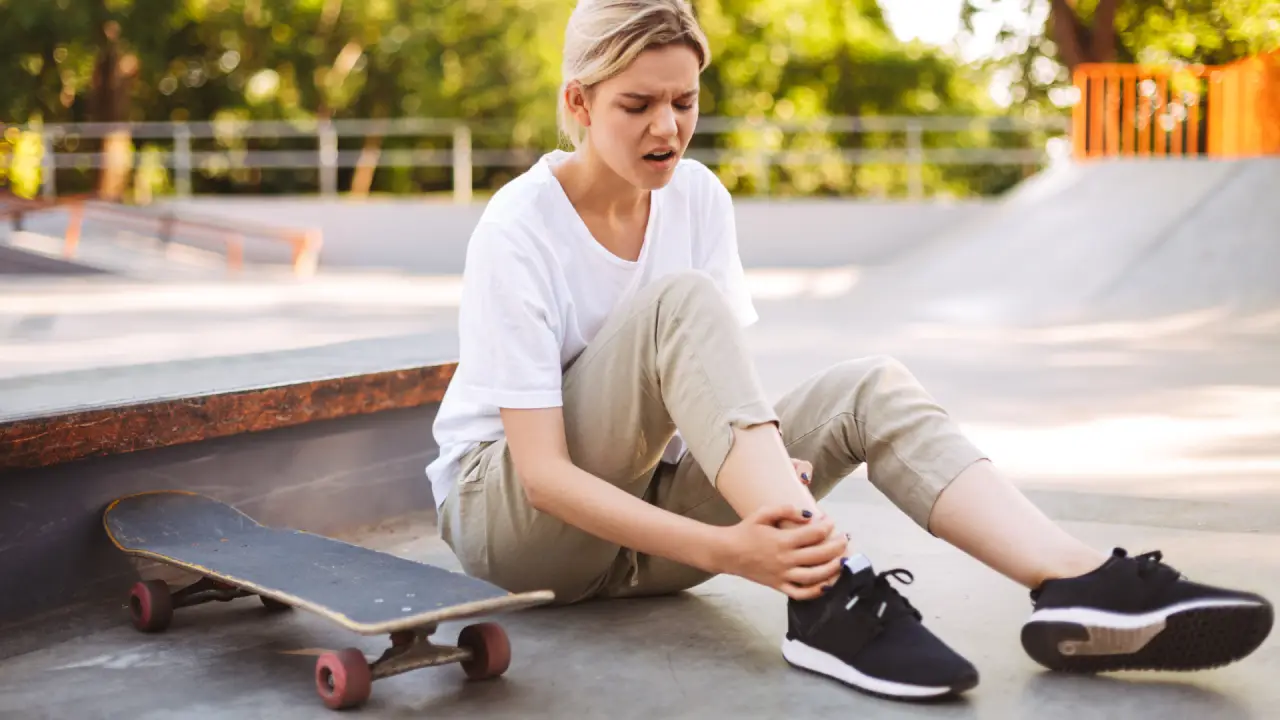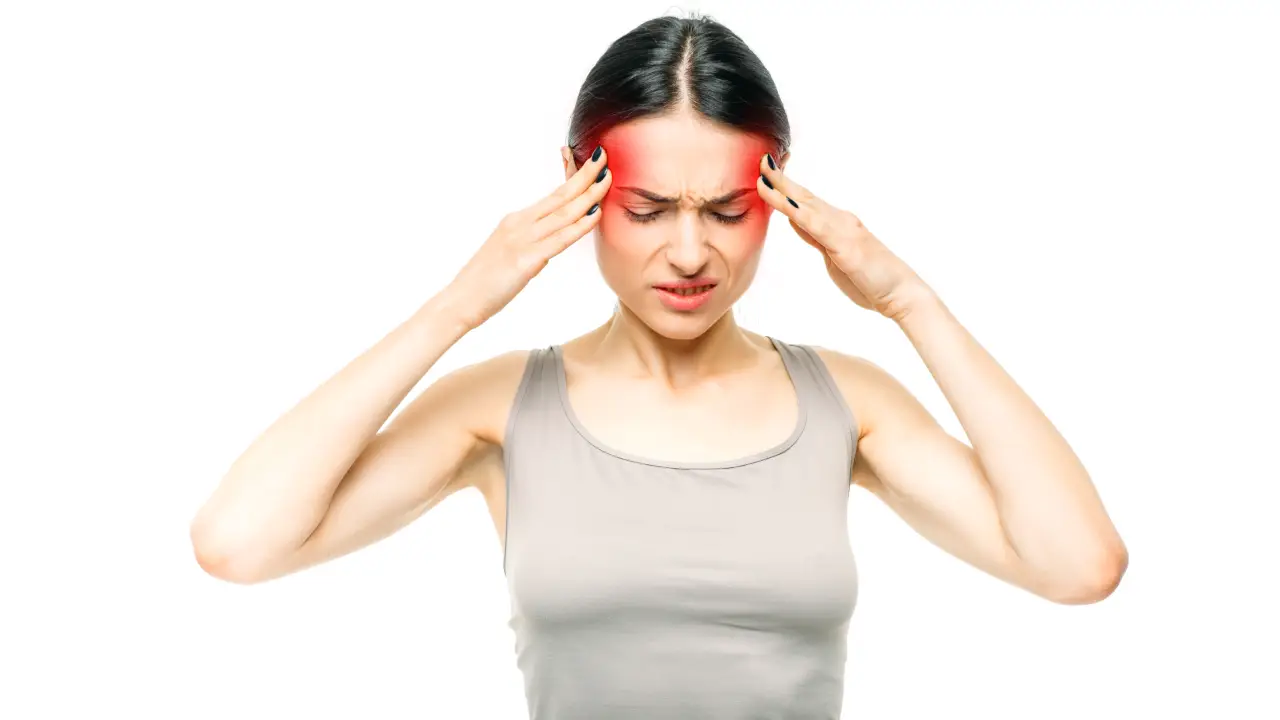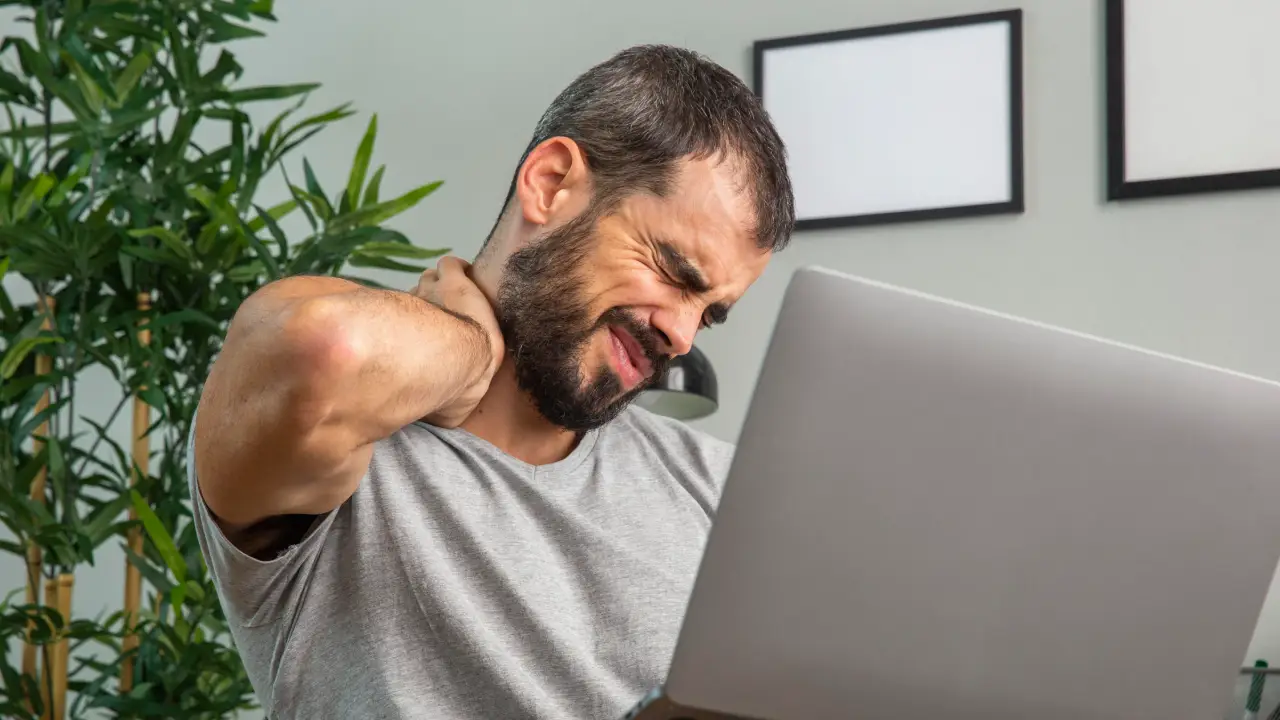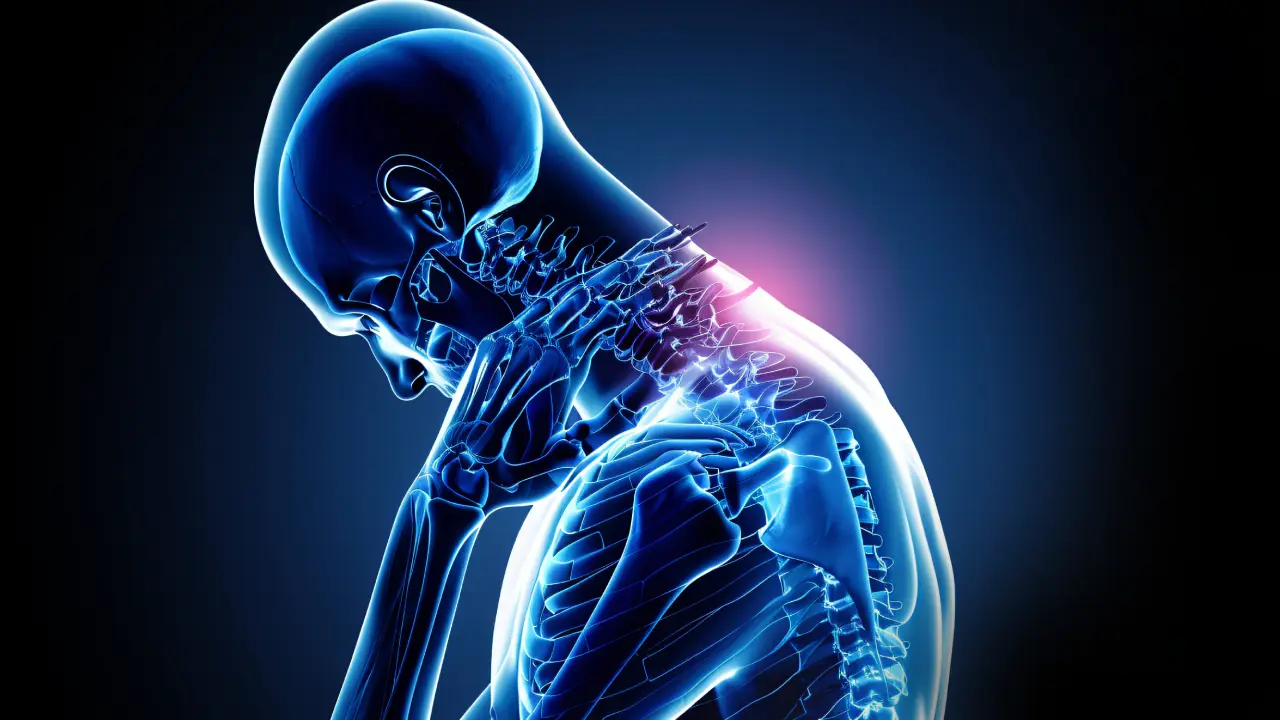

A stroke occurs when the blood supply to the brain is interrupted or reduced, resulting in damage to the affected area of the brain. The affected part of the brain can cause wide-ranging consequences. Post-stroke patients may experience weakness, loss of coordination, balance issues, and difficulties with speech or cognitive function. These difficulties can affect not only physical movement but also emotional wellbeing and day-to-day activities.
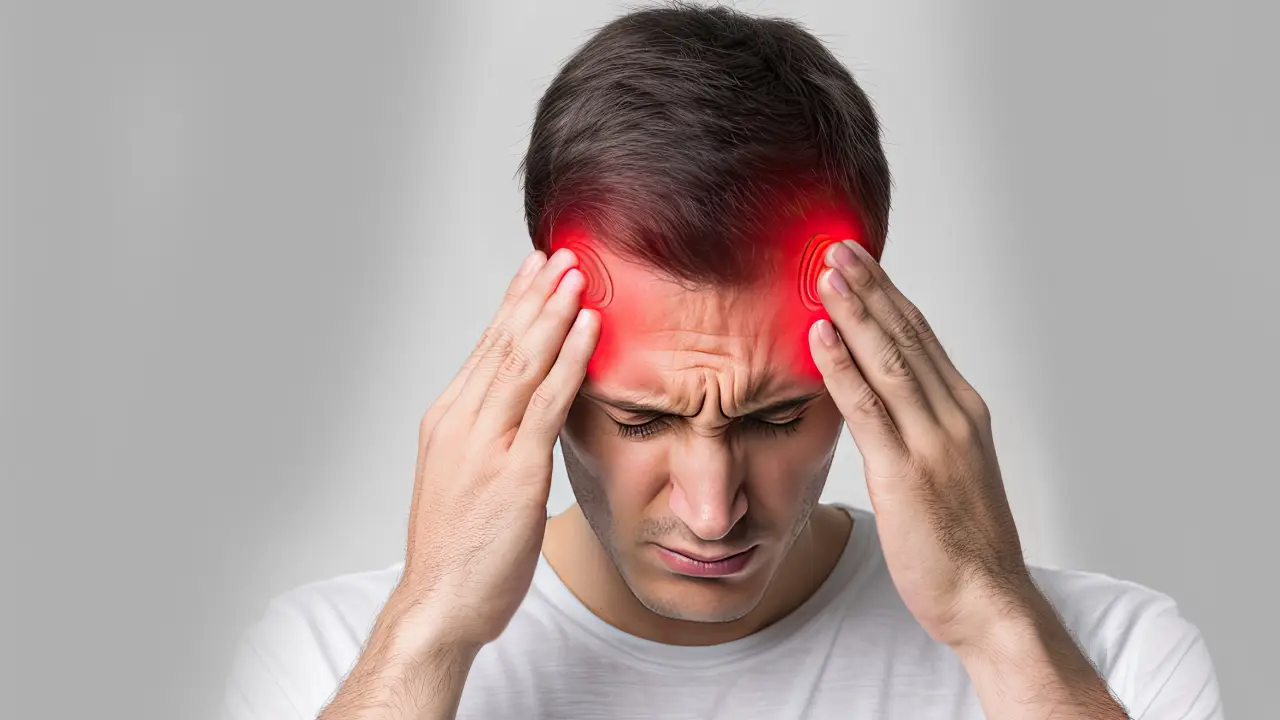
While each person’s experience is unique, several symptoms tend to be common among post-stroke patients. These include:
These symptoms may appear immediately after a stroke and can persist for weeks, months, or longer without targeted intervention.
The period following a stroke is critical. Early rehabilitation maximizes recovery and helps patients regain independence in daily life. Without structured support, Mobility and function may decline, increasing the risk of secondary complications such as falls, joint stiffness, or emotional distress. A comprehensive approach to recovery addresses both physical and cognitive aspects of recovery.
Rehabilitation is not one-size-fits-all. Clinicians often use a combination of therapies and strategies to address the wide range of challenges that may arise after a stroke. Some of the most common approaches include:
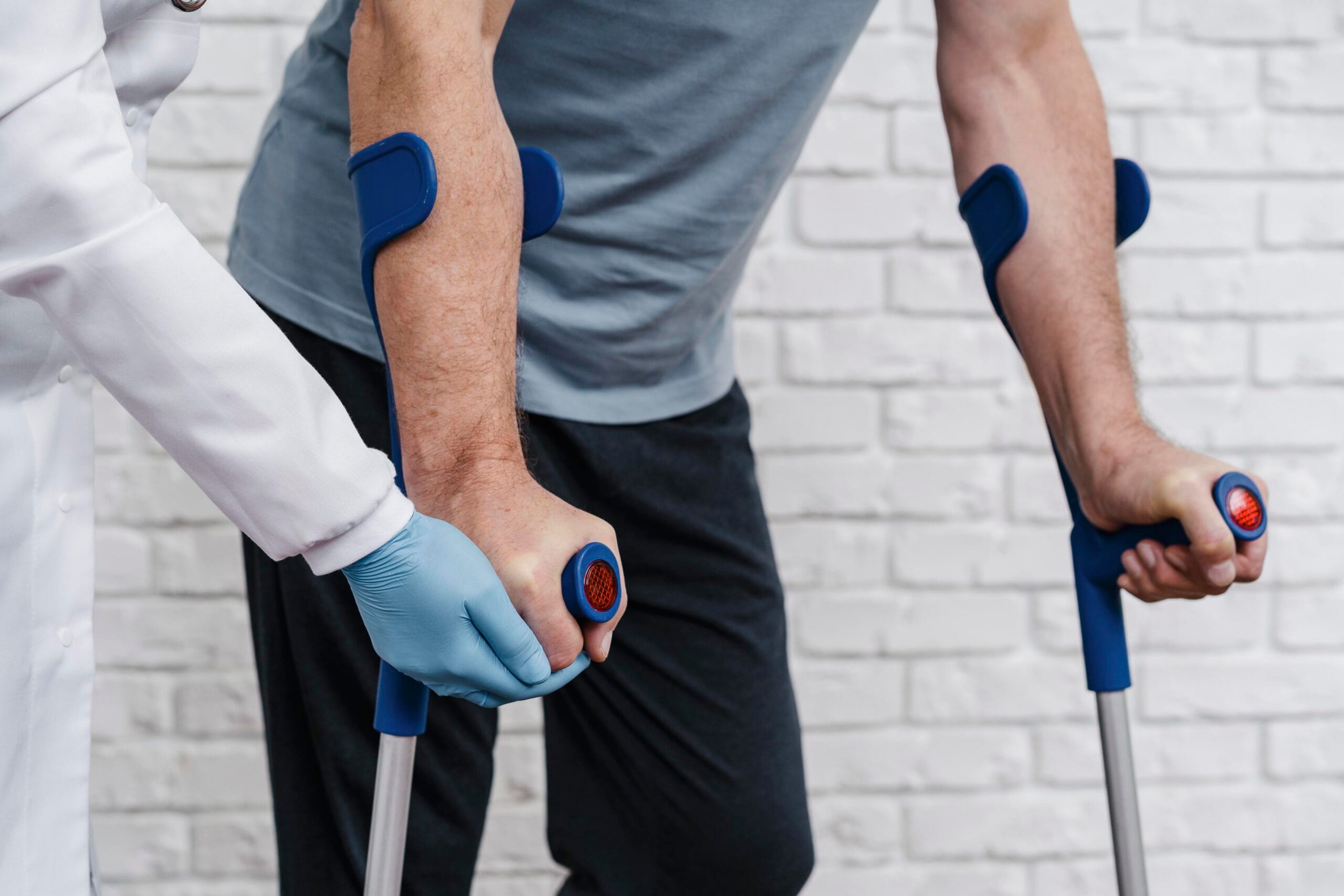
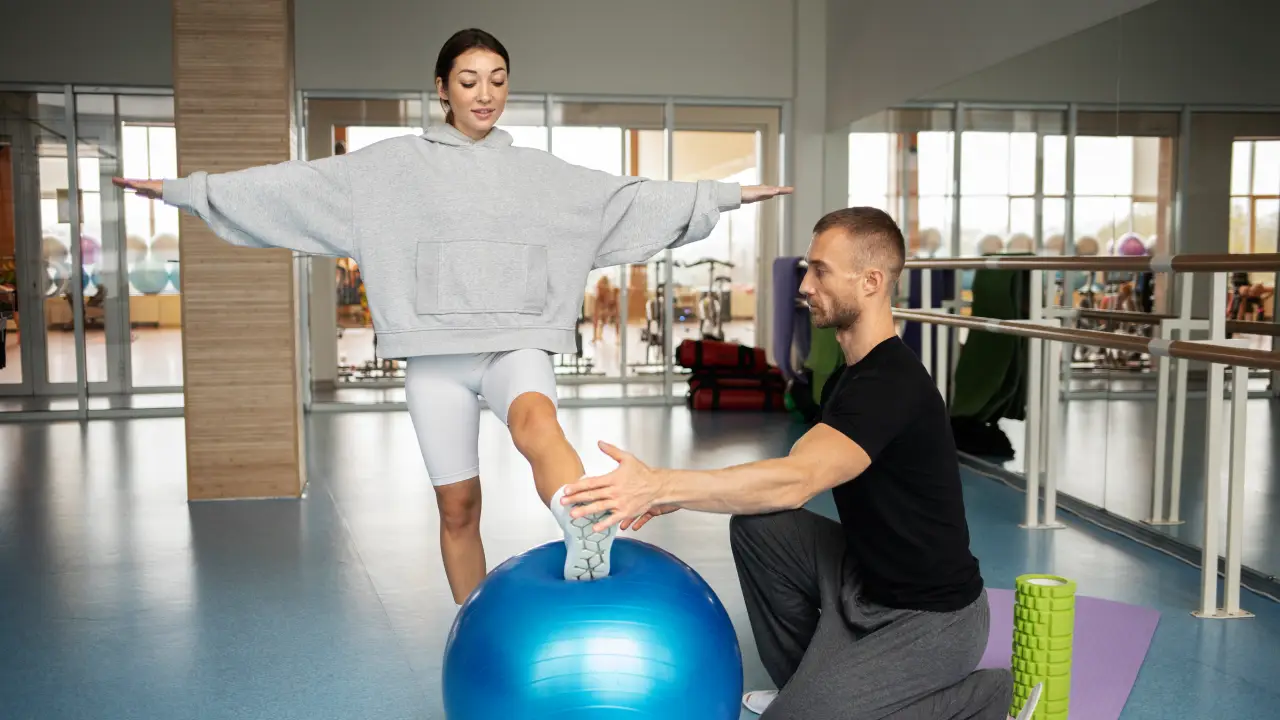
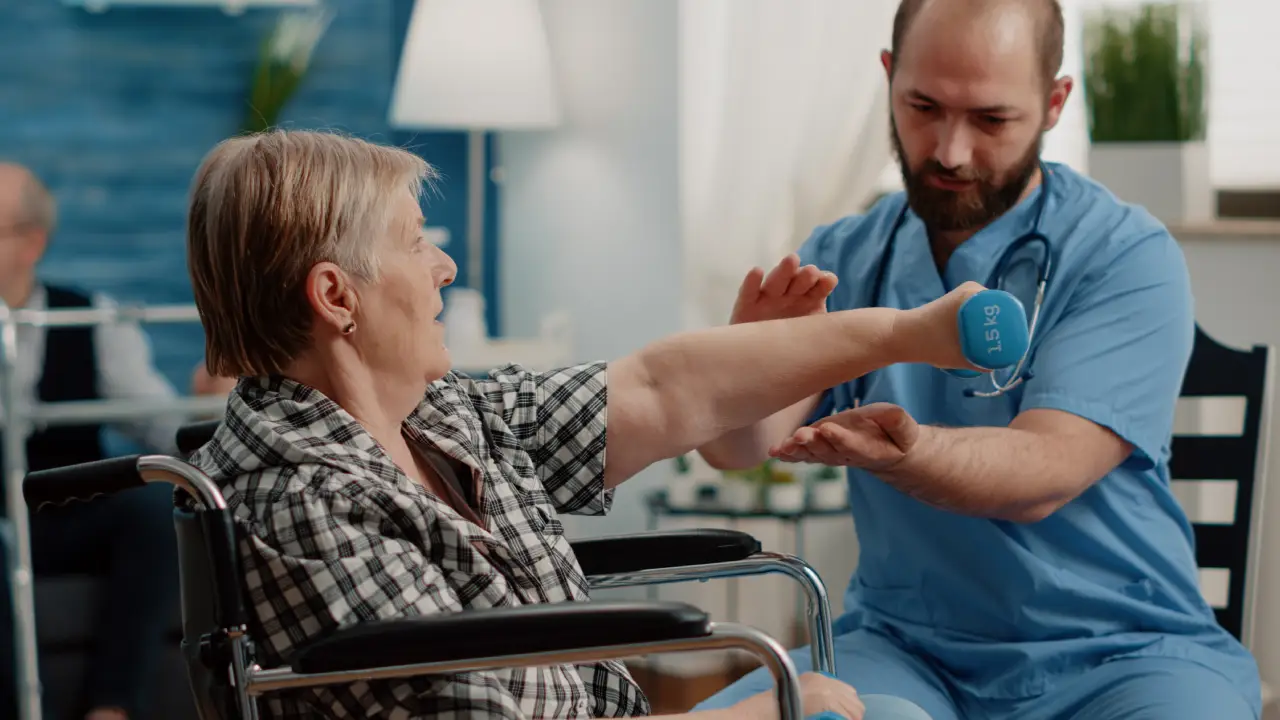
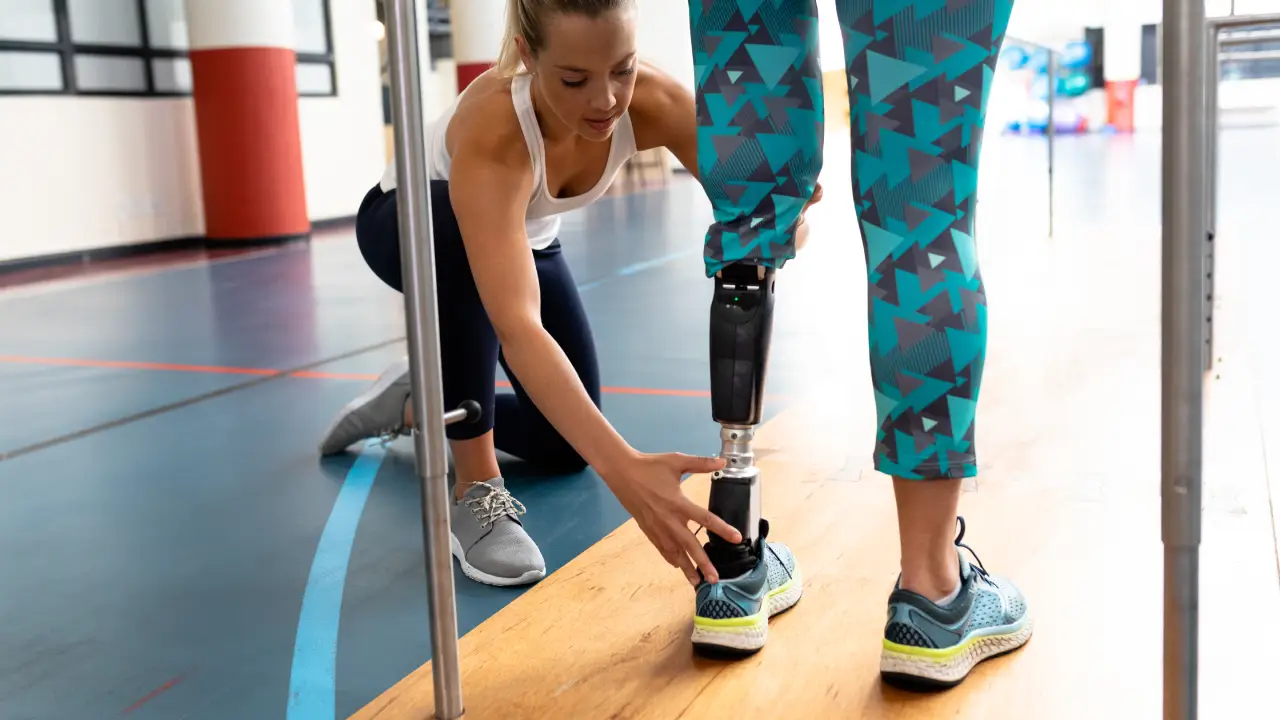
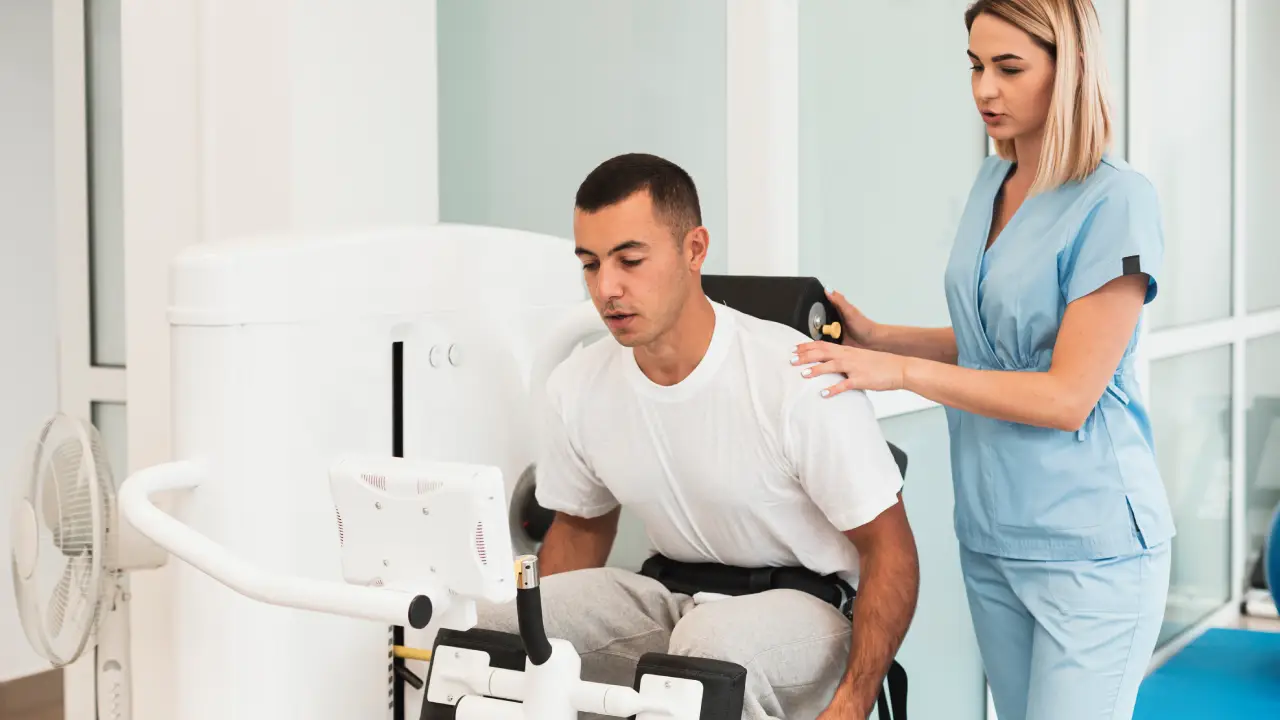
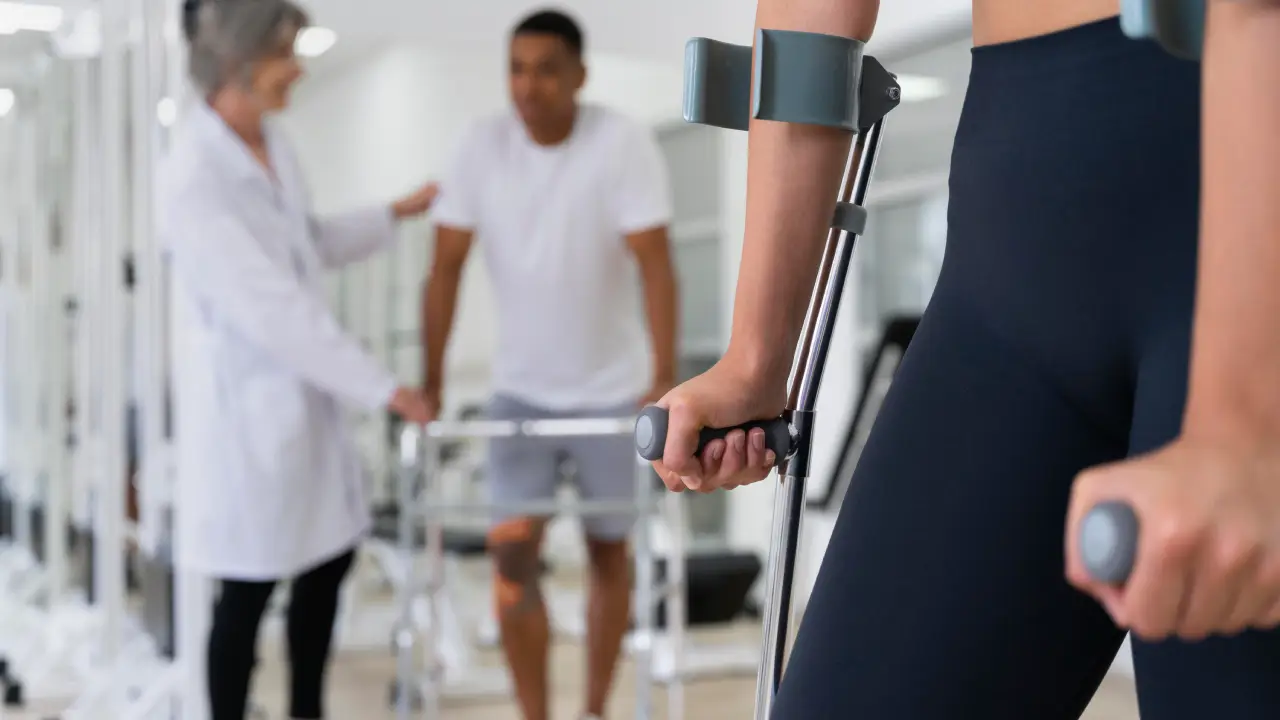
Targeted movement training helps strengthen muscles, restore coordination, and improve balance. Exercises may focus on relearning basic movements such as standing, walking, or climbing stairs. Gradual progress in Mobility can make everyday tasks easier and safer.
Rebuilding the ability to perform daily activities is a key part of recovery. Occupational therapy emphasizes practical skills, from dressing and eating to cooking and using household tools. The goal is to help patients adapt and manage tasks in ways that promote independence.
Many individuals experience difficulties with communication after a stroke. Therapy may focus on improving speech clarity, relearning words, or finding alternative ways to express needs. This support can also include strategies for swallowing difficulties, which are common after neurological damage.
Challenges such as memory loss, reduced attention span, or difficulties with problem-solving can interfere with daily life. Structured cognitive exercises help rebuild these skills and create strategies for adapting to limitations.
A stroke can lead to significant emotional changes, including frustration, anxiety, or depression. Psychological counselling, support groups, and stress-management techniques provide essential assistance in coping with the challenges of recovery.
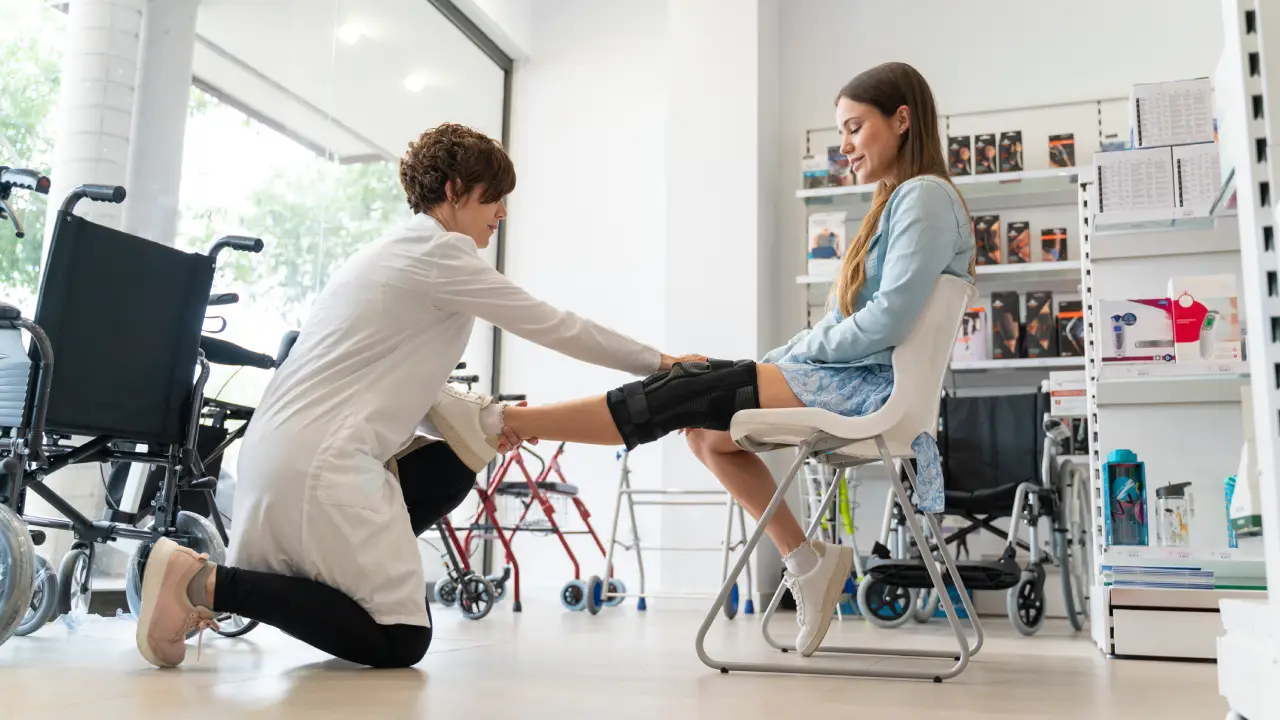
For some patients, adaptive equipment plays an important role. Mobility aids, modified utensils, or communication tools can bridge gaps during recovery, making it easier to stay active and engaged.
Recovery after a stroke is rarely linear. Progress may happen quickly in the early weeks and then slow down, but consistent effort remains essential. Therapists typically design therapy sessions around personal goals, such as walking without support, improving hand function, or managing fatigue more effectively. Regular reassessment ensures that the program continues to meet the evolving needs of the patient.
Beginning rehabilitation as soon as medically possible can make a significant difference. The brain has the capacity to reorganize and form new connections, a process known as neuroplasticity. Early, targeted activity takes advantage of this window of opportunity, increasing the likelihood of regaining skills and preventing long-term decline.
Stroke recovery does not end after the initial months of therapy. Many patients require ongoing support to maintain progress and prevent setbacks. This may include periodic therapy sessions, home exercise programs, and lifestyle modifications such as improved nutrition, safe activity planning, and stress reduction. Long-term management also helps reduce the risk of another stroke.
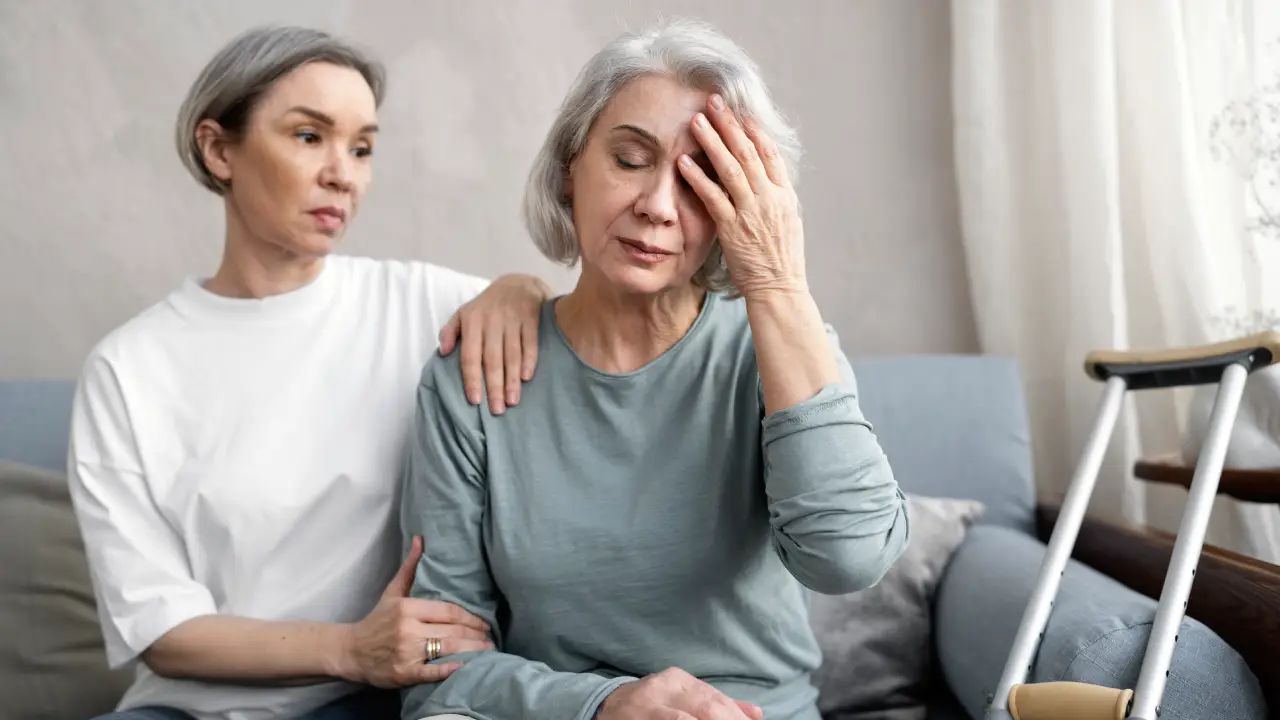
Recovery extends beyond the individual. Caregivers and family members often play a vital role in supporting rehabilitation. Education and training for caregivers ensure that they can provide safe and practical assistance at home while also protecting their own wellbeing. A collaborative approach involving the patient, caregivers, and the rehabilitation team offers the best chance for meaningful recovery.
Adjusting to life after a stroke often requires adjustments to one’s routine. This may include adopting new methods for completing daily tasks, incorporating regular exercise, and managing stress through relaxation techniques. Monitoring blood pressure and making dietary adjustments also play a crucial role in reducing future risks.
At Assure Physio & Rehab, we offer personalized programs that take into account both the physical and cognitive effects of a stroke. By combining physical therapy, occupational therapy support, speech therapy strategies, and ongoing monitoring, our clinic helps patients build toward improved Mobility and greater Confidence in their daily activities. We tailor each plan to address specific challenges, ensuring that care aligns with individual goals and objectives.
Suppose you or a loved one is recovering from a stroke and looking for guided rehabilitation. In that case, our clinic is here to help. Contact Assure Physio & Rehab today to discuss a personalized program and begin the journey toward recovery.
Copyright © Assure Physio & Rehab. All Rights Reserved | Privacy Policy | Terms Of Use
Designed & Developed By Convirzon
 Optimized by Seraphinite Accelerator