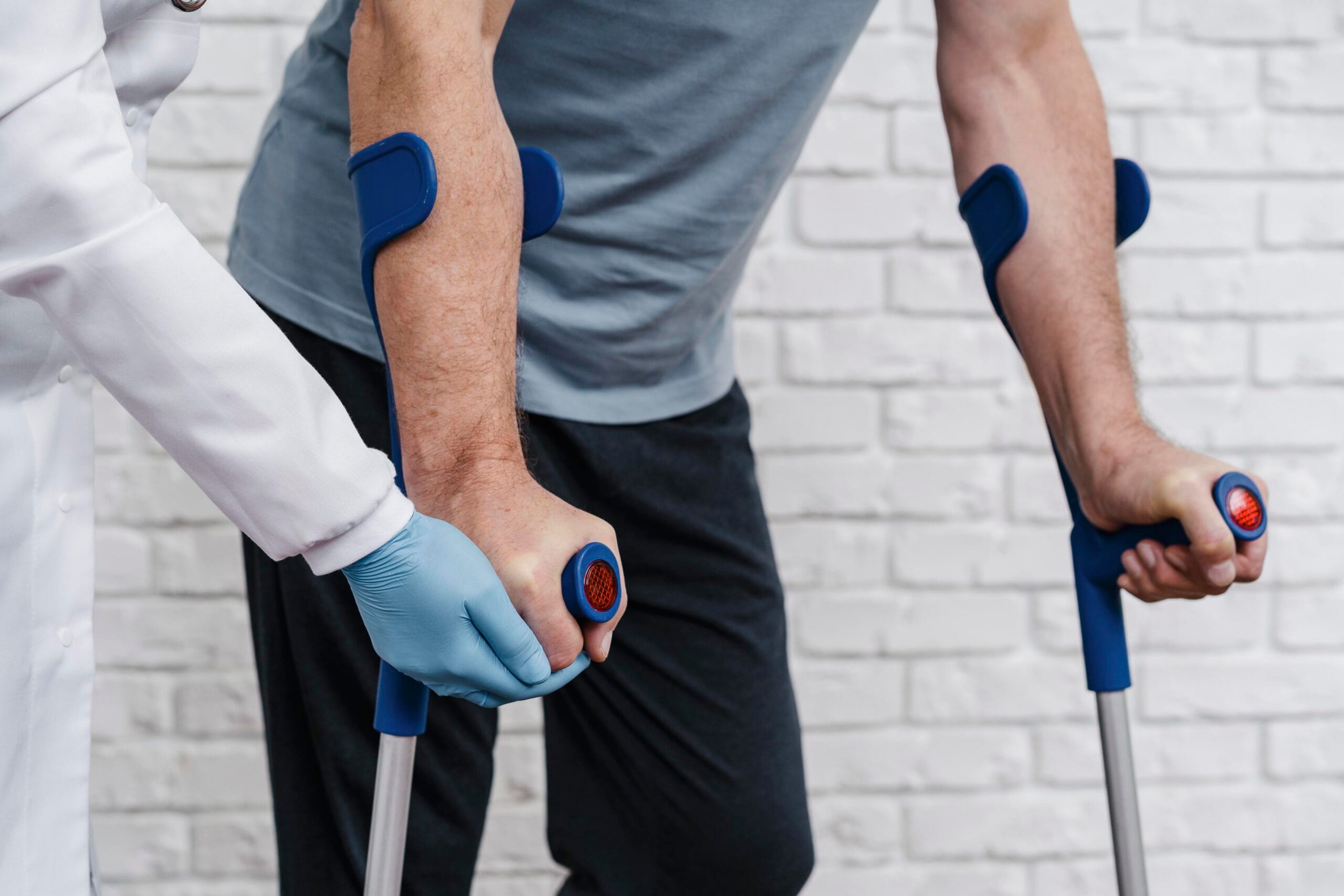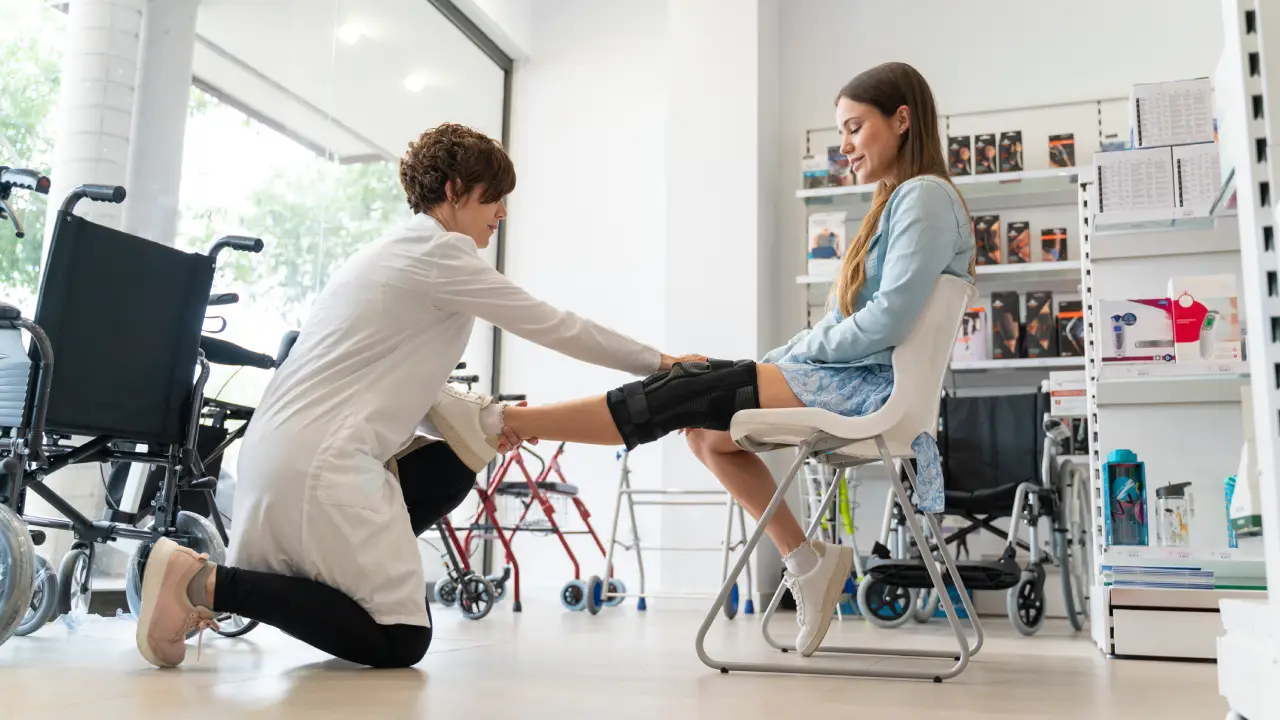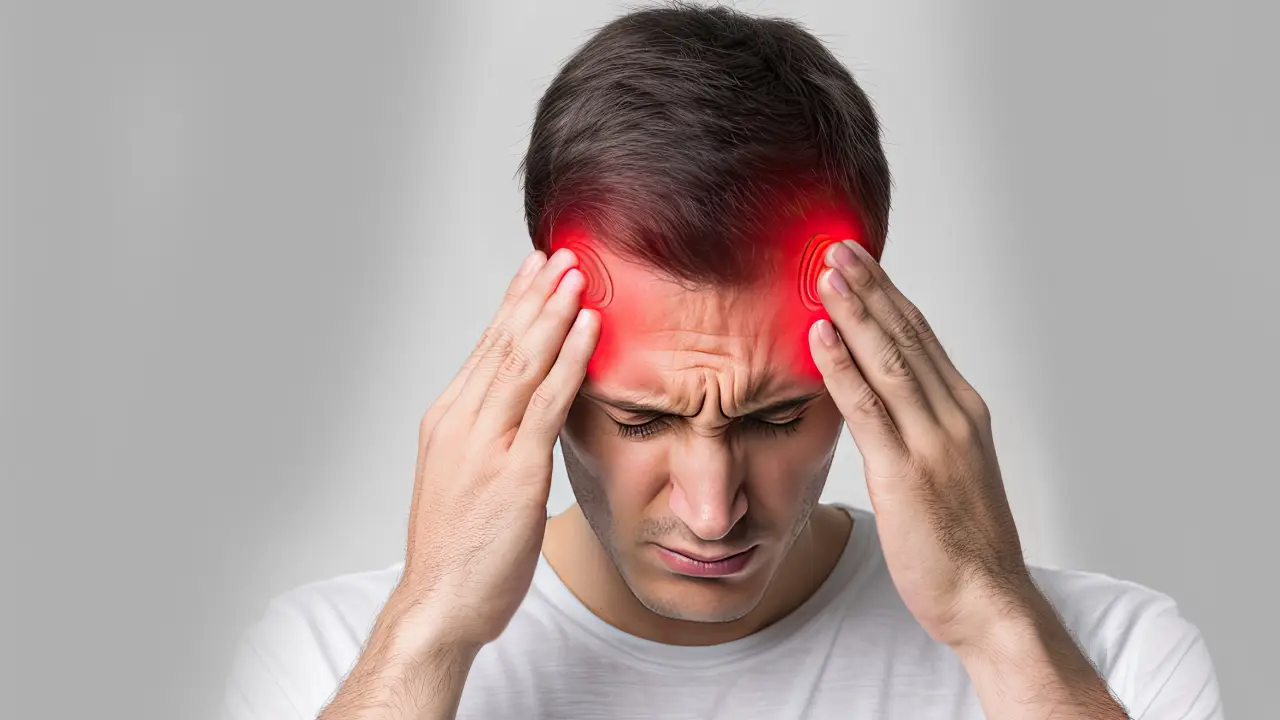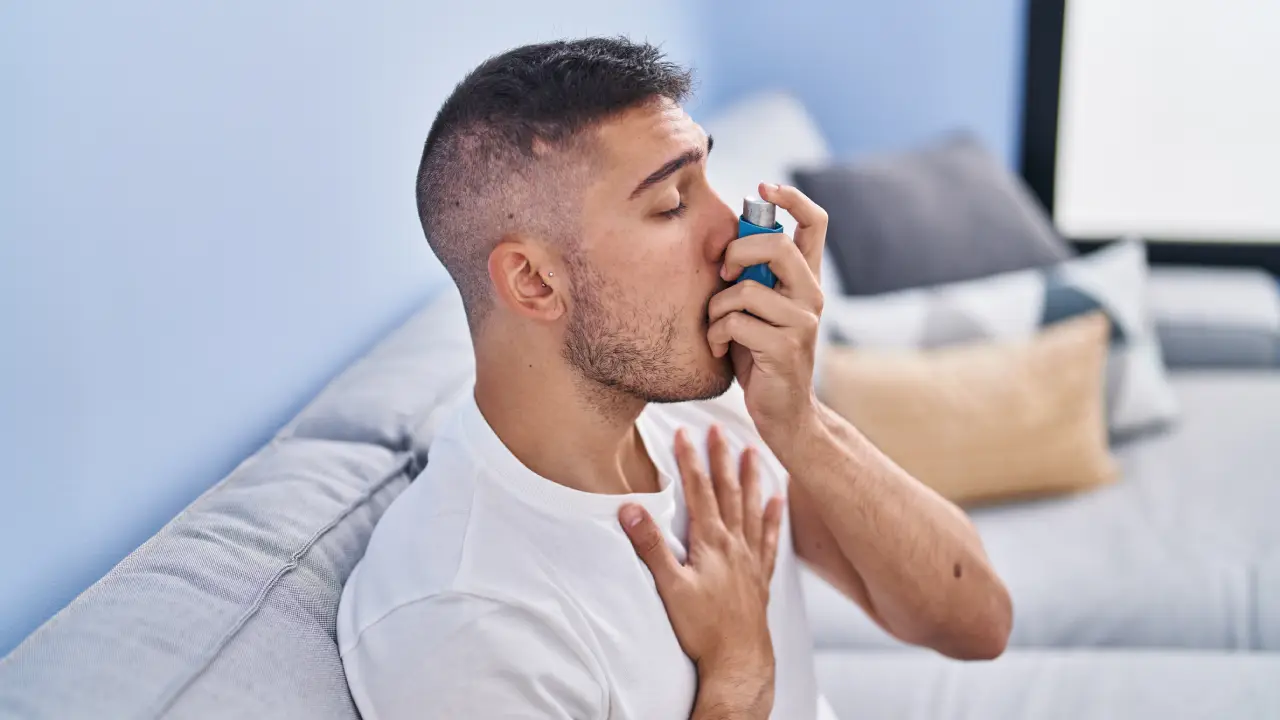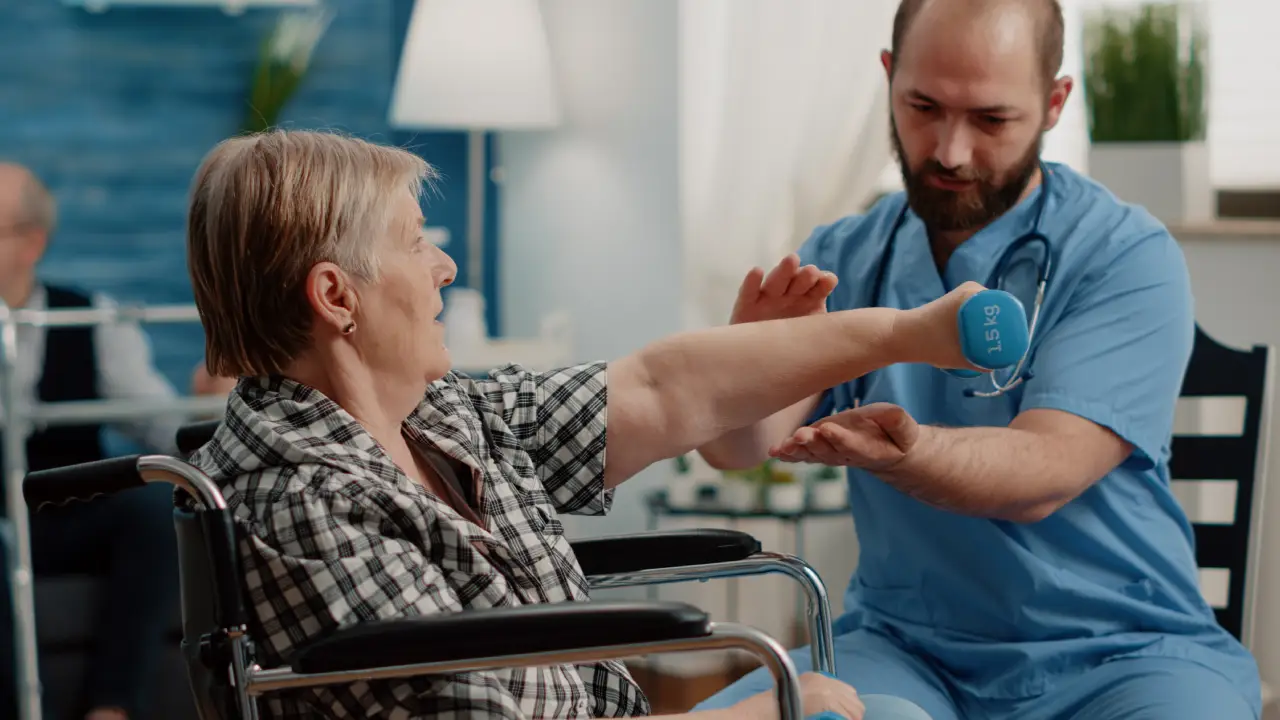

Adapting to life after limb loss can be a challenging journey. Individuals face not only the physical changes associated with limb loss but also the practical adjustments required to perform daily tasks, move safely, and maintain their overall health. Rehabilitation plays a crucial role in helping patients regain Mobility, improve strength, and learn to use assistive devices effectively.
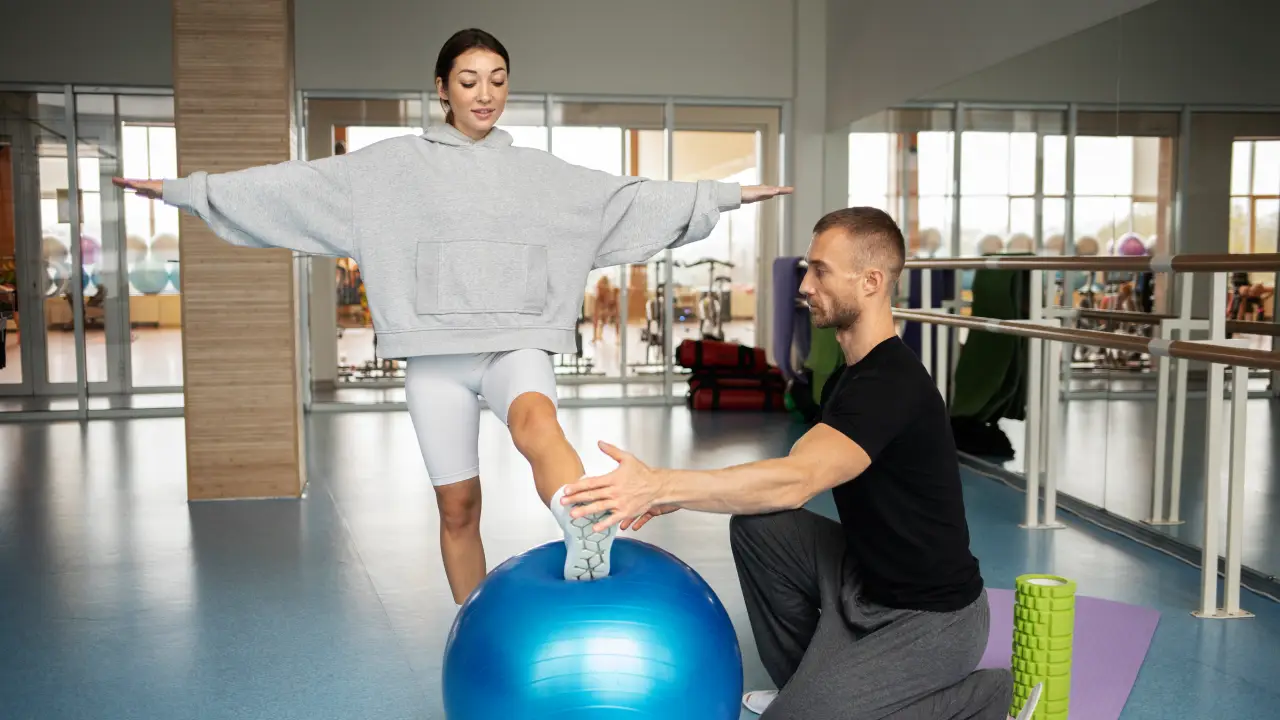
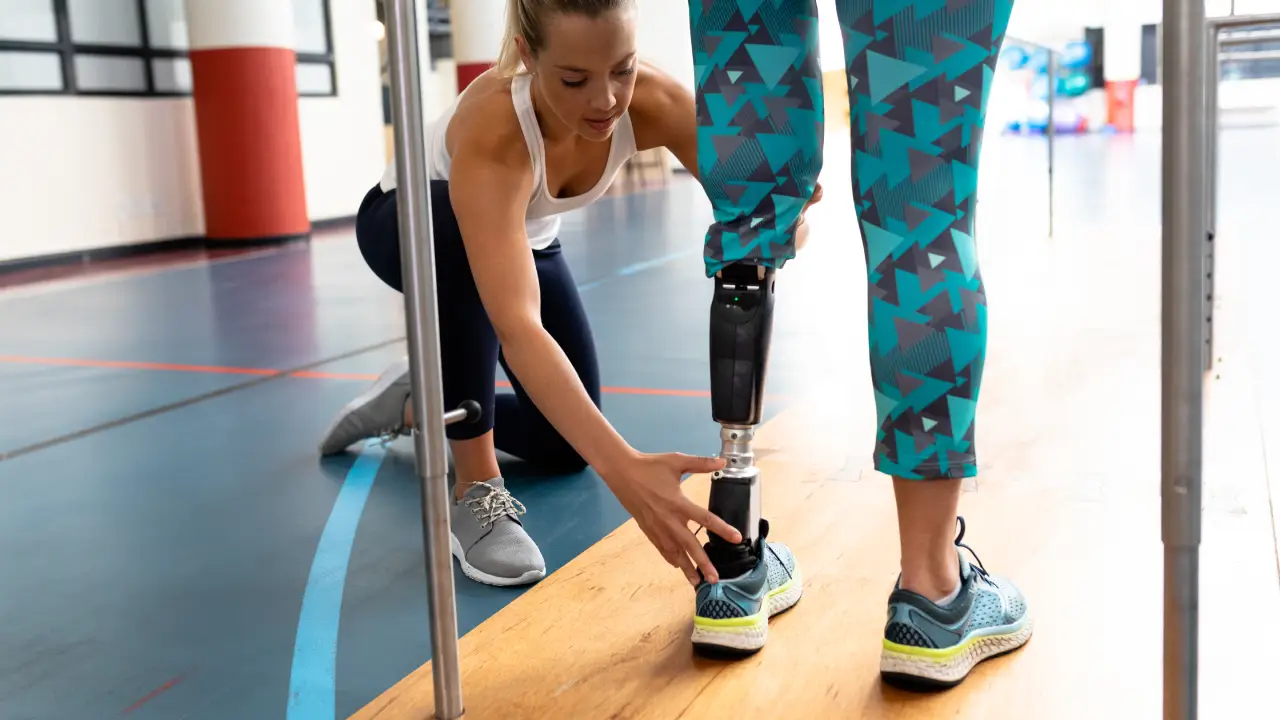
The process of adapting after an amputation involves several stages. Patients often begin by managing residual limb pain and healing from Surgery. Following this, focus shifts to restoring strength, balance, and coordination, which are essential for walking and performing daily activities. Training may include exercises to improve muscle function, Posture, and cardiovascular endurance. For many, learning to use a prosthetic limb is a crucial component, as it enables greater Mobility and functionality.
Amputee rehabilitation also addresses the psychological and emotional aspects of limb loss. Adjusting to a new way of moving and performing tasks can be overwhelming. Support and guidance help patients build Confidence in their abilities and encourage engagement in social and recreational activities. Through targeted interventions, patients gradually achieve improved independence and participation in everyday life.
Amputees may experience a variety of physical limitations following limb loss, including:
Addressing these challenges early in rehabilitation is critical for maximizing outcomes. A structured program allows patients to regain strength, maintain joint flexibility, and relearn essential movement patterns.
Rehabilitation programs for amputees support patients in several areas:
Engaging in a comprehensive rehabilitation program offers several benefits for amputees:
Every patient’s journey is unique. Factors such as the level of amputation, overall health, and personal goals influence the design of a rehabilitation program. The initial assessment identifies areas of strength and limitation, which guide the creation of a personalized plan. We track progress through regular evaluations to ensure we meet goals, and we make modifications as needed.
Rehabilitation is a collaborative process involving a multidisciplinary team. Physicians, therapists, prosthetists, and support staff collaborate to ensure that patients receive the most effective care. Patients are encouraged to take an active role in their recovery by participating in exercises and learning strategies that enhance their daily lives and overall wellbeing.
Successful amputee rehabilitation extends beyond structured therapy sessions. Patients are often provided with exercises and activities to continue at home, reinforcing progress and promoting independence. Education on joint protection, proper prosthetic use, and fall prevention is an ongoing part of the program.
Peer support and community resources also play a role in long-term adjustment. Connecting with others who have undergone similar experiences can provide encouragement and practical advice for daily living. These resources complement clinical care and contribute to overall wellbeing.
Individuals may benefit from amputee rehabilitation if they experience:
Early intervention can improve outcomes and accelerate recovery. Rehabilitation focuses on building strength, functional abilities, and Confidence in movement.
Rehabilitation supports patients in achieving meaningful goals and adapting to a new lifestyle. By addressing physical limitations and functional challenges, patients gain the ability to move safely, participate in daily activities, and maintain overall health. Comprehensive care empowers individuals to engage with their surroundings and pursue personal aspirations.
At our clinic, our goal is to provide structured, practical, and supportive rehabilitation programs tailored to each patient’s specific needs. A combination of targeted exercises, prosthetic training, Mobility strategies, and ongoing support ensures that patients can regain functionality and navigate life successfully after limb loss.
If you or a loved one is adjusting to limb loss and wants guidance on building strength, Mobility, and Confidence, contact Assure Physio & Rehab today to start a rehabilitation program tailored to your needs.
Copyright © Assure Physio & Rehab. All Rights Reserved | Privacy Policy | Terms Of Use
Designed & Developed By Convirzon
 Optimized by Seraphinite Accelerator