Restoring Shoulder Function and Comfort
The shoulder is one of the most complex and mobile joints in the body. Its ability to rotate, lift, and carry objects relies on a combination of bones, muscles, tendons, and ligaments working together. While this design allows for impressive movement, it also makes the shoulder vulnerable to injury. At our clinic, we address a wide range of shoulder conditions, helping patients regain movement, reduce discomfort, and restore daily function.
Common Shoulder Injuries
Several types of injuries can affect the shoulder, each with unique causes and effects:
- Rotator Cuff Tears: The rotator cuff is a group of four muscles and tendons that stabilize the shoulder. Tears can occur from sudden trauma, repetitive overhead activity, or degeneration over time. Patients often notice weakness, difficulty lifting the arm, or a clicking sensation.
- Sprains: Shoulder sprains involve stretched or torn ligaments. These injuries can result from falls, sports, or accidents. Mild sprains may cause soreness and stiffness, while more severe cases can limit the ability to move the arm.
- Frozen Shoulder (Adhesive Capsulitis): This condition occurs when the shoulder capsule becomes inflamed and stiff, resulting in reduced range of motion. It often develops gradually, sometimes after Surgery or prolonged immobilization.
- Impingement: Shoulder impingement happens when tendons of the rotator cuff become compressed during arm movement. It can lead to pain during overhead activities and persistent discomfort if left untreated.
- Tendonitis: Tendon inflammation, often from repetitive motion, leads to pain, swelling, and reduced Mobility. Commonly affected tendons include those in the rotator cuff and biceps.
- Bursitis: The bursae are small fluid-filled sacs that cushion the shoulder. Inflammation of these sacs causes tenderness, swelling, and discomfort when moving the shoulder.
Symptoms to Watch For
Shoulder injuries can present with a variety of symptoms, including:
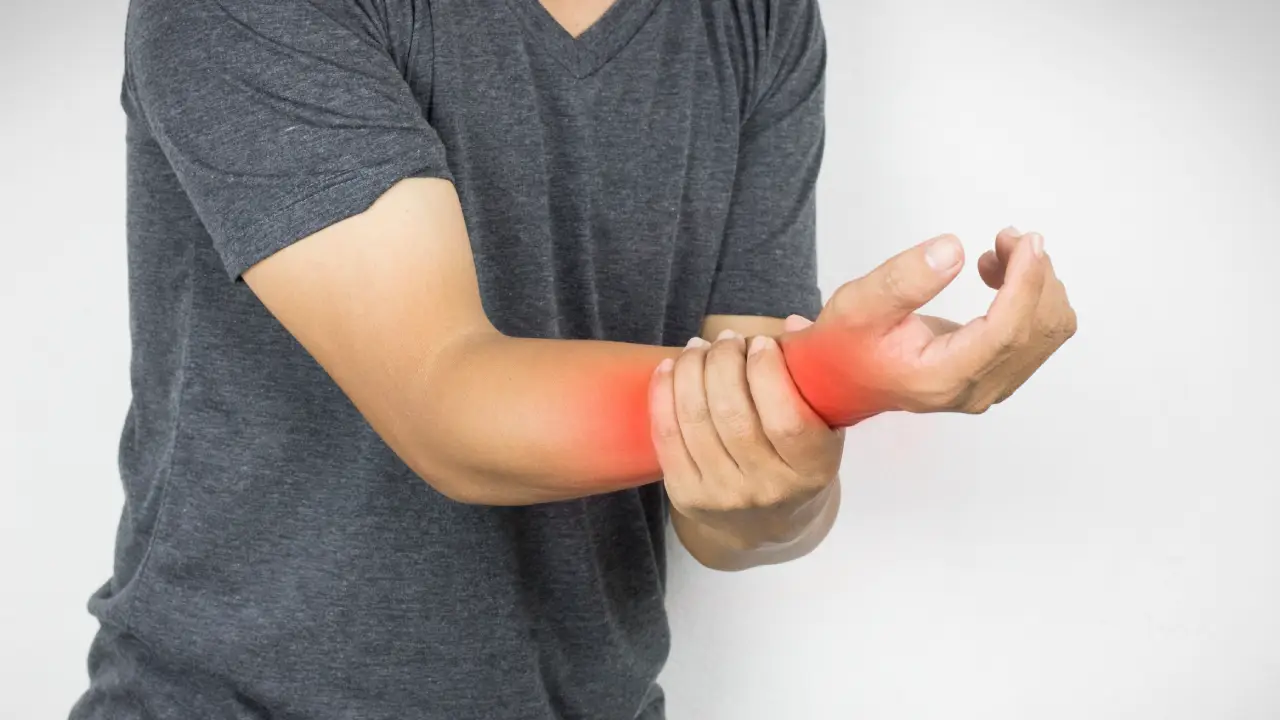
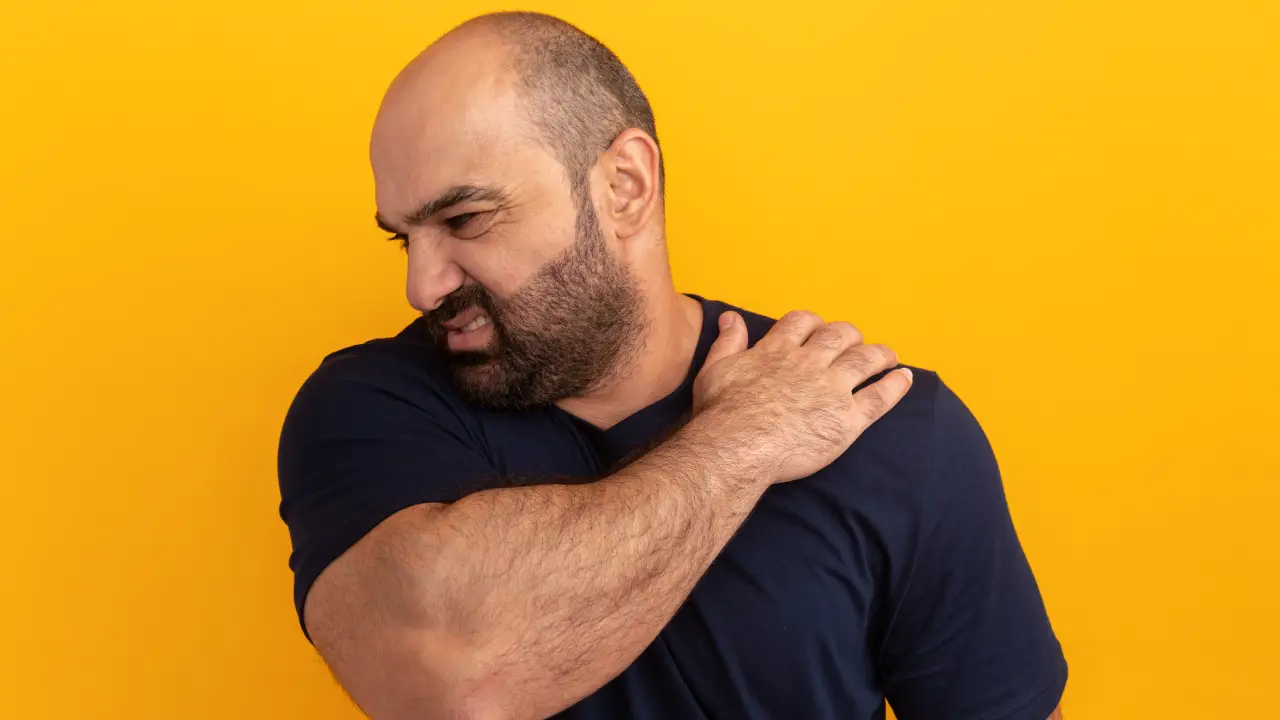
- Pain, ranging from a dull ache to sharp or shooting discomfort
- Weakness, making it difficult to lift or carry objects
- Stiffness, limiting movement in daily activities
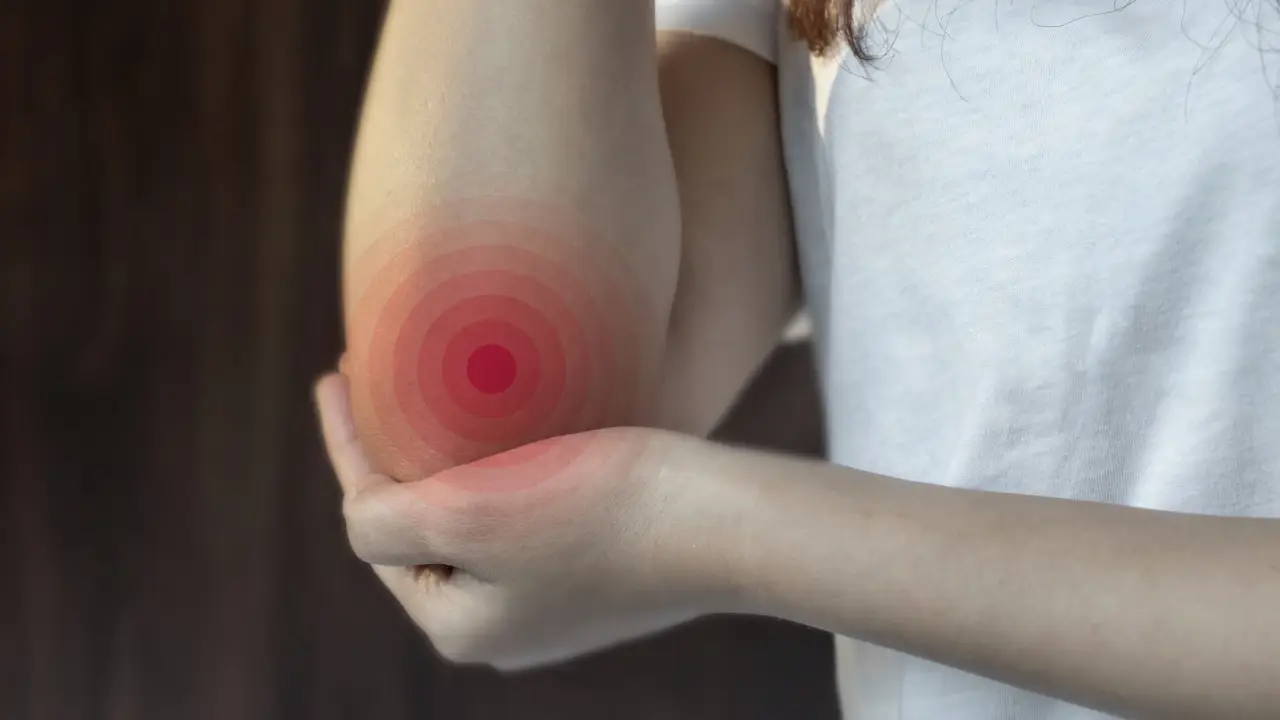
- Swelling or tenderness around the joint
- Reduced range of motion, making overhead or behind-the-back movements challenging
Identifying these symptoms early is essential. Prompt evaluation and management can prevent further damage and support better recovery outcomes.
Causes and Risk Factors
Several factors increase the likelihood of shoulder injuries:
- Repetitive Movements: Activities involving frequent overhead motions, such as painting, swimming, or lifting, can strain the shoulder.
- Trauma: Falls, collisions, or direct impacts can injure ligaments, tendons, and muscles.
- Age and Degeneration: As people age, tendons and joints can weaken, making injuries like rotator cuff tears more common.
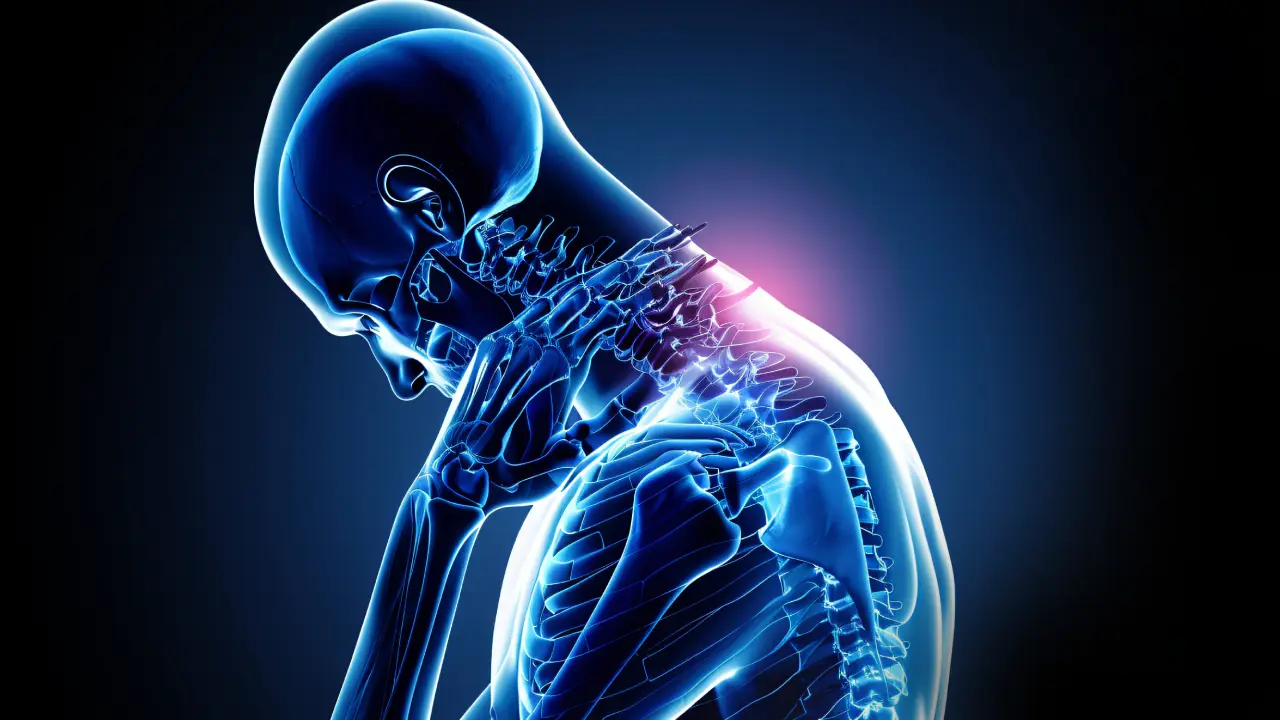
- Postural Issues: Poor Posture, particularly rounded shoulders or slouching, places additional stress on the shoulder complex.
- Previous Injuries: A history of shoulder injury can make the joint more vulnerable to recurring problems.
The Impact of Untreated Shoulder Injuries
Shoulder injuries that are ignored or inadequately treated can have serious consequences. Pain may become persistent, and stiffness can limit the use of the affected arm. Everyday tasks such as dressing, reaching for items on a shelf, or lifting groceries may become difficult. Long-term neglect may contribute to chronic inflammation, muscle weakness, and decreased Mobility, sometimes requiring surgical intervention.
Diagnosis and Assessment
Accurate diagnosis is the first step in managing shoulder conditions. Assessment typically includes:
- A detailed review of medical history and symptoms
- Physical examination to assess range of motion, strength, and stability
- Doctors may order imaging tests, such as X-rays or MRI, to identify tears, inflammation, or structural damage.
The treatment team can tailor the plan to the specific injury and the patient’s needs based on this evaluation.
Management and Treatment Options
Shoulder injury treatment can vary depending on the severity and type of injury. Approaches may include:
- Activity Modification: Adjusting daily routines or sports techniques to avoid movements that worsen symptoms
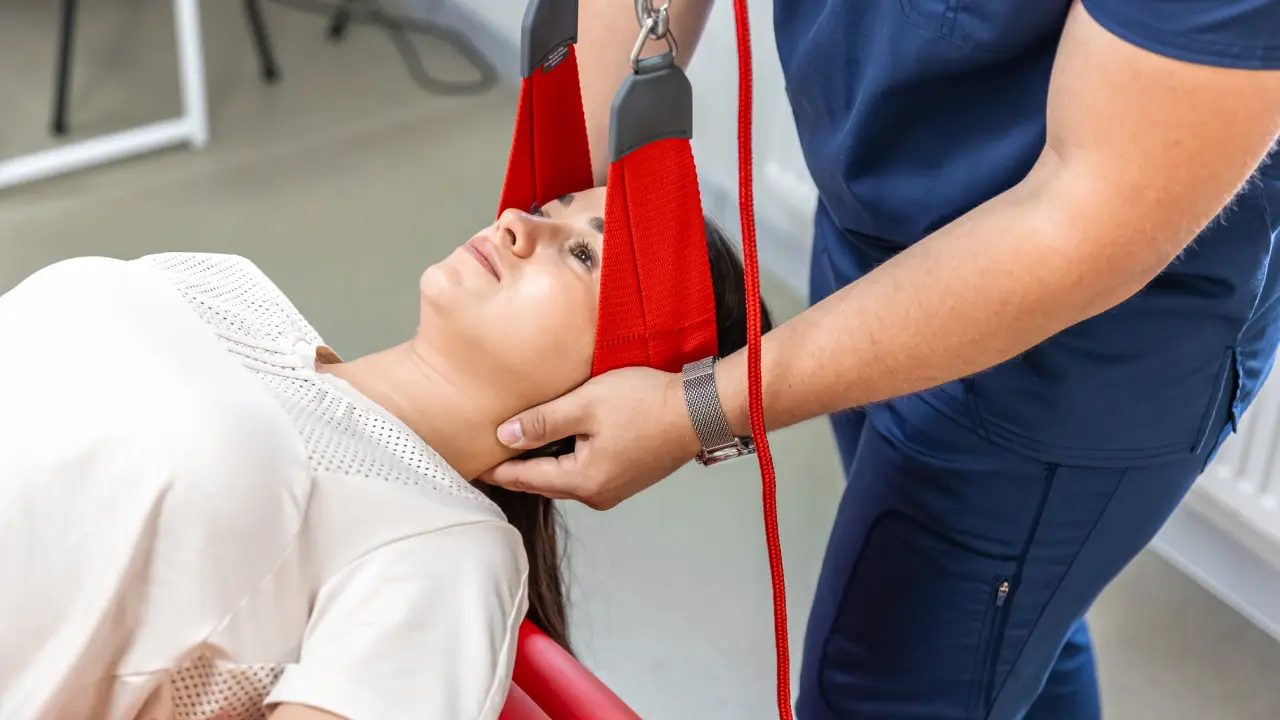
- Manual Therapy: Targeted joint and soft tissue techniques to improve Mobility and reduce discomfort
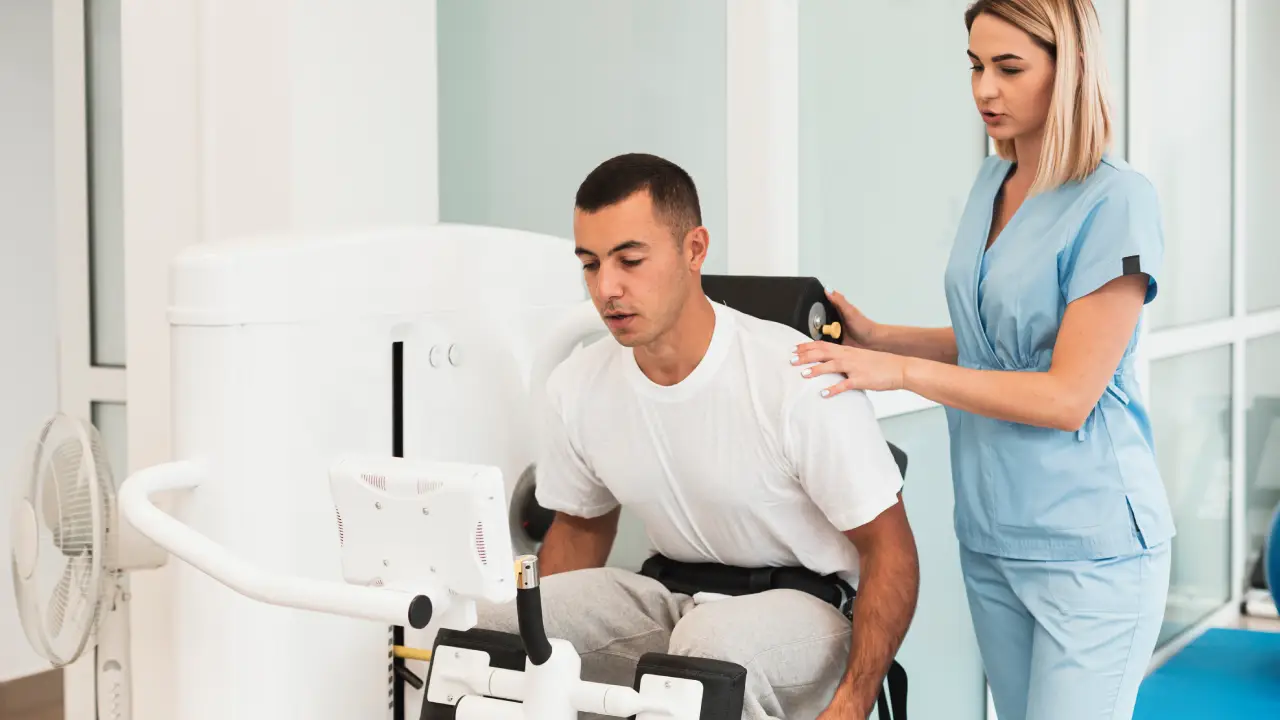
- Exercise Programs: Structured exercises to strengthen muscles, enhance flexibility, and restore function
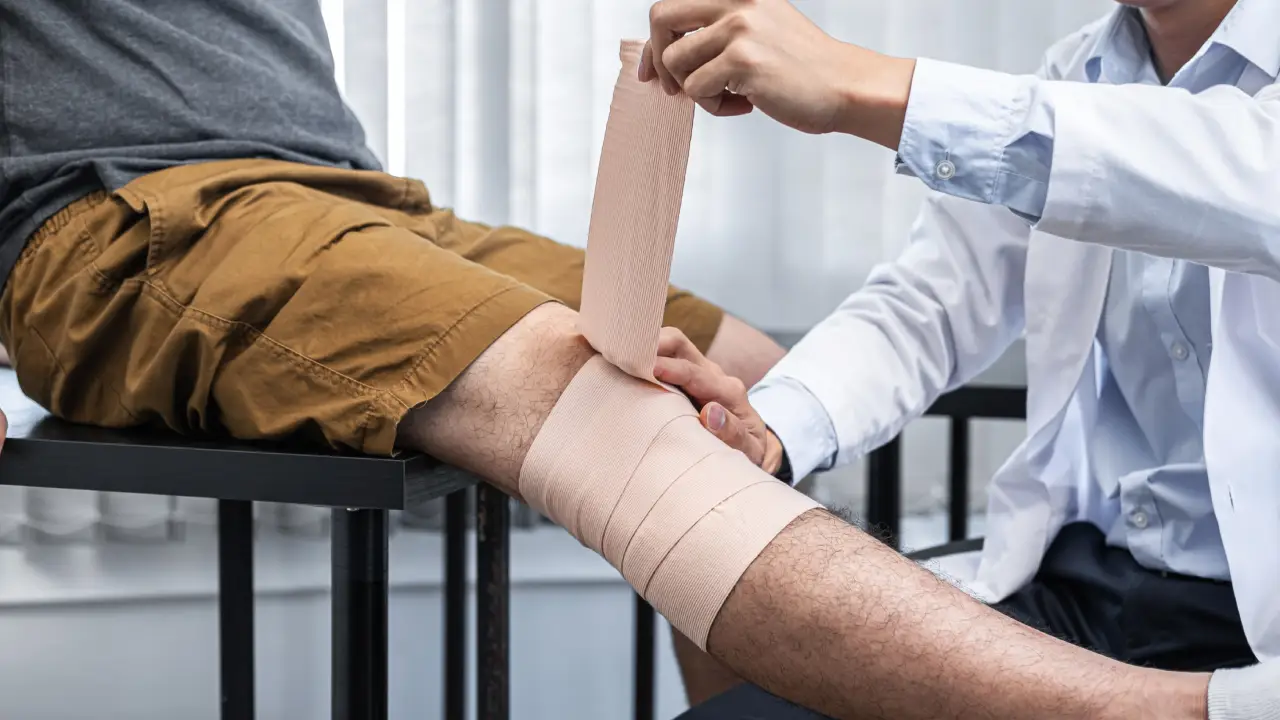
- Pain Relief Strategies: Non-surgical options to manage inflammation and discomfort, including heat, cold, or supportive devices
- Education: Guidance on Posture, ergonomics, and safe movement to prevent recurrence
Some cases may require referral to a specialist if conservative measures are insufficient or if structural damage needs surgical attention.
Rehabilitation and Recovery
Recovery timelines can vary depending on the type of injury, age, and overall health. Rehabilitation focuses on gradually restoring strength, flexibility, and function. A combination of guided exercises and movement retraining ensures that the shoulder can safely handle everyday activities. Close monitoring helps track progress and adjust the plan as needed.
Preventive Measures
While some shoulder injuries are unavoidable, several steps can reduce risk:
- Warm up before physical activity and stretch your shoulder muscles regularly
- Practice proper lifting techniques and avoid overloading the joint
- Incorporate strengthening exercises for the rotator cuff and surrounding muscles
- Maintain good Posture, especially during long periods of sitting or computer use
- Take breaks and avoid repetitive overhead movements when possible
Consistent attention to shoulder health can minimize the likelihood of injury and support long-term function.
When to Seek Help
If pain, weakness, stiffness, or swelling interfere with your daily life, it’s essential to seek evaluation. Early intervention increases the chances of a faster recovery and reduces the risk of chronic issues.
At Assure Physio & Rehab, our clinic offers comprehensive assessments and treatments for a wide range of shoulder injuries. We focus on helping patients regain comfort, movement, and strength.
Call us today to schedule a consultation and take the first step toward improved shoulder health.

 Optimized by Seraphinite Accelerator