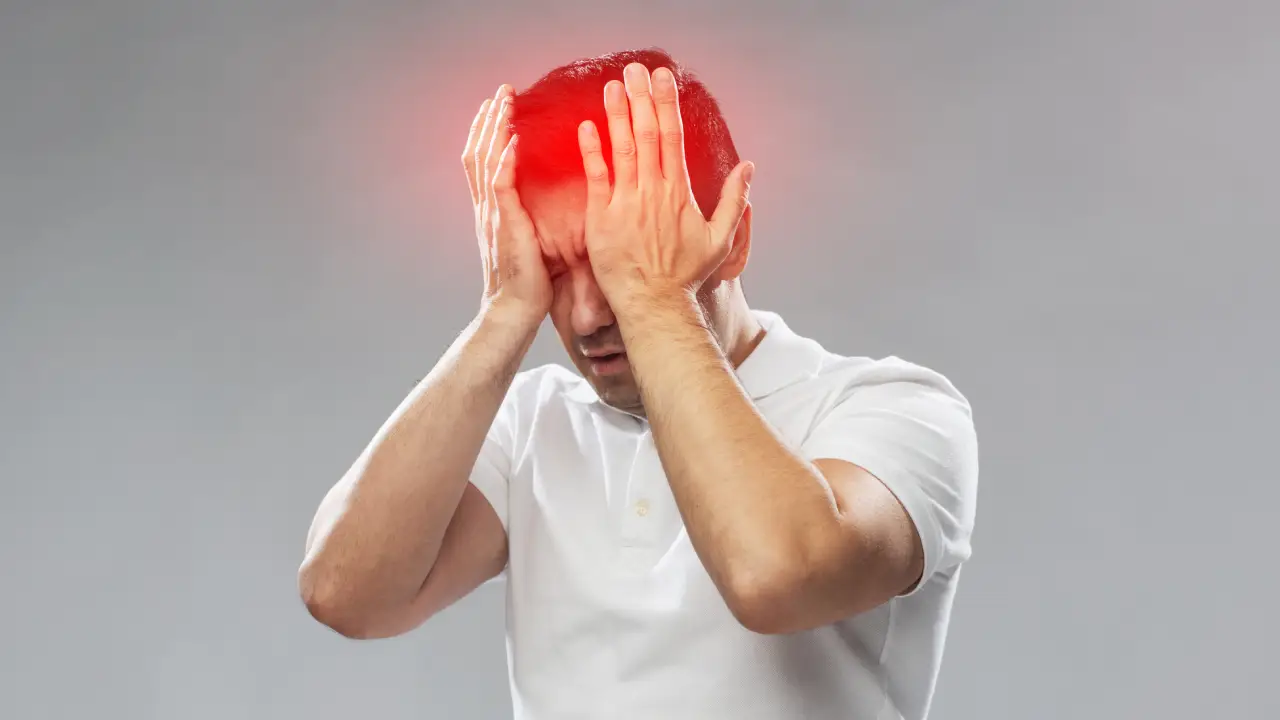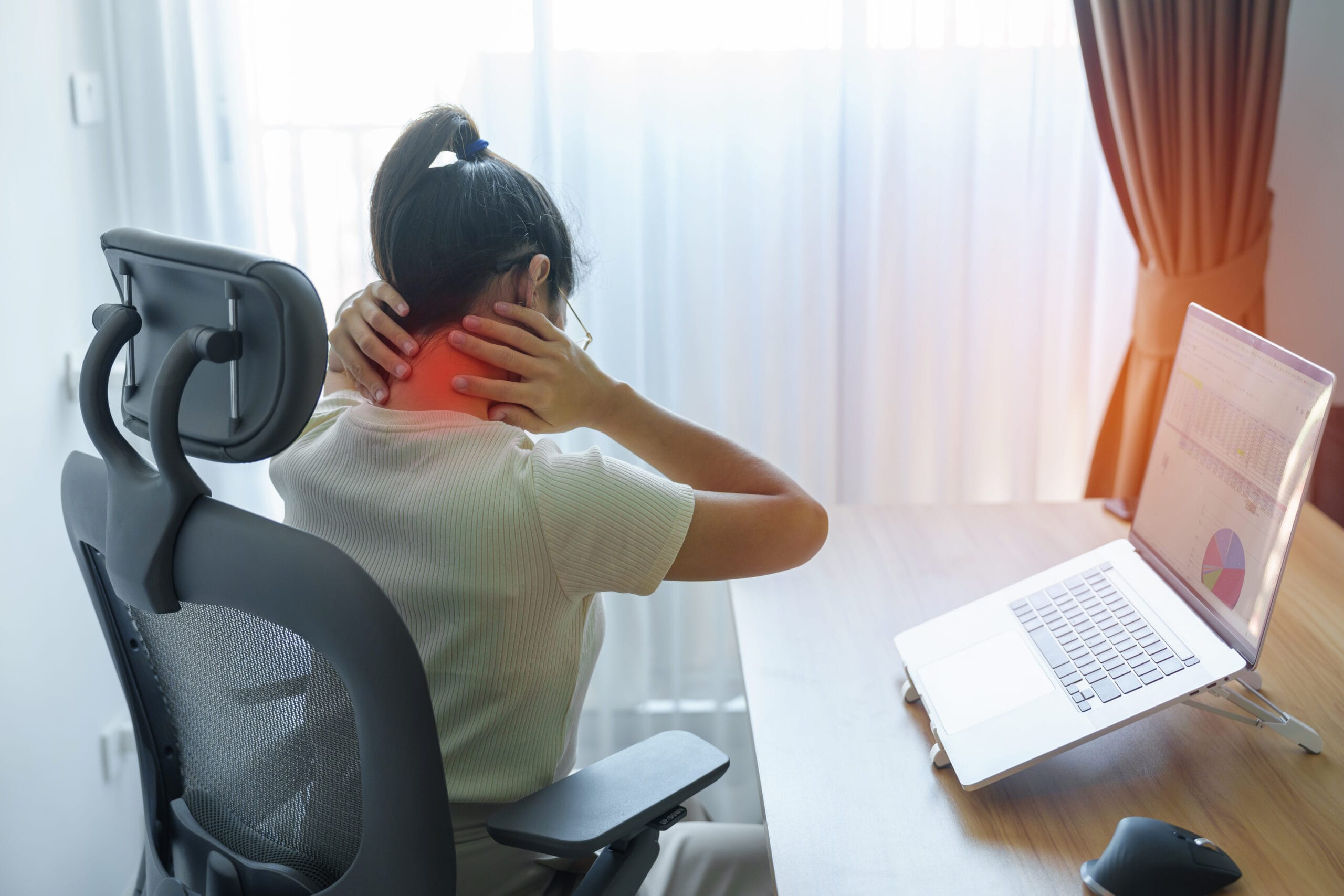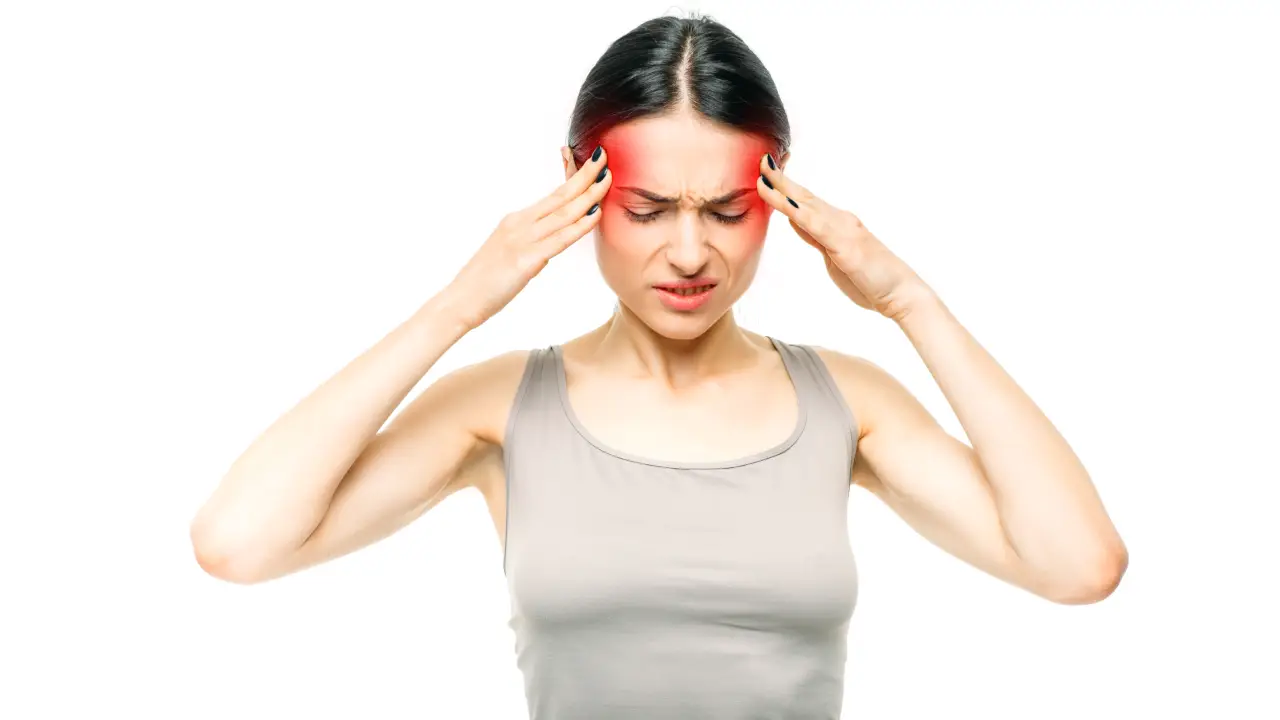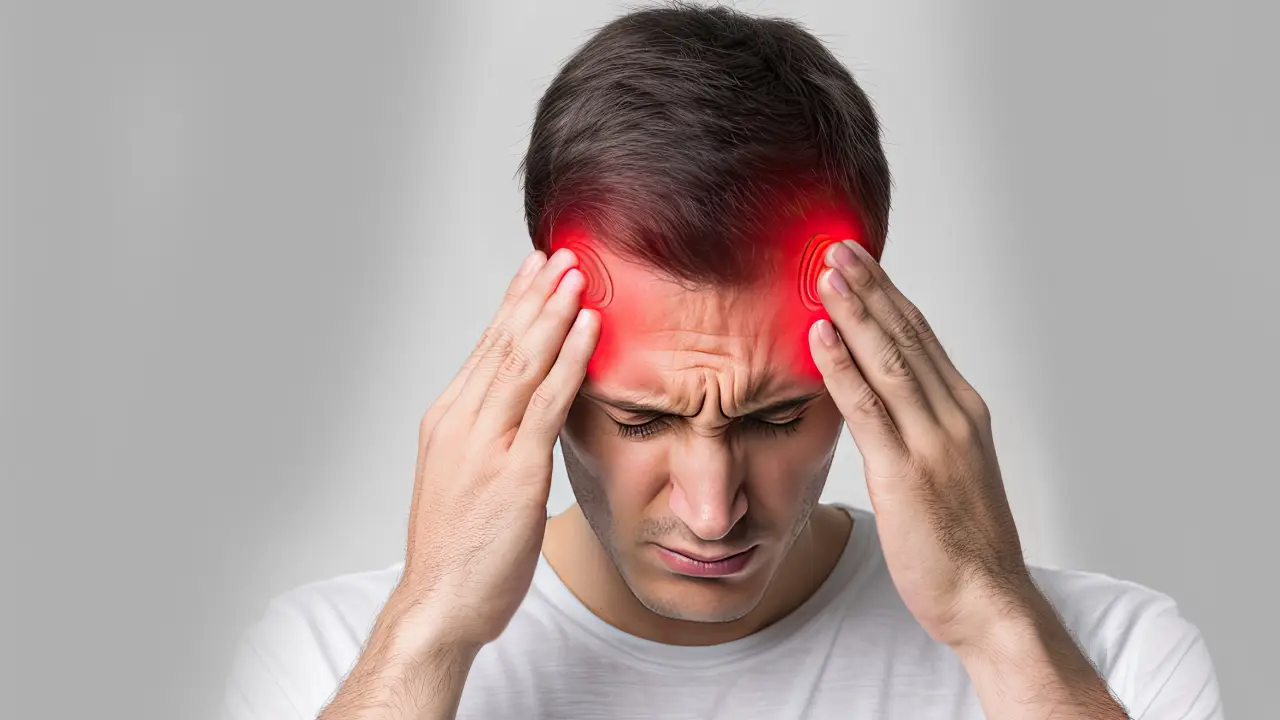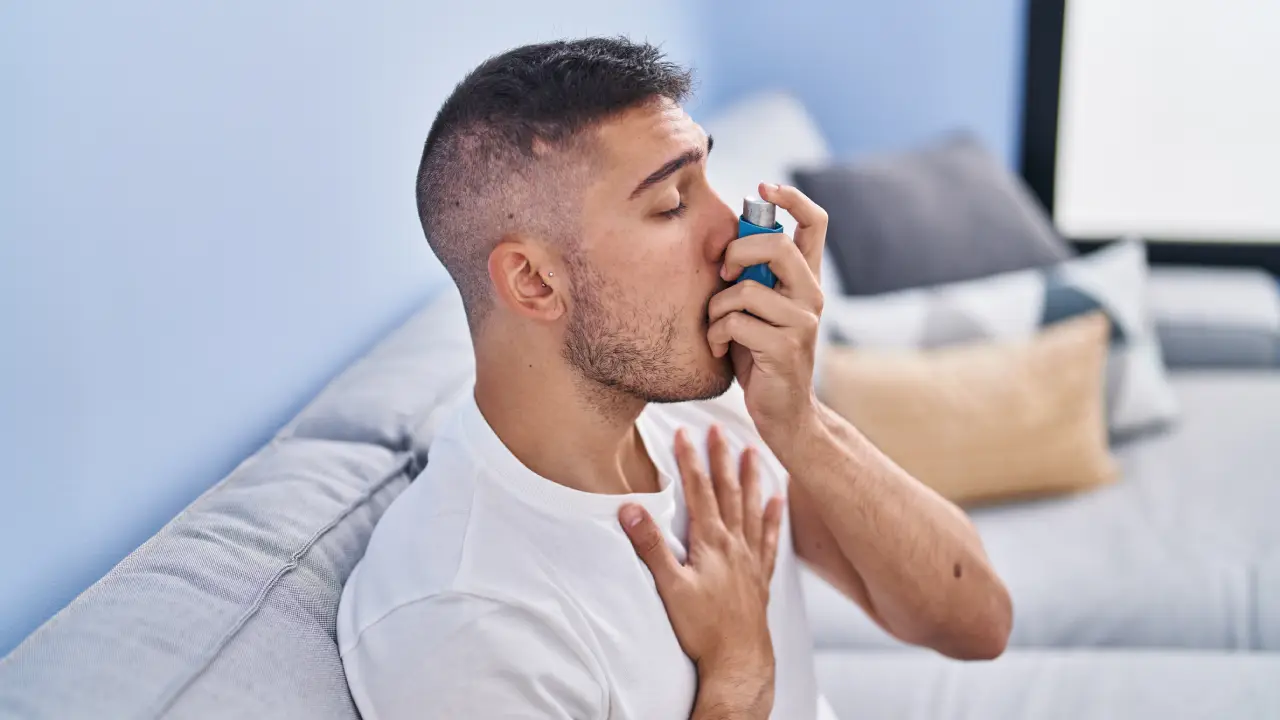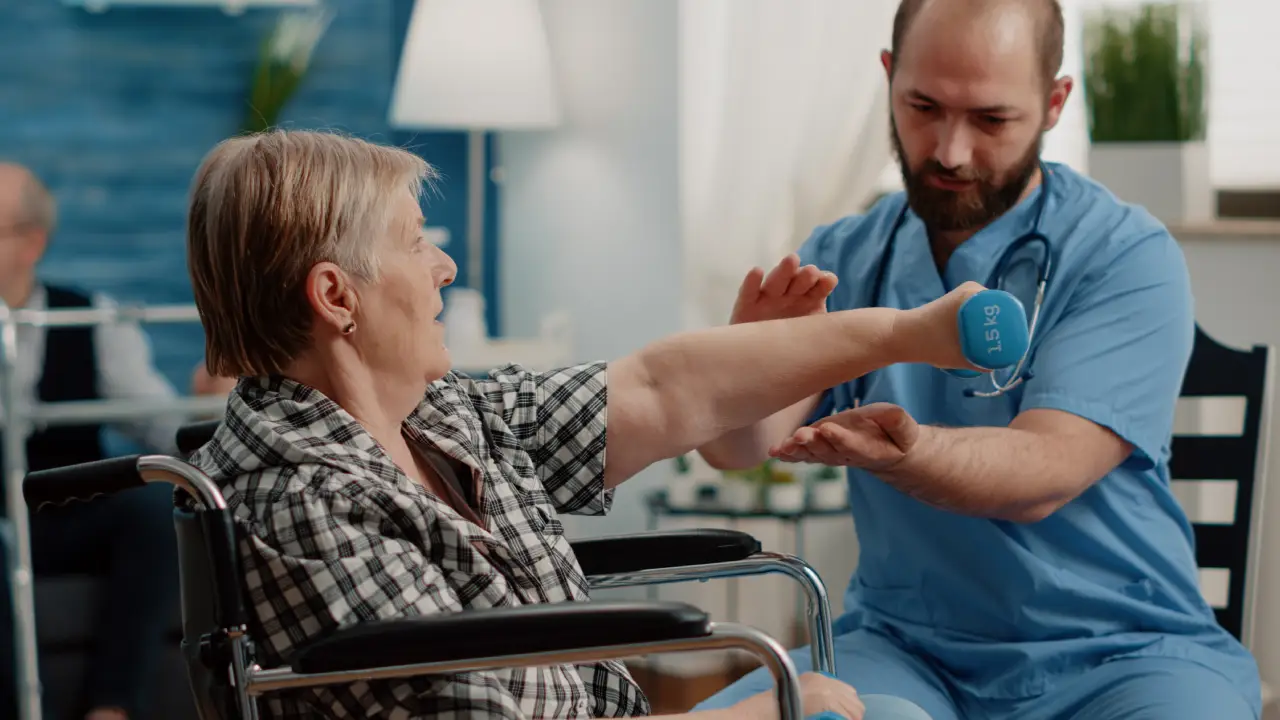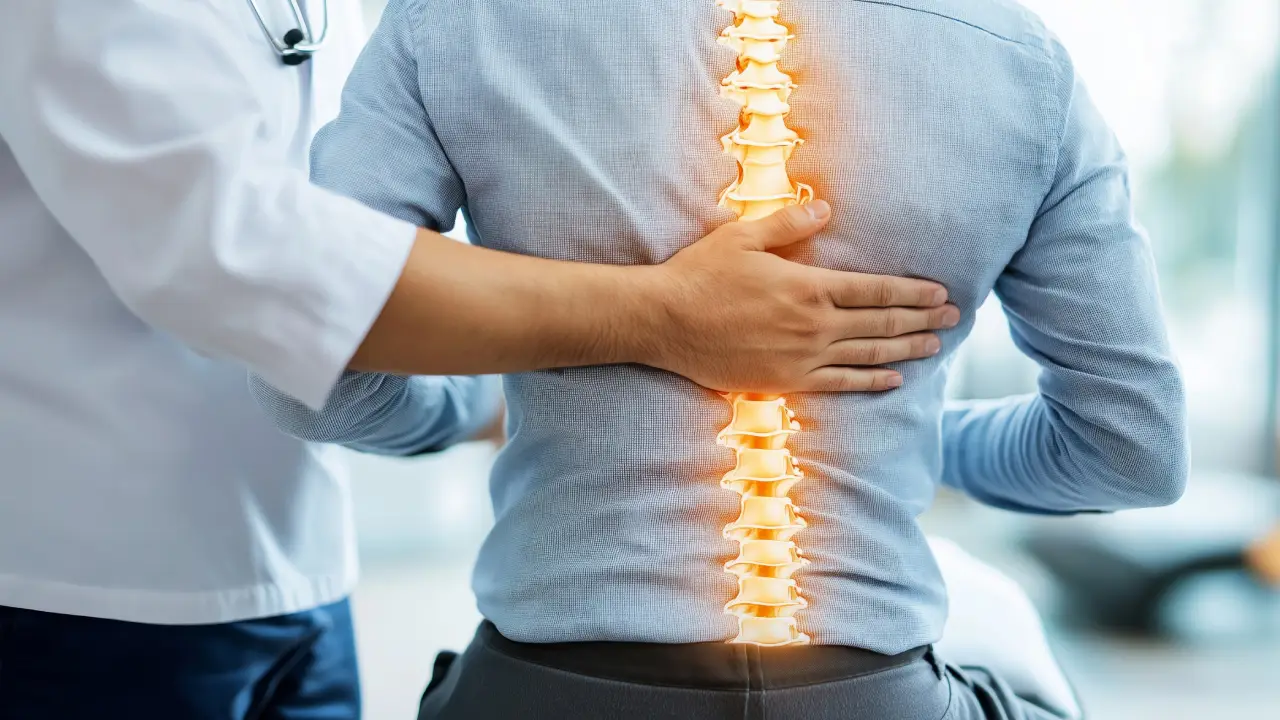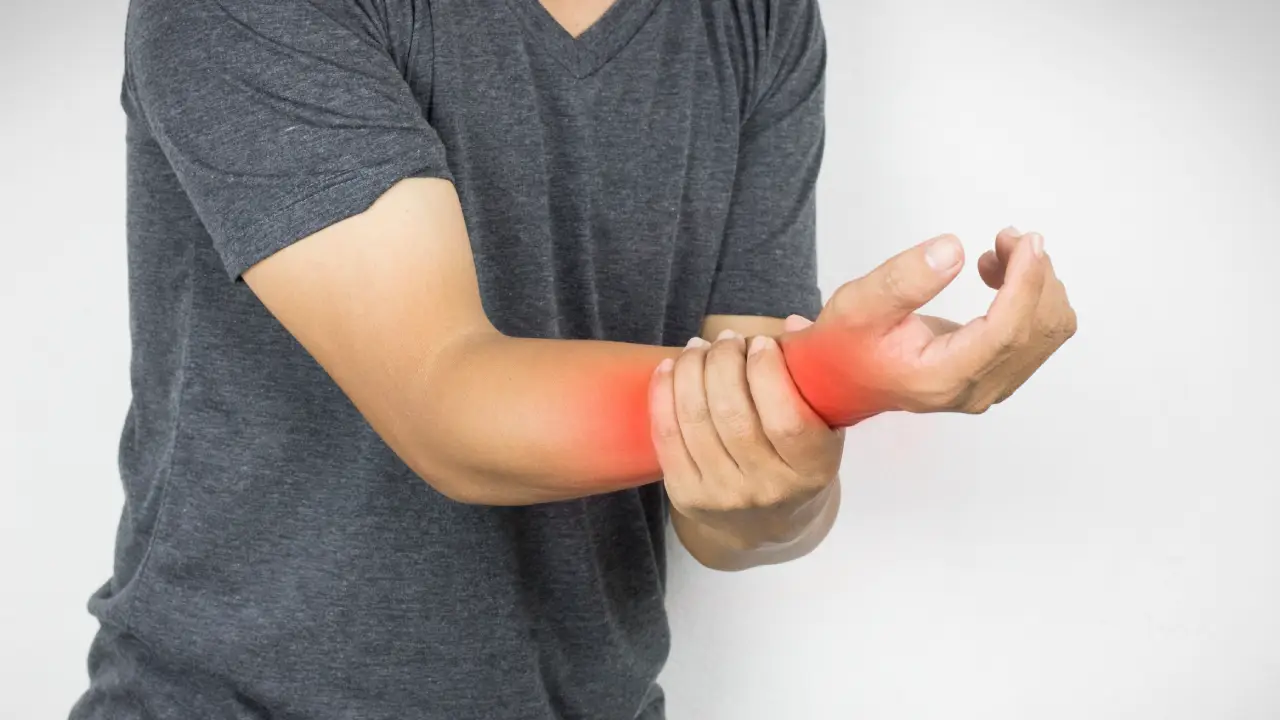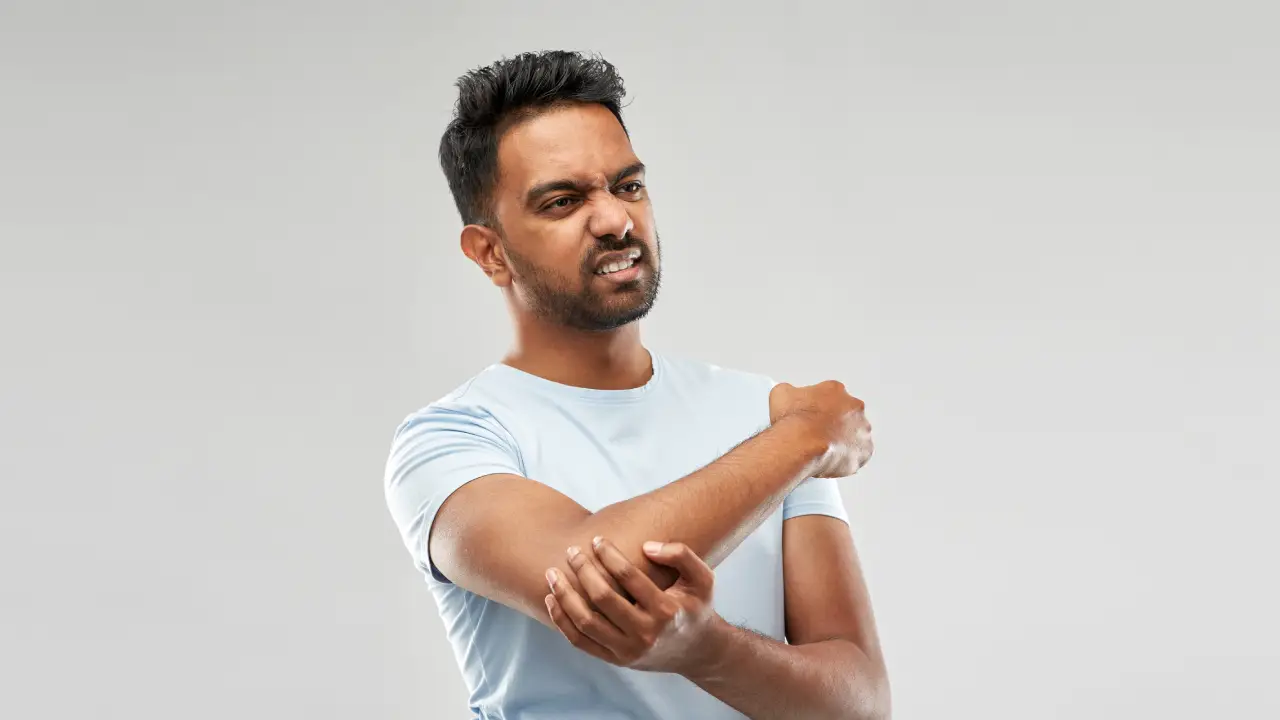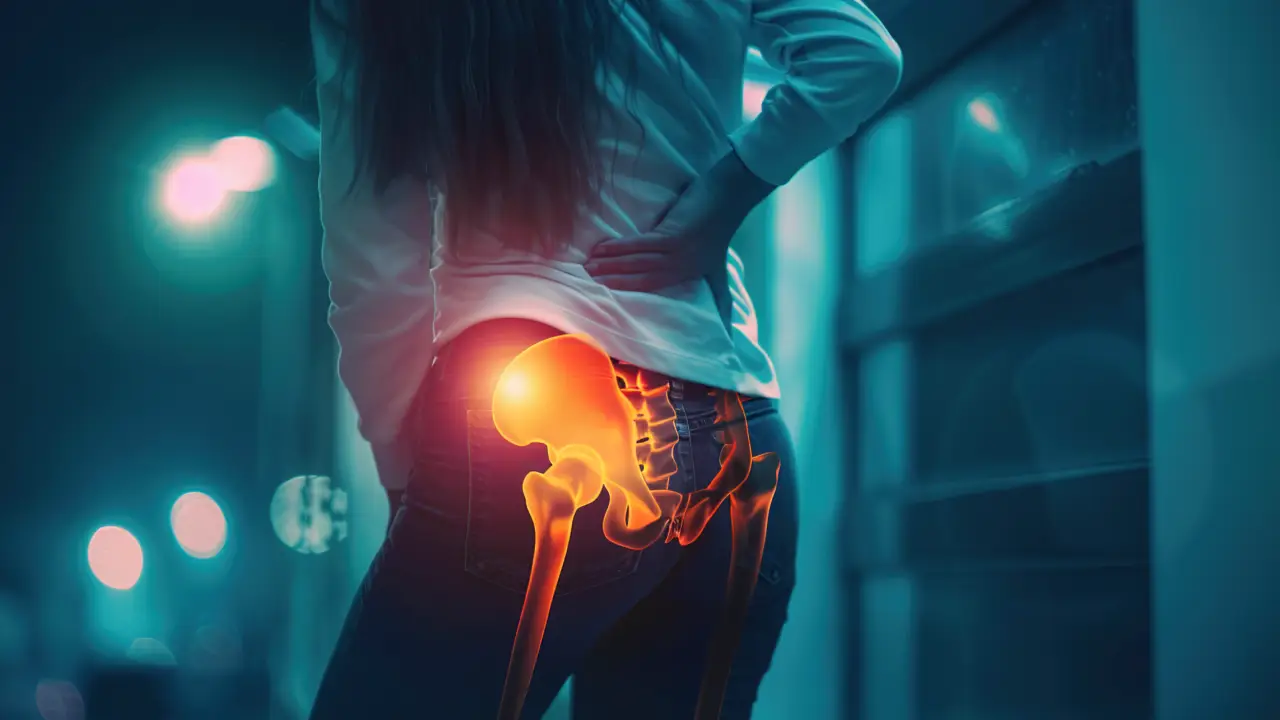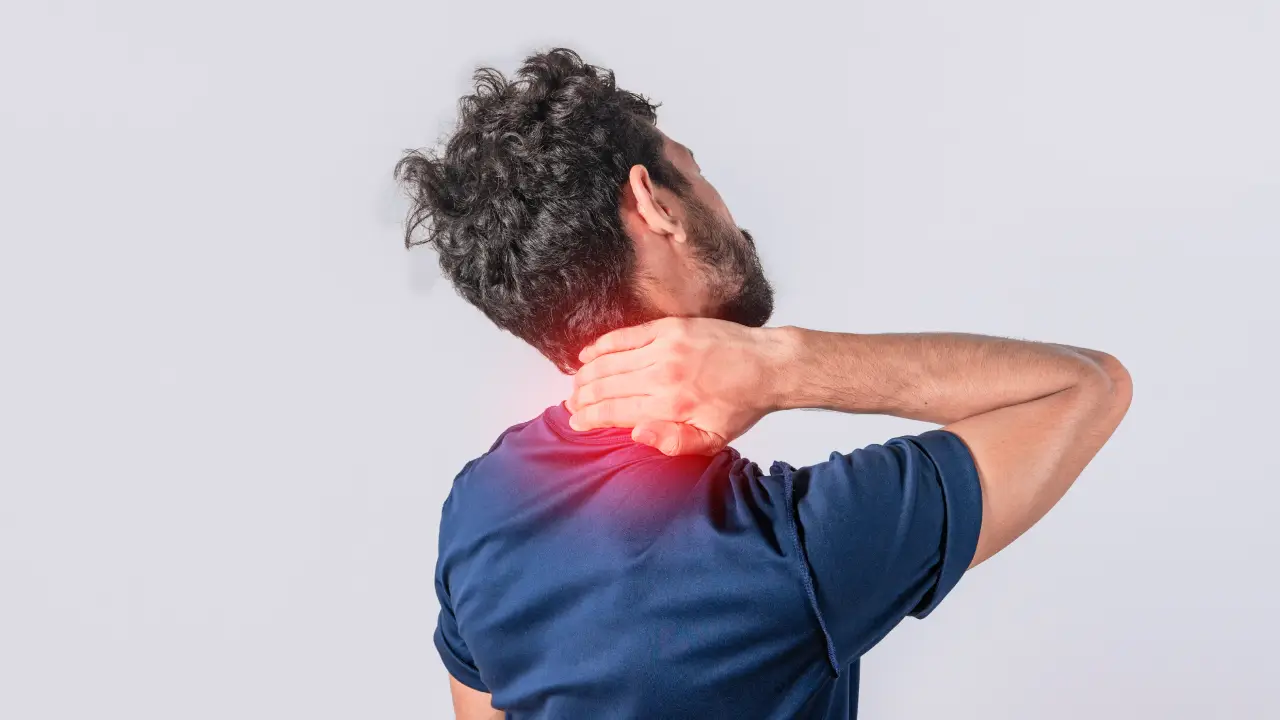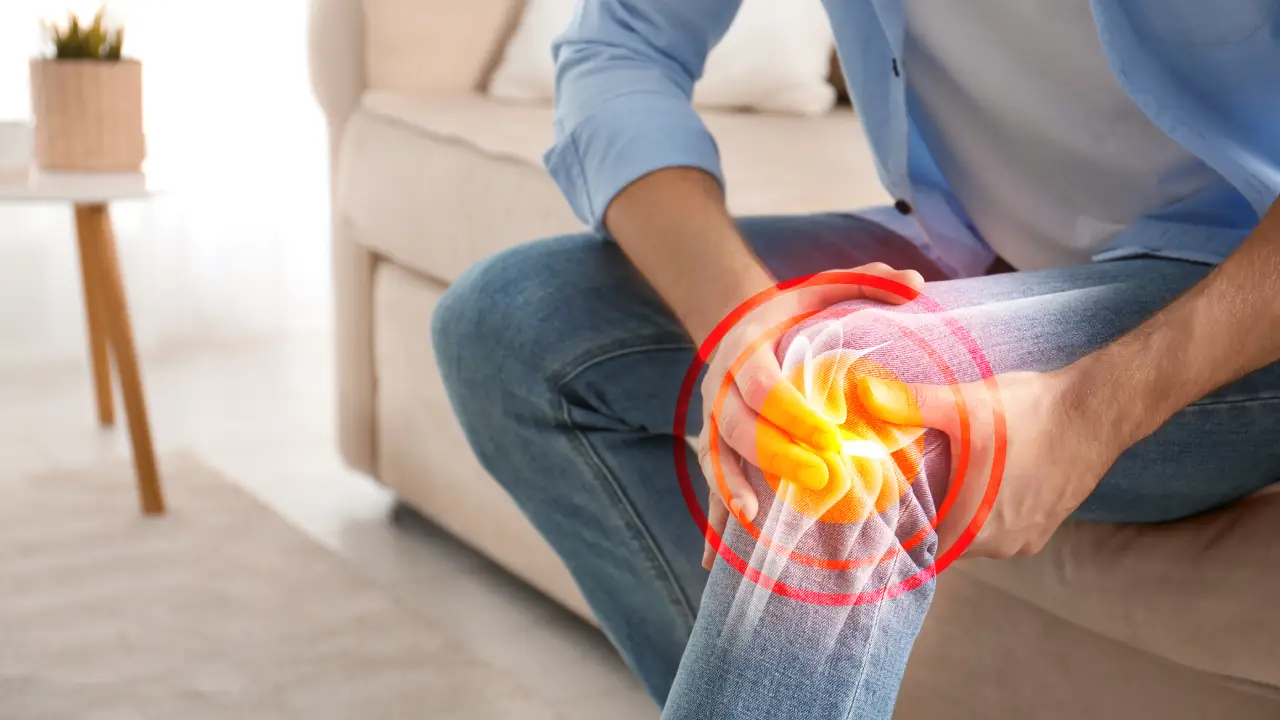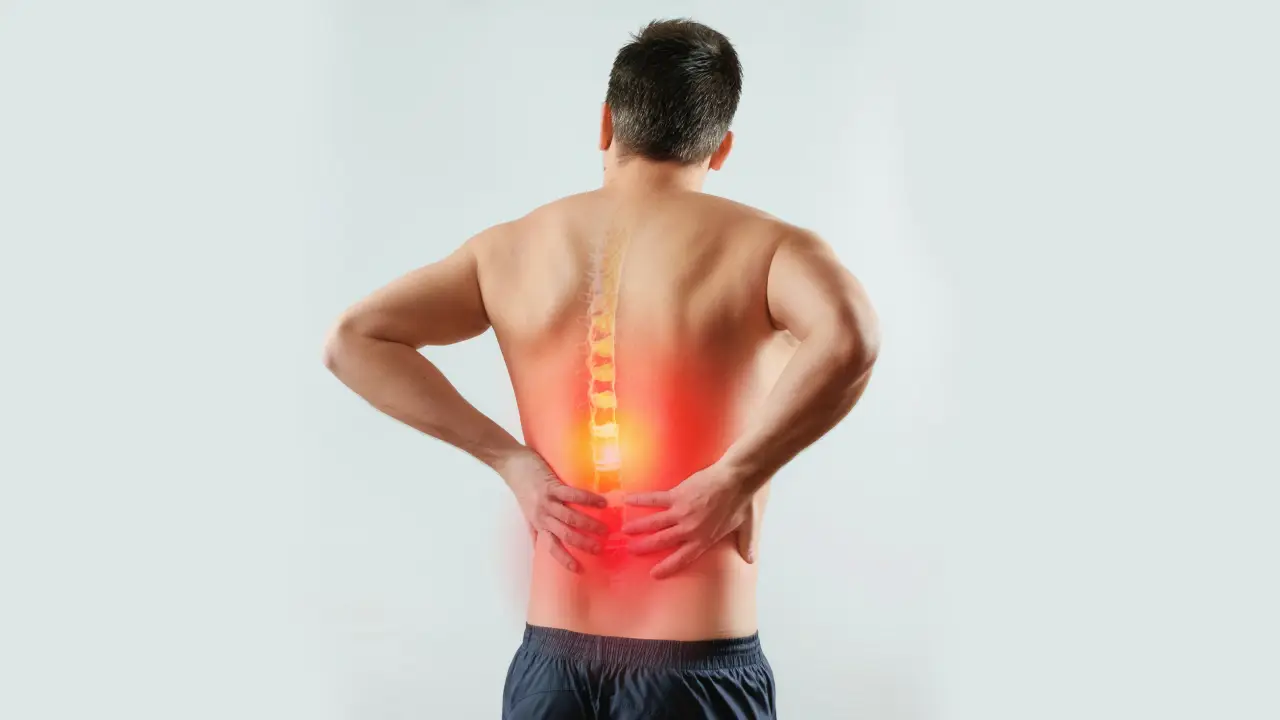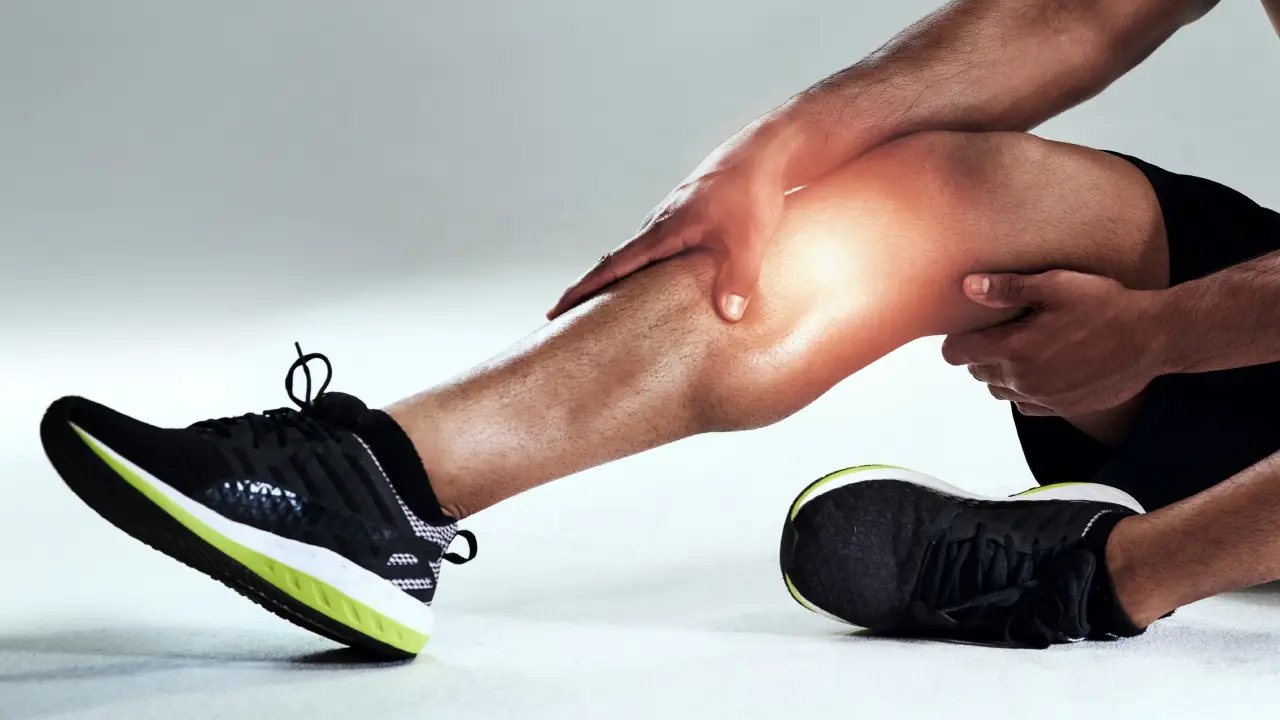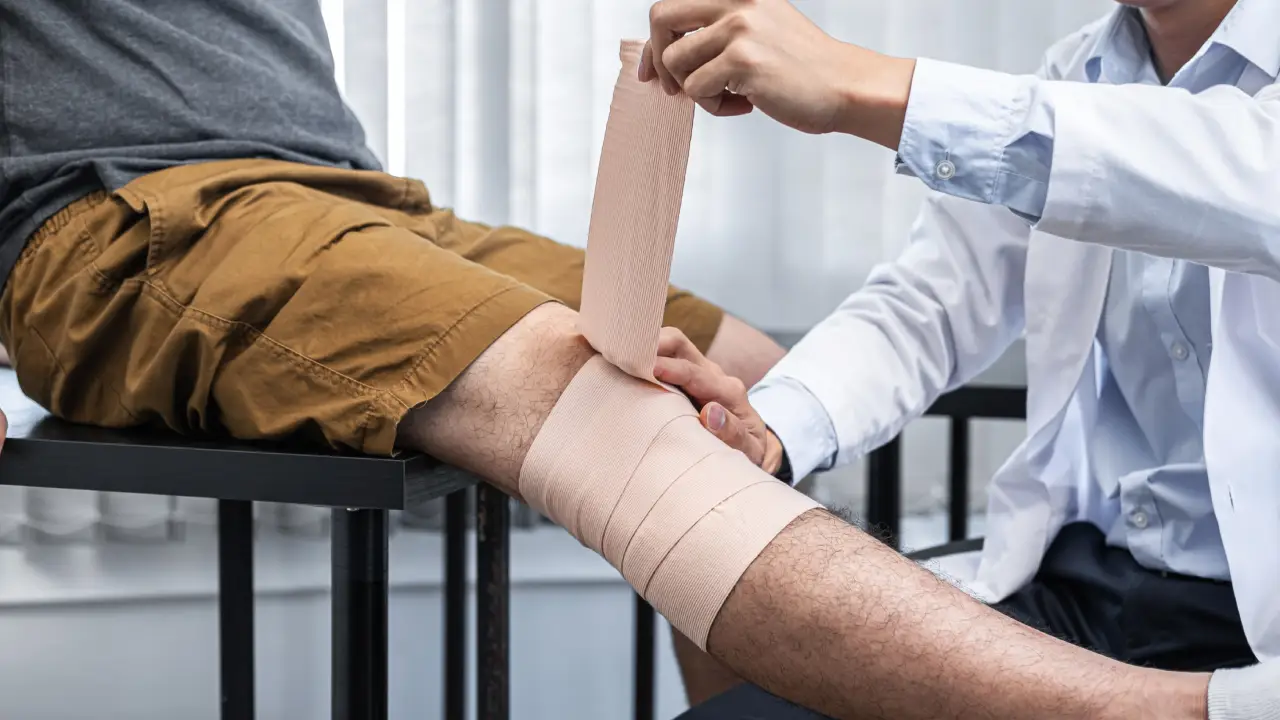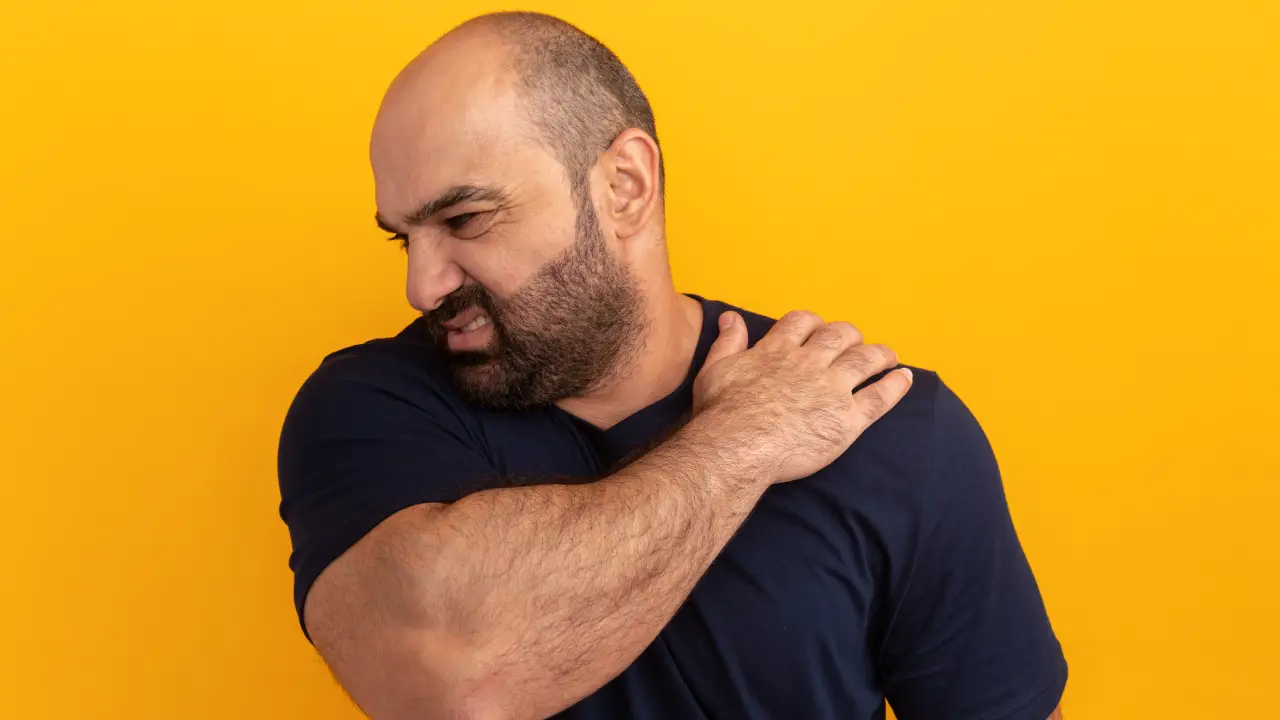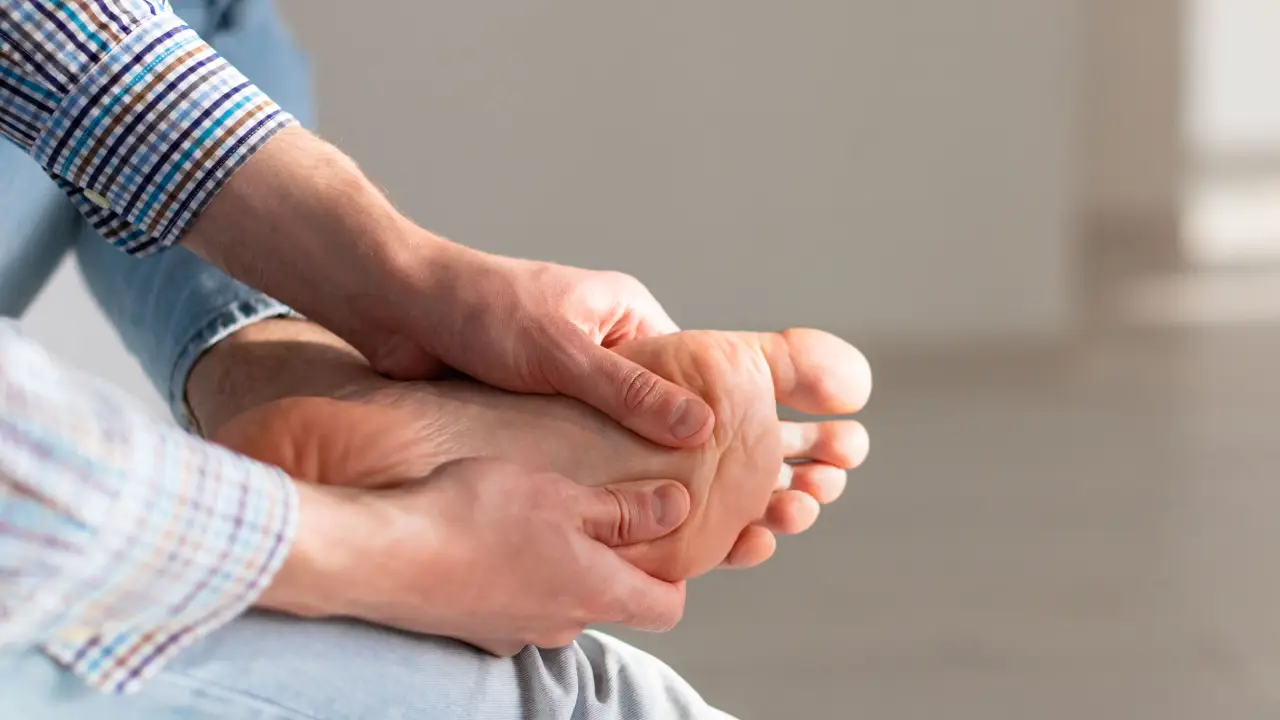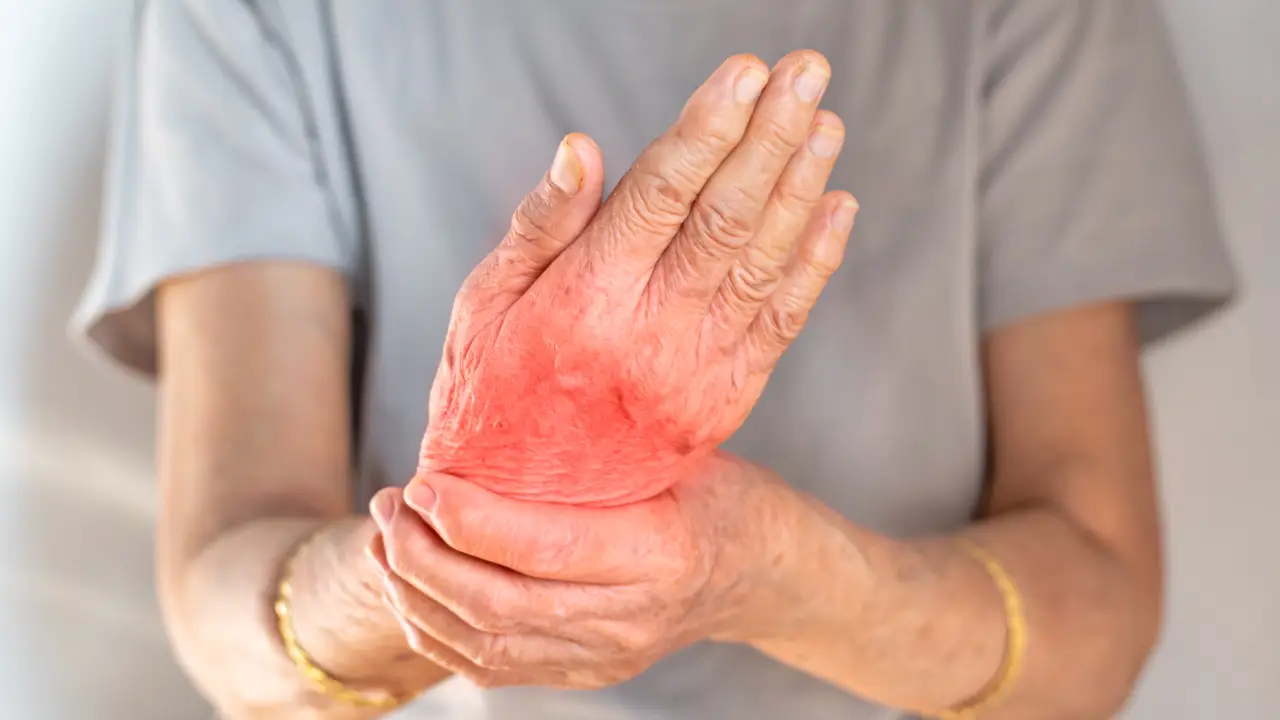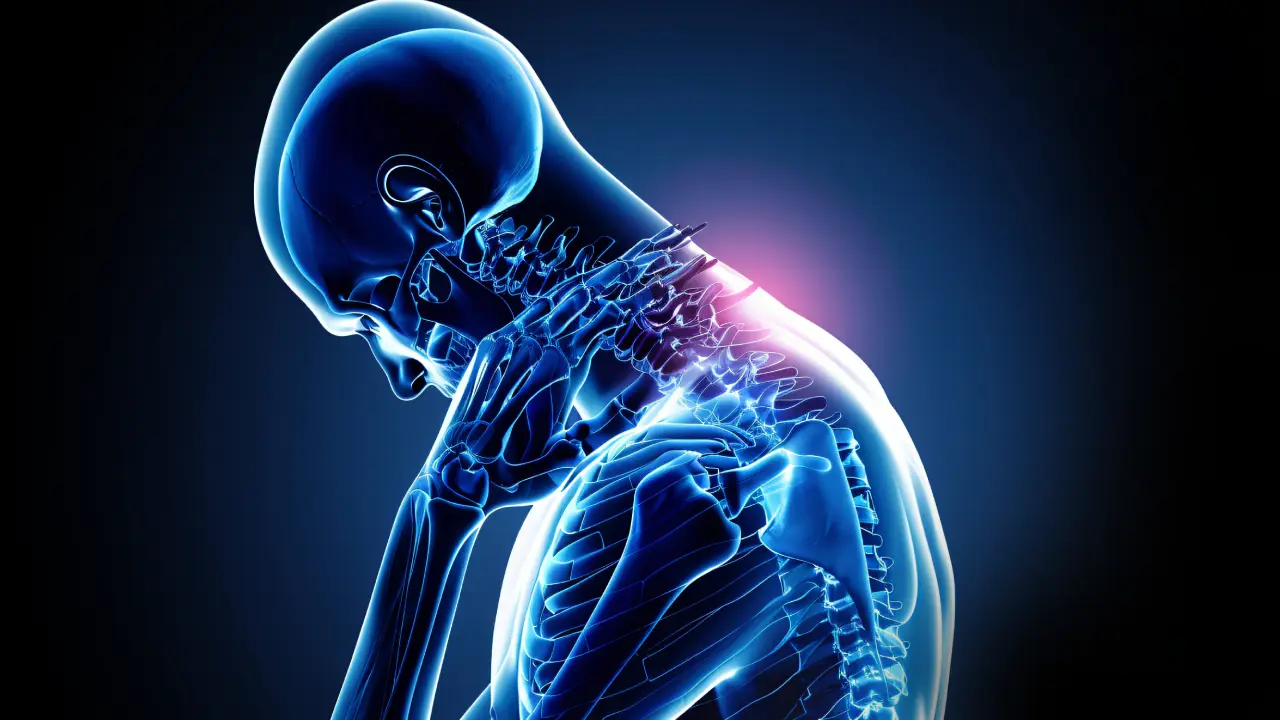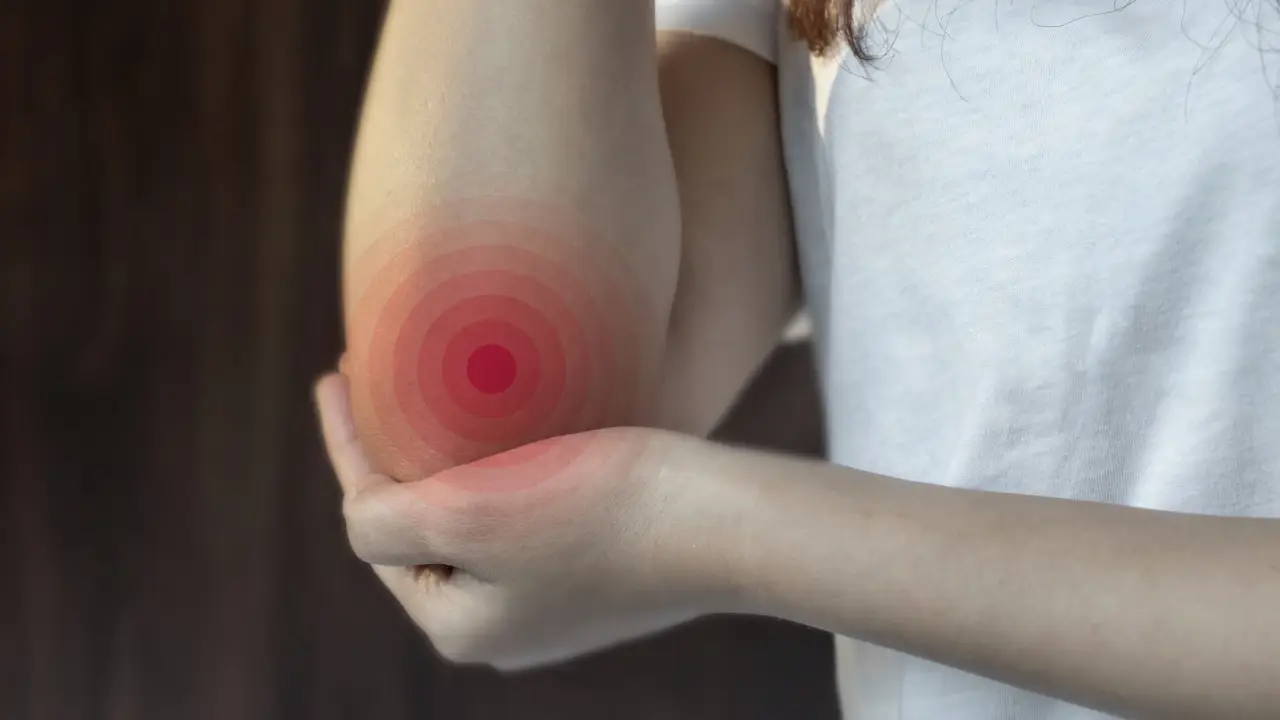

Arthritis is a condition characterized by inflammation in the joints, resulting in pain, stiffness, and limited joint Mobility. It can affect one or multiple joints, often worsening with age. There are several types of arthritis, including osteoarthritis, which results from the gradual wear and tear of cartilage, and rheumatoid arthritis, an autoimmune form where the immune system attacks joint tissues. Regardless of the type, the symptoms generally include joint pain, swelling, stiffness, and difficulty performing daily activities.
Osteoporosis is a condition that causes bones to become weak. Unlike arthritis, which affects the joints, osteoporosis directly impacts the skeletal system, making bones more susceptible to fractures even from minor falls or impacts. Often referred to as a “silent disease,” it progresses gradually and may go unnoticed until a fracture occurs. Commonly affected areas include the hips, spine, and wrists. Early identification and proactive management are crucial to prevent serious injury.
For arthritis, common symptoms include:
For osteoporosis, symptoms may be subtle initially but can include:
Recognizing these signs early enables timely intervention and improved management of both conditions.
Arthritis and osteoporosis share some common risk factors, though their root causes differ. Genetic factors, previous joint injuries, or autoimmune conditions may contribute to the development of arthritis. Lifestyle factors such as repetitive stress on joints, obesity, and inactivity can also contribute to the development or worsening of arthritis.
Osteoporosis risk factors include aging, hormonal changes (especially in postmenopausal women), low calcium and vitamin D intake, smoking, excessive alcohol consumption, and sedentary lifestyles. Family history can also play a role. Although some risk factors are unavoidable, you can significantly reduce the impact of these conditions through proactive lifestyle choices and early detection.
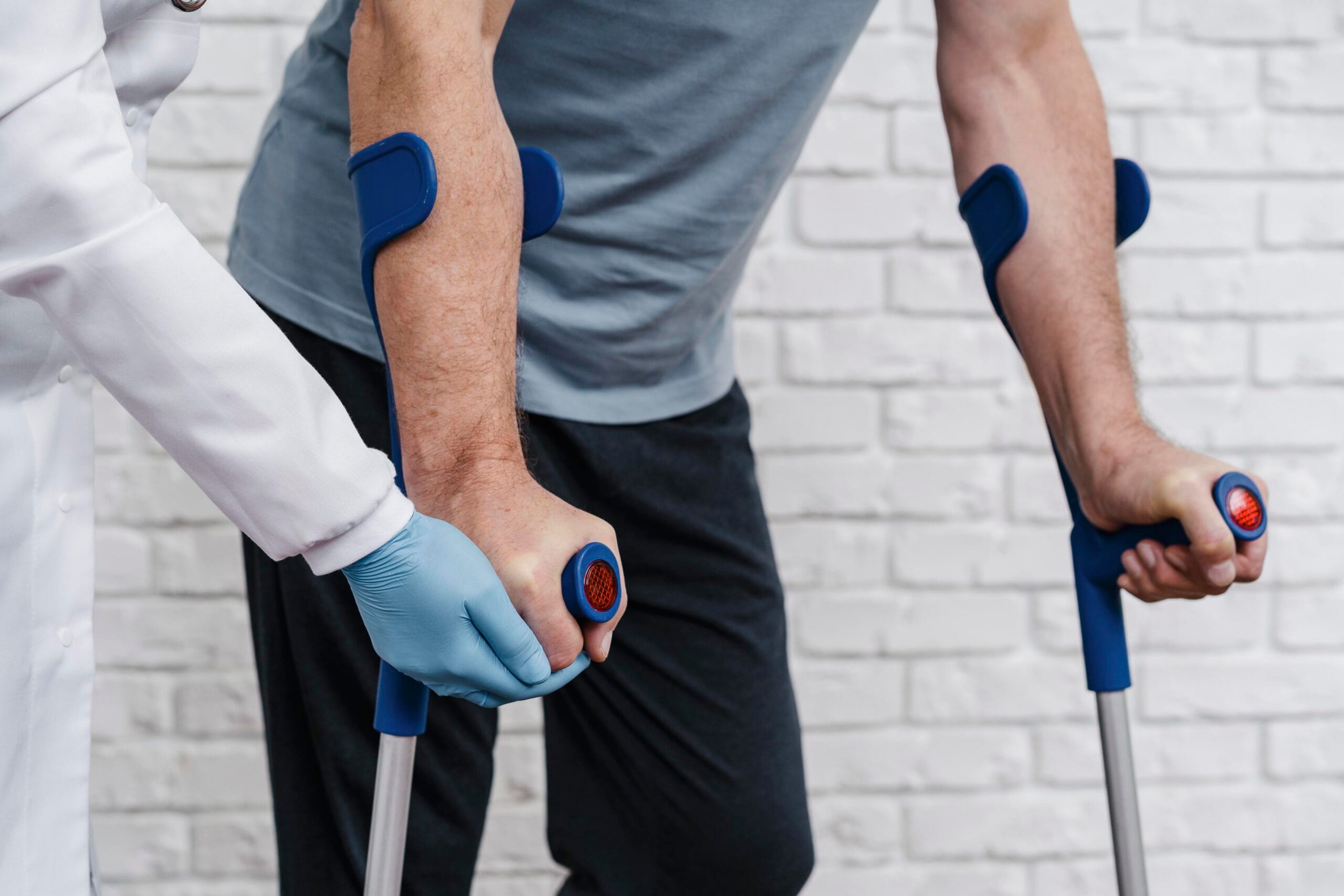
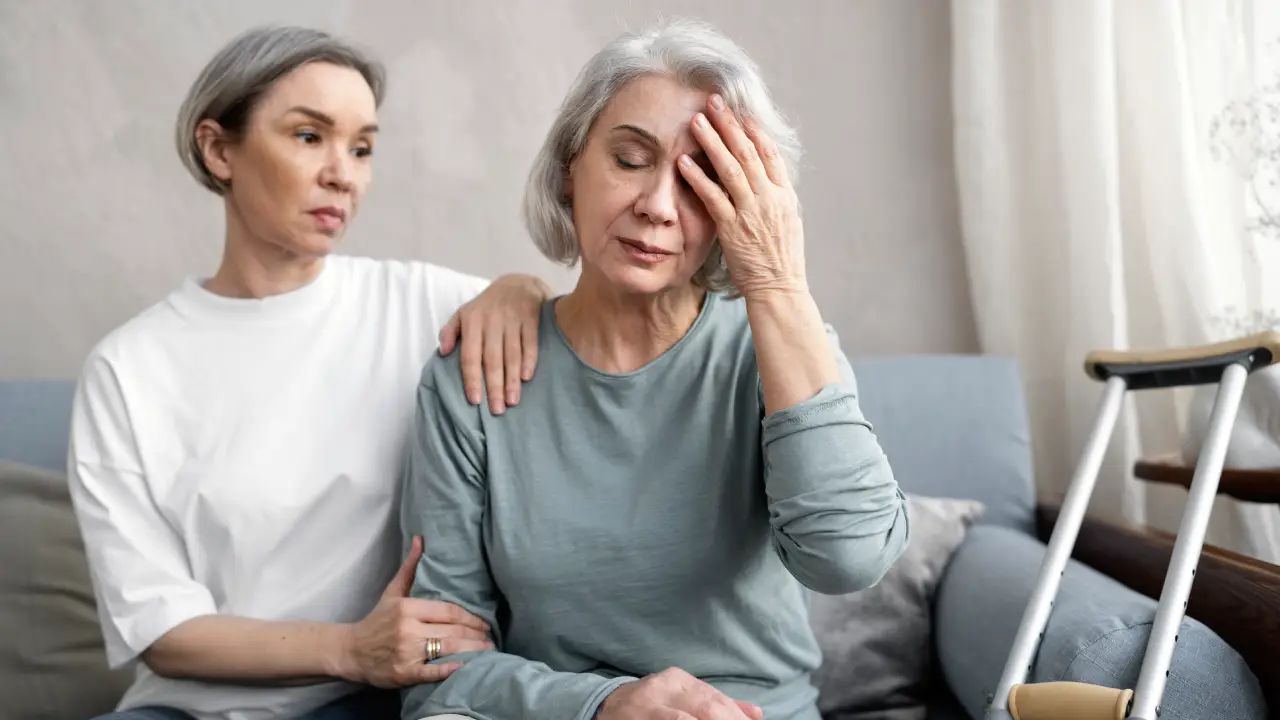
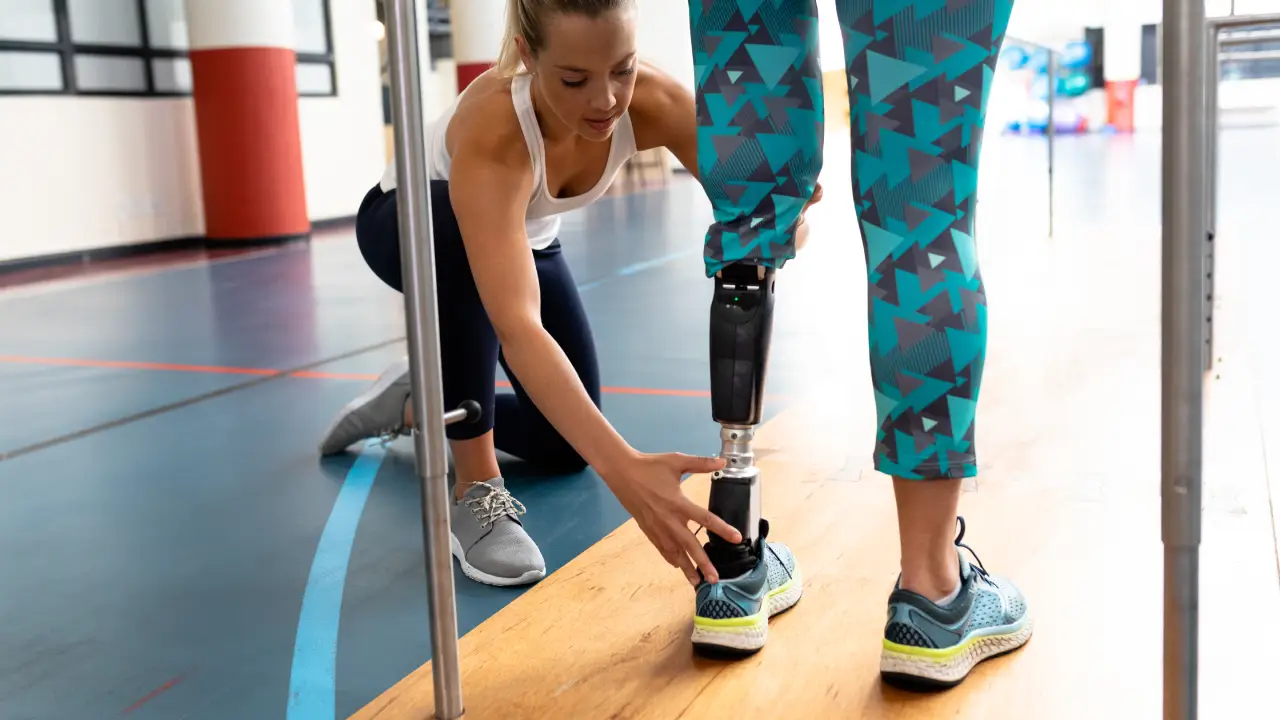
Arthritis and osteoporosis can substantially impact everyday living. Arthritis can make simple movements—like climbing stairs, gripping objects, or walking—painful and challenging. Over time, decreased joint Mobility can lead to difficulty in performing routine tasks independently, affecting overall quality of life.
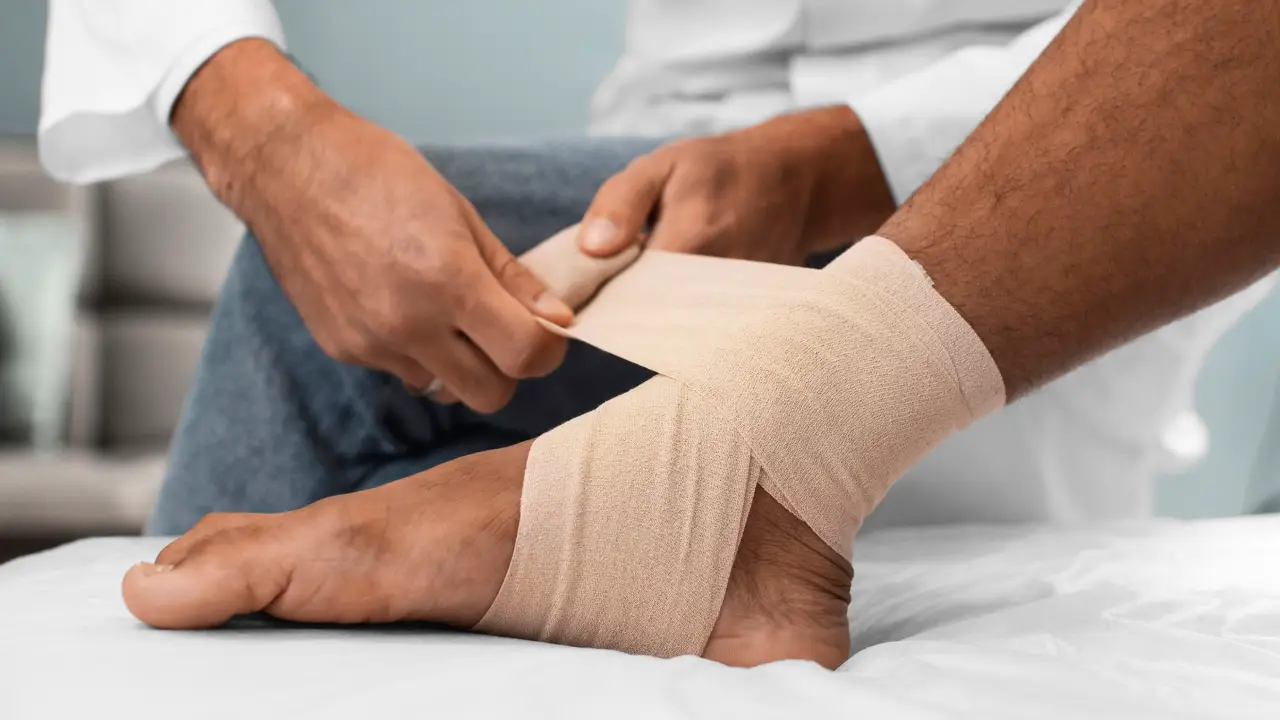
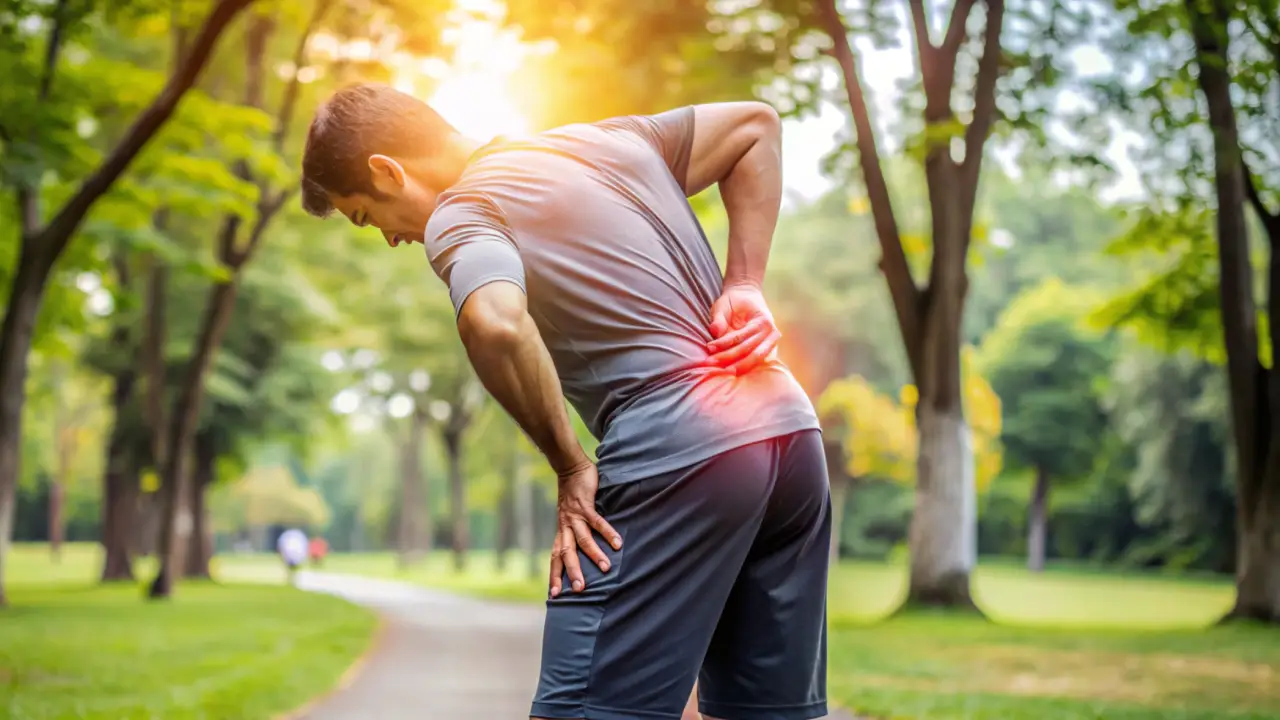
Osteoporosis presents a distinct challenge. Fragile bones increase the likelihood of fractures, which can occur even during minor falls. These fractures can lead to prolonged recovery times, reduced Mobility, and in some cases, permanent disability. Together, arthritis and osteoporosis can reduce physical activity, making individuals more susceptible to muscle weakness, balance issues, and further joint or bone problems.
Accurate diagnosis is crucial in guiding treatment. Arthritis is typically evaluated through physical examinations, patient history, and imaging techniques such as X-rays, MRI, or ultrasound to assess joint damage and inflammation. Doctors may also use blood tests to detect specific forms of arthritis, like rheumatoid arthritis.
Doctors primarily diagnose osteoporosis using bone density scans, which measure bone strength and help predict the risk of fractures. Early detection allows for interventions that can prevent progression and reduce the likelihood of fractures.
Managing arthritis and osteoporosis requires a multifaceted approach. While treatment plans vary based on severity and individual needs, common strategies include:
A combined approach addressing both joint and bone health helps patients maintain independence, minimize pain, and reduce the risk of fractures.
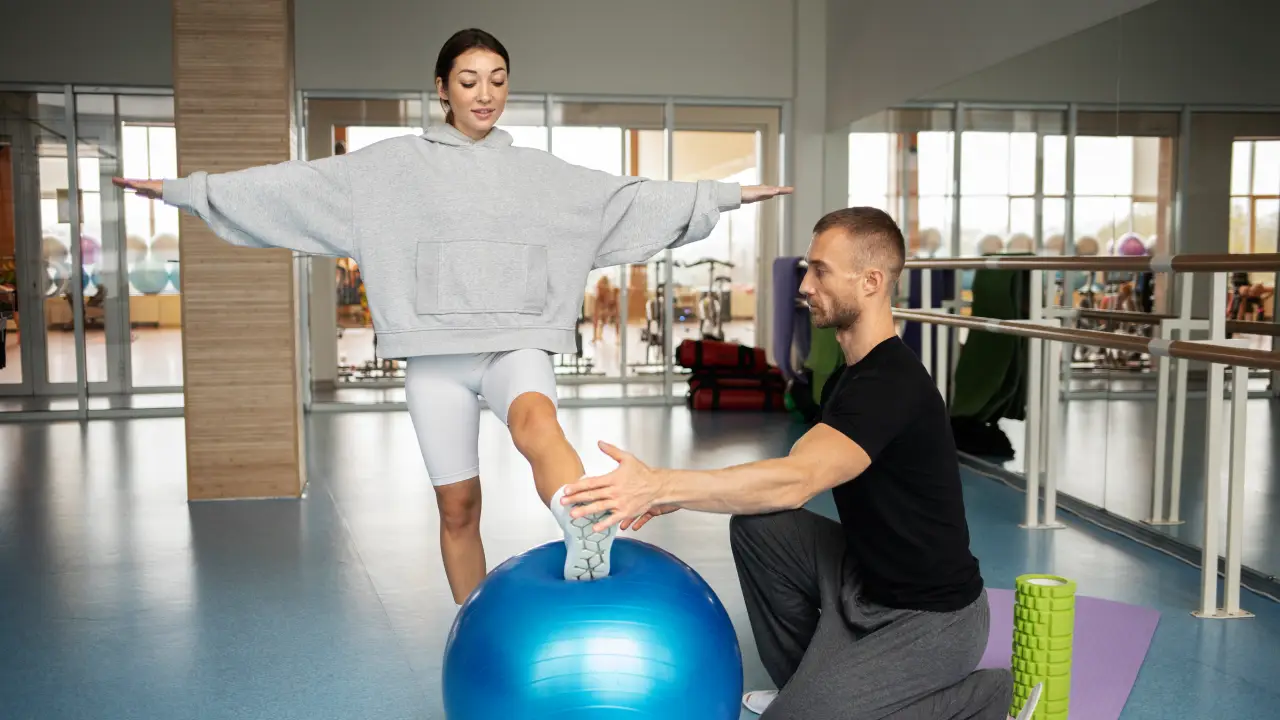
Daily habits play a significant role in managing arthritis and osteoporosis. Low-impact activities, such as swimming, cycling, and walking, can help improve joint health without causing additional stress. Strength training and balance exercises help preserve bone mass and reduce the risk of falls. Nutrition is equally essential; sufficient intake of calcium, vitamin D, and protein supports both joint and bone integrity.
Stress management and adequate sleep can also influence inflammation levels and overall physical wellbeing. Staying active, informed, and consistent with a care plan can prevent the conditions from advancing and preserve Mobility and independence over time.
Preventing further complications involves a proactive and ongoing approach. Regular medical check-ups, bone density testing, and monitoring joint health can catch problems early. When individuals combine lifestyle strategies with professional guidance, they can effectively manage both arthritis and osteoporosis, limiting the potential for disability and fractures.
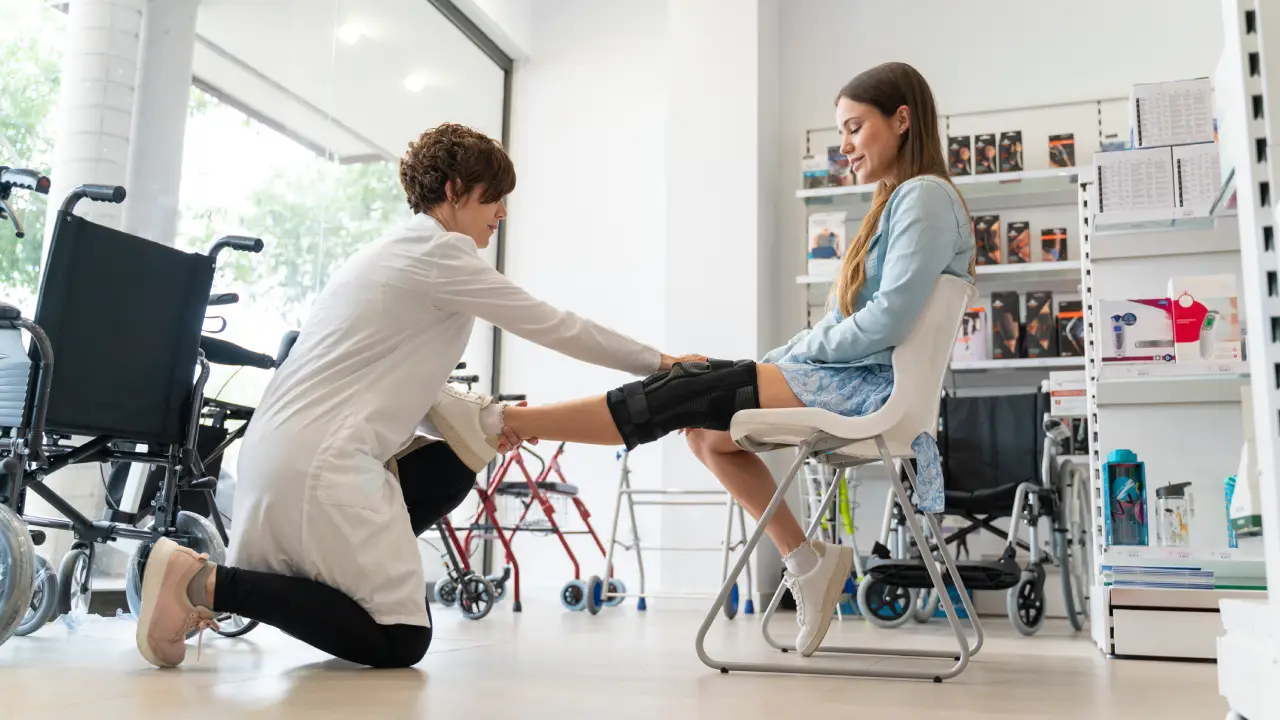
Engaging in exercises tailored to your abilities, following dietary recommendations, and using supportive tools or modifications can significantly enhance daily comfort and reduce long-term risks. Maintaining an active lifestyle, even in small ways, contributes to better overall health and Mobility.
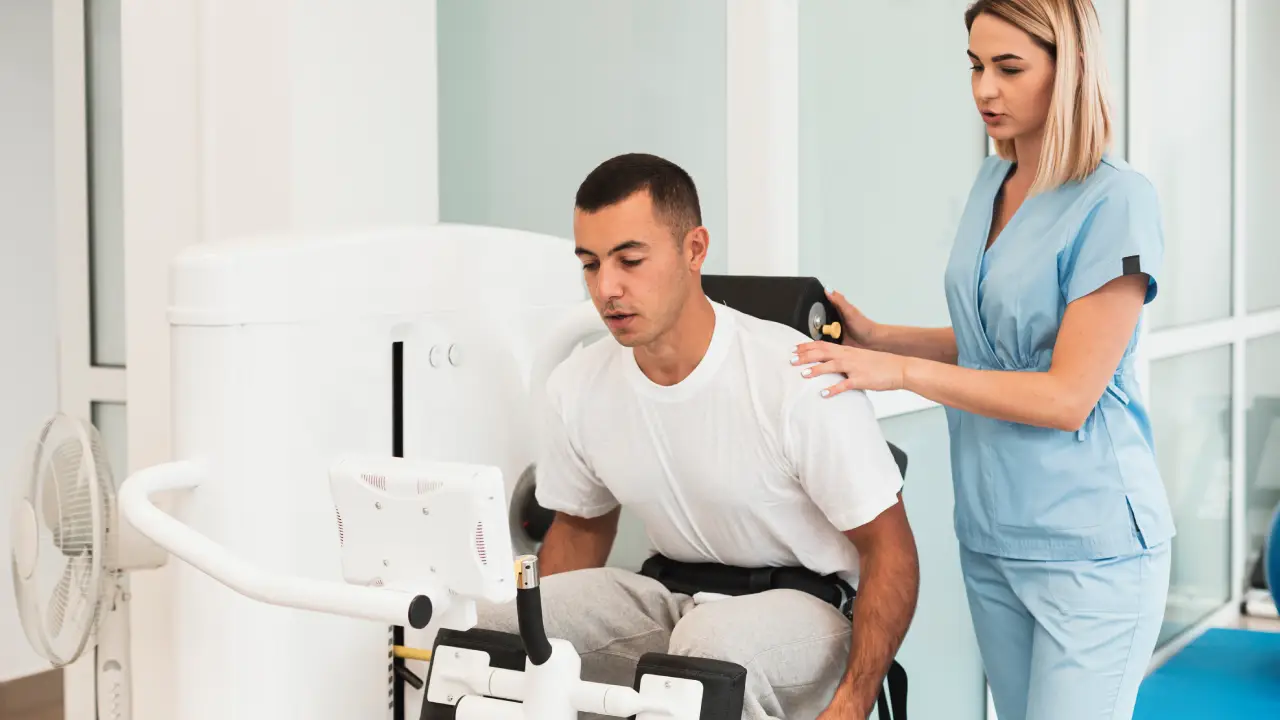
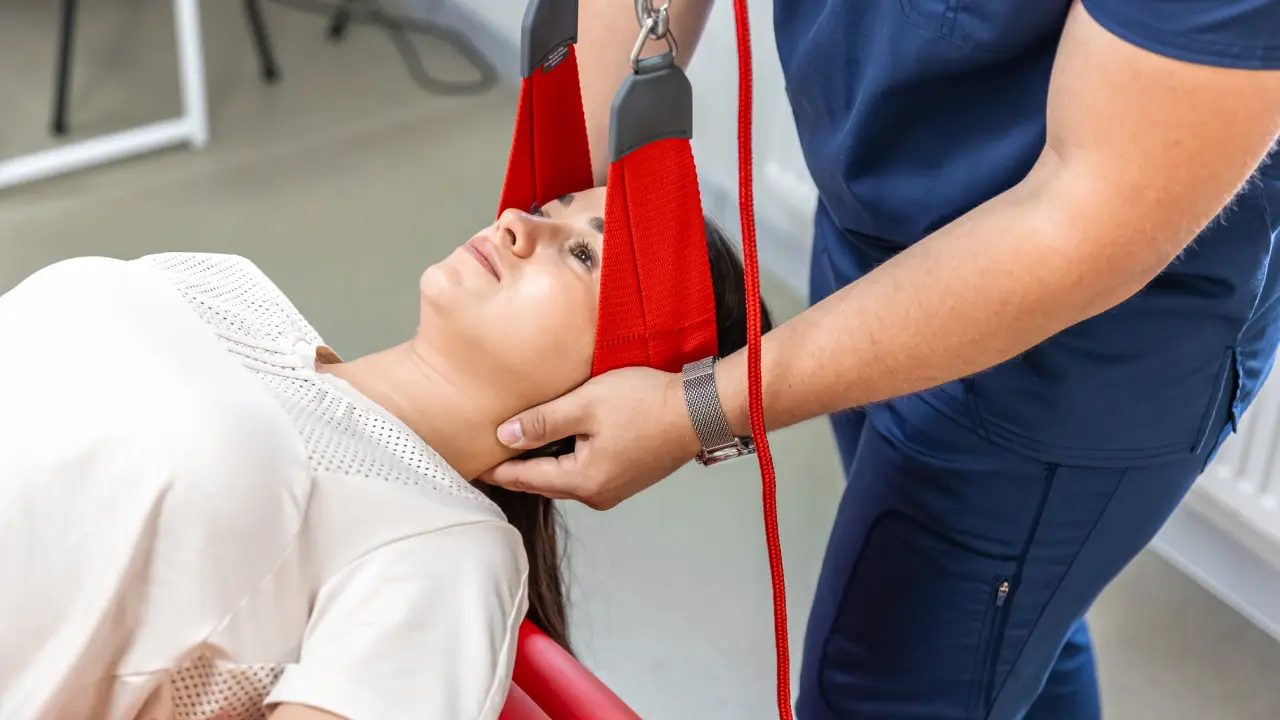
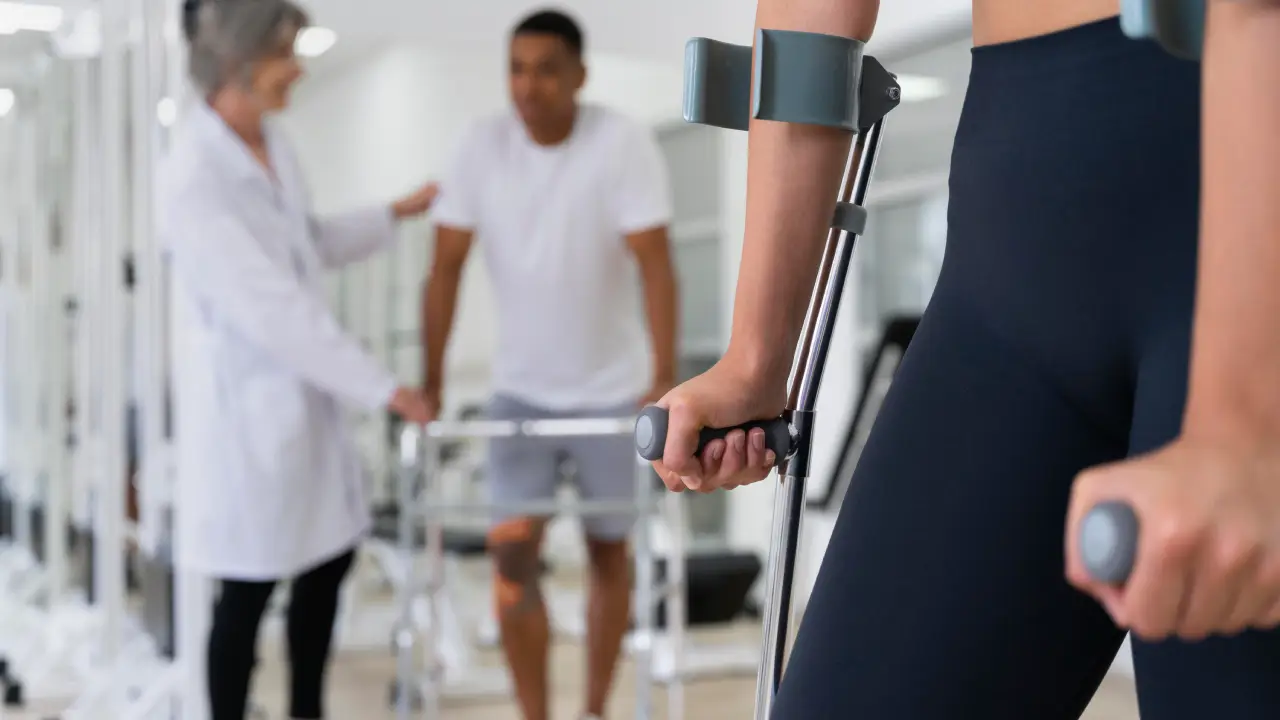
At Assure Physio & Rehab, our clinic provides a comprehensive program for individuals with arthritis and osteoporosis. Through careful assessment, personalized rehabilitation plans, and practical guidance on exercise, nutrition, and bone protection, patients gain tools to manage symptoms effectively. Support extends beyond therapy sessions, equipping patients to maintain Mobility, reduce pain, and prevent injuries in their daily routines.
By focusing on both prevention and management, our clinic helps individuals lead more active and confident lives. Whether you have a new diagnosis or are managing long-standing conditions, our team works closely with you to help you optimize function and safety so you can continue participating in the activities you enjoy.
If you or a loved one is living with arthritis or osteoporosis, contact Assure Physio & Rehab today. Schedule a consultation and begin a plan tailored to maintain Mobility, strengthen bones, and protect your joints.
Copyright © Assure Physio & Rehab. All Rights Reserved | Privacy Policy | Terms Of Use
Designed & Developed By Convirzon
 Optimized by Seraphinite Accelerator