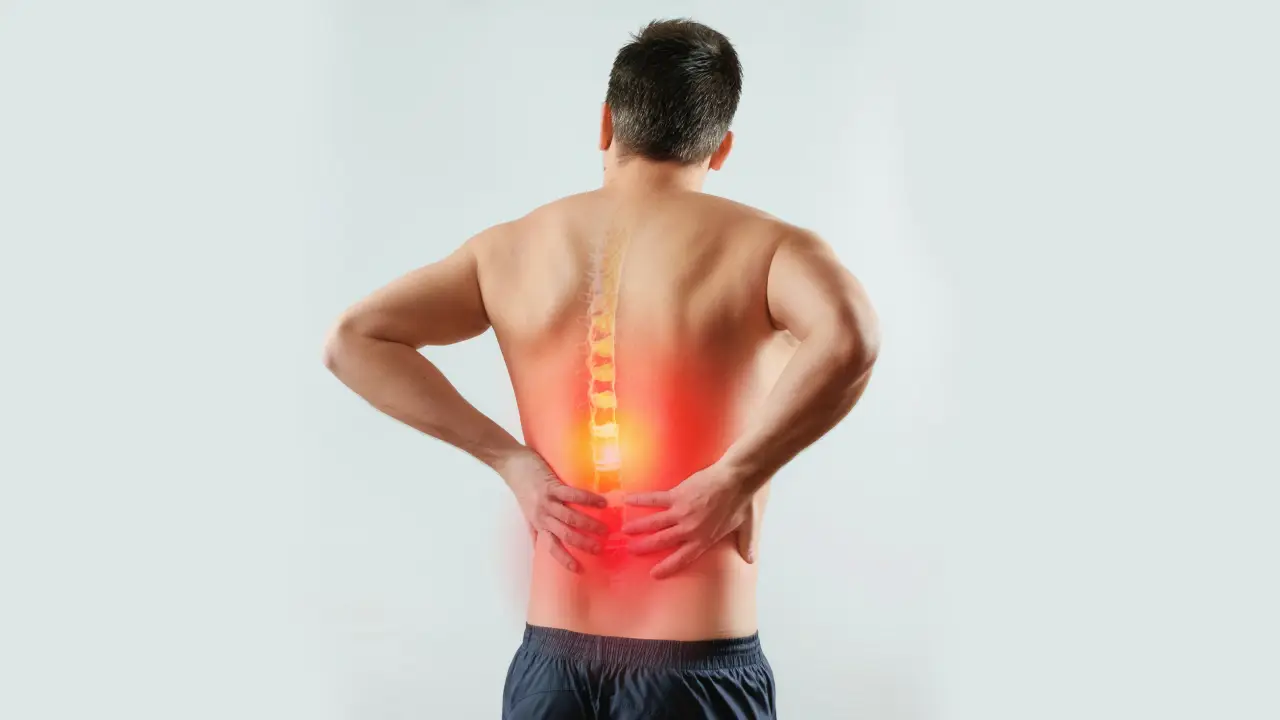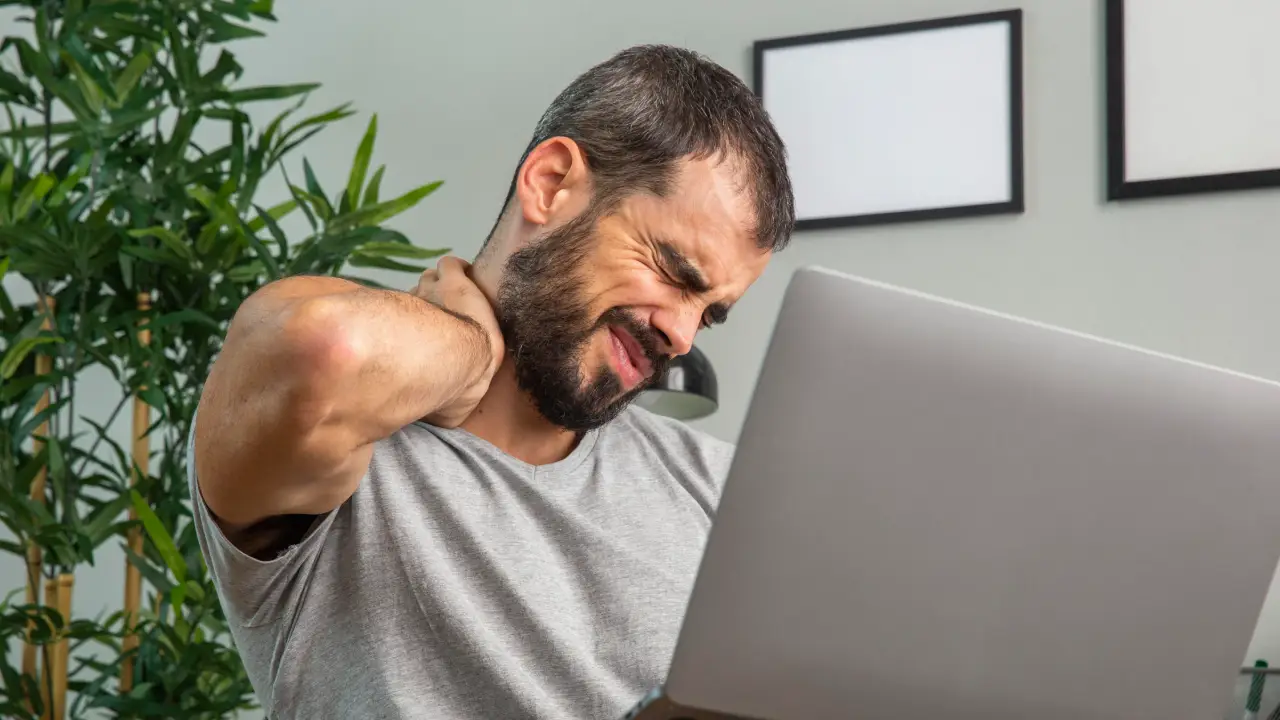

Sciatica is a condition resulting from irritation or compression of the sciatic nerve, which extends from the lower back down through each leg. This nerve can be affected by several conditions, including herniated discs, spinal stenosis, or degenerative changes in the spine. The resulting discomfort is more than just a minor inconvenience; it can significantly interfere with daily activities, making it challenging to walk, sit, or even stand.
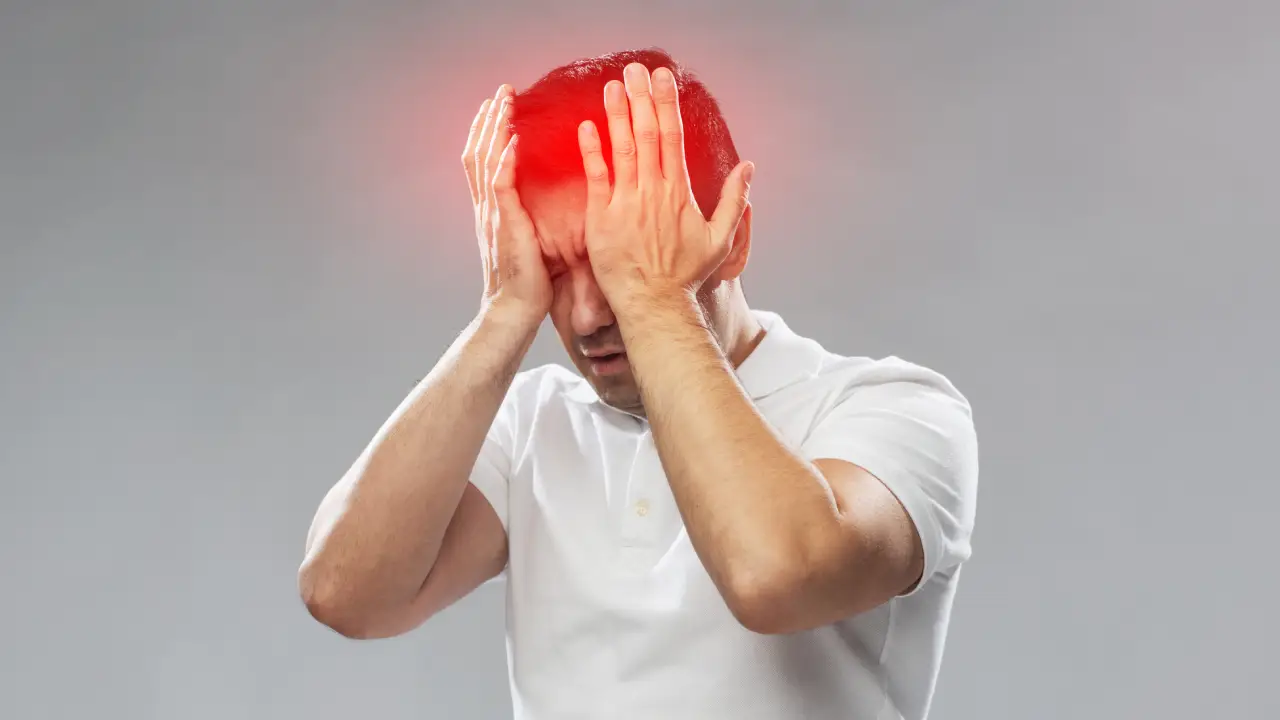
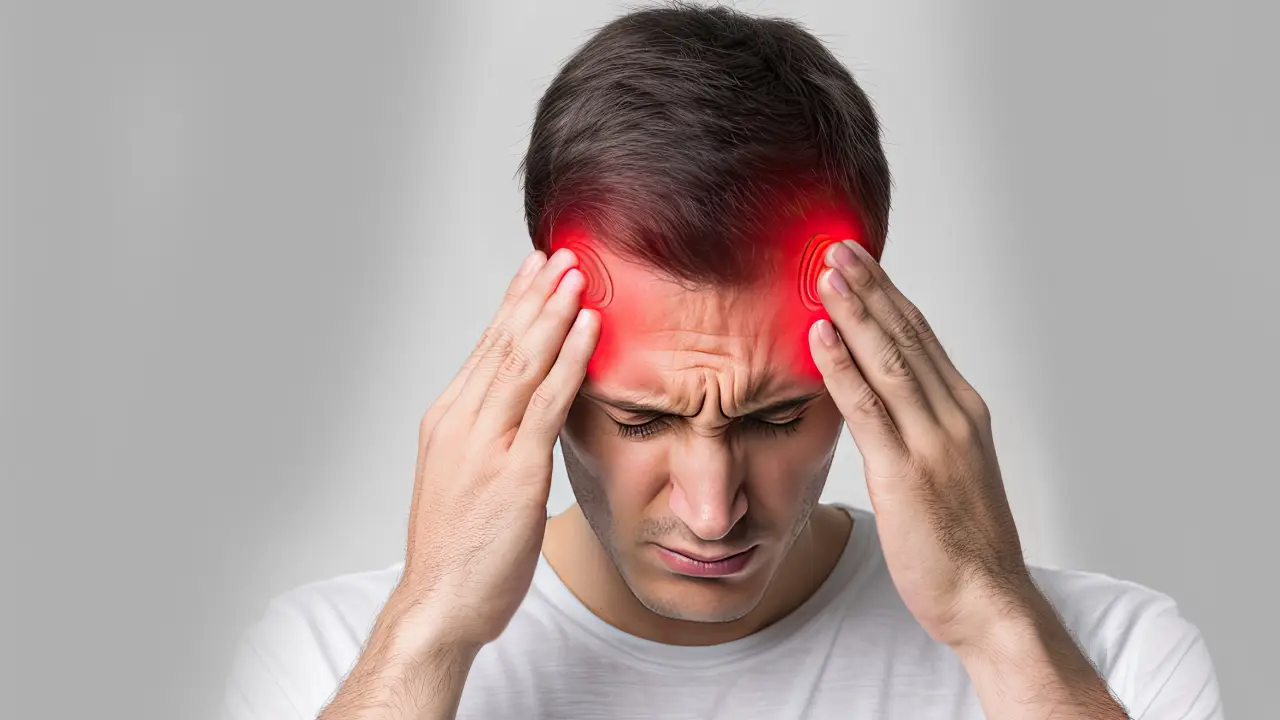
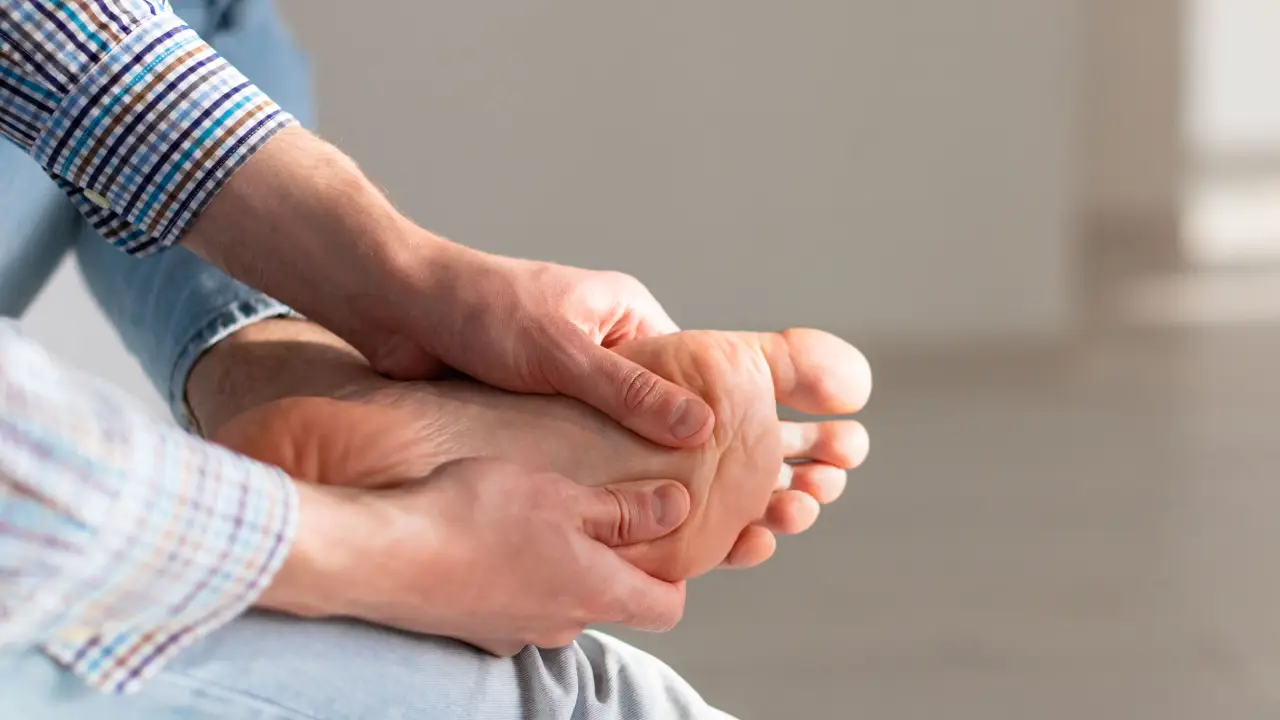
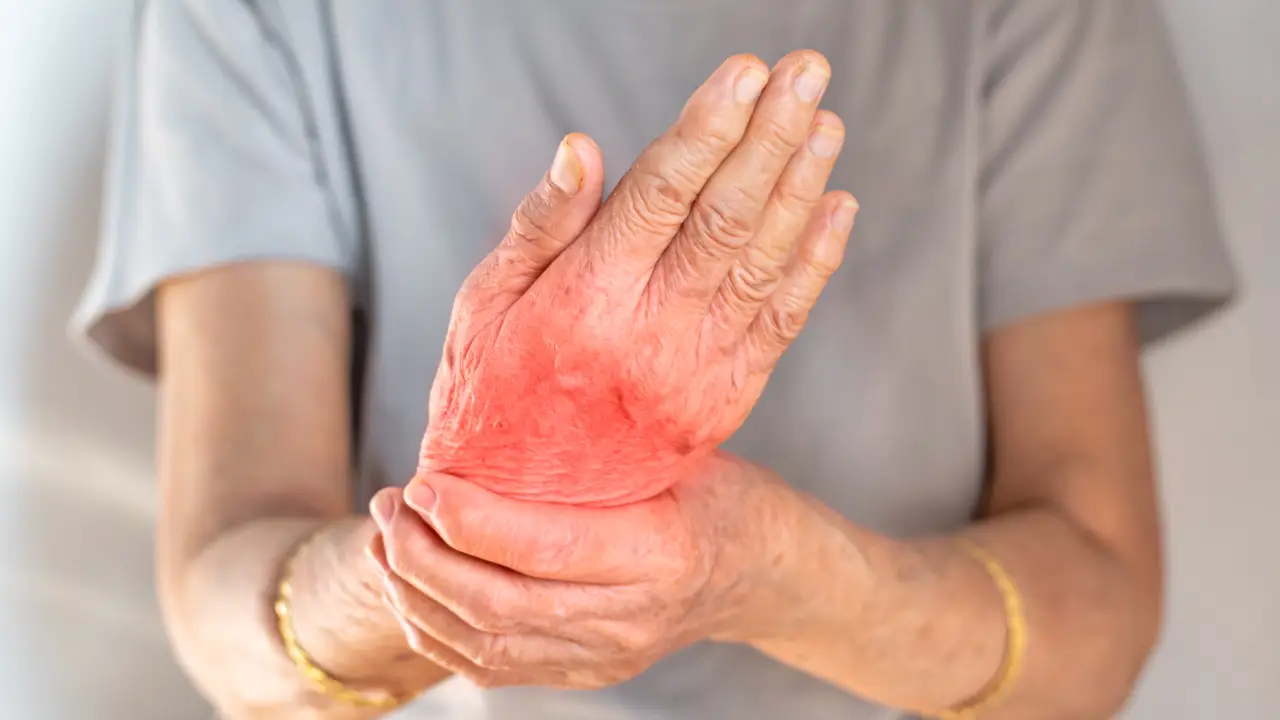
One of the most distinct features of sciatica is the pattern of pain. Those experiencing it often describe sharp, shooting pain that radiates from the lower back through the buttocks and down the leg. This pain may come on suddenly or gradually increase over time. In addition to the pain, affected individuals can experience numbness, tingling, or weakness in the leg or foot. The severity of symptoms varies widely—some people may feel only mild discomfort, while others struggle with persistent, intense pain.
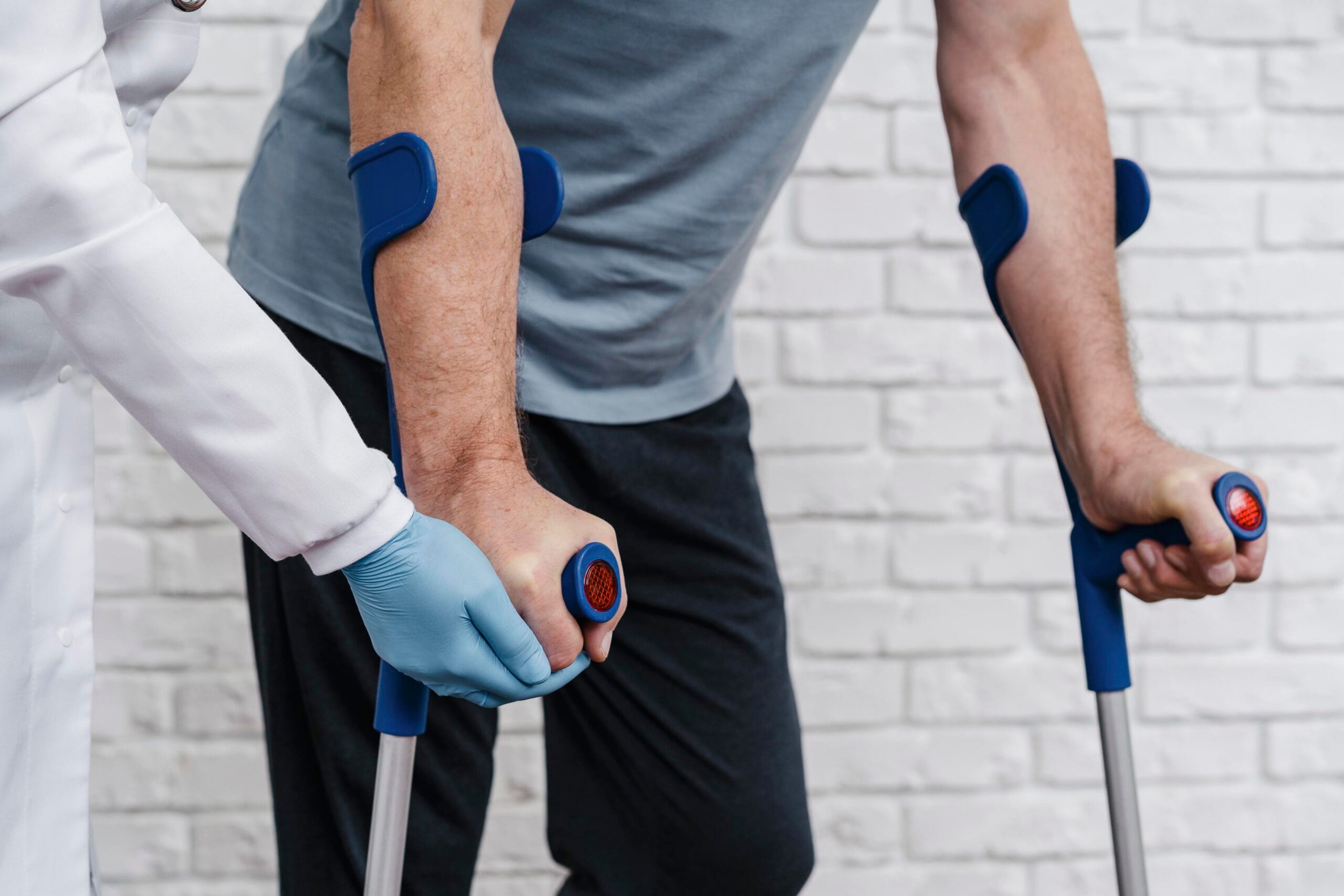
Understanding these signs is crucial because early recognition can prevent further complications. When left unaddressed, sciatica can affect Mobility and independence. Tasks such as walking, climbing stairs, or sitting for extended periods may become increasingly complex, potentially affecting work and personal life.
Conditions that put pressure on or irritate the sciatic nerve often cause sciatica. Common culprits include herniated discs, where the cushioning material between spinal bones protrudes and presses against the nerve. Another common source is spinal stenosis, a narrowing of the spinal canal that can squeeze nerves. Less commonly, trauma, tumours, or infections affecting the spine may trigger similar symptoms.
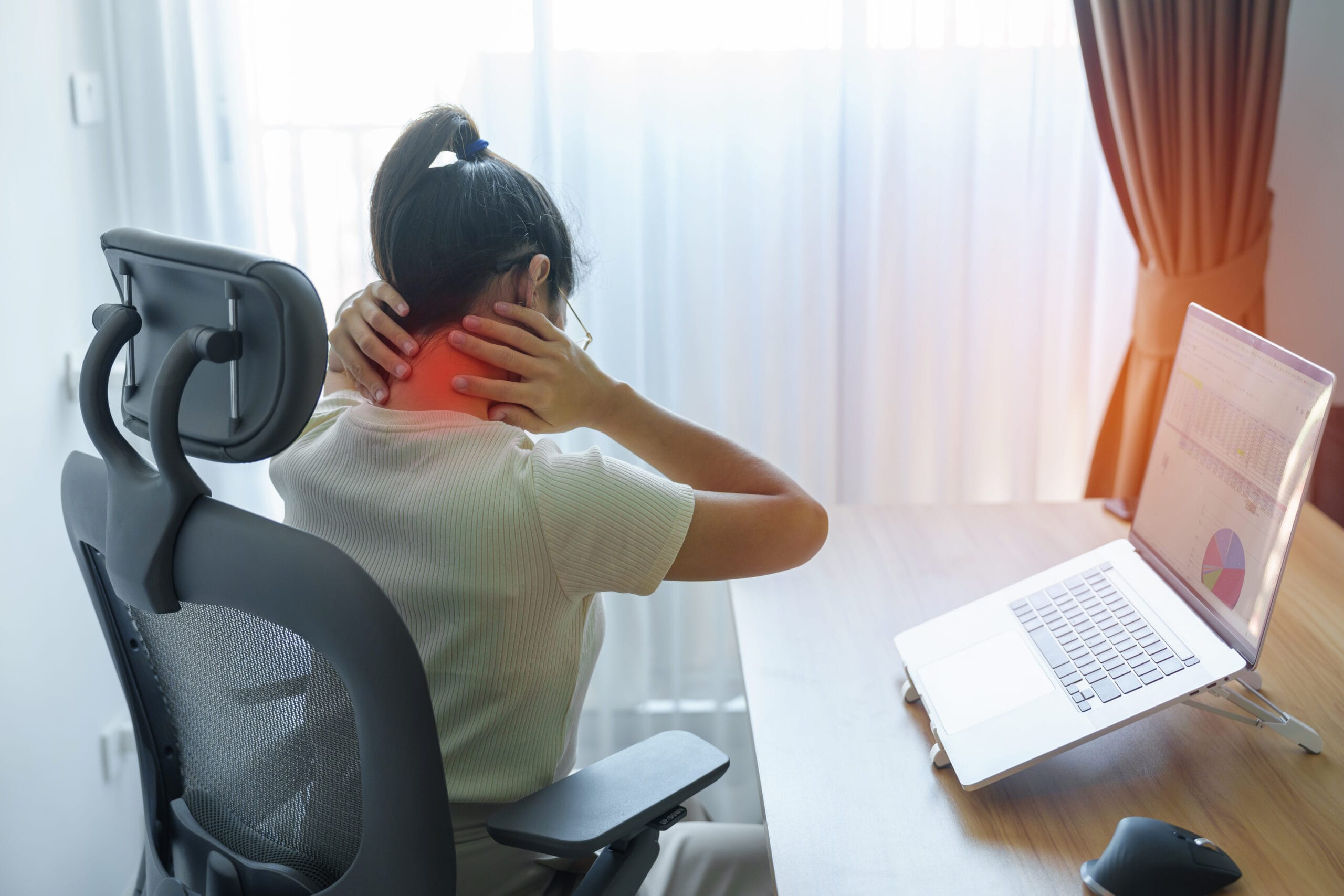
Particular lifestyle and physical factors can also contribute to sciatica or worsen symptoms. Prolonged sitting, poor Posture, or occupations involving heavy lifting can place extra strain on the lower back. Obesity can add additional pressure to the spine, and age-related wear and tear increases the risk of nerve compression. Even repetitive movements or sudden injuries can lead to episodes of sciatica.
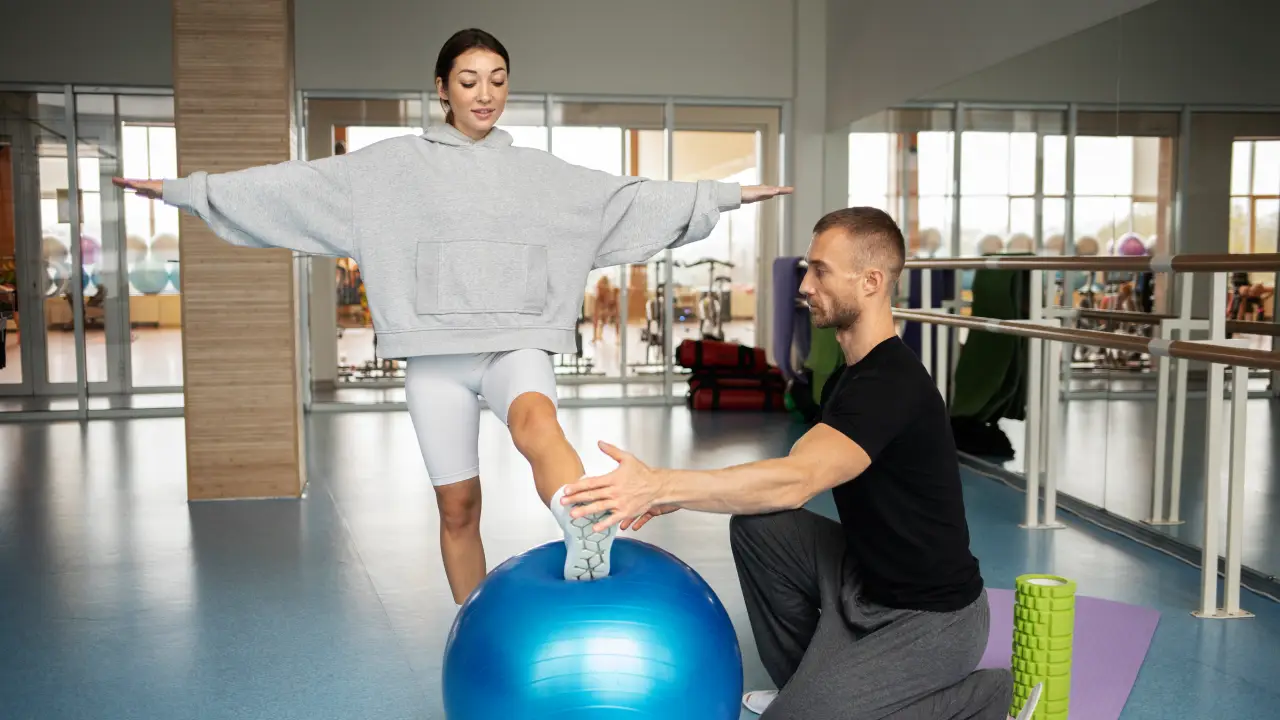
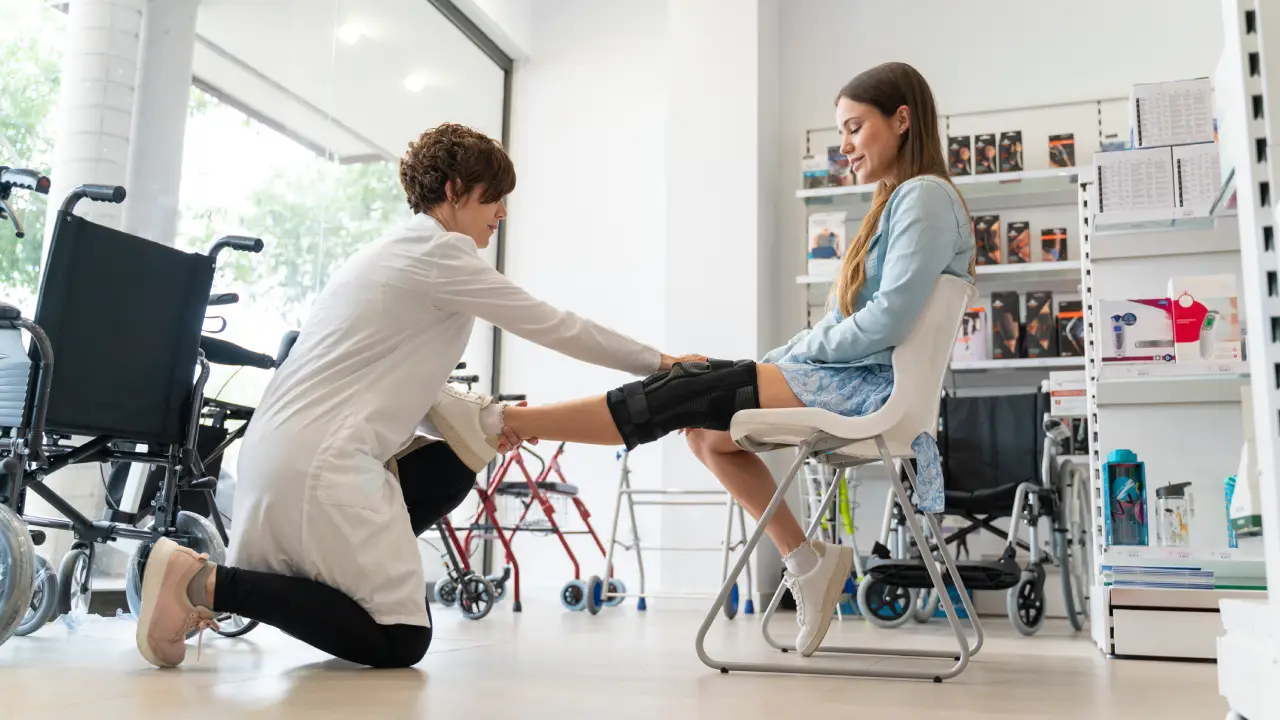
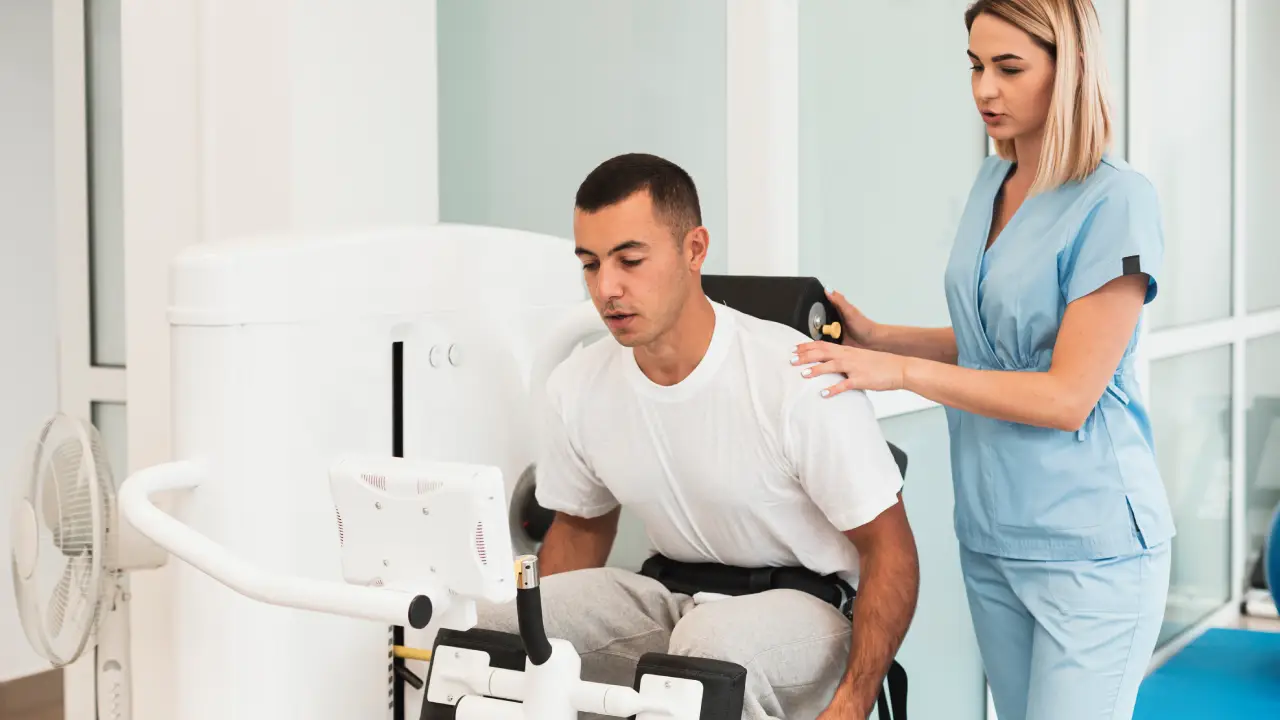
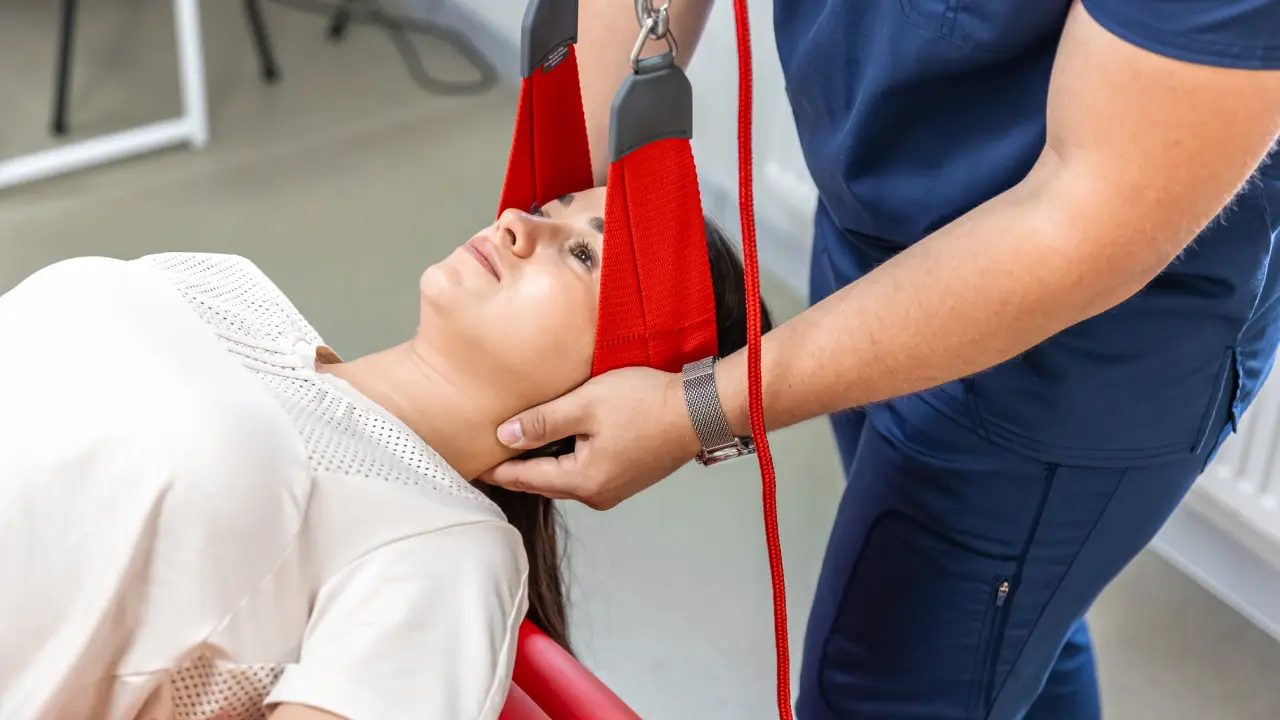
Treatment for sciatica depends on the underlying cause, the severity of the condition, and individual needs. While physiotherapy can play a role in managing symptoms and improving function, comprehensive care often includes a range of approaches:
Addressing sciatica early is vital for preventing chronic pain and functional limitations. Ignoring symptoms or delaying treatment can lead to prolonged discomfort, decreased Mobility, and potential weakness or loss of sensation in the leg. Early intervention increases the likelihood of returning to normal activities without long-term complications.
Because the causes and severity of sciatica vary, healthcare providers should customize care for each individual. They perform a thorough evaluation, including a physical assessment and, if needed, imaging studies, to identify the source of nerve compression and guide the most effective course of action. Integrating a combination of targeted exercises, pain management strategies, and lifestyle adjustments can improve outcomes and enhance quality of life.
The goal of any treatment plan is not only to alleviate pain but also to restore function and Mobility. Maintaining strength, flexibility, and Posture is critical to preventing recurrence. Education on body mechanics, lifting techniques, and ergonomic adjustments can help reduce strain on the lower back and sciatic nerve over time.
Even outside of formal treatment sessions, self-care strategies such as regular stretching, mindful Posture practices, and avoiding prolonged periods of sitting or heavy lifting play a crucial role in recovery. Consistency in these practices supports long-term comfort and helps prevent flare-ups.
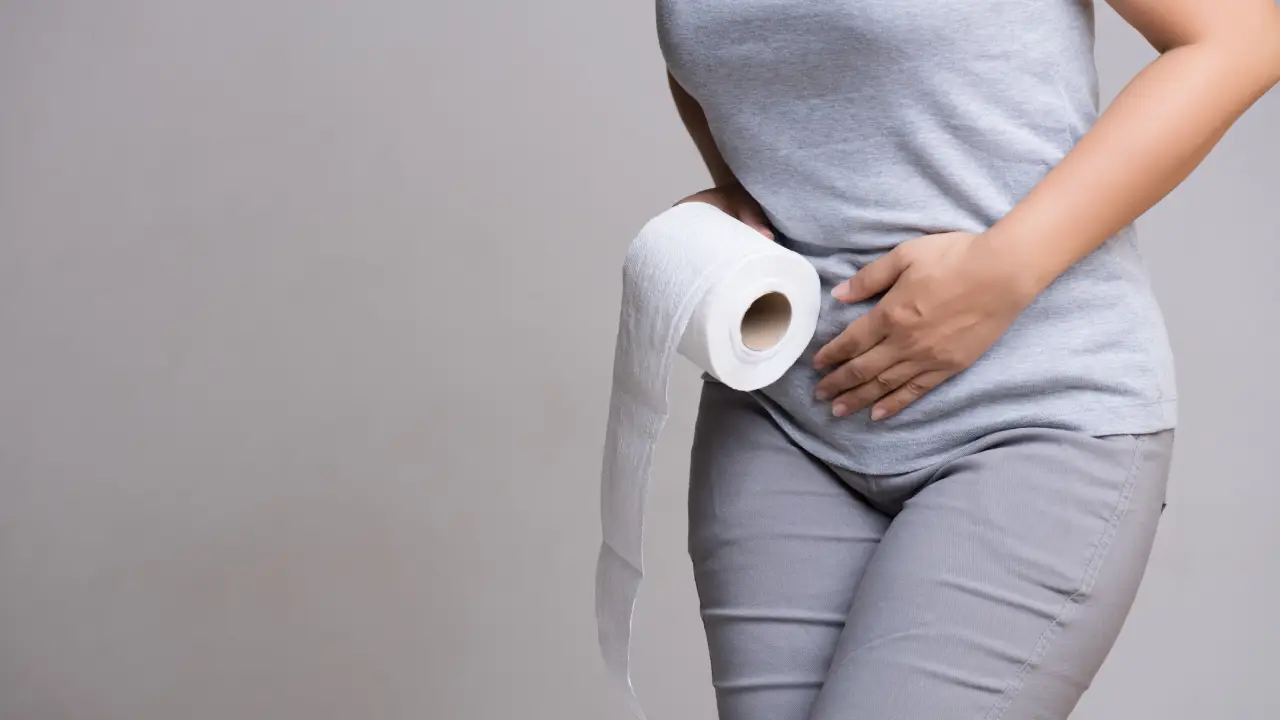
While rest and simple measures can improve some cases of sciatica, doctors recommend a medical evaluation when pain is severe, persistent, or accompanied by significant numbness, weakness, or loss of bowel or bladder control. Seeking prompt attention in these situations can help prevent further complications and allow healthcare providers to implement appropriate interventions.
Managing sciatica involves a combination of careful assessment, targeted interventions, and ongoing strategies to protect spinal health. Each approach aims to reduce nerve irritation, alleviate discomfort, and restore standard movement patterns. The goal is to maintain a balanced lifestyle while minimizing the impact of nerve-related pain on everyday activities.
At Assure Physio & Rehab, our clinic focuses on identifying the underlying factors contributing to sciatica and creating an effective, multi-faceted plan to address them. Whether it involves gentle exercise, lifestyle modifications, or other medical interventions, the focus is always on regaining Mobility and comfort in daily life.
If you’re experiencing lower back or leg pain that may be related to sciatica, don’t wait for it to worsen. Contact our clinic today to schedule an assessment and begin a path toward reduced pain and improved function.
Copyright © Assure Physio & Rehab. All Rights Reserved | Privacy Policy | Terms Of Use
Designed & Developed By Convirzon
 Optimized by Seraphinite Accelerator