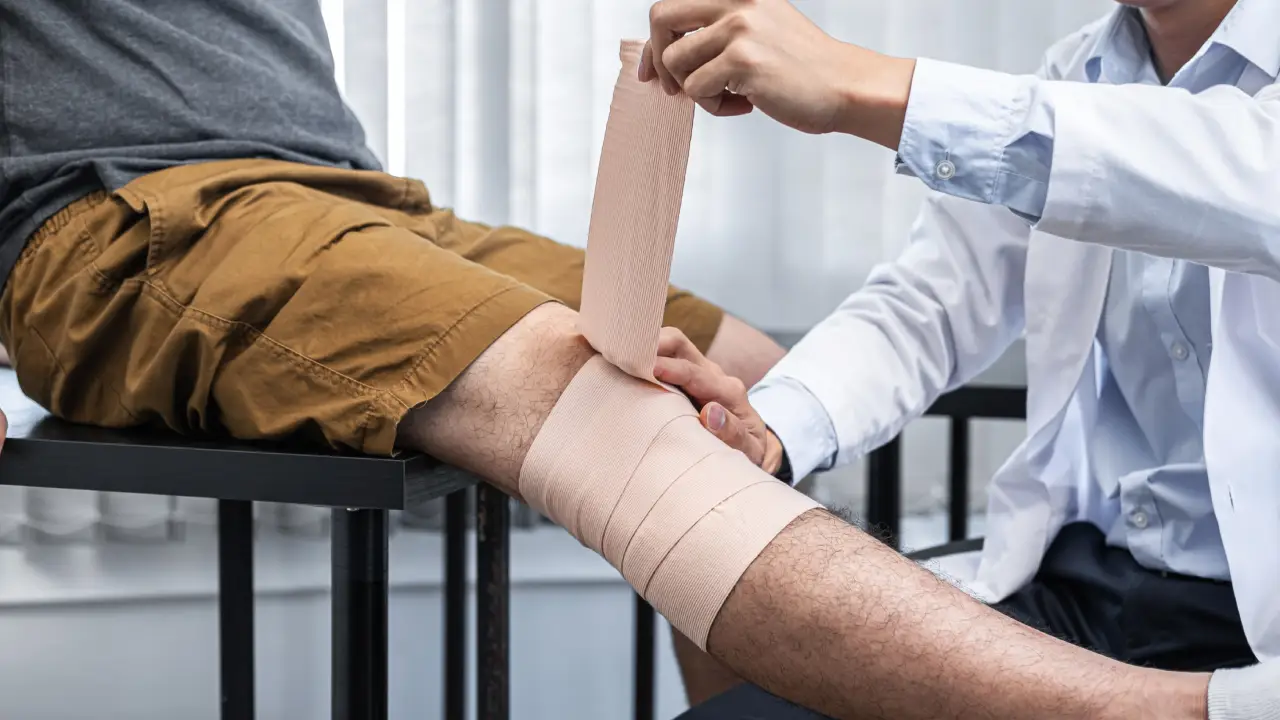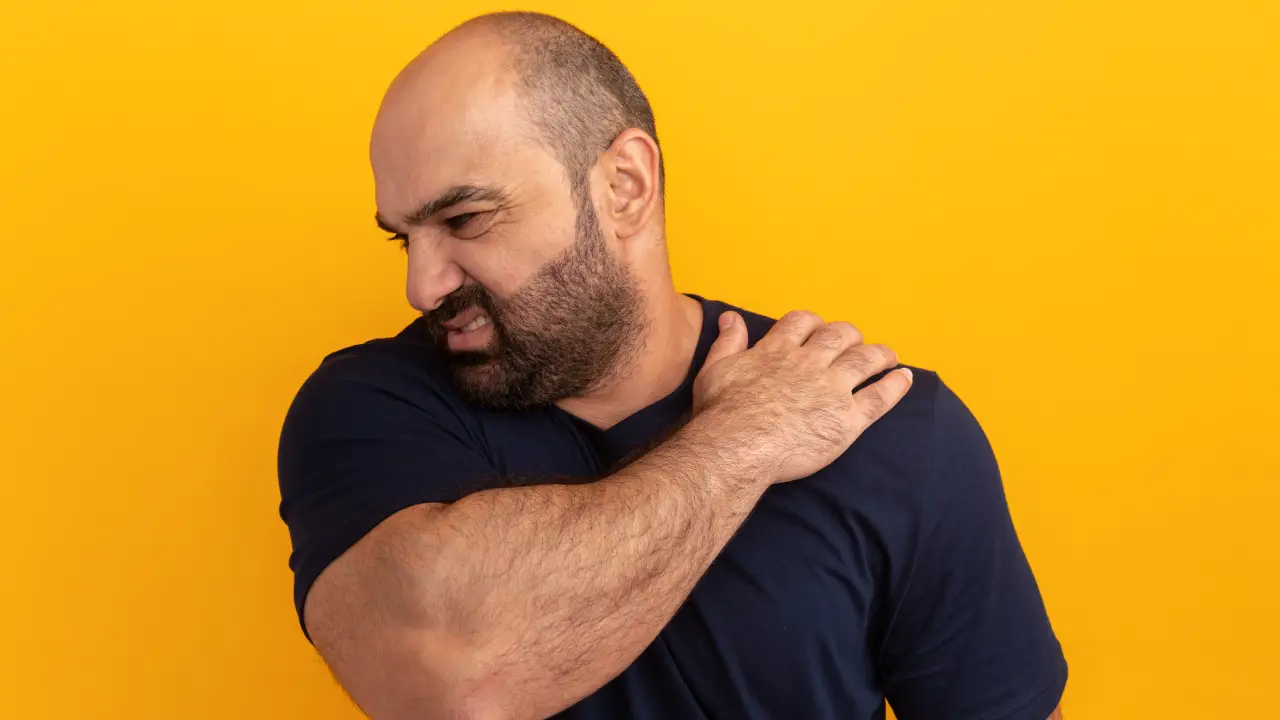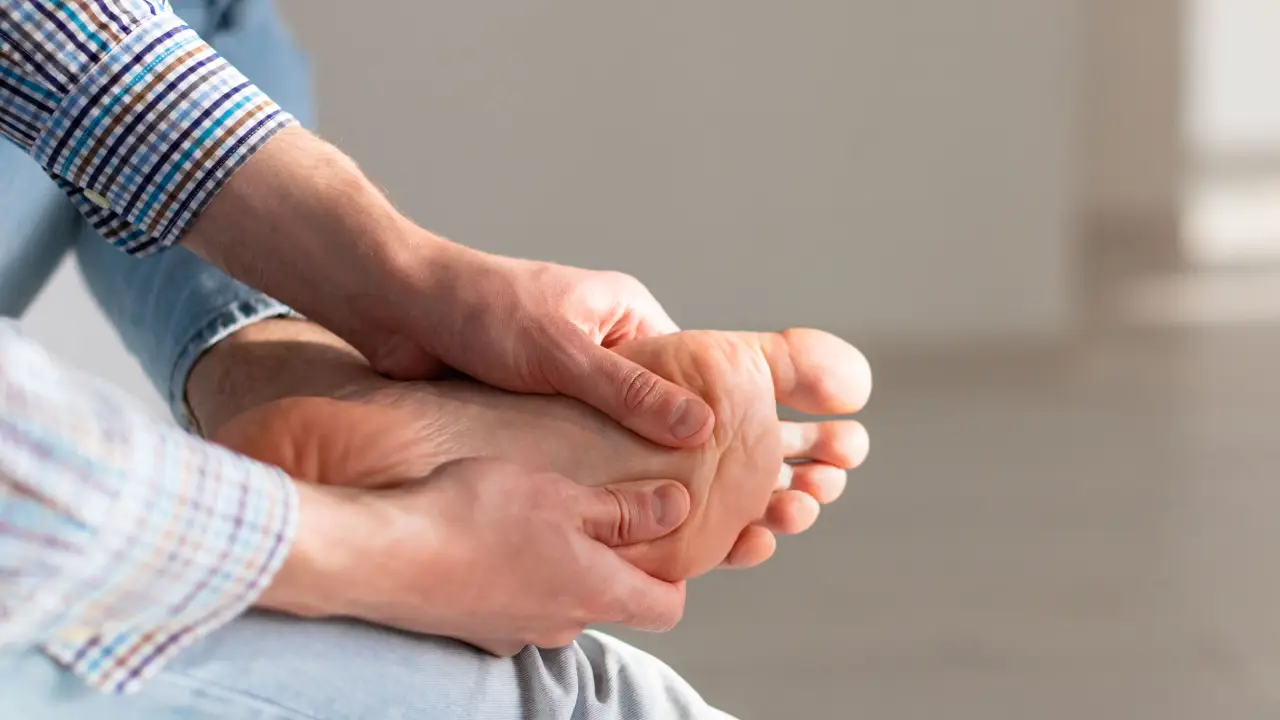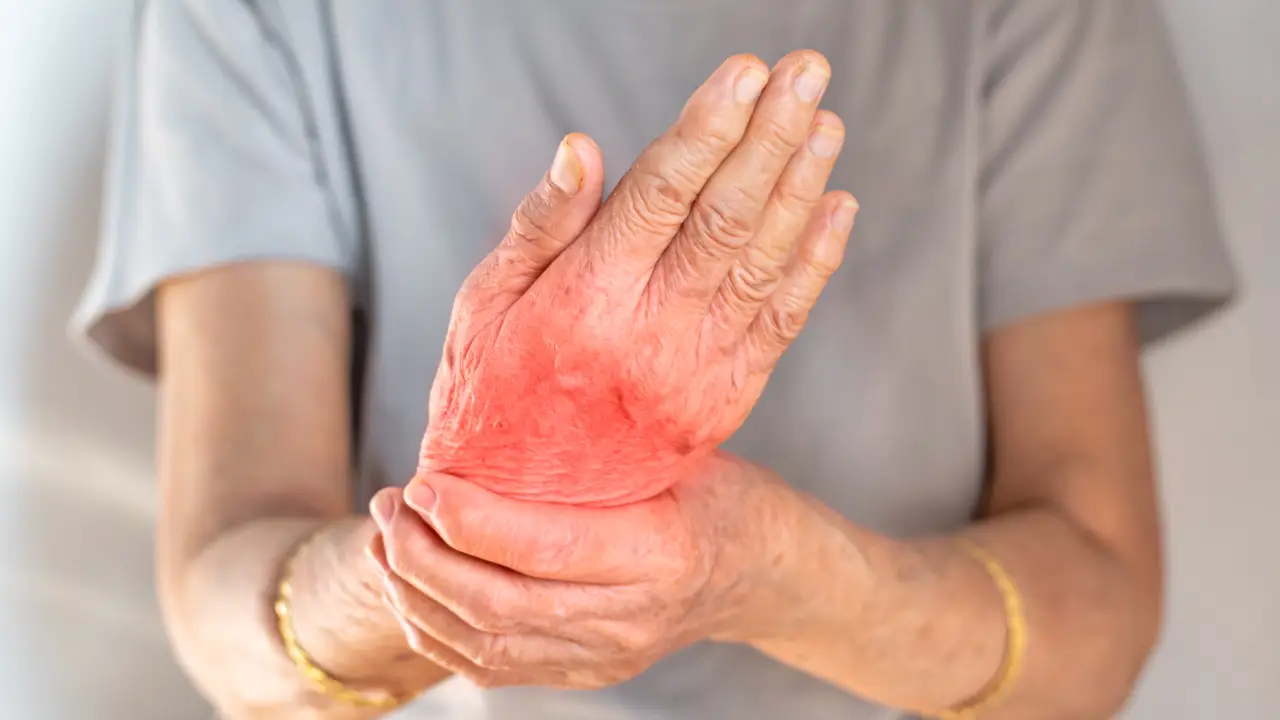

At our clinic, we address musculoskeletal conditions that impact daily life and physical activity. Two common issues patients often face are bursitis and tendinitis. These conditions can affect anyone, from athletes to those with repetitive job-related movements, and even individuals experiencing age-related joint changes.
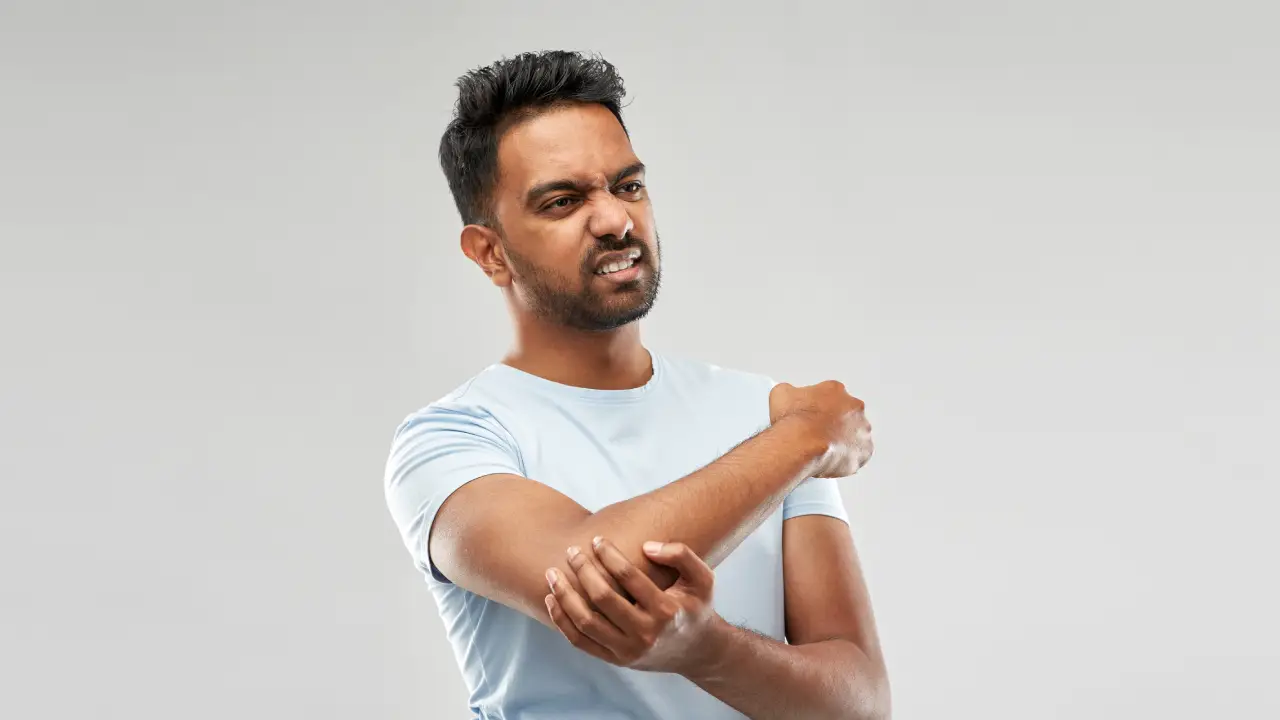
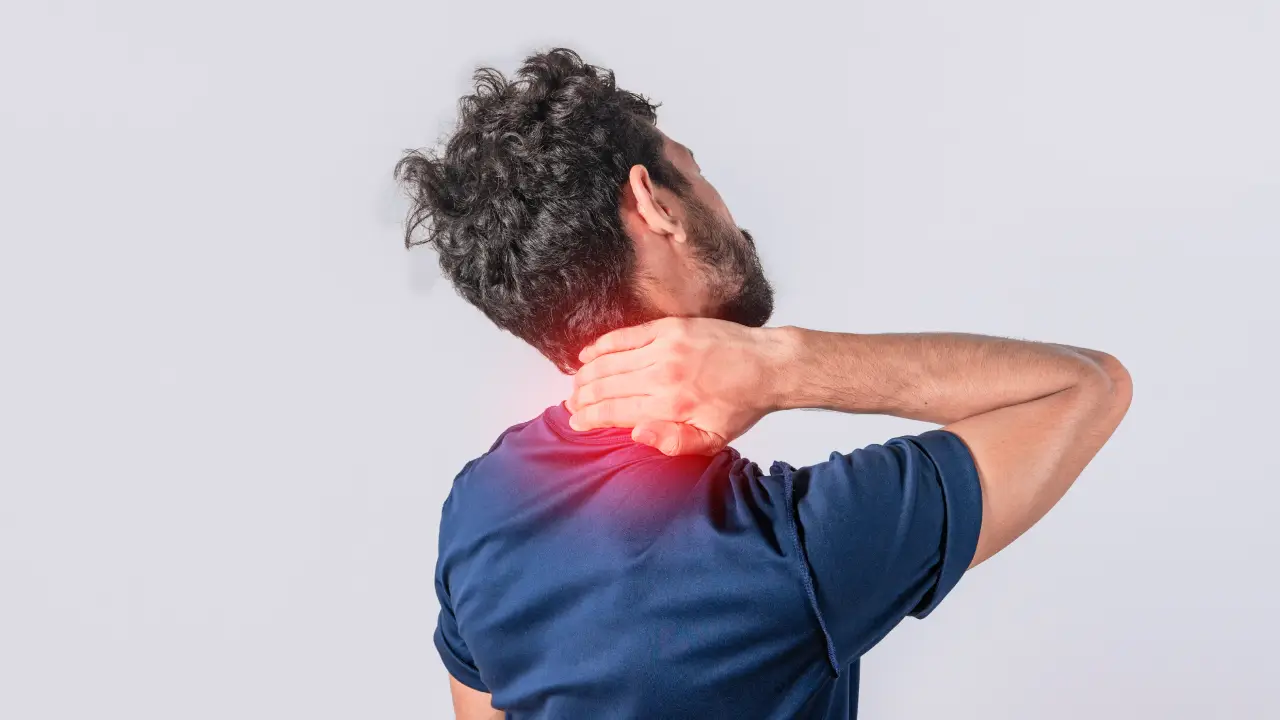
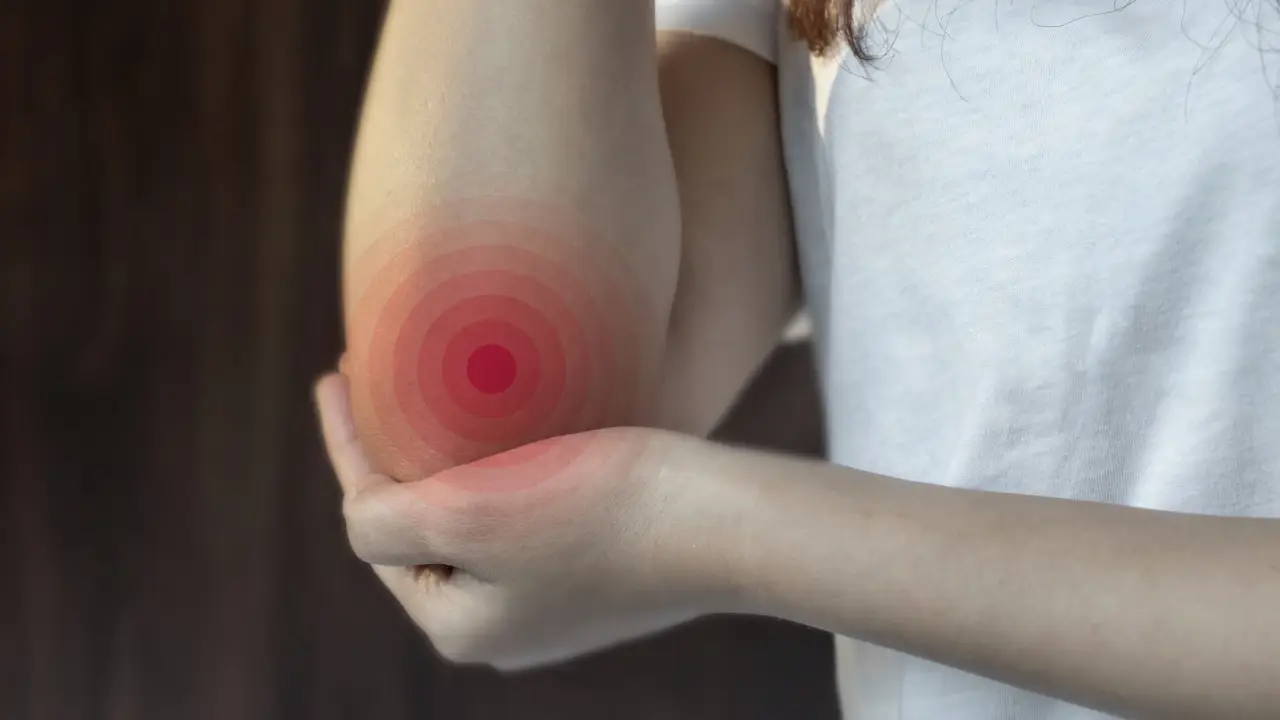
Bursitis occurs when the small, fluid-filled sacs called bursae, which cushion the joints, become inflamed. These sacs act as shock absorbers between bones, tendons, and muscles. When they swell, they can cause pain and limited Mobility. The condition commonly affects joints that people use heavily, such as the shoulders, elbows, hips, and knees.
Symptoms of bursitis typically include:
Bursitis can result from repetitive movements, sudden injuries, or prolonged pressure on a joint. Over time, if the inflammation is left untreated, it can become chronic. Chronic bursitis can cause persistent pain, making simple daily activities, such as climbing stairs or lifting objects, challenging.
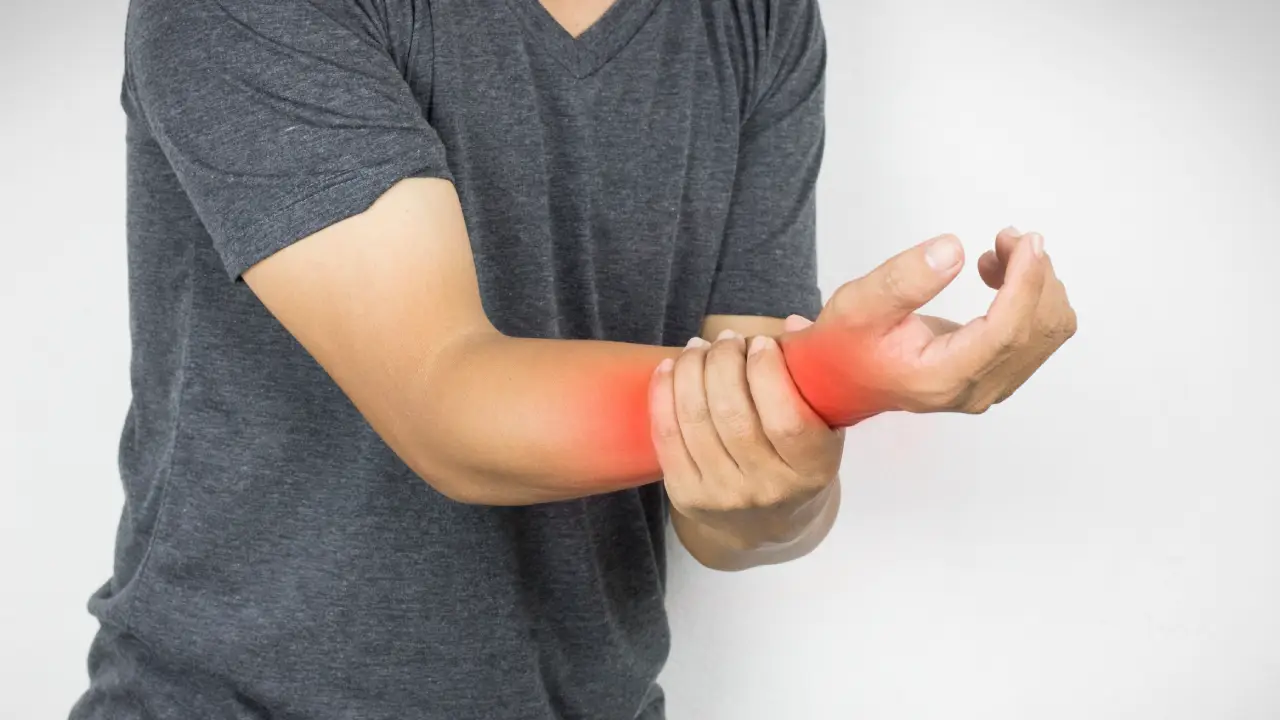
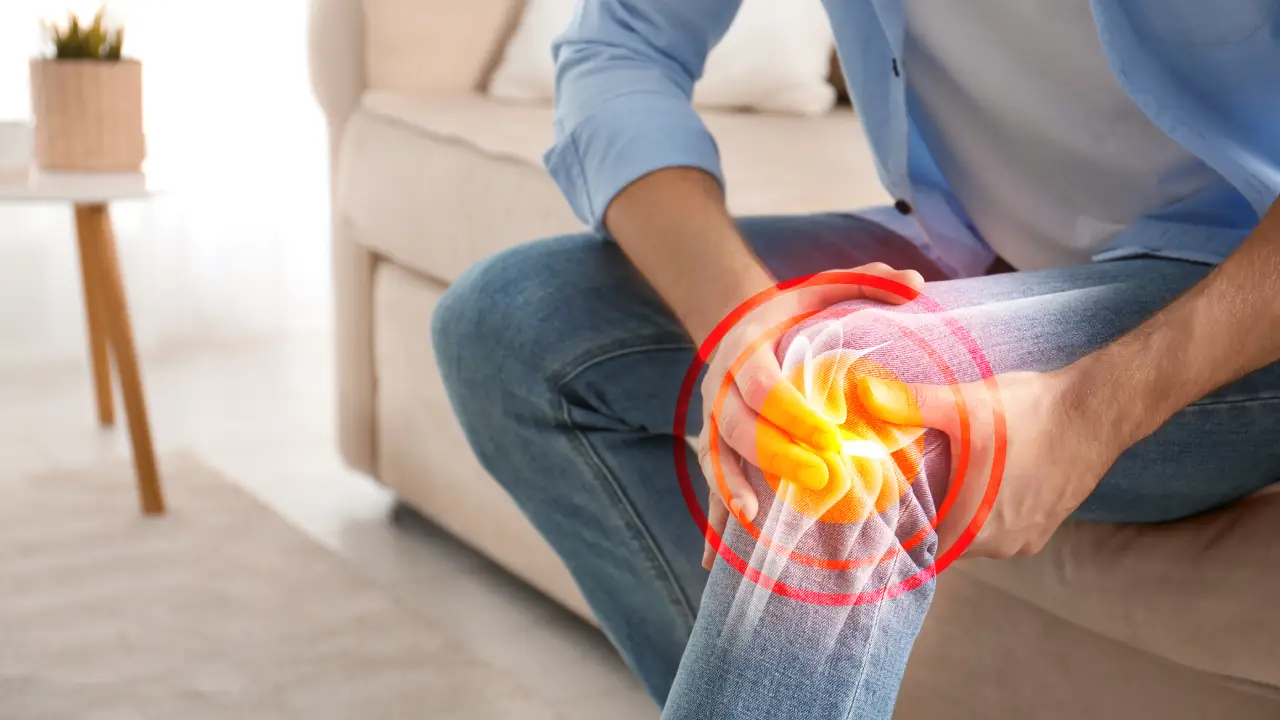
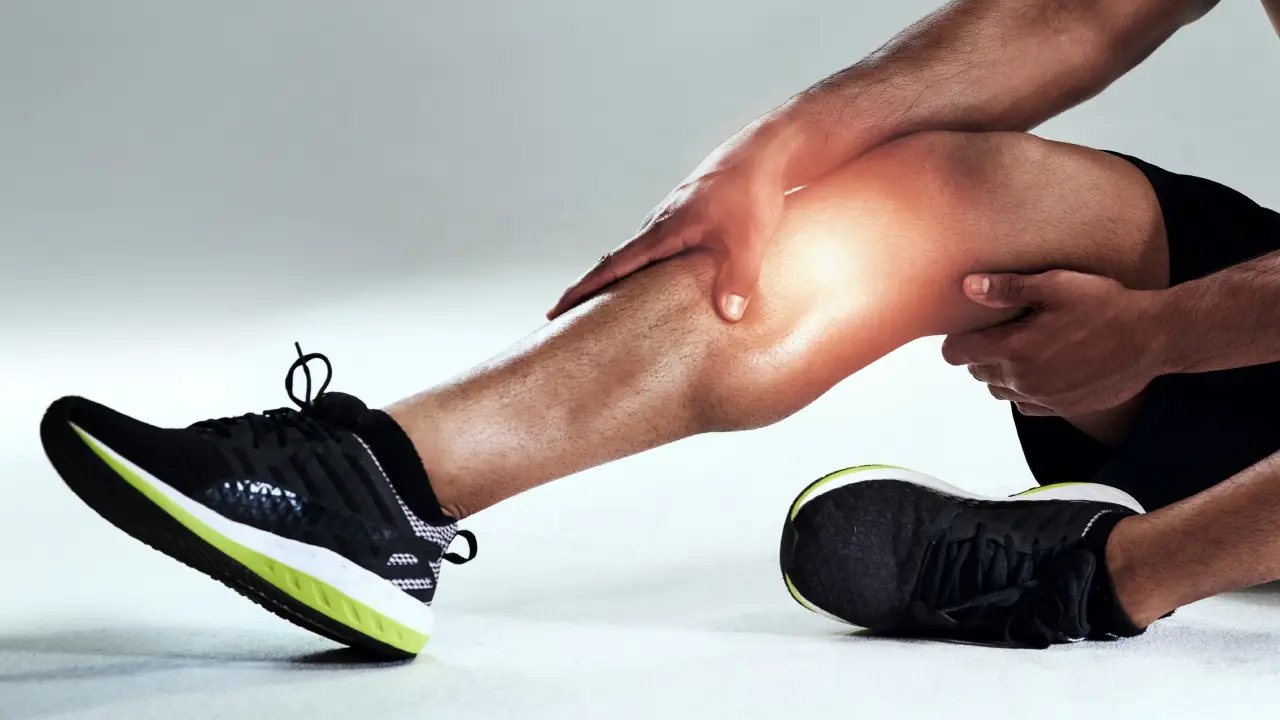
Tendinitis is the inflammation of tendons, the thick bands connecting muscles to bones. Tendons can develop this condition, but it most commonly affects the shoulders, elbows, wrists, knees, and heels. Tendinitis often develops gradually due to repetitive strain, overuse, or age-related wear and tear on the tendons.
Common signs of tendinitis include:
Left untreated, tendinitis can lead to micro-tears in the tendon, reduced flexibility, and persistent discomfort. Severe cases can significantly limit daily function and make physical activity challenging, sometimes necessitating surgical intervention.
Both bursitis and tendinitis share several risk factors. Repetitive activities, such as painting, typing, lifting, or sports like tennis and running, can increase the risk of injury. Poor Posture, inadequate warm-up before exercise, and muscle imbalances also contribute. Age-related wear and tear can make joints and tendons more susceptible to inflammation. Additionally, underlying medical conditions such as arthritis or diabetes may increase the likelihood of developing these conditions.
Accurate diagnosis is crucial in preventing complications. Our clinic evaluates each patient using a combination of medical history review, physical assessment, and imaging when necessary. This approach helps identify the precise location and severity of inflammation, distinguish between bursitis and tendinitis, and rule out other conditions such as ligament injuries or joint degeneration.
Managing bursitis and tendinitis involves addressing inflammation, relieving pain, and restoring joint function. Our clinic provides a comprehensive approach tailored to each individual.
Reducing or modifying activities that aggravate the joint is often the first step. For example, avoiding repetitive overhead motions can relieve shoulder bursitis symptoms, while adjusting running techniques may help with knee tendinitis.
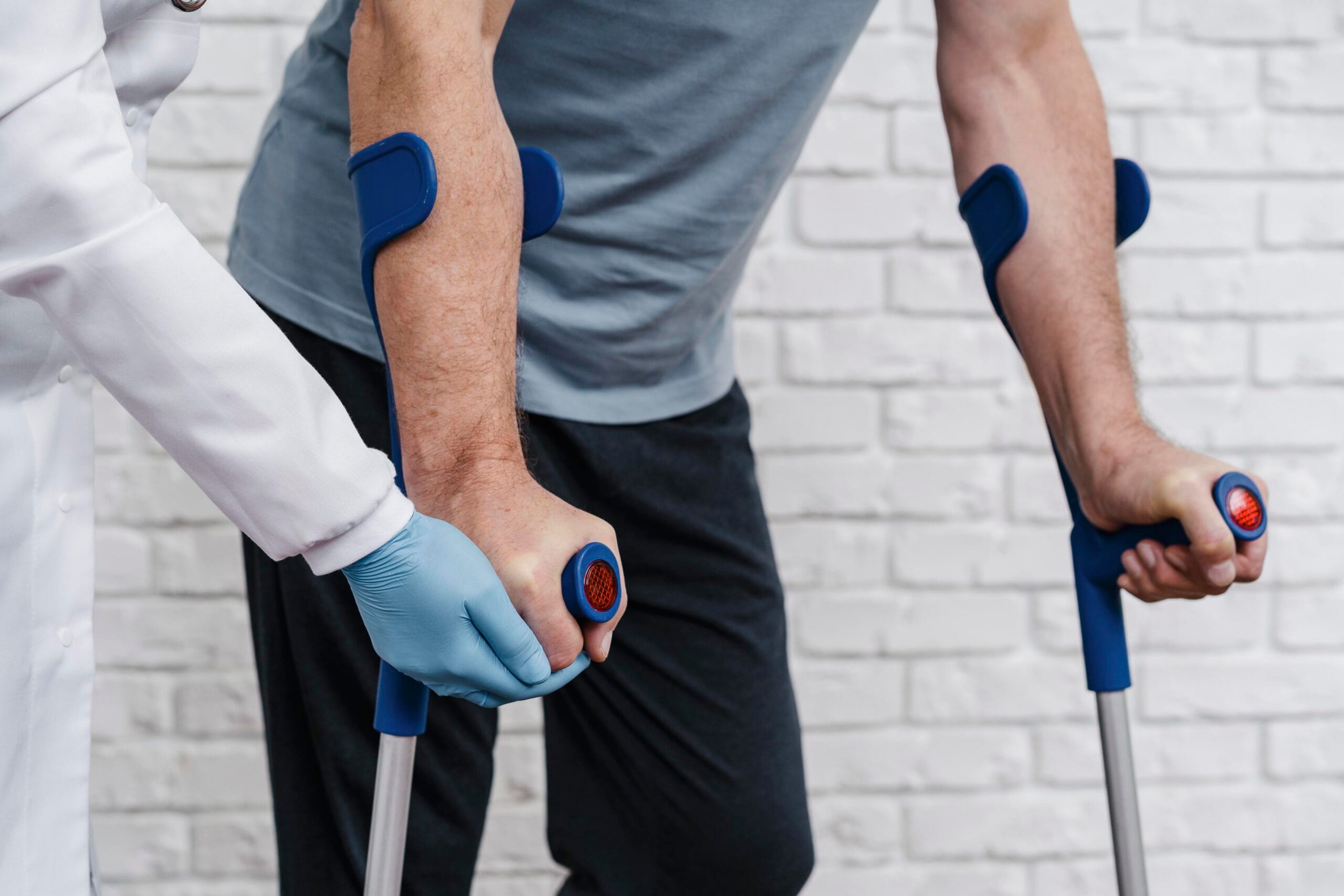
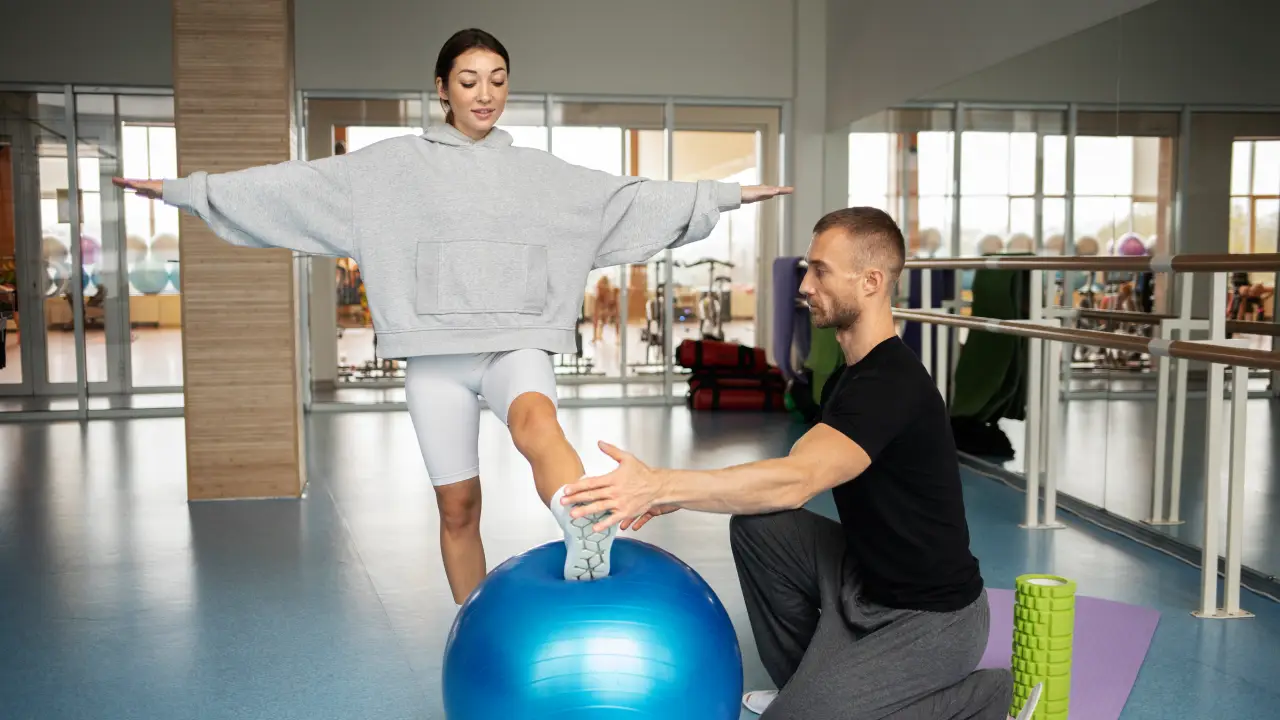
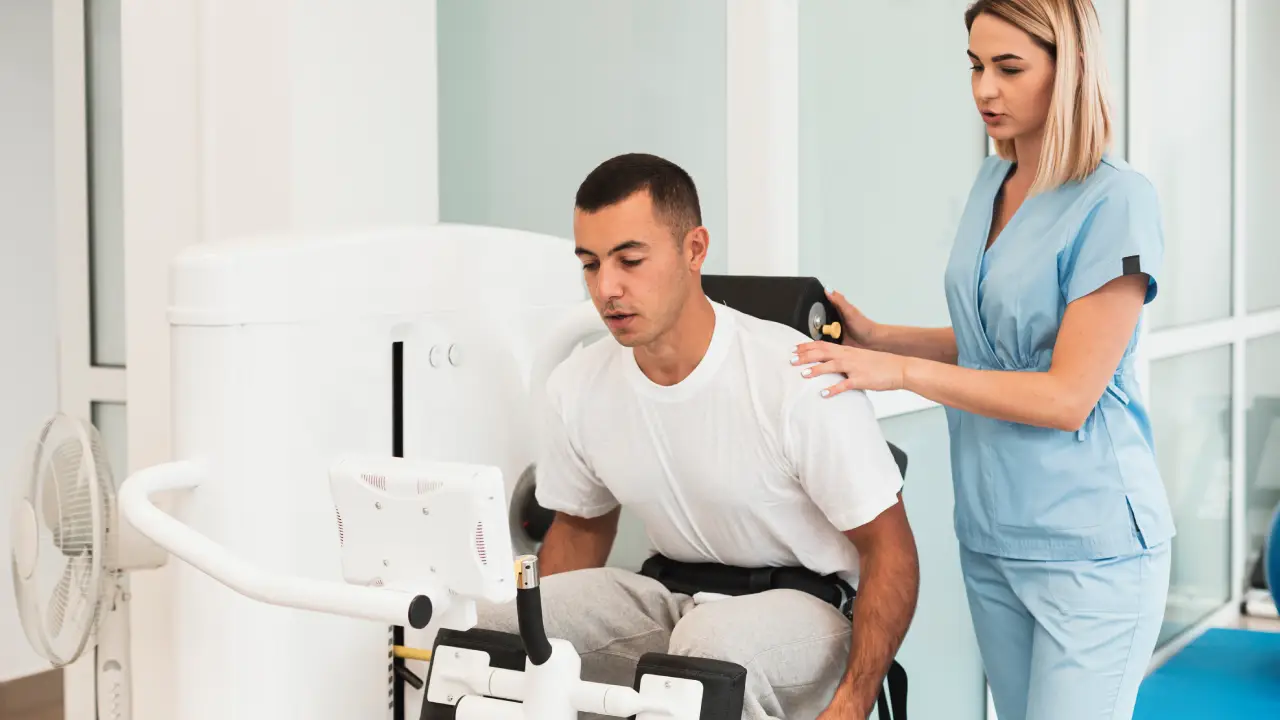
Gentle stretching and strengthening exercises help support the surrounding muscles and improve joint stability. This approach prevents further strain on the tendons and bursae while promoting recovery. Exercises may include range-of-motion movements, resistance band exercises, or low-impact activities such as swimming and cycling.
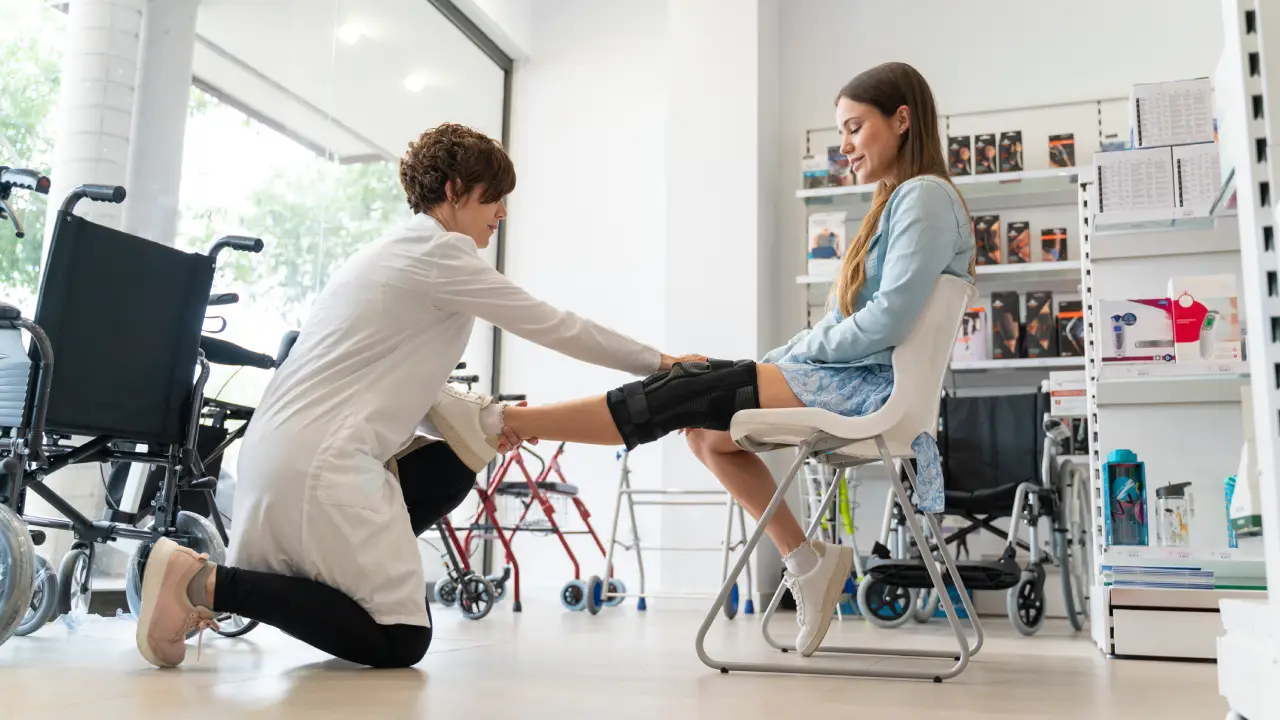
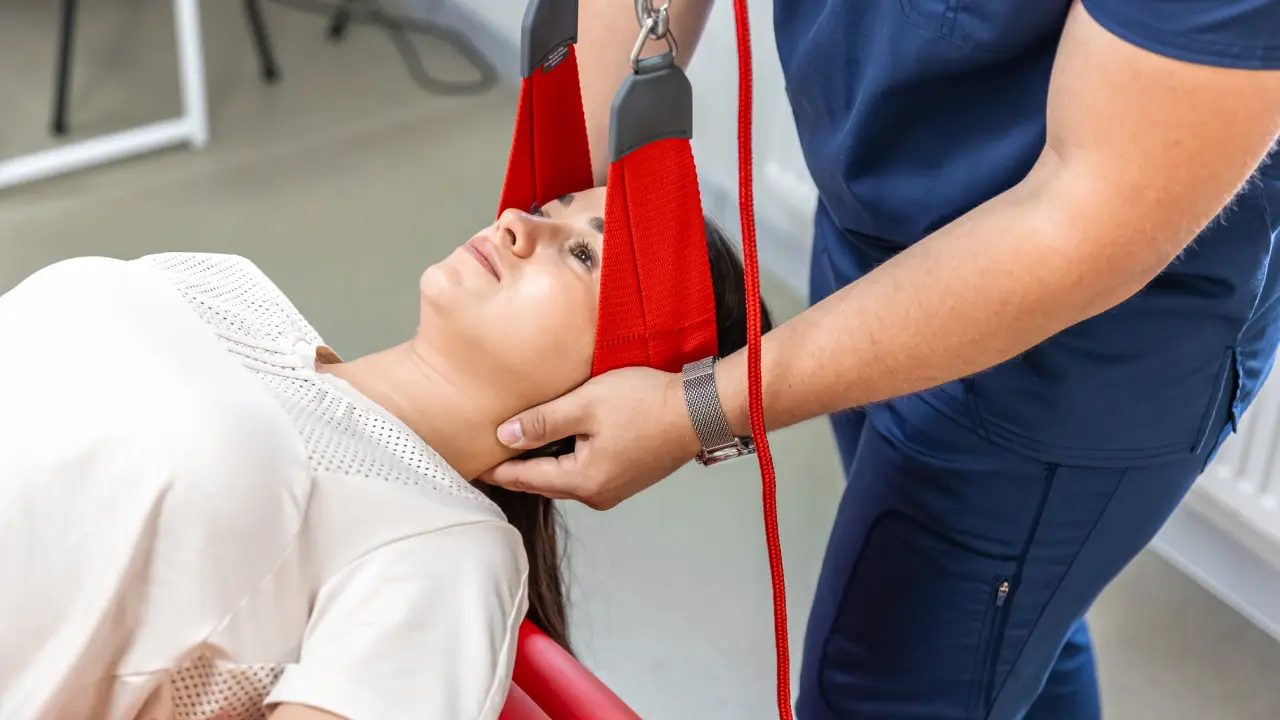
Hands-on techniques, including joint mobilization and soft tissue work, help reduce tension in surrounding muscles, increase circulation, and support tissue healing. This can also improve movement and decrease discomfort during daily activities.
In some cases, doctors may use anti-inflammatory medications, cold compresses, or other modalities to manage symptoms. These treatments aim to reduce swelling, alleviate pain, and facilitate joint recovery.
Preventing recurrence is just as important as treating the current flare-up. Our clinic focuses on correcting movement patterns, strengthening supporting muscles, and educating patients on joint protection techniques to promote overall health and wellbeing. Incorporating these strategies into daily life helps maintain joint health and reduces the risk of future inflammation.
Early intervention often results in better outcomes. Seek professional guidance if you notice:
Ignoring symptoms can lead to chronic issues, decreased Mobility, and compensatory injuries in other joints or muscles. Prompt care helps manage inflammation, restore function, and prevent complications.
While these conditions can temporarily limit activity, proper management can help patients return to their regular routines. Combining activity modifications, therapeutic exercises, manual therapy, and lifestyle adjustments provides the most effective path to recovery. Patients often report gradual improvements in pain, flexibility, and overall joint function when adhering to a structured program.
At our clinic, we design care plans to address both the immediate inflammation and the factors that contribute to long-term joint health and wellbeing. By targeting the root causes of bursitis and tendinitis, patients can experience improved movement and reduced risk of recurrence.
Bursitis and tendinitis can affect anyone, but with timely care and a structured approach, most people regain function and reduce pain. Our team provides personalized care plans, guides patients on safe exercises, and teaches strategies to protect joints during daily and recreational activities.
If joint pain or stiffness is limiting your lifestyle, contact Assure Physio & Rehab today. Our team is ready to help assess your condition and create a program to support your recovery and Mobility.
Copyright © Assure Physio & Rehab. All Rights Reserved | Privacy Policy | Terms Of Use
Designed & Developed By Convirzon
 Optimized by Seraphinite Accelerator