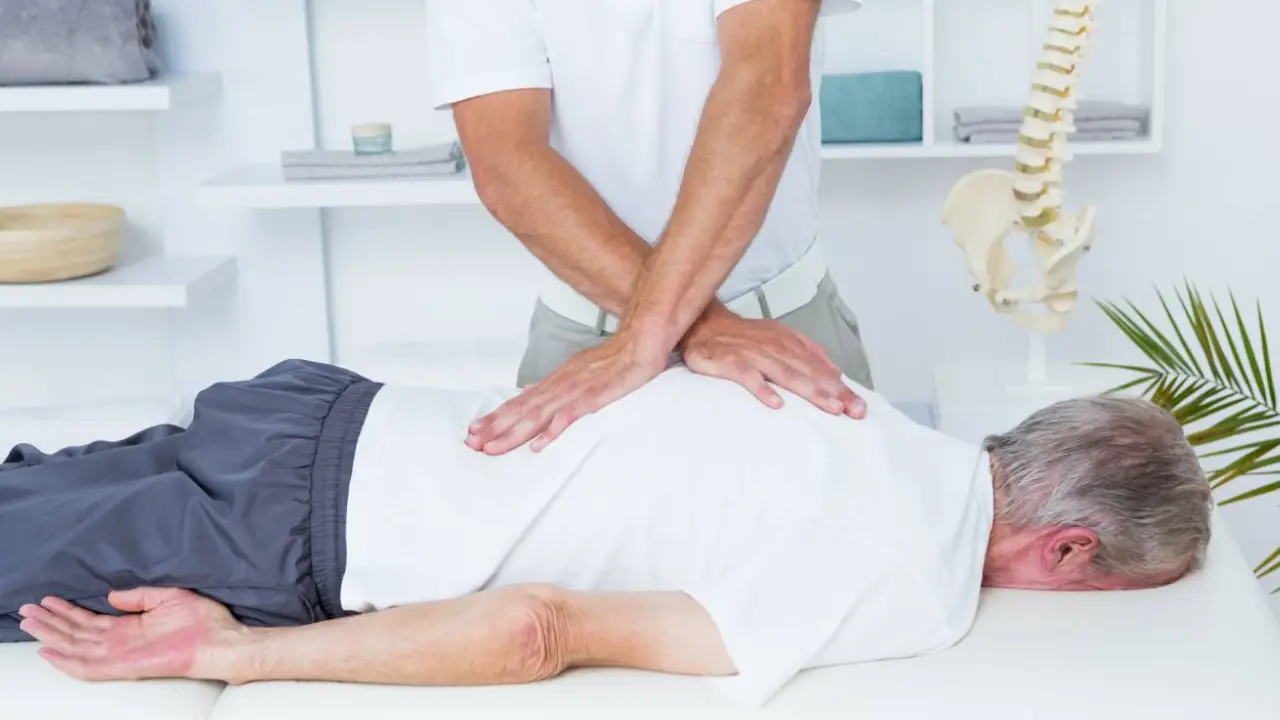


Massage therapy is a healthcare practice that focuses on easing muscle tension, reducing discomfort, and enhancing physical function. Using hands-on techniques, targeted movements, and guided routines, massage therapists help people recover from injuries, manage muscular strain, and improve overall body wellness.
Our clinic provides massage therapy services that assess and address issues related to muscles, soft tissues, and circulation. Whether you are dealing with muscle stiffness, soreness from physical activity, or recovering from a minor injury, massage therapy provides Relief and helps you move with greater comfort.
Massage therapists design therapy sessions to:
Each session in our clinic is tailored to the individual’s needs, ensuring the approach aligns with personal health concerns and therapy objectives.
Your massage therapist structures each session around your specific needs. No two appointments are the same, as every plan considers your current condition, lifestyle, and goals. Here’s an overview of a typical session:
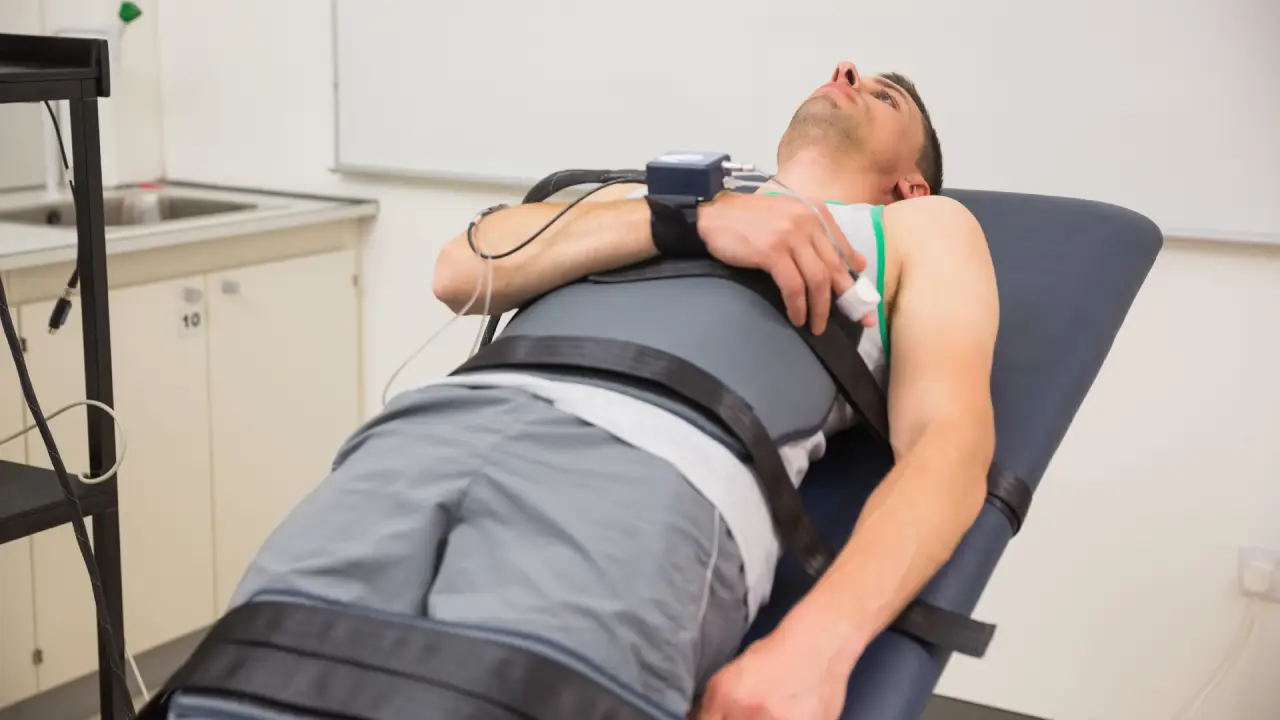
The first visit starts with a detailed discussion about your health background, muscle concerns, and lifestyle habits. The therapist evaluates posture, range of motion, and muscle tone to understand tension points and areas that need focused attention. This assessment helps guide a therapy plan tailored to your specific situation.
After evaluation, the therapist explains findings and outlines a therapy plan. Together, you set practical objectives, such as easing tight muscles, improving flexibility, or supporting recovery after an injury. This collaborative planning ensures the therapy is targeted and effective.
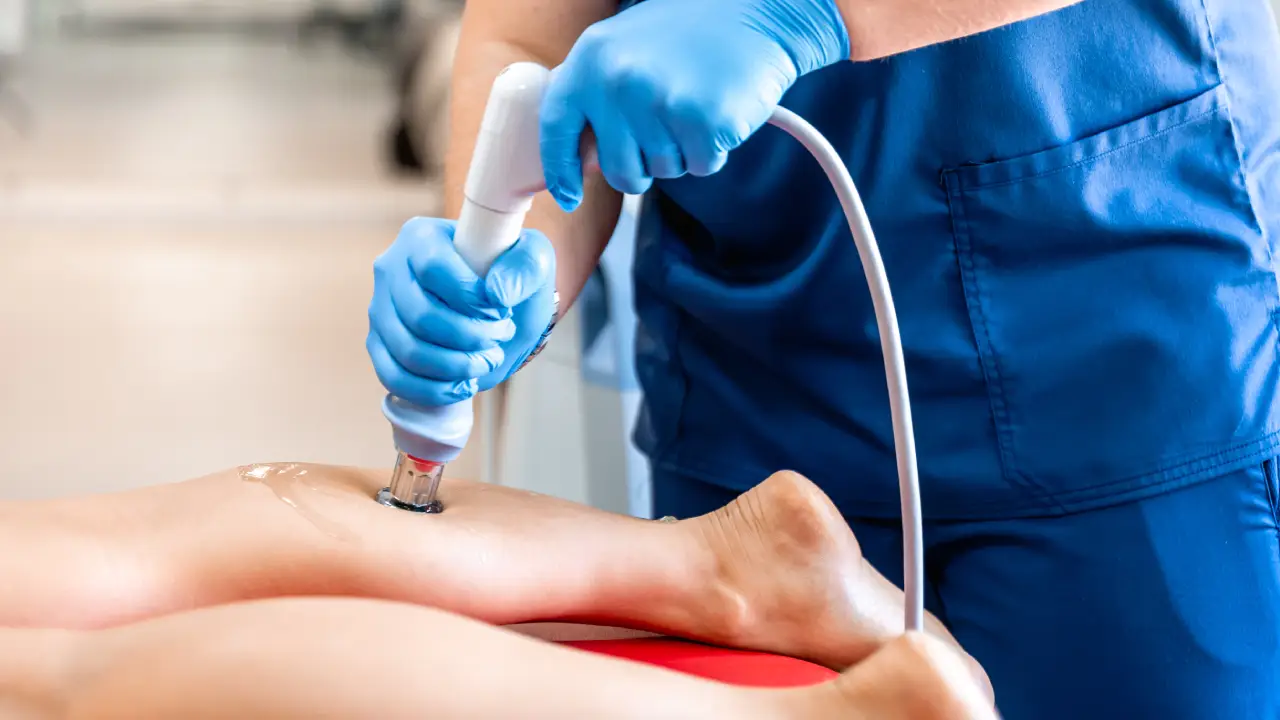
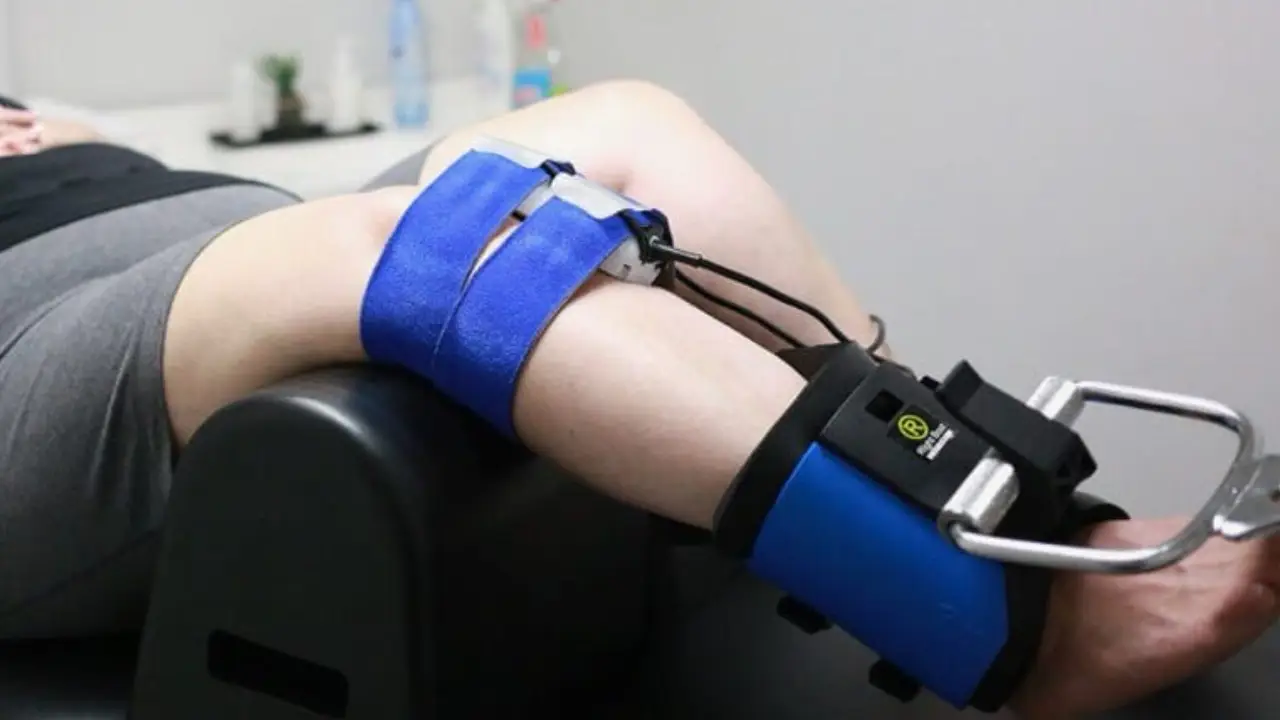
Massage therapy may include a combination of techniques, depending on your needs:
Therapy is often scheduled over multiple sessions to maximize benefits. Follow-up appointments allow the therapist to monitor progress, adjust techniques, and refine the plan to suit evolving needs. Over time, clients gain tools to maintain muscle health and manage tension independently.
Massage therapy helps with a variety of concerns, including:
By addressing these concerns, massage therapy can improve both comfort and overall physical function.
Massage therapy goes beyond immediate relaxation and muscle care. With consistent sessions, individuals may experience:
People often compare massage therapy to physiotherapy or chiropractic care. While these practices may overlap, each focuses on different outcomes:
Each approach has its purpose, and in some cases, they work together. Massage therapy stands out for its hands-on focus on soft tissue care and muscular wellness.
Suppose you experience muscle stiffness, tension, or soreness from daily activity or recovery. In such cases, massage therapy provides practical strategies to alleviate discomfort and promote comfort. Through tailored, hands-on techniques and guided routines, massage therapy supports improved movement and physical wellbeing.
Schedule your first massage therapy session at our clinic today to begin your path toward improved comfort and movement.
During your first session, the therapist will ask about your health history, lifestyle, and any areas of discomfort. They will evaluate muscle tone, range of motion, and posture before designing a session plan that addresses your specific needs. You will receive a combination of hands-on techniques and guided stretches aimed at easing tension and improving mobility.
The frequency depends on your goals and current condition. Some individuals benefit from weekly sessions for ongoing muscle care. In contrast, others may schedule sessions as needed to recover from physical activity or alleviate specific muscle tension. Your therapist can recommend a schedule based on your evaluation.
Yes. Massage therapy targets tight muscles, trigger points, and circulation issues, which often contribute to ongoing muscle discomfort. Consistent sessions can help reduce tension, improve flexibility, and support recovery, easing the impact of chronic muscle pain on daily activities.
Massage therapy can support recovery when performed safely and under the guidance of a professional. Therapists adjust techniques to accommodate healing tissues, working to reduce stiffness, improve circulation, and promote gentle movement. Always consult your healthcare provider if you are recovering from major Surgery or severe injury.
Massage therapy is generally safe for most people. Some individuals may experience mild soreness or fatigue after a session, which typically resolves within one to two days. Therapists take precautions to avoid aggravating injuries or medical conditions, so sharing your health history and concerns is essential before treatment.
If you require urgent assistance, our team is here to respond quickly and guide you toward the care you need. Don’t hesitate to reach out—help is just a call away.
Book Now
Copyright © Assure Physio & Rehab. All Rights Reserved | Privacy Policy | Terms Of Use
Designed & Developed By Convirzon
 Optimized by Seraphinite Accelerator