

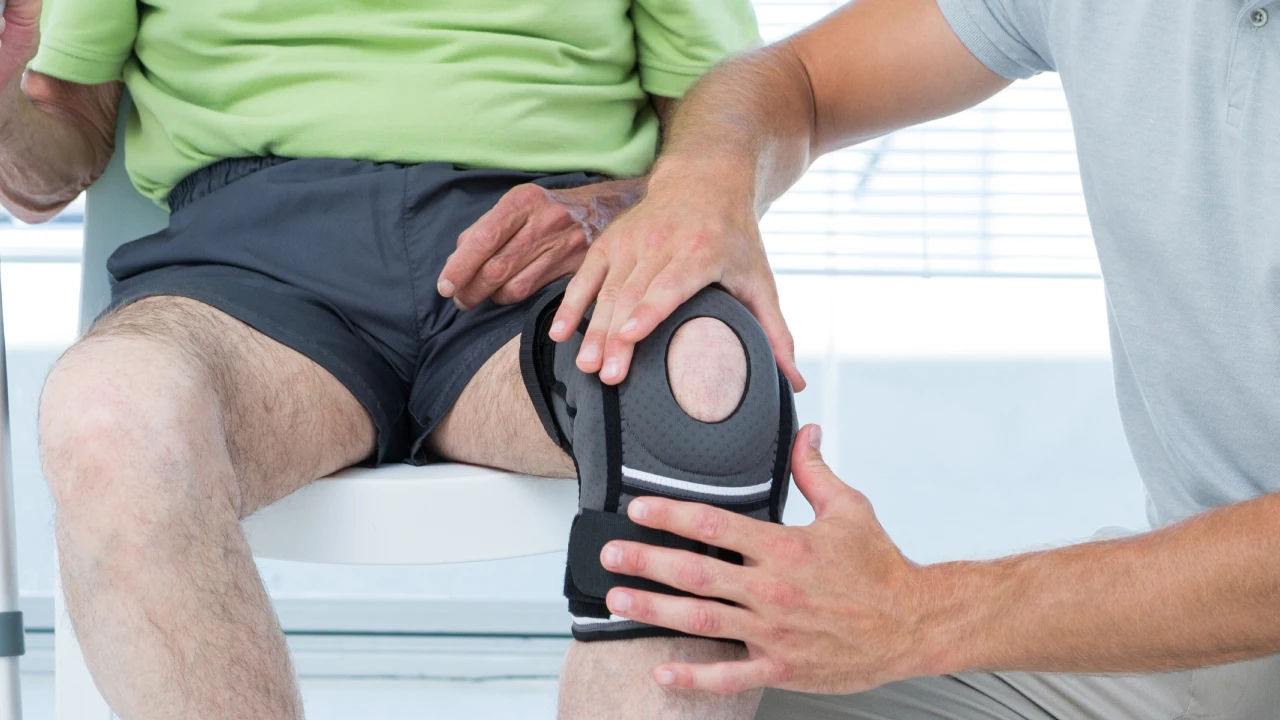
How Decompression Therapy for Knee Pain Helps You
Overview of Decompression Therapy for Knee Pain

Knee discomfort can make everyday movement feel harder than it should. Walking, climbing stairs, or keeping up with family routines may start to feel limited over time. Many people look for non-surgical options that support joint movement without adding stress. Decompression Therapy for Knee Pain has become a topic of interest for individuals seeking structured physiotherapy care in Bolton that focuses on joint spacing and controlled movement.
This article explains how Decompression Therapy for Knee Pain fits into physiotherapy care, the types of knee concerns it is commonly used to treat, and how Assure Physio & Rehab supports patients through structured treatment plans. It also covers safe at-home practices and why working with trained clinicians can make a meaningful difference.
What Is Decompression Therapy for Knee Pain?
In physiotherapy settings, Decompression Therapy for Knee Pain refers to the use of controlled mechanical or manual techniques that reduce compressive forces at the knee joint. By gently separating joint surfaces under guided conditions, therapists aim to support smoother movement patterns and reduce strain on surrounding tissues.
This approach is commonly integrated into broader physiotherapy programs rather than used alone. At Assure Physio & Rehab in Bolton, Decompression Therapy for Knee Pain is considered within the context of a full assessment, ensuring care aligns with each patient’s movement patterns and daily demands.
Conditions Where Decompression Therapy for Knee Pain Is Commonly Used
Knee Joint Wear and Tear
People experiencing age-related joint changes often report stiffness during daily tasks. Decompression Therapy for Knee Pain may be discussed when joint compression contributes to limited movement or discomfort during weight-bearing activities.
Sports and Activity-Related Knee Strain
Repetitive motion from running, jumping, or training can place stress on knee structures. In these cases, Decompression Therapy for Knee Pain may be included alongside strengthening and mobility work to support recovery and joint control.
Post-Injury Movement Limitations
After ligament strains or minor knee injuries, restoring smooth movement is essential. Physiotherapists may use Decompression Therapy for Knee Pain as part of a plan focused on controlled loading and gradual return to activity.
How Assure Physio & Rehab Supports Knee Care in Bolton
Assure Physio & Rehab takes a structured approach to knee care, focusing on assessment, movement analysis, and progressive treatment. When Decompression Therapy for Knee Pain is appropriate, it is applied with attention to joint mechanics, posture, and muscle balance.
Patients visiting the Bolton clinic receive clear explanations about each stage of care. Sessions may include hands-on techniques, guided exercises, and education on movement habits that affect the knees. Decompression Therapy for Knee Pain is always combined with active rehabilitation to support long-term joint function.
Safe At-Home Practices to Support Knee Health
While in-clinic care plays a central role, certain habits at home can support knee movement between visits.
Gentle Range-of-Motion Exercises
Slow knee bends and straightening movements performed within comfort limits help maintain joint mobility. These exercises should never cause sharp discomfort.
Strengthening the Muscles Around the Knee
Simple exercises such as seated leg raises or supported squats can help build muscle control. Strong surrounding muscles reduce stress on the knee joint during daily activities.
Mindful Movement During Daily Tasks
Paying attention to posture when sitting, standing, or lifting can reduce unnecessary joint strain. Small adjustments often have a positive effect over time.
These practices complement in-clinic Decompression Therapy for Knee Pain by encouraging consistent movement habits outside appointments.
Why Working With a Physiotherapist Improves Outcomes
Self-directed care may not address the full picture of knee movement. Trained physiotherapists assess how the knee interacts with the hips, ankles, and overall posture. This broader view helps determine whether Decompression Therapy for Knee Pain is suitable and how it should be applied.
At Assure Physio & Rehab, clinicians monitor progress and adjust care based on the knee’s response. This level of oversight helps ensure exercises and techniques remain appropriate as movement improves. For residents of Bolton, having access to clinic-based physiotherapy provides reassurance that care decisions are guided by clinical reasoning rather than guesswork.
When to Consider Booking a Physiotherapy Consultation
If knee discomfort affects walking, work tasks, or recreational activity, it may be time to explore physiotherapy options. Decompression Therapy for Knee Pain is often discussed during assessments when joint compression appears to influence movement quality.
Early assessment allows physiotherapists to address contributing factors before limitations increase. For many patients, learning how to move more efficiently becomes just as important as hands-on care.
Moving Forward
Knee discomfort can impact daily life in subtle but persistent ways. Decompression Therapy for Knee Pain is one of several physiotherapy techniques used to support joint movement, reduce stress on knee structures, and encourage safer activity patterns. When combined with exercise and education, it becomes part of a structured approach to knee care.
Assure Physio & Rehabin Bolton provides patient-focused physiotherapy that considers individual movement needs and activity levels. If knee concerns are limiting your routine, scheduling a consultation can help clarify the next steps and identify suitable care options. Contact Assure Physio & Rehab today to book an appointment and take a proactive step toward improved knee movement and confidence.
Our Services
- Physiotherapy
- Pelvic pain
- Spinal decompression chiropractor
- Knee decompression
- Kegel Chair Therapy
- Pelvic Physio
