
Physiotherapy: A Science of Movement, Recovery, and Everyday Function
Physiotherapy is a health discipline centered on restoring and maintaining movement throughout life. It draws on anatomy, biomechanics, neuroscience, and exercise science to support people with injuries, long-standing conditions, or movement limitations that affect daily routines. Rather than focusing on a single symptom, physiotherapy looks at how the body moves as an integrated system, where joints, muscles, nerves, breathing, posture, and habits interact every moment of the day.
From early childhood through later decades of life, movement quality shapes how people work, rest, and participate in their communities. Physiotherapy supports this process by addressing how movement patterns develop, how they change under stress, and how they can be retrained when they are not working as they should.
Foundations of Physiotherapy Practice
At its core, physiotherapy begins with careful assessment. A physiotherapist observes posture, gait, joint mobility, muscle coordination, balance, and functional tasks such as sitting, lifting, or reaching. This assessment phase helps identify where movement efficiency has been disrupted and how different parts of the body may be compensating.
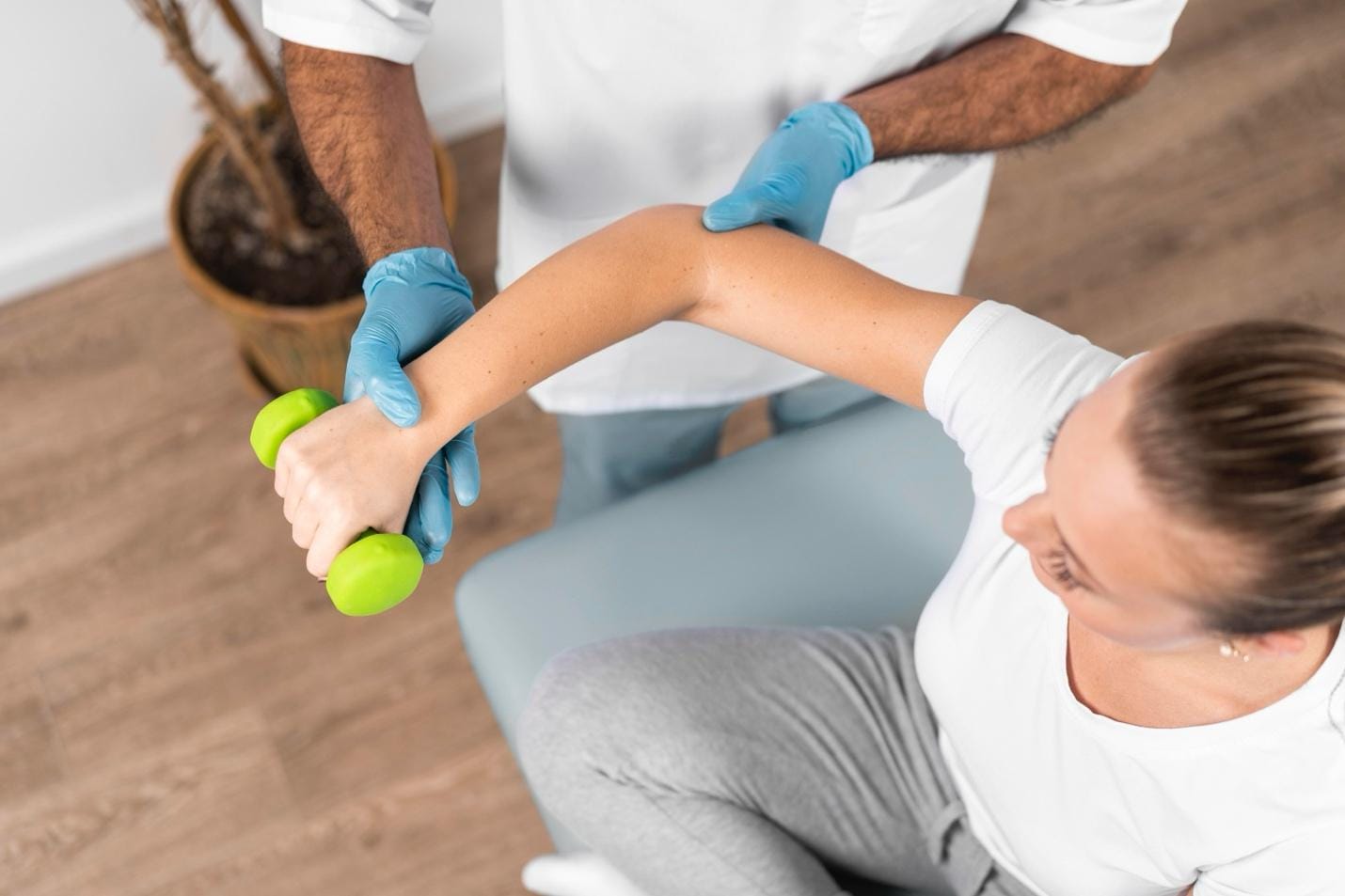
Based on these findings, sessions may include hands-on techniques, movement retraining, and structured physical activity. Education is also central, as people benefit from knowing how posture, workload, sleep habits, and daily movement choices influence physical function. Over time, physiotherapy aims to support consistency in movement rather than short bursts of activity followed by setbacks.
The Role of Movement in Modern Life
Modern lifestyles often involve prolonged sitting, repetitive tasks, and limited variation in movement. Over months or years, these patterns can influence joint loading, muscle balance, and breathing mechanics. Physiotherapy addresses these influences by reintroducing variety and control into movement.
This may involve learning how to distribute force evenly through the spine during lifting, improving hip mobility to reduce stress on the lower back, or retraining shoulder mechanics for overhead activity. Small adjustments, practiced consistently, can lead to noticeable changes in how the body handles everyday demands.
Physiotherapy Across Different Health Areas
Physiotherapy is applied across many health fields, each with its own focus:
Musculoskeletal care
This area addresses joints, muscles, tendons, and ligaments. It often involves people recovering from sprains, fractures, or joint stiffness, as well as those managing long-standing movement issues related to posture or workload.
Neurological support
Here, physiotherapy helps individuals adapt movement following conditions that affect the nervous system. Sessions may focus on balance, coordination, walking patterns, and task-specific training to improve daily function.
Cardiorespiratory physiotherapy
This branch supports breathing efficiency and endurance, particularly for individuals managing heart or lung conditions. Techniques may include breathing exercises, posture adjustments, and graded physical activity.
Women’s and pelvic health
Physiotherapists in this area work with issues related to pregnancy, childbirth, and pelvic floor function. Conditions such as Pelvic pain can influence posture, walking, and core coordination, making movement-focused care an important part of management.
Exercise as a Central Tool
Exercise in physiotherapy is purposeful and progressive. Rather than general fitness routines, movements are selected to address specific movement gaps identified during assessment. Exercises may focus on joint mobility, muscle timing, strength through full ranges of motion, or endurance for daily tasks.
Progression is gradual. Early stages might emphasize awareness and control, while later stages introduce load, speed, or complexity. This structured progression supports confidence in movement and reduces unnecessary strain during activity.
Hands-On Techniques and Manual Approaches
Hands-on methods can help improve joint motion, soft-tissue flexibility, and body awareness. These techniques are used to complement active movement rather than replace it. When joints move more freely or muscles relax appropriately, people often find it easier to perform exercises with better coordination.
Manual approaches are selected based on individual presentation and are typically integrated with movement practice during the same session.
Technology and Equipment in Physiotherapy
Advances in technology have expanded the tools available in physiotherapy settings. Equipment such as resistance systems, balance platforms, and movement sensors can provide feedback on performance and progress. In some clinics, collaboration with a spinal decompression chiropractor may occur when spinal loading patterns need to be addressed alongside movement retraining.
Other approaches focus on joint unloading strategies. For example, knee decompression techniques aim to reduce compressive forces across the knee joint during movement, allowing exercise to be performed with improved comfort and alignment.
Innovations continue to appear, including Kegel Chair Therapy, which uses seated technology to activate pelvic floor muscles through externally applied stimulation. This approach is typically combined with education and active training to support coordinated muscle use during daily tasks.
Physiotherapy in Everyday Activities
Physiotherapy is not limited to the clinic. One of its strengths lies in translating movement skills into real-world situations. This might include adjusting workstation setup, modifying lifting techniques, or planning movement breaks during long periods of sitting.
For active individuals, physiotherapy can help refine technique in sports or recreational activities. Small changes in foot placement, trunk control, or breathing patterns can influence performance and reduce unnecessary strain.
Consistency and Progress Over Time
Movement change takes repetition. Physiotherapy emphasizes regular practice of movement strategies rather than sporadic effort. This consistency allows the nervous system and musculoskeletal structures to adapt gradually.
Progress is often measured not only by changes in symptoms but also by improvements in confidence, endurance, and the ability to perform tasks with less effort. These changes can influence how people approach work, leisure, and social activities.
Collaboration Within Healthcare
Physiotherapists frequently work alongside other health professionals to support broader care plans. Communication with physicians, surgeons, and other practitioners helps ensure that movement strategies align with overall health goals.
This collaborative approach is particularly relevant when individuals are managing multiple conditions or recovering from complex procedures. Movement guidance can be adapted to changing health status over time.
Lifelong Movement Awareness
Physical therapy encourages awareness of how the body responds to different activities and environments. By learning to recognize early signs of overload or inefficient movement, people can adjust habits before issues escalate.
This awareness extends beyond formal sessions. It influences how individuals warm up before activity, recover afterward, and structure their daily routines to include varied movement.
Looking Ahead
As research continues to explore how movement influences physical and mental well-being, physiotherapy remains a field that adapts and evolves. New assessment tools, exercise strategies, and technologies continue to shape practice, while the core focus on movement quality remains constant.
By addressing how people move, rather than isolating a single body part, physiotherapy supports a more connected view of physical function. Whether the goal is returning to work, participating in sport, or moving comfortably through daily life, physiotherapy offers structured pathways grounded in movement science and practical application.
