...
Book Appointment Call us

Pelvic pain in Bolton

Pelvic Pain in Bolton

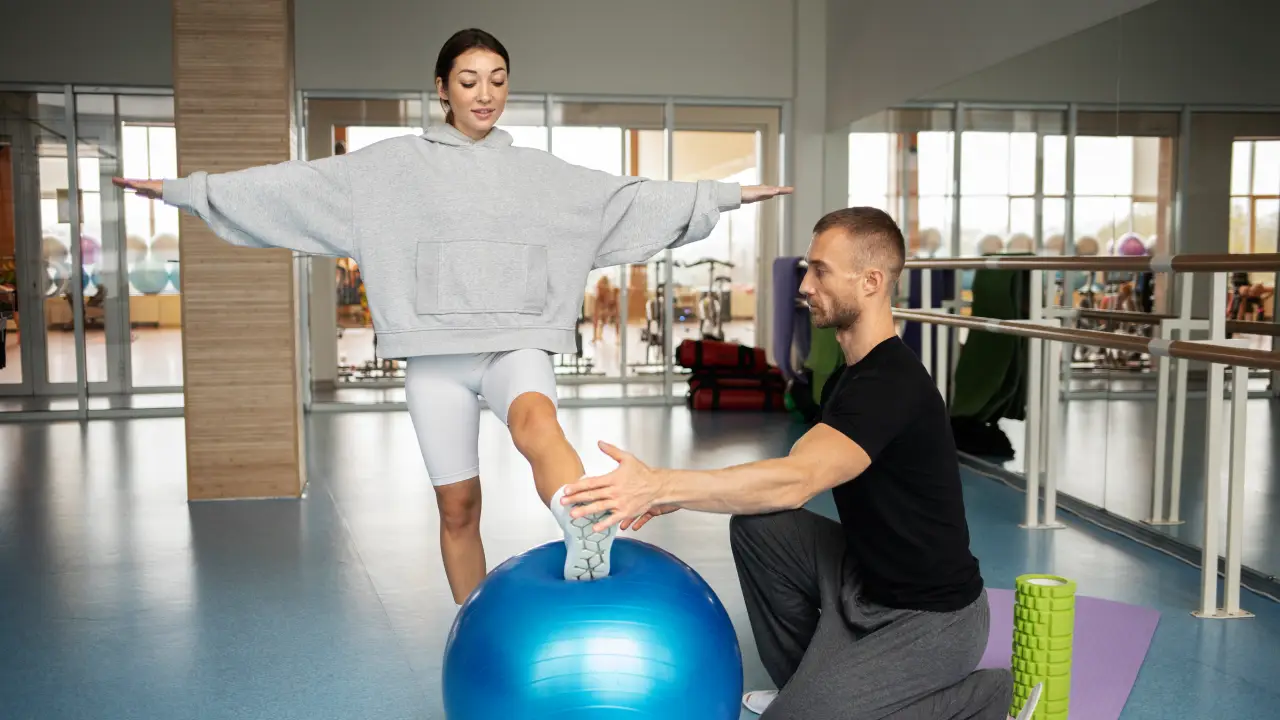
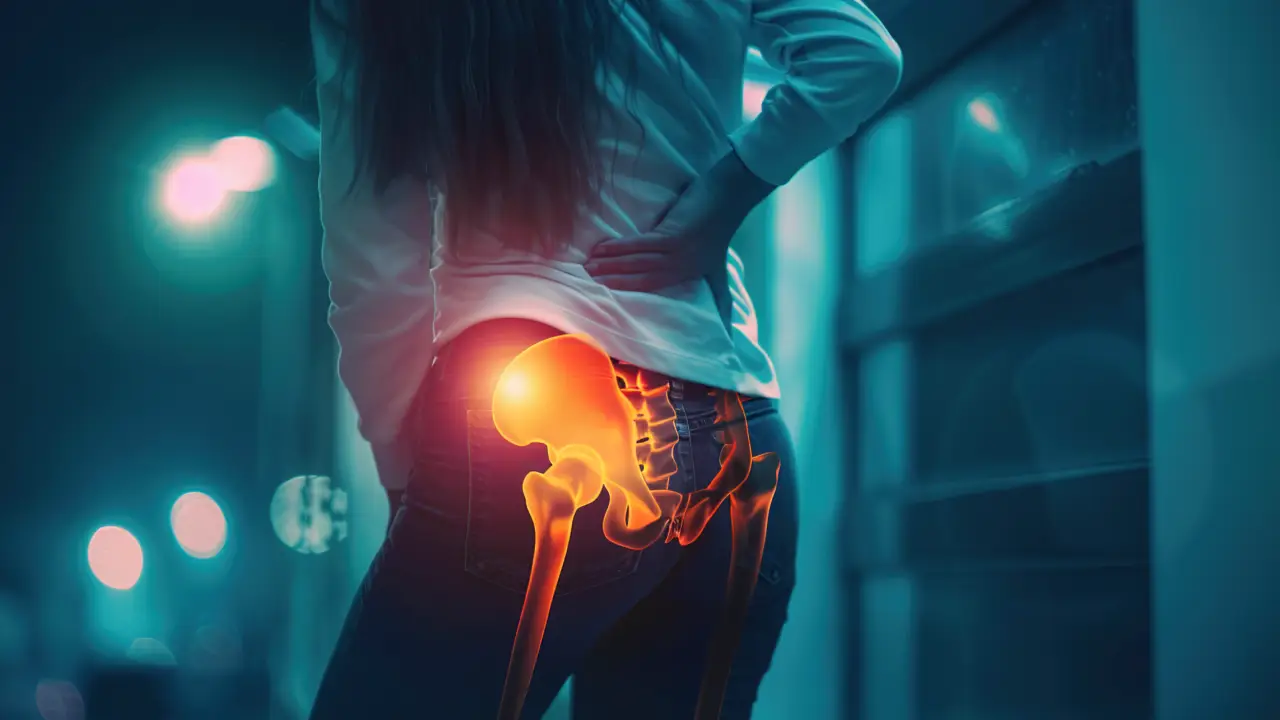
Pelvic pain in Bolton, Ontario, is often addressed through specialized Pelvic Physiotherapy in Bolton, with clinics like Assure Physio & Rehab offering expert care for conditions like incontinence, pregnancy pain, postpartum recovery, menstrual pain, and dysfunction in both men and women. They use personalized plans, manual therapy, and exercises, with options such as red light therapy.

In Bolton, several clinics, primarily offering pelvic physiotherapy in Bolton, treat pelvic pain caused by conditions such as endometriosis, urinary incontinence, pelvic organ prolapse, pudendal neuralgia, irritable bowel syndrome, and musculoskeletal issues.

Conditions Treated With Pelvic Pain in Bolton

Local clinics in Bolton specialize in addressing various conditions associated with pelvic pain through a multidisciplinary approach. These can be broadly categorized:

  1. Musculoskeletal Issues:
    • Pelvic floor muscle tension (hypertonicity) or weakness (hypotonicity)
    • Coccydynia (tailbone pain)
    • Piriformis syndrome
    • Diastasis recti (abdominal muscle separation)
    • Pregnancy-related pelvic girdle pain
    • Fibromyalgia affecting the pelvic area
  2. Gynecological/Reproductive Conditions:
    • Endometriosis
    • Painful menstruation (dysmenorrhea)
    • Pain during intercourse (dyspareunia)
    • Postpartum recovery issues
    • Pelvic organ prolapse
  3. Urological/Bowel Conditions:
    • Interstitial cystitis (painful bladder syndrome)
    • Urinary or fecal incontinence
    • Overactive bladder
    • Irritable bowel syndrome (IBS)
    • Chronic constipation
  4. Nerve-related Conditions:
    • Pudendal neuralgia (nerve pain)
    • Nerve entrapment syndromes
  • Pelvic Physiotherapy in Bolton: A common issue leading to pain, incontinence, or discomfort during activities.
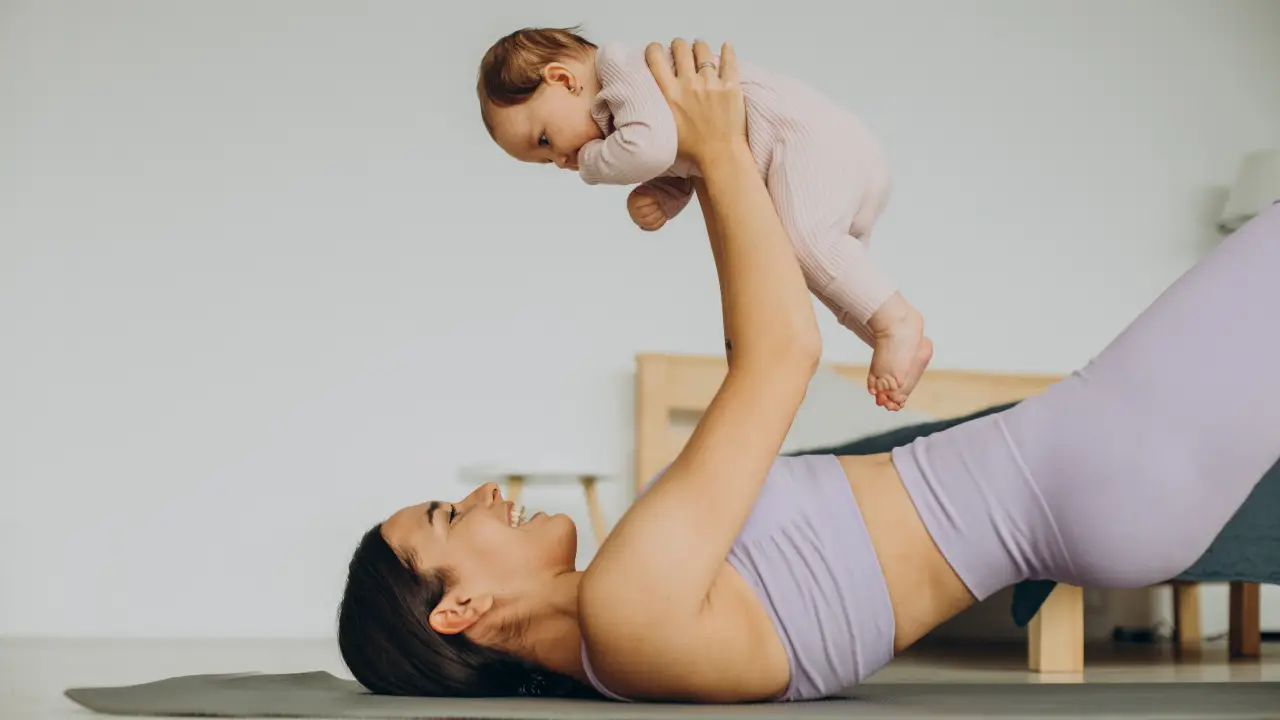
  • Pregnancy & Postpartum: Pain related to childbirth and recovery.
  • Menstrual Pain: Targeted therapies can help alleviate discomfort.
  • Other Causes: Issues like fibroids, infections (like PID), or sports injuries (like groin pulls/ischial bursitis) can also cause pelvic pain.

What to Expect at a Clinic

  • Comprehensive Assessment: Your first visit involves discussing medical history and symptoms, followed by a physical exam.
  • Personalized Treatment: Plans often include tailored exercises, manual therapy, and other modalities to address your specific needs.

How to know if pelvic pain is serious?

You should head to the nearest emergency room if:

  1. Pelvic pain is sharp, severe, or sudden.
  2. You’re unable to stand up straight.
  3. There’s blood in your pee or poop.
  4. You’re running a fever.
  5. You’re pregnant or have been pregnant in the last six months.

When to Seek Help For Pelvic Pain in Bolton

You should seek medical attention in Bolton if:

  • Your pelvic pain is persistent, comes and goes, or disrupts your daily life.
  • The pain is severe or getting worse.
  • You experience accompanying symptoms such as unusual discharge, changes in bowel or bladder function, or unexplained weight loss.
  • You are pregnant or might be pregnant and experiencing pain.

Frequently Asked Questions (FAQs)

Q1: What is pelvic pain?

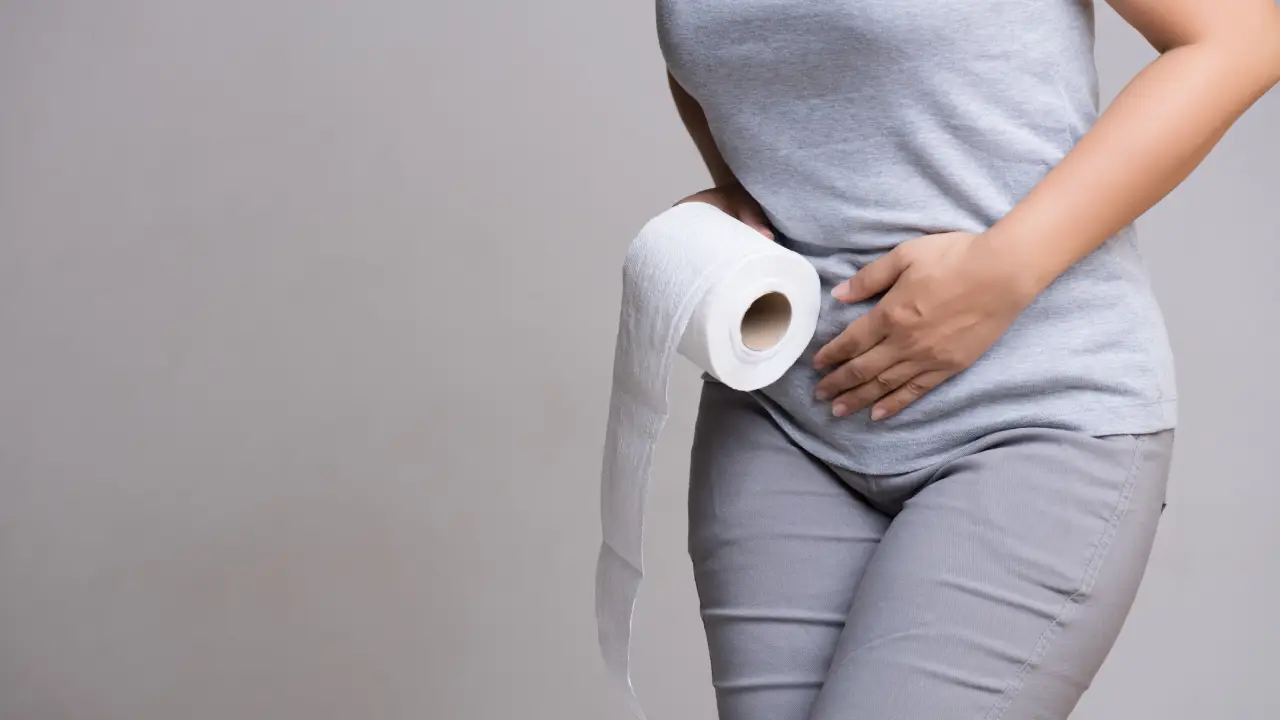
A: Pelvic pain is discomfort felt in the lower abdomen or pelvic region and may be acute or chronic.

Q2: What causes pelvic pain?

A: Causes include muscle tension, nerve irritation, joint issues, endometriosis, bladder or bowel conditions, and childbirth-related changes.

Q3: Can pelvic pain affect both men and women?

A: Yes. Pelvic pain can affect people of all genders.

Q4: How is pelvic pain treated?

A: Treatment may include pelvic physiotherapy, manual therapy, exercises, pain management techniques, and lifestyle changes.

Q5: Does pelvic physiotherapy help pelvic pain?

A: Yes. It helps relax tight muscles, strengthen weak areas, and improve pelvic function.

Q6: Is pelvic pain serious?

A: It can be, especially if pain is persistent or worsening. A proper assessment is important.

Q7: When should I seek treatment for Pelvic pain?

A: If pelvic pain lasts longer than a few weeks or interferes with daily life, professional care is recommended.

Q8: Can pelvic pain go away on its own?

A: Mild cases may resolve, but ongoing pain often requires targeted treatment.

Copyright © Assure Physio & Rehab. All Rights Reserved | Privacy Policy | Terms Of Use

Designed & Developed By Convirzon

Seraphinite AcceleratorOptimized by Seraphinite Accelerator
Turns on site high speed to be attractive for people and search engines.